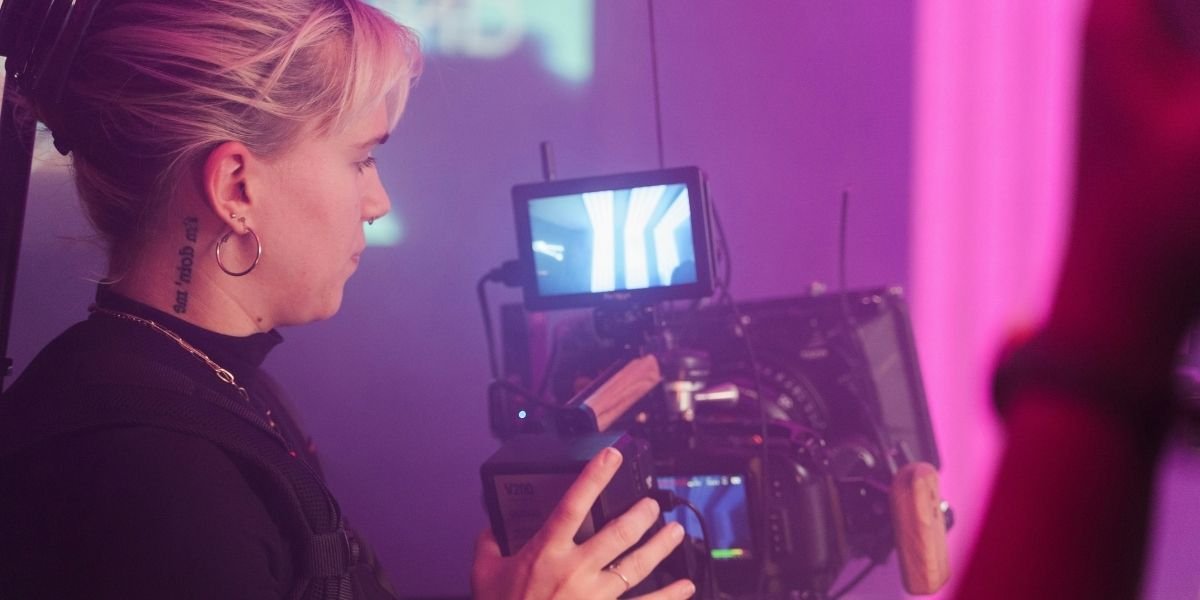
Filmmakers Ava DuVernay, Gina Prince-Bythewood and Beth de Araújo discussed their experiences behind the camera in an October 8, 2026, ELLE feature examining women’s representation in Hollywood. Their interviews highlighted different paths through filmmaking alongside research showing that women have held approximately 7% of directing positions across major films released since 2007.
The discussion comes as industry research continues to document differences between women’s participation in filmmaking and their representation among directors of top-grossing releases.
Key Takeaways
- Ava DuVernay, Gina Prince-Bythewood and Beth de Araújo discussed their directing careers in an October 2026 feature
- USC Annenberg Inclusion Initiative research found that women accounted for 6.6% of directors across 1,900 top-grossing films from 2007 through 2025
- Women represented 8.1% of directors in the study’s 2025 sample, compared with 13.4% in 2024
- The featured filmmakers have worked across documentaries, narrative features, literary adaptations and festival productions
- The findings highlight differences between individual filmmaking achievements and broader access to major directing assignments
Women Filmmakers Discuss Their Work Behind the Camera
The October 8 feature brought together three filmmakers whose careers reflect different aspects of film directing. DuVernay, Prince-Bythewood and de Araújo discussed their creative work and experiences navigating an industry where women remain underrepresented in major directing positions.
Their perspectives addressed the opportunities available to women filmmakers, the challenges associated with developing projects and the importance of maintaining creative involvement throughout production.
The discussion also considered how gender and race can intersect with professional opportunities. DuVernay described the difficulties filmmakers face when industry support becomes less accessible, while Prince-Bythewood emphasized the need for greater access to directing assignments.
These experiences provide context for understanding why representation involves more than the number of women working on individual productions. Directing opportunities also determine who can influence storytelling, guide production decisions and establish a sustained filmmaking career.
Ava DuVernay, Gina Prince-Bythewood and Beth de Araújo Represent Different Creative Paths
The three filmmakers have developed careers across different genres and production environments, illustrating the range of work undertaken by women directors.
Ava DuVernay has directed documentary and narrative projects, including Selma and 13th. Her latest documentary, 14th, examines the Fourteenth Amendment and its historical and contemporary significance. Her career demonstrates how filmmakers can move between scripted storytelling and documentary production.
Gina Prince-Bythewood has directed narrative films including Love & Basketball, The Old Guard and The Woman King. She is also directing the adaptation of Tomi Adeyemi’s novel Children of Blood and Bone, extending her work into large-scale fantasy filmmaking.
Beth de Araújo directed Josephine, which screened at the Sundance Film Festival in January 2026. The film draws on personal experiences and reflects an approach to storytelling centered on emotionally complex subject matter.
Outside major studio productions, filmmakers have also developed their work through independent projects and festival screenings. Nishita Chand’s work in psychological and surreal cinema provides another example of a director building a portfolio through short films and distinct creative themes.
These professional paths illustrate the range of filmmaking opportunities available across different production settings. They also demonstrate why individual achievements should be considered alongside research measuring access to major theatrical releases.
Research Documents Women’s Representation in Film Directing
Research from the USC Annenberg Inclusion Initiative provides a broader measure of women’s participation in directing.
Its analysis of 1,900 top-grossing films released from 2007 through 2025 found that women accounted for 6.6% of credited directors across the 19-year period. The figure is frequently rounded to 7% when describing women’s representation among major film directors.
The study also identified differences between individual years. Women represented 8.1% of directors associated with the 100 top-grossing films of 2025, compared with 13.4% in 2024.
These findings demonstrate that representation can fluctuate annually while remaining limited across the longer measurement period.
The research focuses on a defined group of commercially successful theatrical films. Its findings therefore should not be interpreted as representing every directing opportunity in documentary filmmaking, independent cinema, television or streaming-only productions.
That distinction matters when comparing established directors with emerging filmmakers whose projects may circulate through festivals or smaller distribution channels.
Directing Opportunities Remain Central to Industry Representation
The proportion of women directing major films offers one measure of access to influential creative positions. However, directing credits alone provide limited information about the resources, professional relationships and production opportunities available throughout a filmmaker’s career.
A director’s responsibilities typically include interpreting scripts, guiding performances and coordinating creative decisions with production departments. Opportunities to take on these responsibilities can influence both the scale of individual projects and subsequent career development.
Prince-Bythewood’s discussion of professional advancement emphasized the importance of supporting emerging filmmakers through funding, project development and connections with established producers.
Access to these resources can help filmmakers develop work that demonstrates their directing capabilities. The availability of such opportunities remains an important consideration when evaluating career progression across the industry.
Research into representation in film therefore benefits from examining both the number of directing assignments and the professional conditions surrounding those assignments.
Women’s Contributions Extend Across Film Production
Women’s participation in filmmaking encompasses more than directing. Film productions also involve writers, producers, cinematographers, editors and other creative professionals whose work contributes to the finished project.
The distinction between these positions matters when interpreting representation statistics. A production may include women across several departments while employing a man as its director, or it may have a woman director working with a differently composed production team.
Examples of women-led film production teams illustrate how women’s involvement can extend across directing, writing, producing and technical roles within an individual film.
Measuring these occupations separately can provide a more complete understanding of women’s employment and creative participation across the industry.
The careers of DuVernay, Prince-Bythewood and de Araújo demonstrate women’s work across different filmmaking formats. USC’s research addresses a complementary question: how frequently women receive directing credits within the highest-grossing theatrical releases.
Together, these perspectives provide a clearer understanding of women’s professional participation and the continuing importance of examining access to directing opportunities.
Frequently Asked Questions
Which Women Filmmakers Were Featured in the October 2026 Report?
The October 8 feature examined the directing careers and experiences of Ava DuVernay, Gina Prince-Bythewood and Beth de Araújo. Their work spans documentary filmmaking, narrative features and film festival productions.
What Percentage of Major Films Were Directed by Women?
The USC Annenberg Inclusion Initiative found that women accounted for 6.6% of credited directors across 1,900 top-grossing films released between 2007 and 2025. The figure is commonly rounded to approximately 7%.
What Films Have Ava DuVernay and Gina Prince-Bythewood Directed?
DuVernay has directed projects including Selma and 13th, while Prince-Bythewood’s directing credits include Love & Basketball, The Old Guard and The Woman King. Their recent work also includes DuVernay’s documentary 14th and Prince-Bythewood’s adaptation of Children of Blood and Bone.
Why Is Women’s Representation in Film Directing Important?
Directors guide major creative decisions throughout film production. Measuring women’s participation in these roles helps researchers evaluate access to directing assignments and identify changes in representation over time.
How Do Researchers Measure Women’s Access to Directing Roles?
Researchers examine credited directors within defined film samples and measurement periods. Additional assessments can consider production budgets, distribution categories, directing opportunities and differences between theatrical, independent and other filmmaking environments.