By: Michael Beas
An Honest Conversation About Sex, Intimacy, and Menopause
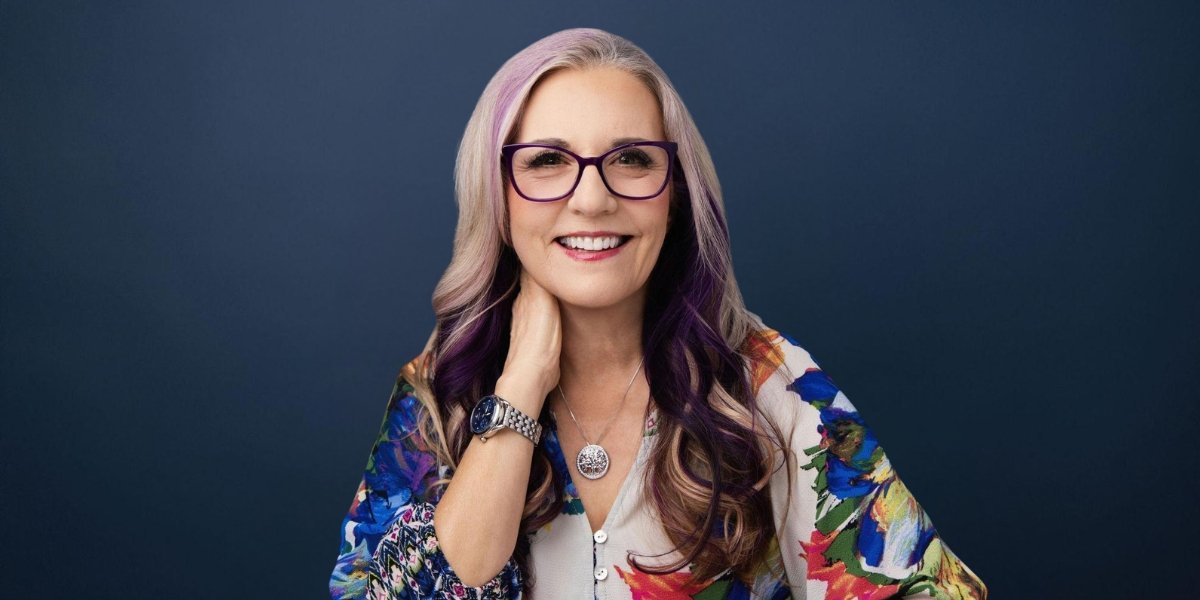
An interview with Debbie Harris, Menopause Mapping Strategist, Certified Menopause Coaching Specialist, TEDx speaker, and award-winning author
Menopause conversations often focus on hot flashes, sleep, and weight. Far less is said about painful sex, changing desire, or the distance between loving partners. Debbie Harris explains why intimacy belongs in the conversation about menopause.
Why Did You Decide To Speak Publicly About Sex, Intimacy And Menopause?
Because nobody prepared me for how much this part of my life could change. I met my current husband when I was 50, and physical intimacy was important to us. By my mid-50s, sex had become painful, and my desire had disappeared. My gynecologist suggested lubricants, coconut oil, and relaxing more. I even tried a laser treatment, but its effectiveness depended on “practice.” With no desire, ongoing exhaustion, and fear of pain, that felt impossible.
That was devastating because I had always enjoyed sex. My husband feared hurting me, and I did not know how to explain that I still loved him even though my body was responding differently. Other women have told me their own versions of that silence.
When Desire Changes, Does It Mean Something Is Wrong With The Woman Or Her Relationship?
No. Sexual function during and after menopause is complex. Hormones, pain, poor sleep, stress, medications, health, body image, caregiving, and relationship dynamics may all contribute. Women may experience less desire, more desire, or little change.
Women often turn a change into a verdict: “I am no longer desirable,” or, “I must not love my partner anymore.” A partner may experience it as rejection.
Why Can Sex Become Uncomfortable Or Painful During Menopause?
One possible explanation is genitourinary syndrome of menopause, or GSM. As estrogen declines, vulvar, vaginal, bladder, and urethral tissues may become thinner, drier, and less elastic, causing burning, urinary changes, recurring infections, or painful sex.
Pain should not be tolerated or worked through. Based on a woman’s symptoms and medical history, a qualified healthcare professional can discuss nonhormonal products, pelvic floor physical therapy, prescriptions, counseling, or specialized support.
How Do Sleep And Stress Affect Intimacy?
It is difficult to feel desire when you are running on nothing. In my mid-fifties, I regularly woke around 3:00 in the morning, hot or cold, needing to use the bathroom, and reviewing everything I had not finished. When my husband reached for me, I was not avoiding him. I was exhausted.
Sleep disruption, hot flashes, stress, and mood changes can affect intimacy. A woman might explain, “My sleep has been genuinely disrupted, and it is affecting my energy, my mood, and how present I can be with you.” That invites understanding instead of blame.
What Role Does Body Image Play?
For me, weight was one of the hardest pieces because of my history. I was an overweight child who was ridiculed, and I spent decades trying to make peace with my body. When my body changed again during menopause, old feelings returned. My husband did not reject me. He kept saying I was beautiful and that my weight did not matter to him, but it mattered to ME.
Body image is not vanity. It affects how present a woman feels in her own skin. She need not love every part of her body before allowing closeness, but intimacy must happen gently and on her terms. Pressure rarely restores confidence.
How Can A Woman Begin Talking With Her Partner?
Do not wait until you are in bed or already feeling pressured. Choose a neutral, private moment and begin simply: “My body is going through changes I am still trying to understand. This is not about rejecting you. I want us to talk about what feels comfortable and how we can stay connected.”
Intimacy does not have to mean penetration, and affection need not lead to sex. Couples can explore other forms of touch and closeness. A qualified counselor or certified sex therapist may help when conversation becomes stuck.
What Do You Most Want Women To Understand?
You are not broken, undesirable, or past your time. Notice the connections among comfort, sleep, stress, body confidence, health, and your relationship.
There is no universal standard for desire or sexual frequency. The goal is to create an intimate life that feels safe, honest, connected, and right for you now.
About Debbie Harris
Debbie Harris is a Menopause Mapping Strategist, Certified Menopause Coaching Specialist, Certified Hypnotist, TEDx speaker, and author of Dieting Sucks for Women Over 40: 30 to Life. She helps women identify their priorities, ask better questions, and build their own Menopause Map. Her educational work is not a substitute for individualized medical care.
Website: 30tolife.org
Sources
- The Menopause Society, Sexual Health
- The Menopause Society, Menopause and Sexual Function, 2026
- The Menopause Society, Genitourinary Syndrome of Menopause, 2025
Disclaimer: This article is provided for general educational and informational purposes only and does not constitute medical advice, diagnosis, or treatment. Menopause symptoms and appropriate treatments vary by individual. Readers experiencing pain, urinary symptoms, sexual-health concerns, or other persistent symptoms should consult a qualified healthcare professional.