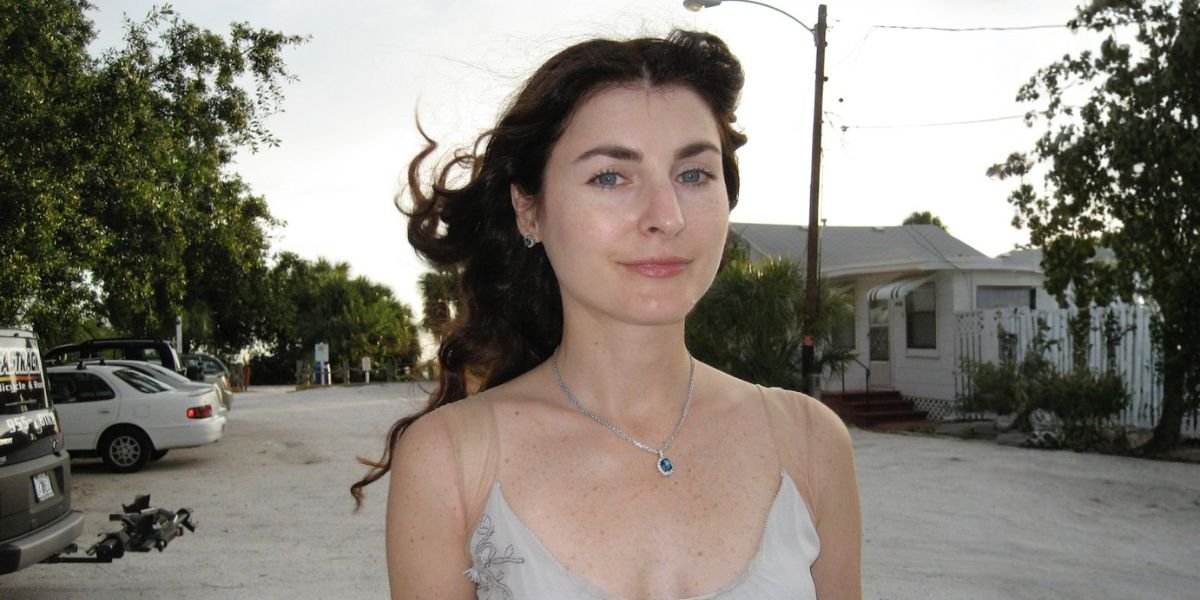
By: Catalina Santorini
There’s a particular quality to the way Jacqueline Pennewill builds a scene. The way a location is introduced before a character speaks. The way atmosphere settles over a moment before anything happens in it. The way you feel the setting before you understand why it matters.
It isn’t accidental. Jacqueline has a background in filmmaking and storytelling, and she brought everything she knows about visual language directly into the writing of The Book of Eternity.
In filmmaking, she says, cinematography is the first character we see. It creates a feeling before any words are spoken. An image comes up on the screen and you immediately feel something from it. It sets the tone. She wanted to create on paper the same experience of walking into a world and feeling it before you understand it.
Every Location Is a Character
One of the most deliberate structural choices Jacqueline made was treating each location in the book as a character in its own right. Not just a backdrop. Not just a setting. A presence with its own personality and weight.
She describes the real Key that inspired Sleepy Key, the Florida setting of the novel, in terms that make clear why she chose it. The tiny roads. The overgrown trees. The houses that seemed to have their own histories. At one end, shacks with motorcycles parked out front. In the middle, grand hidden homes. At the far end, older buildings with vines crawling up their walls.
The whole place felt like something was bubbling underneath it. That tension, between what is visible and what is hidden, is the exact same tension that runs through the entire novel. The setting didn’t just inspire the story. It became part of its logic.
The Slow Burn She Believes In
Jacqueline has a clear philosophy about how character development works, both in storytelling and in life. She doesn’t believe people learn things about themselves overnight. Growth is gradual, she says. It takes time. And she carries that belief directly into her writing.
She likes what some readers call a slow burn. Characters placed in extraordinary circumstances who are forced to make difficult choices and discover through those choices who they really are. Not quickly. Not cleanly. Gradually, and with the kind of honesty that requires the reader to sit with a character through their uncertainty rather than arrive with them at a resolved conclusion.
Grey doesn’t transform in a single moment. She shifts, slowly, through accumulated choices and confrontations, until she is someone she couldn’t have recognized at the beginning of the story.
What She Wants to Haunt the Reader
Jacqueline describes what she loves most in the films and books she encounters. She loves when the characters continue to haunt her afterward. When she closes a book or leaves a cinema and carries the people she spent time with into the rest of her day and beyond.
That’s the experience she was deliberately trying to create in The Book of Eternity. Not just a story that engages while you’re inside it, but characters who stay with the reader after the last page. Who resurface in quiet moments. Who feel like people encountered rather than invented.
Zale especially. The character who wasn’t supposed to have a heart and developed one anyway. Jacqueline suspects he will be the one who stays longest.
If immersive, atmospheric storytelling that makes you feel a world before you understand it is what you read for, The Book of Eternity by Jacqueline Pennewill is available now on Amazon. Sleepy Key has a personality of its own. Step into it.