Women's Journal

Where Did My Desire Go?

By: Michael Beas

An Honest Conversation About Sex, Intimacy, and Menopause

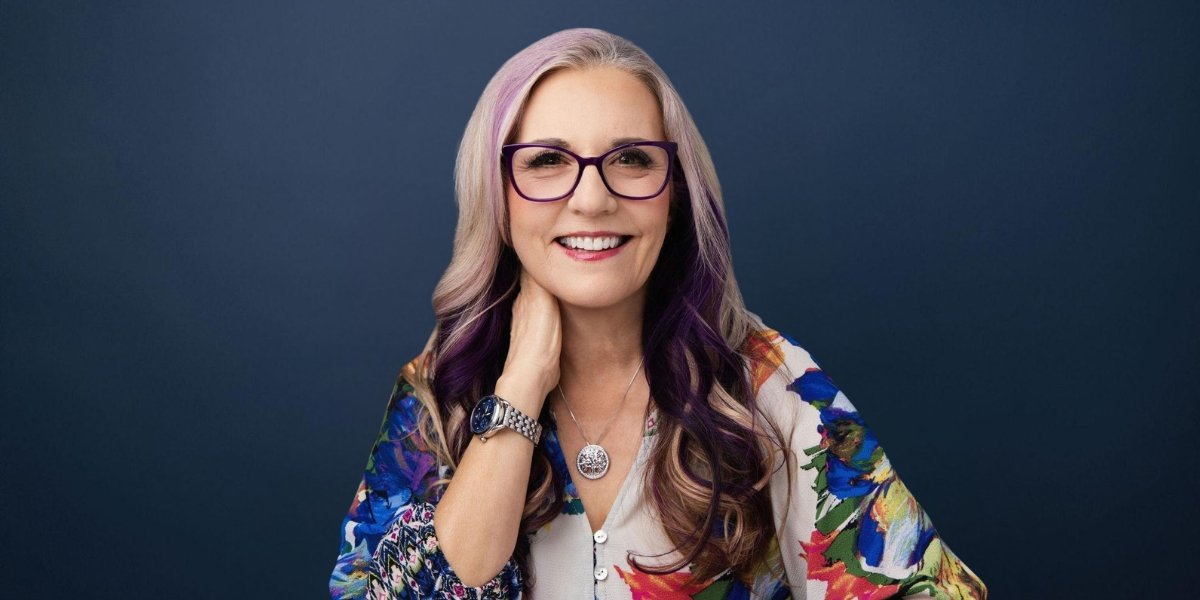
An interview with Debbie Harris, Menopause Mapping Strategist, Certified Menopause Coaching Specialist, TEDx speaker, and award-winning author

Menopause conversations often focus on hot flashes, sleep, and weight. Far less is said about painful sex, changing desire, or the distance between loving partners. Debbie Harris explains why intimacy belongs in the conversation about menopause.

Why Did You Decide To Speak Publicly About Sex, Intimacy And Menopause?

Because nobody prepared me for how much this part of my life could change. I met my current husband when I was 50, and physical intimacy was important to us. By my mid-50s, sex had become painful, and my desire had disappeared. My gynecologist suggested lubricants, coconut oil, and relaxing more. I even tried a laser treatment, but its effectiveness depended on “practice.” With no desire, ongoing exhaustion, and fear of pain, that felt impossible.

That was devastating because I had always enjoyed sex. My husband feared hurting me, and I did not know how to explain that I still loved him even though my body was responding differently. Other women have told me their own versions of that silence.

When Desire Changes, Does It Mean Something Is Wrong With The Woman Or Her Relationship?

No. Sexual function during and after menopause is complex. Hormones, pain, poor sleep, stress, medications, health, body image, caregiving, and relationship dynamics may all contribute. Women may experience less desire, more desire, or little change.

Women often turn a change into a verdict: “I am no longer desirable,” or, “I must not love my partner anymore.” A partner may experience it as rejection.

Why Can Sex Become Uncomfortable Or Painful During Menopause?

One possible explanation is genitourinary syndrome of menopause, or GSM. As estrogen declines, vulvar, vaginal, bladder, and urethral tissues may become thinner, drier, and less elastic, causing burning, urinary changes, recurring infections, or painful sex.

Pain should not be tolerated or worked through. Based on a woman’s symptoms and medical history, a qualified healthcare professional can discuss nonhormonal products, pelvic floor physical therapy, prescriptions, counseling, or specialized support.

How Do Sleep And Stress Affect Intimacy?

It is difficult to feel desire when you are running on nothing. In my mid-fifties, I regularly woke around 3:00 in the morning, hot or cold, needing to use the bathroom, and reviewing everything I had not finished. When my husband reached for me, I was not avoiding him. I was exhausted.

Sleep disruption, hot flashes, stress, and mood changes can affect intimacy. A woman might explain, “My sleep has been genuinely disrupted, and it is affecting my energy, my mood, and how present I can be with you.” That invites understanding instead of blame.

What Role Does Body Image Play?

For me, weight was one of the hardest pieces because of my history. I was an overweight child who was ridiculed, and I spent decades trying to make peace with my body. When my body changed again during menopause, old feelings returned. My husband did not reject me. He kept saying I was beautiful and that my weight did not matter to him, but it mattered to ME.

Body image is not vanity. It affects how present a woman feels in her own skin. She need not love every part of her body before allowing closeness, but intimacy must happen gently and on her terms. Pressure rarely restores confidence.

How Can A Woman Begin Talking With Her Partner?

Do not wait until you are in bed or already feeling pressured. Choose a neutral, private moment and begin simply: “My body is going through changes I am still trying to understand. This is not about rejecting you. I want us to talk about what feels comfortable and how we can stay connected.”

Intimacy does not have to mean penetration, and affection need not lead to sex. Couples can explore other forms of touch and closeness. A qualified counselor or certified sex therapist may help when conversation becomes stuck.

What Do You Most Want Women To Understand?

You are not broken, undesirable, or past your time. Notice the connections among comfort, sleep, stress, body confidence, health, and your relationship.

There is no universal standard for desire or sexual frequency. The goal is to create an intimate life that feels safe, honest, connected, and right for you now.

About Debbie Harris

Debbie Harris is a Menopause Mapping Strategist, Certified Menopause Coaching Specialist, Certified Hypnotist, TEDx speaker, and author of Dieting Sucks for Women Over 40: 30 to Life. She helps women identify their priorities, ask better questions, and build their own Menopause Map. Her educational work is not a substitute for individualized medical care.

Website: 30tolife.org

Sources

Disclaimer: This article is provided for general educational and informational purposes only and does not constitute medical advice, diagnosis, or treatment. Menopause symptoms and appropriate treatments vary by individual. Readers experiencing pain, urinary symptoms, sexual-health concerns, or other persistent symptoms should consult a qualified healthcare professional.
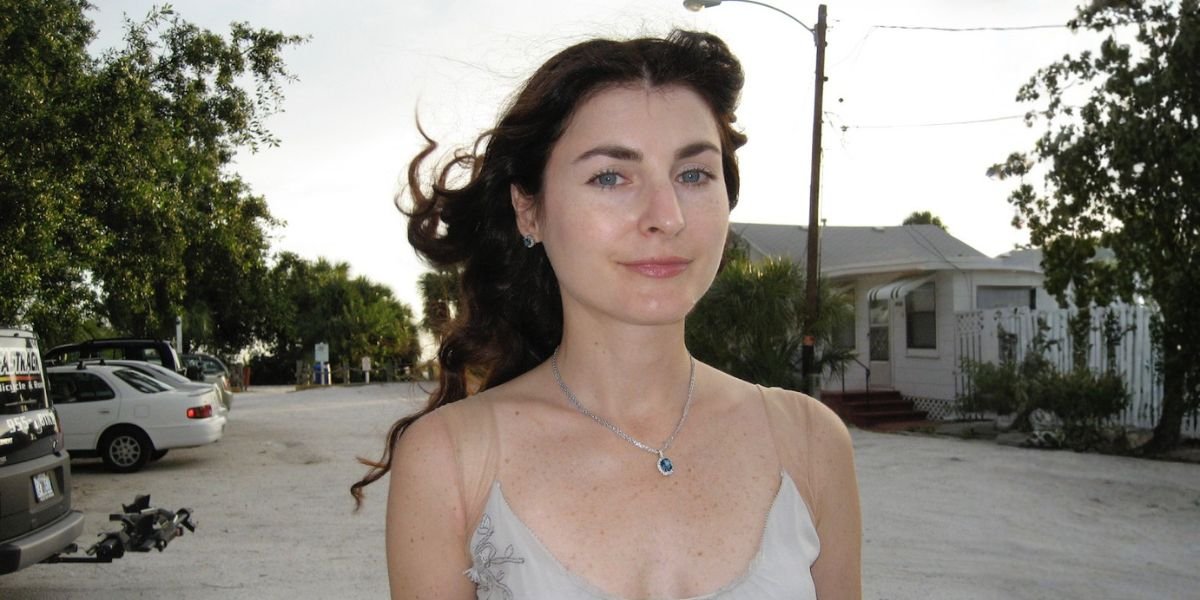
Jacqueline Pennewill Thinks Like a Filmmaker. Reading The Book of Eternity, You Can Feel It on Every Page.

By: Catalina Santorini

There’s a particular quality to the way Jacqueline Pennewill builds a scene. The way a location is introduced before a character speaks. The way atmosphere settles over a moment before anything happens in it. The way you feel the setting before you understand why it matters.

It isn’t accidental. Jacqueline has a background in filmmaking and storytelling, and she brought everything she knows about visual language directly into the writing of The Book of Eternity.

In filmmaking, she says, cinematography is the first character we see. It creates a feeling before any words are spoken. An image comes up on the screen and you immediately feel something from it. It sets the tone. She wanted to create on paper the same experience of walking into a world and feeling it before you understand it.

Every Location Is a Character

One of the most deliberate structural choices Jacqueline made was treating each location in the book as a character in its own right. Not just a backdrop. Not just a setting. A presence with its own personality and weight.

She describes the real Key that inspired Sleepy Key, the Florida setting of the novel, in terms that make clear why she chose it. The tiny roads. The overgrown trees. The houses that seemed to have their own histories. At one end, shacks with motorcycles parked out front. In the middle, grand hidden homes. At the far end, older buildings with vines crawling up their walls.

The whole place felt like something was bubbling underneath it. That tension, between what is visible and what is hidden, is the exact same tension that runs through the entire novel. The setting didn’t just inspire the story. It became part of its logic.

The Slow Burn She Believes In

Jacqueline has a clear philosophy about how character development works, both in storytelling and in life. She doesn’t believe people learn things about themselves overnight. Growth is gradual, she says. It takes time. And she carries that belief directly into her writing.

She likes what some readers call a slow burn. Characters placed in extraordinary circumstances who are forced to make difficult choices and discover through those choices who they really are. Not quickly. Not cleanly. Gradually, and with the kind of honesty that requires the reader to sit with a character through their uncertainty rather than arrive with them at a resolved conclusion.

Grey doesn’t transform in a single moment. She shifts, slowly, through accumulated choices and confrontations, until she is someone she couldn’t have recognized at the beginning of the story.

What She Wants to Haunt the Reader

Jacqueline describes what she loves most in the films and books she encounters. She loves when the characters continue to haunt her afterward. When she closes a book or leaves a cinema and carries the people she spent time with into the rest of her day and beyond.

That’s the experience she was deliberately trying to create in The Book of Eternity. Not just a story that engages while you’re inside it, but characters who stay with the reader after the last page. Who resurface in quiet moments. Who feel like people encountered rather than invented.

Zale especially. The character who wasn’t supposed to have a heart and developed one anyway. Jacqueline suspects he will be the one who stays longest.

If immersive, atmospheric storytelling that makes you feel a world before you understand it is what you read for, The Book of Eternity by Jacqueline Pennewill is available now on Amazon. Sleepy Key has a personality of its own. Step into it.

FEMME Art Fair Brings 100 Women Artists to Washington

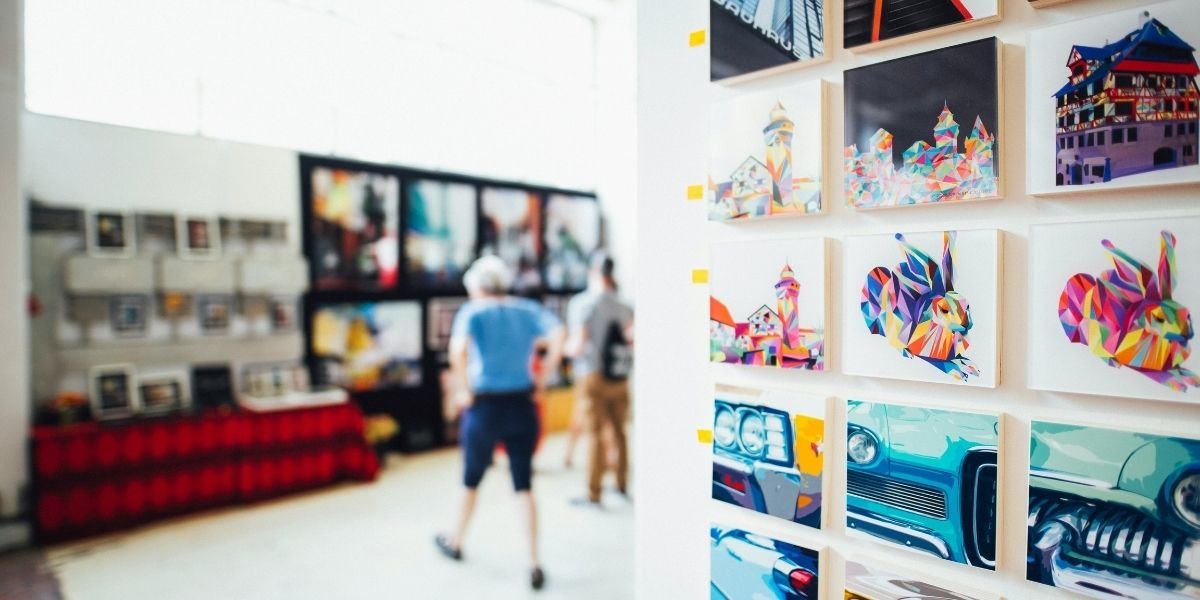
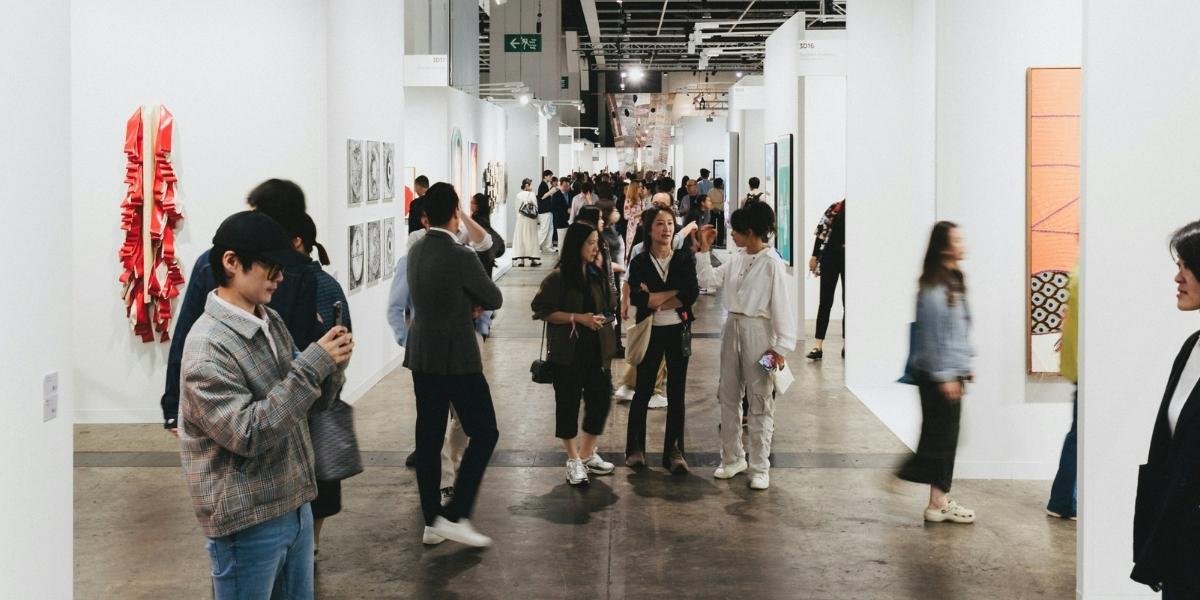
FEMME Art Fair is bringing more than 100 women artists to The Square in downtown Washington, D.C., from Aug. 27–30. Organized by USAN USAN and the Our Daughters’ Futures Fund, the four-day event combines exhibitions, workshops, discussions, book signings and direct artwork sales centered on women in the arts.

Key Takeaways

  • FEMME Art Fair runs Aug. 27–30 at The Square in downtown Washington, D.C.
  • More than 100 women artists are participating in the fair.
  • Organizers say 100% of artwork sales go directly to participating artists.
  • About 75% of exhibitors are from the Washington, D.C., Maryland and Virginia region.
  • The schedule includes workshops, book signings, discussions and a Guerrilla Girls mural unveiling.

FEMME Art Fair Brings More Than 100 Women Artists to D.C.

More than 100 women artists are participating in FEMME Art Fair at The Square in downtown Washington, D.C., as the event brings exhibitions and artist-focused activities together from Aug. 27–30.

The fair was organized by USAN USAN and the Our Daughters’ Futures Fund. Its schedule includes art exhibitions, workshops, book signings and discussions, alongside opportunities for visitors to purchase work directly from participating artists.

The event is centered on women artists and their work, with organizers also incorporating activities focused on the professional and business aspects of the arts.

About 75% of the exhibitors are from the Washington, D.C., Maryland and Virginia region. The regional participation gives the fair a substantial local component while bringing more than 100 women artists together in one downtown location.

Participating artists work across mediums that include painting, sculpture, fiber and interdisciplinary art. The range of work gives the event a format that extends beyond a single artistic medium or exhibition style.

The fair also includes an all-women DJ lineup, adding music to the exhibition schedule. The combination of visual art, discussions, workshops and other activities gives visitors several ways to engage with participating artists and their work.

The event adds to the range of recent coverage of women working across creative fields, including artists developing multidisciplinary practices such as multimedia art practices that combine several forms of visual expression.

The Square Hosts the Four-Day Women-Focused Art Fair

The Square in downtown Washington, D.C., is the central venue for the four-day event. FEMME Art Fair runs through Aug. 30, with activities scheduled across the duration of the fair.

The event’s schedule includes workshops and discussions in addition to exhibitions. Book signings are also part of the lineup, creating space for activities beyond artwork displays and sales.

The fair’s organizers have included sessions addressing the business side of art. That focus places the professional realities of creative work alongside the presentation of artwork.

FEMME Art Fair also features work by artists from the greater Washington region. With about three-quarters of exhibitors coming from D.C., Maryland or Virginia, local artists make up most of the participating group.

The event was created by USAN USAN and the Our Daughters’ Futures Fund. Their collaboration brings the fair’s exhibition, sales and educational activities under a women-focused arts initiative.

The schedule also includes participation from the Guerrilla Girls, an established feminist art collective. A Guerrilla Girls mural unveiling is planned at Union Market as part of the event’s activities.

The focus on women working in creative industries also parallels stories about women building careers in music, including independent music careers in fields where artists develop audiences and professional opportunities through their own work.

Artwork Sales Go Directly to Participating Artists

Artwork sales are a central part of FEMME Art Fair’s structure. Organizers say 100% of artwork sales go directly to the artists participating in the fair.

The sales model gives visitors an opportunity to purchase work from the artists represented at the event while directing those transactions to the participating creators.

For women artists, the fair combines public exhibition with direct sales rather than limiting participation to display space. The format places artwork purchases alongside workshops, discussions and other activities focused on the arts.

The event also connects creative work with professional development. Its schedule includes sessions addressing the business side of art, providing a setting where artistic work and the practical aspects of maintaining a creative career appear within the same event.

The participating artists represent multiple forms of visual art. Painting, sculpture, fiber and interdisciplinary work are among the areas represented at the fair, giving the sales and exhibition component a varied selection of work.

The direct-sales structure also distinguishes the commercial component of the event from a conventional exhibition in which visitors primarily view artwork. Visitors attending FEMME Art Fair can engage with the work while also having the opportunity to buy pieces from participating artists.

The business side of creative work is also relevant to women building independent ventures. Recent coverage has examined women-led creative businesses that combine creative services with independent ownership and business growth.

Regional Artists Make Up Most of the Exhibitor Lineup

Artists from the Washington, D.C., Maryland and Virginia region account for about 75% of the FEMME Art Fair exhibitor lineup.

The regional representation places local and nearby women artists at the center of the event while maintaining participation from artists beyond the immediate area.

The exhibitor group includes artists working in painting, sculpture, fiber and interdisciplinary practices. The range of mediums allows the fair to present different approaches to visual art within the same women-focused setting.

FEMME Art Fair Brings 100 Women Artists to Washington

Photo Credit: Unsplash.com

The regional makeup also connects the fair with the Washington area’s creative community. The event’s downtown location provides a central venue for the exhibitions, sales and scheduled activities.

The fair is organized around women artists rather than a single medium or artistic category. Its combination of local participation, exhibitions and direct sales gives participating artists several forms of engagement with visitors.

The event’s organizers have also incorporated activities beyond the sale and display of artwork. Workshops, discussions and book signings are included in the schedule, while the Guerrilla Girls mural unveiling extends the event to another Washington location.

The Union Market mural unveiling adds a public-art component to the fair’s activities. It is separate from the exhibitions and artwork sales taking place at The Square.

Workshops and Cultural Events Expand the Fair Schedule

FEMME Art Fair’s schedule extends beyond exhibitions and artwork sales through workshops, book signings and discussions.

The workshops provide an educational component within the four-day event. Discussions add sessions focused on the arts, while book signings give participating creators and visitors another activity connected to creative work.

The fair also includes an all-women DJ lineup. The music schedule adds live performance to an event otherwise centered on visual art, workshops and discussions.

The Guerrilla Girls are part of the cultural schedule through a mural unveiling at Union Market. The feminist art collective’s participation adds a public-art activity to the event’s exhibitions and sessions.

The combination of activities means the fair includes several formats for engaging with women in the arts. Visitors can view exhibitions, attend workshops and discussions, participate in book signings and purchase artwork directly from artists.

The event continues through Aug. 30 at The Square in downtown Washington, D.C. The schedule brings the participating artists, educational activities and sales opportunities together during the four-day fair.

Frequently Asked Questions

What is FEMME Art Fair?

FEMME Art Fair is a women-focused art fair in Washington, D.C., featuring more than 100 women artists. Its schedule includes exhibitions, workshops, discussions, book signings and artwork sales.

When is FEMME Art Fair in Washington, D.C.?

FEMME Art Fair runs from Aug. 27 through Aug. 30. The four-day event is being held at The Square in downtown Washington, D.C.

How many women artists are participating in FEMME Art Fair?

More than 100 women artists are participating. About 75% of the exhibitors are from the Washington, D.C., Maryland and Virginia region.

Where is FEMME Art Fair being held?

The main fair is being held at The Square in downtown Washington, D.C. A separate Guerrilla Girls mural unveiling is also scheduled at Union Market.

Do artwork sales go directly to the artists?

Organizers say 100% of artwork sales go directly to participating artists. The fair combines direct sales with exhibitions, workshops and other scheduled activities.