By: Rachel Carter
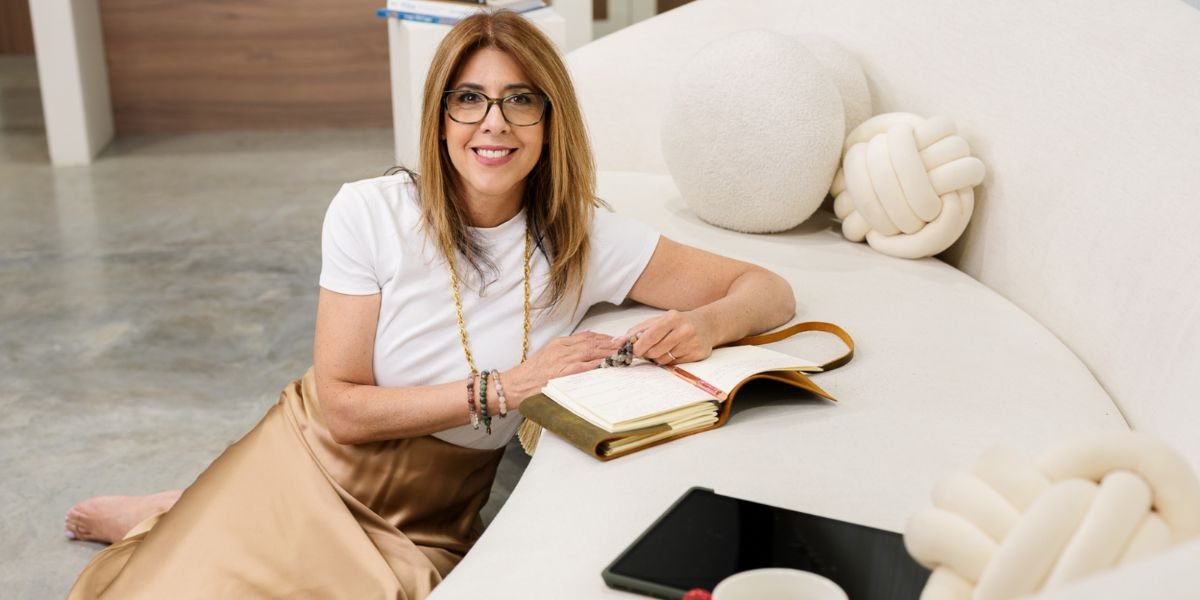
Ally Kayton, neonatal nurse practitioner turned mental health counselor, explains why listening may be the most overlooked part of women’s health care.
For more than 25 years, Kayton has cared for women and families during some of life’s most vulnerable moments. As a board-certified neonatal nurse practitioner, she supported parents facing high-risk pregnancies, premature births, lengthy NICU stays, and unimaginable loss.
Over time, she began noticing a pattern that extended far beyond the hospital walls. Many women were being told they were fine when they clearly did not feel fine.
Whether they were struggling with anxiety, exhaustion, hormonal changes, or the lingering effects of trauma, many felt unheard or left to navigate their symptoms alone.
Today, as the founder of Sage & Stone Holistic Counseling & Integrative Health, Kayton has built her practice around a simple but powerful belief: healing begins when women feel heard.
When “Normal” Doesn’t Feel Normal
Many women arrive at appointments hoping for answers. Instead, they often leave with reassurance that everything looks normal.
Their lab work may be within range. Their symptoms may not fit neatly into a diagnosis. Yet they still feel unlike themselves.
They are exhausted despite getting enough sleep. They struggle with anxiety that seems to appear out of nowhere. Deep down, they know something feels off, even when they cannot put it into words.
The challenge is that many women spend years questioning themselves before someone finally takes the time to listen.
Kayton said, “One of the most common things I hear from women is that they’ve been told everything looks normal, yet they still don’t feel like themselves. When a woman is struggling, I believe it’s important to listen to her experience, not just her lab work.”
For many women, these symptoms are dismissed as stress, aging, motherhood, or simply having too much on their plate. While those factors certainly matter, Kayton believes symptoms often deserve a deeper conversation.
Rather than viewing symptoms as inconveniences to be managed, she encourages women to see them as messages that may point to underlying imbalances involving hormones, chronic stress, nutrition, nervous system dysregulation, or emotional well-being.
What 25 Years In Health Care Taught Me About Women’s Health
For more than 25 years, Ally Kayton has worked at the intersection of maternal and neonatal health, supporting women through some of life’s most challenging and transformative experiences. As a board-certified neonatal nurse practitioner, she cared for patients navigating high-risk pregnancies, premature birth, postpartum complications, grief, and loss.
Throughout her career, Kayton witnessed something that would eventually shape the future of her work. Many women continued to struggle long after a medical event had passed. They were managing anxiety, exhaustion, chronic stress, and emotional overwhelm, yet many felt their concerns were minimized or overlooked.
Kayton said, “My years in neonatal medicine taught me that healing is never just physical. What people experience emotionally can influence every aspect of their wellbeing long after the immediate crisis is over.”
The more she listened, the more she realized that symptoms rarely exist in isolation. Mental health, hormones, stress, lifestyle, and nervous system regulation are deeply interconnected, yet traditional health care often addresses them separately.
Those observations inspired Kayton to expand her expertise beyond neonatal medicine. She earned a Doctor of Nursing Practice and a Master’s degree in Clinical Mental Health Counseling and later became credentialed as an Integrative Health Practitioner Level 1 and Level 2. The additional training allows her to identify root causes and mind-body patterns that are often missed when symptoms are treated individually rather than collectively.
In 2026, Kayton expanded Sage & Stone Holistic Counseling & Integrative Health to address what she saw as a significant gap in women’s care: the need for a more comprehensive approach that brings emotional wellness, nervous system regulation, and integrative health support together under one roof.
Why Listening Is One Of The Most Powerful Forms Of Care
After more than 25 years in health care, Kayton has come to believe that one of the most important aspects of healing is also one of the most overlooked: listening.
Many women spend years searching for answers while feeling dismissed, misunderstood, or told their symptoms are simply part of life.
Kayton explained, “Healing happens when women feel heard. When someone feels safe enough to share their story without judgment, that’s often where meaningful change begins.”
Moving Beyond Symptoms And Toward Whole-Person Healing
Those experiences ultimately inspired Kayton to create Sage & Stone Holistic Counseling & Integrative Health.
Rather than focusing on a single symptom or diagnosis, her approach recognizes the connection between emotional well-being, hormones, chronic stress, lifestyle, and nervous system health.
Kayton said, “Symptoms are messages, not inconveniences. Instead of asking how we can silence a symptom, I believe we should ask what the body may be trying to tell us.”
For women who have spent years caring for everyone around them, that shift can be powerful. It moves the focus away from simply getting through the day and toward understanding what is needed to truly heal.
Kayton shared, “We spend so much of our lives caring for others. My hope is that women realize they deserve that same level of care, compassion, and attention for themselves.”
To learn more about Ally Kayton and Sage & Stone Holistic Counseling & Integrative Health, visit the Sage & Stone Holistic Counseling website. Readers can also explore the Sage & Stone blog for insights on women’s wellness, emotional healing, and whole-person care.
Disclaimer: This article is for informational and educational purposes only and does not provide medical, mental health, or professional healthcare advice. The information shared should not be used as a substitute for diagnosis, treatment, therapy, or guidance from a licensed medical or mental health professional. Readers experiencing physical, emotional, or mental health concerns should consult a qualified healthcare provider. Any references to holistic counseling, integrative health, or wellness practices are not intended to guarantee specific results or outcomes.