Many women today are not simply busy. They are managing an invisible layer of constant decision-making that stretches across nearly every part of life.
It shows up in overflowing calendars, crowded closets, unfinished home projects, unread notifications, and the mental tabs that never fully close. Even the smallest responsibilities can begin to feel heavier when they accumulate without intention. For high-capacity women balancing careers, motherhood, relationships, caregiving, and personal responsibilities, the exhaustion is often less about one major problem and more about the ongoing weight of managing too much at once.
Lauren Craddock believes that much of this overwhelm has been normalized.
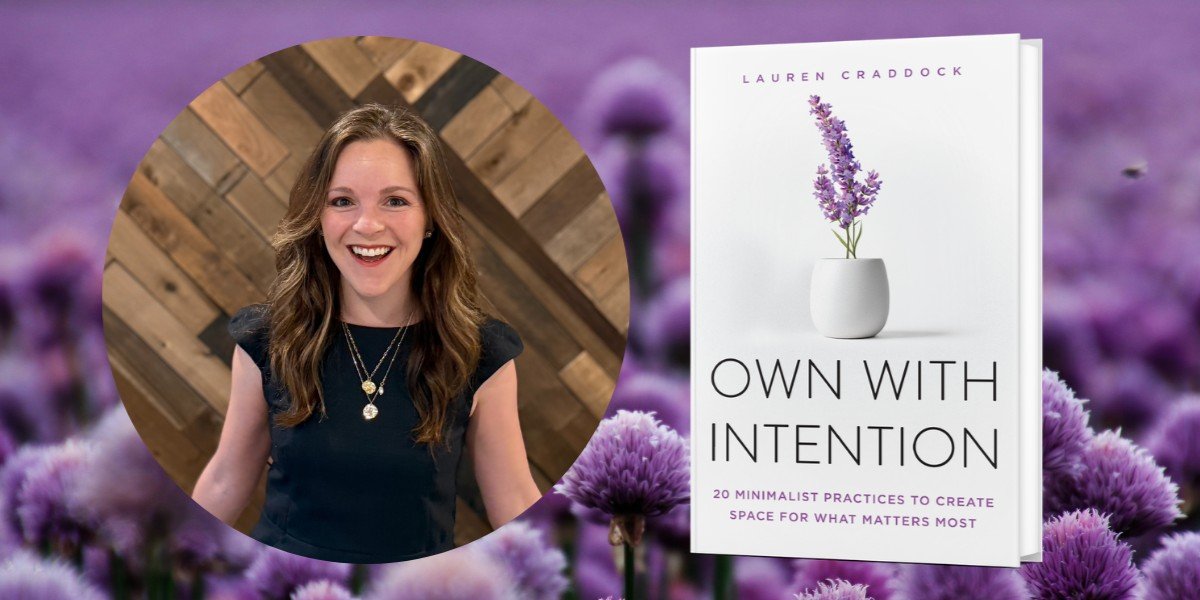
As a teacher, mother of three, minimalist coach, and author of Own with Intention: 20 Minimalist Practices to Create Space for What Matters Most, Craddock approaches minimalism differently than many traditional narratives surrounding the topic. Rather than framing it as a rigid lifestyle centered on owning as little as possible, she teaches minimalism as a practical way to reclaim capacity.
For many women, that distinction matters.
The Hidden Cost of Over-Managing Life
Minimalism is often reduced to visual aesthetics or organizational trends, but Craddock believes the deeper issue is what people are continually being asked to manage.
Every item owned requires some level of attention. Every unnecessary commitment occupies mental space. Every system that lacks intentionality creates friction inside daily life. Over time, the accumulation of physical, emotional, and logistical clutter can leave women operating in a near-constant state of reaction.
Craddock speaks openly about her own experience with this dynamic. Before simplifying her life, she found herself overwhelmed not only by the physical maintenance of her home, but also by the emotional strain of constantly feeling behind. The issue was not laziness or lack of discipline. It was the reality of trying to manage more than her capacity realistically allowed.
That perspective now shapes the work she does with clients and readers.
Instead of encouraging perfection, she helps women examine what truly belongs in their lives and what has simply been inherited through habit, expectation, or social pressure.
Why Minimalism Looks Different in Real Life
One reason many women resist minimalism is because they associate it with extreme rules or unrealistic standards. Images of empty white spaces and highly curated lifestyles can make the concept feel disconnected from everyday life, especially for women raising families or managing demanding schedules.
Craddock intentionally moves away from that framing.
Her philosophy centers less on restriction and more on alignment. The goal is not to own the fewest items possible. The goal is to create a life where responsibilities, possessions, and commitments support what matters most rather than compete with it.
That often begins with smaller, practical shifts.
It may look like reducing duplicate responsibilities inside the home, simplifying routines that no longer serve the family, or becoming more intentional about purchases that eventually require maintenance, storage, cleaning, or emotional energy. It can also involve rethinking how women spend their attention and whether constant accessibility has eroded their sense of peace.
The process is rarely about dramatic overnight change. More often, it is about slowly reducing the noise that keeps people disconnected from the life they actually want to experience.
Creating Space for What Matters Most
Craddock’s work resonates with women because it acknowledges a reality many quietly feel but struggle to articulate: capacity is not infinite.
High-capacity women are often praised for how much they can handle, but rarely encouraged to question whether they should continue handling all of it. Minimalism, in her view, creates an opportunity to pause and reevaluate what is consuming time, energy, space, and attention.
That shift can affect far more than a home environment.
When women reduce unnecessary management, they often create more room for presence within their relationships, greater clarity in decision-making, and more intentional engagement with the work and responsibilities that genuinely matter to them. The external changes may appear simple, but the internal effect can feel significant.
Through Own with Intention, Craddock encourages readers to approach minimalism not as deprivation, but as discernment. The practices inside the book are designed to help readers make realistic, sustainable changes that fit within full and demanding lives rather than requiring people to escape them.
In a culture that frequently rewards excess, urgency, and constant accumulation, her message offers an alternative perspective: that creating space for what matters most allows people to live, lead, and choose with greater intention.
Learn More
Lauren Craddock is the author of Own with Intention: 20 Minimalist Practices to Create Space for What Matters Most and founder of Own With Intention, where she helps women create practical systems and mindset shifts that support a more intentional life.
Website: www.ownwithintention.com
Instagram: @ownwithintention
Facebook: Own With Intention
LinkedIn: Lauren Craddock