Why the Traditional Baby Shower Aesthetic Doesn’t Fit How Women Are Hosting Now
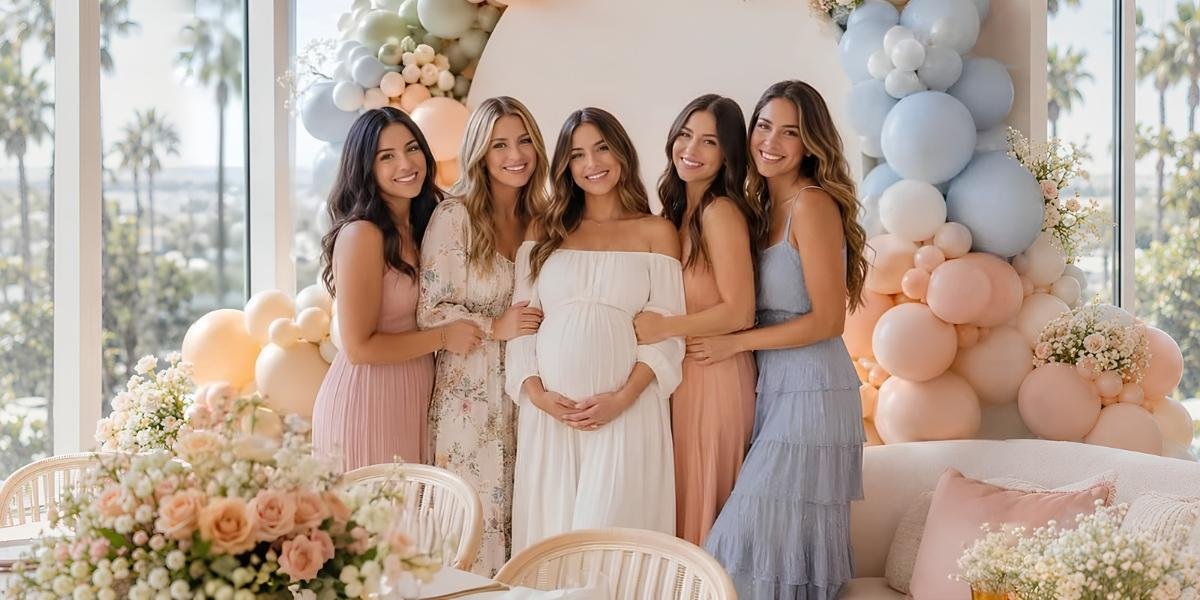
She’s spent the last few years rethinking almost everything else, her diet, her home, how she actually wants to spend a Saturday. Then she opens a folder of baby shower inspiration and lands right back in a sugar-bright explosion of balloon bouquets and confetti tablescapes. Nothing about it matches how she actually wants to feel that day. That disconnect is becoming harder to ignore for wellness-focused baby shower planning specifically, and it’s showing up in what women are actually asking for when they book a venue or a decorator. Because the aesthetic most showers default to wasn’t really built around how a room feels to sit in for three hours. It was built to photograph well for fifteen minutes. And a search for wellness baby shower ideas used to turn up mostly spa-day gift guides. Now it increasingly turns up something closer to a design philosophy, one built around calm instead of spectacle. That’s the real appeal, not the aesthetic itself, but permission to want something calmer.
What “Wellness-Focused” Actually Means in Baby Shower Design
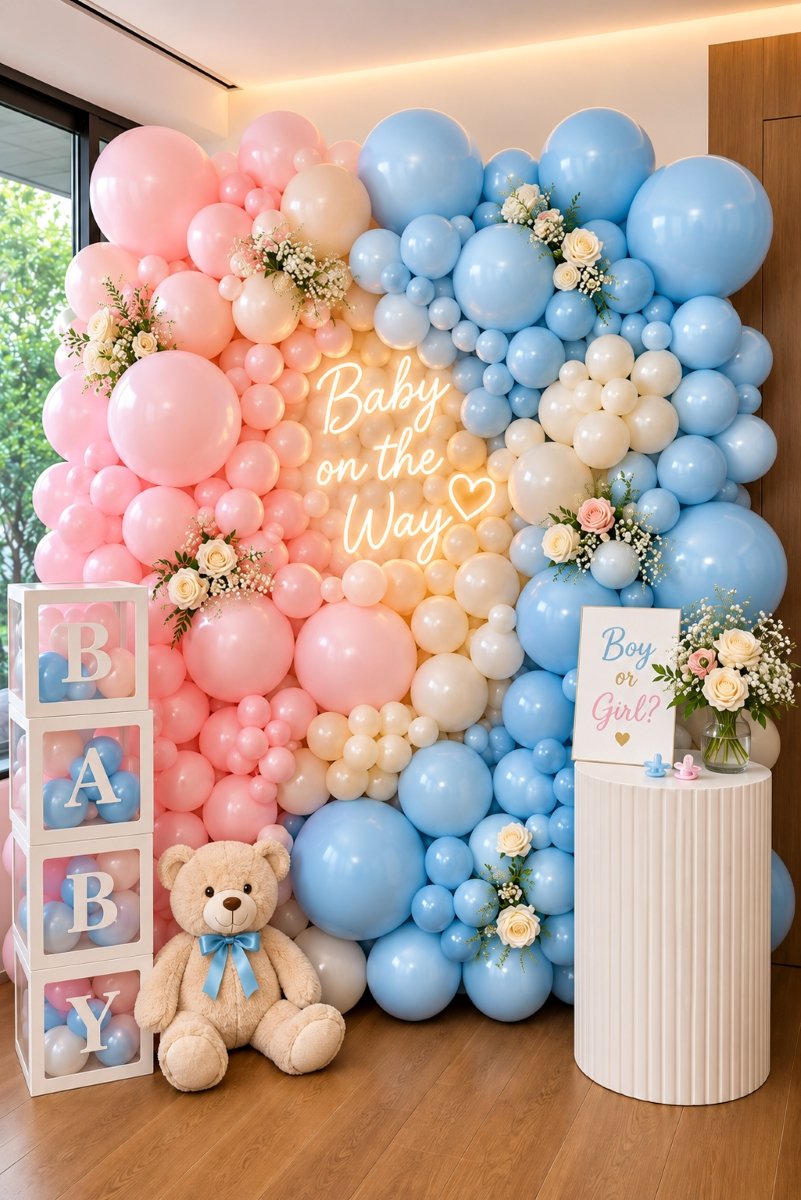
A wellness-focused baby shower isn’t just soft lighting and a wellness playlist. And it’s a full rethink of what actually goes into the room, starting with a muted color palette baby shower hosts are now choosing deliberately, sage and clay and warm cream instead of primary-bright pink and blue. Natural materials show up more too, wood, linen, dried botanicals, in place of glossy foil and plastic. One event-planning resource points to neutral palettes paired with natural textures like wood and linen as a way to make a room feel warmer and more welcoming, which is exactly the effect hosts are now chasing on purpose. Sean Edwards, Founder of The Balloon Guy, has watched this shift happen gradually over the past several years. “People used to want as much color as the room could hold,” Edwards said. “Now they ask what to leave out, which colors actually calm a room down.” So that restraint is deliberate. It’s the room’s whole design logic now, not just what’s missing from it.
How the Redesign Shows Up in Balloon and Decor Choices
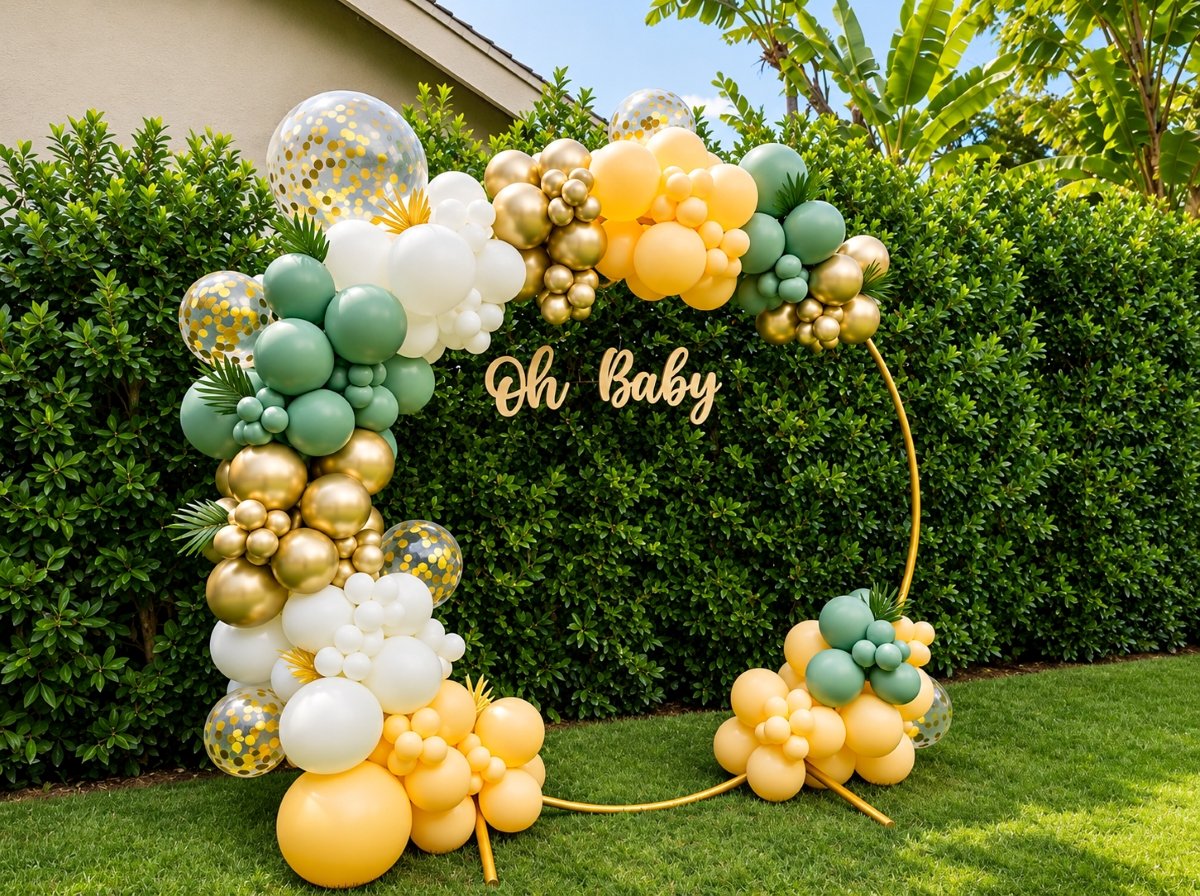
That same restraint shapes balloon styling specifically, and it’s where the shift becomes most visible in the room. Instead of a dense bouquet of primary-color balloons clustered near the gift table, calming baby shower decor now favors a single organic garland in two or three tonal shades, sage into cream into a soft terracotta, draped loosely rather than packed tight. The shapes read as intentional, almost sculptural, instead of like leftover party supplies. Finishes matter just as much as shape. A matte, botanical texture reads as considered in a way a glossy standard balloon simply doesn’t. The Balloon Guy, a Los Angeles studio that builds installations around a specific palette rather than a standard color kit, has leaned into that shift as more Southern California hosts request it. A garland built this way still photographs well. But that was never really the point of changing it. What changes is how the room feels to actually stand in for two hours, less visually loud, easier to hold a conversation in front of, calmer simply to look at.
Why Hosts Are Prioritizing Guest Comfort Over Spectacle
Spectacle photographs well for the fifteen seconds someone spends scrolling past it online. But comfort is what everyone actually feels for the two or three hours they’re standing in the room. That’s a different design problem entirely, and it’s the one wellness-focused hosts are increasingly solving for first. A room can look stunning and still feel exhausting to sit in. A packed, saturated color scheme can genuinely feel more closed-in than an open, breathable one, which is part of why muted palettes read as more comfortable to guests, not just prettier in photos. One color-psychology resource explains that a pale, desaturated blue reads as open and expansive in a way the same hue at full saturation does not, and that same logic carries directly into an event space. Edwards has seen hosts make that tradeoff deliberately. “A saturated, maxed-out palette can genuinely start to feel loud after an hour in the room,” Edwards said. “Guests don’t always know why a space feels calming, but they notice when it doesn’t.” That’s the whole point of designing for comfort instead of spectacle.
What This Redesign Says About How Women Are Hosting Now
None of this is really about rejecting celebration, and it was never about stripping a baby shower down to nothing. It’s simply a different definition of what makes a celebration feel generous. It comes down to form, palette, and material working together, and whether the room actually supports how guests feel while they’re in it, not just how many balloons fill the frame. So that’s worth asking a decorator directly, how will this space actually feel to sit in for a few hours, not just how it photographs. Edwards has spent more than fifteen years watching what people ask for shift, and that history shapes how deliberately a room gets built around calm rather than sheer color volume today. A wellness-focused baby shower that still feels genuinely celebratory by the end of the afternoon, not loud, not overstyled, is usually the one where somebody thought about comfort before they thought about the photo.