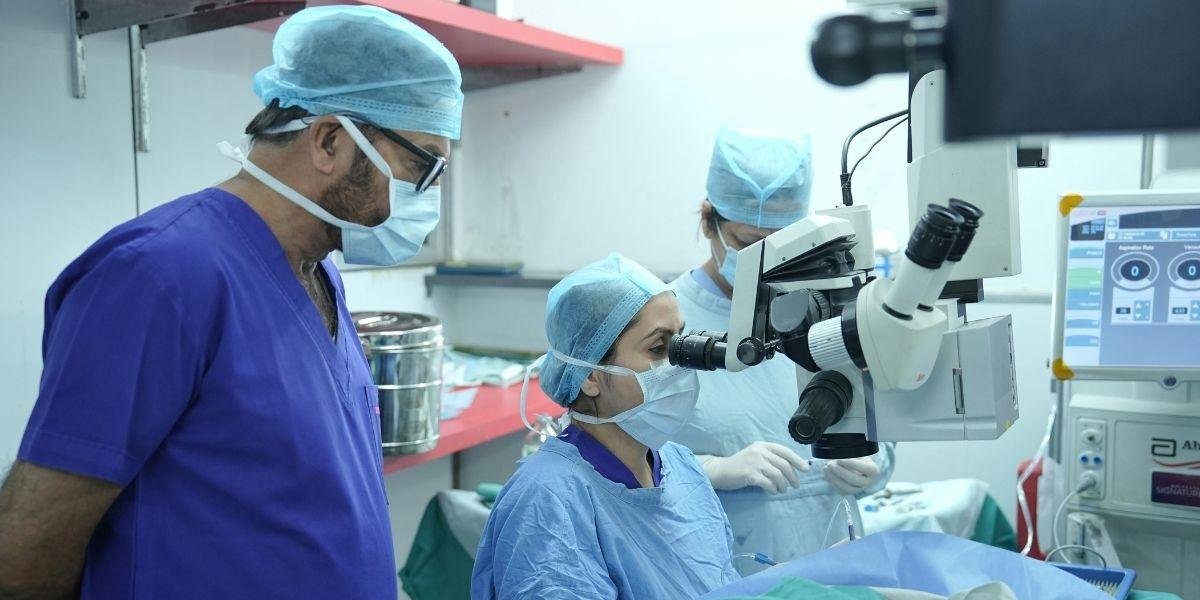
Returning to normal activities after surgery is rarely a single clear moment. Most patients want to know when they can drive, work, exercise, cook, clean, travel, or care for family without slowing their recovery. The answer depends on the type of surgery, the healing area, the patient’s general health, and the instructions given by the surgical team. Some people feel better within days, while others need several weeks before their body feels steady again.
A safe return to daily life requires more than judging pain levels. Swelling, fatigue, wound healing, vision stability, medication effects, and physical strength all influence when regular routines can resume. In eye-related procedures, for example, a patient may notice clearer vision before the eye has fully healed. That can create false confidence. Recovery works best when patients follow a gradual plan instead of rushing back into every task at once.
Which Guide Helps You Understand When Normal Activities Can Resume?
Patients often ask when they can return to work, restart exercise, drive a vehicle, travel, or manage household responsibilities without risking their healing progress. The challenge is that recovery does not occur all at once. Surgical wounds heal in stages, swelling decreases gradually, and strength returns according to a schedule that varies by procedure and individual health factors. Anyone trying to understand these milestones should review a comprehensive recovery timeline after surgery before making decisions about activity levels and daily routines.
A structured timeline explains what typically happens during the first days, weeks, and months following an operation. Early recovery often focuses on rest, medication adherence, wound care, and complication prevention. As healing progresses, patients generally regain mobility, increase physical activity, and resume professional responsibilities under medical guidance. Follow-up appointments help surgeons evaluate healing, adjust recommendations, and identify issues before they become significant setbacks. Recovery milestones also provide realistic expectations, reducing uncertainty about symptoms such as soreness, fatigue, stiffness, or temporary limitations in movement. Understanding these stages allows patients to balance caution with progress rather than returning to demanding activities too soon. A reliable timeline connects healing goals with practical decisions, helping patients protect surgical results while steadily moving back toward normal daily life.
Why Recovery Should Be Gradual
The body repairs itself in layers. During the first stage, the priority is protection. The surgical site may be sensitive, inflamed, or vulnerable to pressure and contamination. During the next stage, symptoms usually become easier to manage, but the tissue may still be rebuilding strength. Later, patients often feel more capable, yet certain activities may still need limits until the surgeon confirms that healing is stable.
This gradual process is especially important after procedures involving delicate areas such as the eyes. Vision may improve before the eye has fully recovered, and that improvement can tempt patients to drive, bend, lift, or exercise too soon. A steady return prevents the recovery period from turning into a tug-of-war between enthusiasm and biology. Healing has its own timetable, and it does not always accept calendar invitations.
Returning to Work After Surgery
Work timelines vary widely. A person with a desk job may return sooner than someone whose work involves lifting, bending, machinery, dust, or long hours of physical effort. After many minor procedures, patients may be able to resume light professional tasks within a short period, but physically demanding work often requires more time. The safest approach is to ask the surgeon which duties are acceptable and which should be delayed.
Office Work and Screen Use
Office work may seem low-risk, but it can still cause fatigue, dryness, eye strain, or posture-related discomfort depending on the procedure. Patients recovering from eye surgery may need to limit long screen sessions at first, take breaks, use prescribed drops as directed, and avoid environments with bright glare or dust. Returning part-time or with modified duties can help the body re-enter work life without being shoved back into the machinery too quickly.
Driving Should Wait Until Clearance
Driving requires clear vision, quick reaction time, comfort with head movement, and freedom from medication side effects. Patients should not drive immediately after surgery unless their surgeon specifically allows it. Anesthesia, sedatives, eye dilation, blurred vision, discomfort, or reduced depth perception can make driving unsafe. Even when a patient feels alert, medical clearance matters because the body may still be adjusting.
For eye procedures, driving decisions are closely linked to visual stability. Patients may need to wait until a follow-up visit confirms that vision is safe for the road. Night driving may take longer because glare and halos can be more noticeable during recovery. It is better to arrange transportation early than to discover, keys in hand, that the eyes are not yet ready to negotiate traffic.
Exercise and Physical Activity
Exercise is usually restarted in stages. Light walking is often encouraged because it supports circulation and reduces stiffness. However, running, weightlifting, swimming, contact sports, intense cycling, and high-impact workouts usually need more time. Strenuous movement can increase pressure, disturb healing tissue, worsen swelling, or raise the risk of injury. Patients should avoid using general fitness motivation as a substitute for medical instructions.
The same principle appears across modern surgical care, where improved techniques often allow faster mobility while still requiring careful recovery management. Developments in laser-based procedures, including the kind of innovation discussed in relation to laser eye surgery advancements, show how surgical methods can become more refined while aftercare remains essential. A smoother procedure does not remove the need for responsible healing habits.
Household Tasks and Daily Responsibilities
Household tasks often create hidden recovery risks. Bending to pick up laundry, lifting grocery bags, scrubbing floors, cleaning dusty shelves, or carrying children can place strain on the body. After eye surgery, exposure to dust, water splashes, cleaning sprays, or accidental pressure around the face may also be a concern. Patients should simplify daily routines before surgery when possible, placing important items within easy reach and arranging help for heavier chores.
Cooking, Cleaning, and Personal Care
Light cooking may be manageable for many patients, but steam, smoke, bending, and lifting heavy pans can be troublesome depending on the surgery. Cleaning should be approached carefully because dust and chemical fumes can irritate healing areas. Showering and personal care may also require caution if the surgical site must stay dry or protected. Small adjustments, such as using gentle movements and avoiding sudden bending, can protect recovery without turning the home into a museum exhibit.
Travel After Surgery
Travel should be discussed with the surgeon, especially if it involves flying, long car rides, remote locations, or limited access to medical care. Patients may need follow-up appointments during the early recovery period, and traveling too soon can make it harder to manage complications if they appear. Long trips can also increase fatigue and disrupt medication schedules. For eye procedures, patients may need to avoid dusty environments, swimming, or intense sunlight during early healing.
Understanding Different Types of Eye Surgery
Recovery instructions can differ greatly between procedures, which is why patients should avoid copying advice from someone else’s experience. Cataract surgery, LASIK, glaucoma surgery, retinal procedures, and corneal treatments each have their own healing patterns and restrictions. Patients who want broader context can review information about common types of eye surgery to better understand why recovery guidance is not identical across every procedure.
Eye Surgery Today
Eye Surgery Today focuses on clear, patient-friendly education for people trying to understand eye procedures and recovery expectations. For patients preparing for cataract surgery or managing the healing period afterward, practical guidance can make the process feel less uncertain. Reliable educational content helps patients ask better questions, follow aftercare instructions more confidently, and understand why restrictions matter even when symptoms appear mild.
The value of this type of resource is not only in explaining surgery, but in connecting medical guidance to everyday decisions. Patients need to know what recovery means when they are standing in a kitchen, preparing for work, planning transportation, or wondering whether a short walk is safe. Clear information supports better conversations with the eye care team and helps patients avoid preventable setbacks.
Planning a Safe Return to Your Routine
Normal activities can usually resume gradually after surgery, but the exact timing depends on the procedure, the patient’s health, and the surgeon’s instructions. Work, driving, exercise, travel, household chores, and personal care should all be restarted with caution rather than guesswork. Feeling better is encouraging, but it does not always mean the body is fully healed.
The safest recovery plan is structured, realistic, and guided by follow-up care. Patients should protect the surgical area, take medications as directed, avoid unnecessary strain, and ask before returning to demanding activities. A careful timeline does not slow life down forever. It simply gives healing enough room to finish its quiet, important work before normal routines return at full strength.
Disclaimer: The information in this article is intended for general educational purposes only and does not constitute medical advice. It is not a substitute for professional diagnosis, treatment, or guidance from a qualified healthcare provider. Recovery timelines and activity restrictions vary by individual and procedure. Always follow the specific instructions of your surgeon or care team, and consult them before resuming any activity after surgery.