By: Lennard James
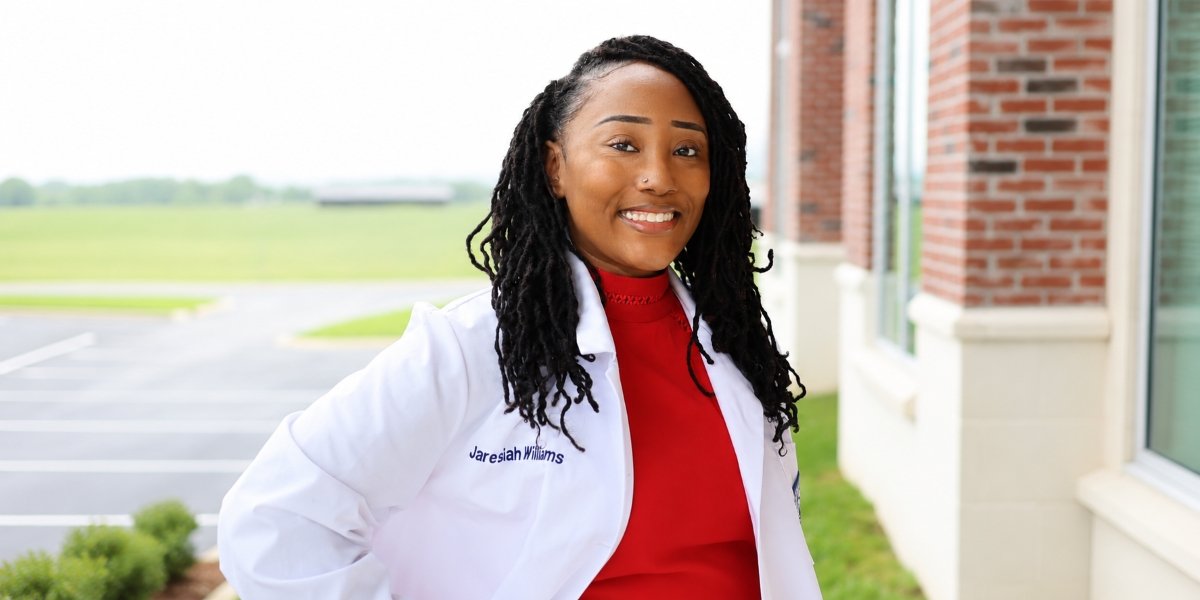
Every meaningful professional journey begins with a sense of purpose. For Dr. Jaresiah Williams, that purpose has developed into a career devoted to protecting animals, educating communities, and expanding her knowledge of both companion-animal care and wildlife medicine.
After years of demanding study, clinical training, hands-on experience, and international learning, Dr. Williams is reaching an important milestone. A 2026 graduate of the Richard A. Gillespie College of Veterinary Medicine at Lincoln Memorial University, she is now joining the professional team at Utopia Animal Hospital in Memphis.
Her arrival at Utopia represents more than the beginning of a new position. It is the next chapter in a journey shaped by discipline, compassion, intellectual curiosity, and a desire to make a meaningful difference in the lives of animals and the people who care for them.
Becoming a veterinarian requires years of preparation and sacrifice. Veterinary students must develop an extensive understanding of animal anatomy, physiology, disease prevention, diagnostics, pharmacology, surgery, and clinical treatment. They must also learn how to communicate with pet owners who depend on them for guidance, reassurance, and honest answers during emotional moments.
Dr. Williams completed that demanding process at Lincoln Memorial University, where the Doctor of Veterinary Medicine program emphasizes diagnosing, preventing, and treating animal diseases. The program combines classroom instruction with clinical immersion and practical experience, preparing its graduates for the many responsibilities that come with caring for animals.
Throughout her education, Dr. Williams developed the clinical foundation needed to serve household pets. However, her interests also began extending beyond traditional companion-animal medicine. She became increasingly interested in wildlife and zoo medicine, a specialized area that brings veterinary care together with conservation, environmental health, research, and the protection of vulnerable species.
Determined to broaden her experience, Dr. Williams traveled to Johannesburg, South Africa, for a three-week veterinary externship during the summer. The international opportunity became an important part of her educational and professional development.
In South Africa, she was introduced to veterinary medicine from an entirely different perspective. Instead of focusing only on animals commonly treated in neighborhood hospitals, she learned about the medical needs and conservation challenges facing some of the world’s most recognizable wildlife species.
Her lectures included discussions about protecting rhinoceroses and elephants living on reserves. She studied the vital role veterinarians play in conserving these animals while also addressing their medical needs. The experience helped her see how veterinary professionals, conservationists, reserve personnel, researchers, and local communities work together to support wildlife populations.
Caring for wildlife requires more than treating an injury or diagnosing an illness. It can involve monitoring animals in large natural environments, understanding their behavior, studying disease patterns, responding to habitat-related challenges, and assisting with conservation initiatives.
Dr. Williams’s externship helped her recognize how closely animal health is connected to environmental well-being. It also strengthened her understanding of the veterinarian’s role as a medical professional, advocate, educator, and protector.
Traveling to Johannesburg required Dr. Williams to move beyond familiar surroundings and embrace a new culture, environment, and approach to animal care. That willingness to learn through experience reflects the determination that has guided her journey.
The lessons she gained in South Africa will remain valuable as she begins serving animals and families in Memphis. Although treating a household pet is different from caring for a rhinoceros or elephant, the fundamental qualities of veterinary medicine remain consistent: careful observation, compassion, patience, scientific knowledge, sound judgment, and respect for every animal.
Dr. Williams will now bring those qualities to Utopia Animal Hospital, a full-service Memphis veterinary practice offering examinations, vaccinations, surgery, diagnostic imaging, grooming, and other essential services. Located in Memphis, Tennessee, the hospital provides care for pets while helping owners make informed decisions about their animals’ health.
Joining Utopia will allow Dr. Williams to apply the knowledge and skills she developed throughout veterinary school while gaining additional experience in a professional clinical environment. She will have opportunities to build relationships with pet owners, collaborate with experienced veterinary professionals, and contribute to animal health throughout the Memphis community.
This new position also provides a foundation from which she can continue developing her interests in wildlife and zoo medicine. Her long-term journey may include additional training, conservation programs, wildlife reserves, zoological institutions, research initiatives, or future international assignments.
For now, Dr. Williams is beginning her career at home by serving the families and animals who depend on Utopia Animal Hospital. Her journey demonstrates that veterinary medicine can reach far beyond the walls of an examination room. It can connect a Memphis animal hospital to a South African wildlife reserve and unite local service with global conservation.
As Dr. Jaresiah Williams joins Utopia Animal Hospital, she carries with her the knowledge earned through years of study, the perspective gained through international experience, and the compassion that inspired her career.
Her graduation is an achievement worth celebrating, but it is not the conclusion of her story. It is the beginning of a promising new chapter one that will allow her to care for animals, support families, continue learning, and build a professional legacy that reaches from Memphis to the wider world.