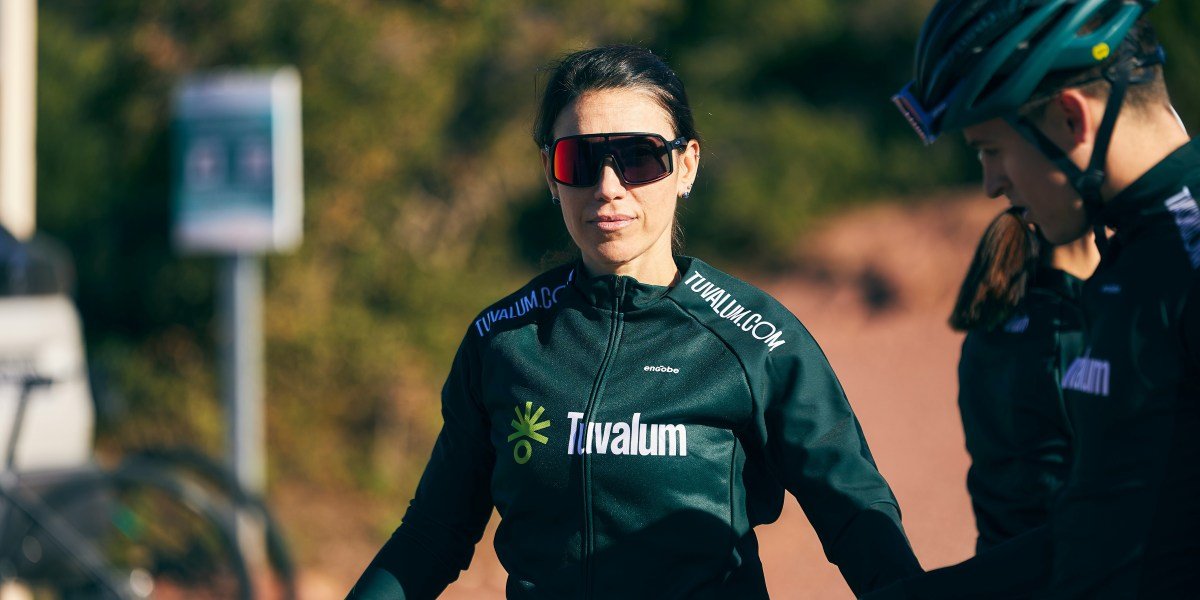
Cycling is being recognized not only as a form of exercise but also as a public health and climate solution. Jill Warren, Chief Executive Officer of the European Cyclists’ Federation (ECF), has been a leading voice in promoting cycling as a way to improve wellness while addressing environmental challenges. Her leadership highlights how women are shaping wellness and sustainability movements, with cycling promoted as both a fitness trend and a community health initiative.
A large prospective study published in the British Medical Journal (BMJ) found that people who commute by bicycle have a significantly lower risk of cardiovascular disease, cancer, and premature death compared with those who use non‑active modes of transport. These findings reinforce Warren’s advocacy, which frames cycling as a tool for healthier communities and more sustainable cities.
Cycling as a Public Health Solution
The BMJ study, which followed more than 260,000 participants in the UK, showed that cycle commuting was associated with a 41 percent lower risk of dying from all causes and a 45 percent lower risk of developing cancer. It also found that cycling reduced the risk of cardiovascular disease by more than half.
Jill Warren has emphasized that cycling is not only about individual fitness but also about collective health. In her remarks at the ITF Summit, she explained that cycling reduces healthcare costs by preventing chronic disease and encourages active lifestyles that benefit entire populations. By framing cycling as preventive healthcare, Warren connects personal wellness with broader public health outcomes.
Women Leaders Driving Wellness and Sustainability
Warren’s leadership at the European Cyclists’ Federation demonstrates how women are shaping global wellness and sustainability agendas. Under her direction, the ECF has influenced major policy initiatives, including the European Declaration on Cycling, which recognizes cycling as a key tool for reducing emissions and improving public health.
Her advocacy also extends to international forums. Through the Partnership for Active Travel and Health, Warren has urged governments to include cycling in their climate commitments. This approach links wellness for women and communities with global sustainability goals, showing how leadership in one sector can influence multiple areas of policy and daily life.
Cycling as a Lifestyle and Community Trend
Cycling is also becoming a lifestyle choice that blends fitness with social connection. Cities that invest in cycling infrastructure often see higher participation rates, which in turn creates safer and more welcoming environments for women and families.
Warren has pointed to examples such as Ghent, Belgium, where political support for cycling has led to reduced emissions and improved quality of life. In her interview with Zag Daily, she noted that cities don’t need massive budgets to make progress. Simple measures like bike lanes, traffic calming, and safe intersections can quickly encourage more people to cycle.
For women, cycling offers both independence and community. It provides a reliable form of transport, a way to integrate exercise into daily routines, and a chance to participate in group rides that build social support. These lifestyle benefits reinforce the idea that cycling is not just about fitness but about belonging and connection.
Long‑Term Impact on Wellness and Climate
The long‑term impact of cycling extends beyond individual health. The BMJ study shows that cycling reduces the risk of chronic disease and premature death, while also lowering greenhouse gas emissions and contributing to more livable cities. These outcomes align with Warren’s advocacy, which positions cycling as a dual solution for wellness and climate challenges.
Her leadership also reflects a broader trend of women executives driving change in health and sustainability. By promoting cycling as both a personal habit and a policy priority, Warren demonstrates how women leaders can influence cultural norms, government action, and community health outcomes.
The message is clear: cycling is more than a mode of transport. It is a practical, accessible, and sustainable way to improve wellness for women and communities while addressing some of the most pressing health and environmental challenges of our time.