
Most people learn how to survive long before they learn how to live. They meet deadlines, build careers, raise families, and keep moving, often without noticing how much of that momentum is a response to old pain. Dr. Mahsa Khodabakhsh has spent nearly two decades studying that gap between surviving and living. Her message is a plain one. Healing is less about becoming someone new and more about remembering the self that existed before the pain took hold.
When Success Doesn’t Feel Like Enough
Achievement and fulfillment are not the same thing, and Dr. Mahsa has watched the difference play out in countless lives. Someone can reach every goal they set, earn the recognition they wanted, and still feel hollow when the noise dies down. Success can look complete from the outside while private wounds go unattended underneath it.
Part of the reason is that accomplishment does not resolve shame. A title, a milestone, or a full calendar can mask an old ache, but none of them reach the place where that ache lives. This is the quiet contradiction many high performers carry. Their competence is real, and so is the emptiness they rarely admit to anyone.
The Body Keeps Its Own Record

Trauma is not stored only as a memory in the mind. It settles into the body, shapes relationships, and steers the choices people make without their awareness. The nervous system holds an honest record of what a person has lived through, and that record influences daily life in ways logic alone cannot explain.
Here her background as a Doctor of Chiropractic meets her work as a metaphysical teacher. Years of hands-on patient care taught her that physical patterns and emotional history are rarely separate. When a person feels disconnected, the disconnection often shows up in the body first, long before it surfaces as a conscious thought.
Healing as Remembering, Not Fixing
The belief that people are broken and need repair runs through much of self-improvement culture, and Dr. Mahsa rejects it. In her view, people are not damaged goods. They are disconnected from themselves and from one another, and the work is reconnection rather than reconstruction. “You are not broken. You have simply forgotten who you are,” she says.
Love, not fear, drives that reconnection. Fear is loud and insistent, and it tends to drown out the quieter signal of intuition. Many people stopped trusting themselves years ago because pain taught them it was safer not to. Looking back with compassion and accepting that they did the best they could with what they had is what allows that trust to return. Love heals, and in Dr. Mahsa’s framing, you are love.
Real change also comes from the inside. External validation can feel good for a moment, but it never replaces internal truth. When people wait for approval to feel worthy, they hand their sense of self to someone else. Reclaiming it means listening to the whisper of intuition instead of the shout of fear.
Turning Pain Into Purpose
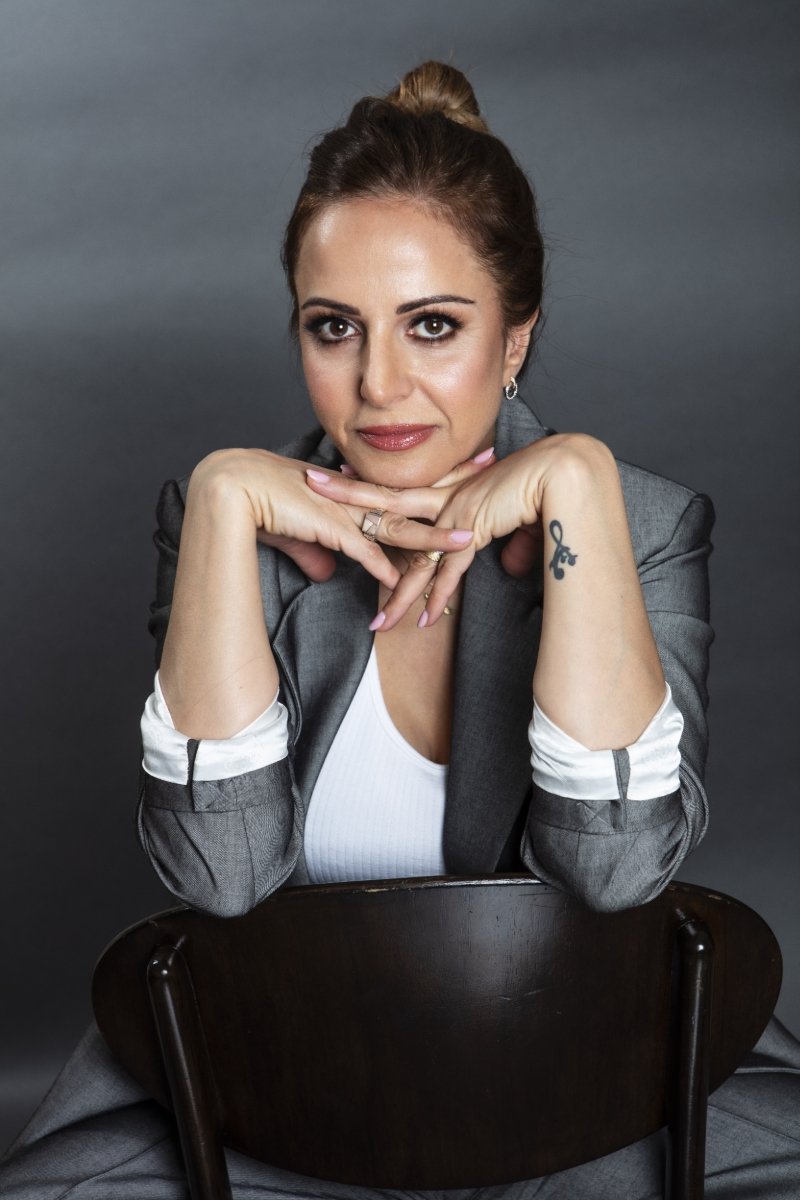
Dr. Mahsa’s own story gives the message its weight. Born in Iran and raised during the Iran-Iraq War, she immigrated to the United States at the age of nine. Illness, injury, and grief marked her early years, and those experiences became the starting point for a lifelong study of what healing actually requires. For nearly twenty years she cared for patients through chiropractic and integrative wellness practices before widening her focus to writing, speaking, and mentorship.
Today her work reaches people through transformational retreats and a private mentorship she calls The Sacred Flame. Her book, I AM EMPOWER: The Path from Trauma to Truth, reads as both a personal memoir and a practical guide. It presents the EMPOWER Method as a set of concrete tools rather than a collection of inspirational slogans, designed to help readers reconnect with themselves, find their voice, and move through pain toward something steadier.
“Your soul didn’t come here to blend in. It came here to shine.” The line captures the invitation that runs through her work, a call to stop shrinking and to start living with honesty and courage.
Readers can learn more about her practice and writing on Dr. Mahsa’s website, follow her daily reflections on her Instagram page, or review her professional background on her LinkedIn profile.