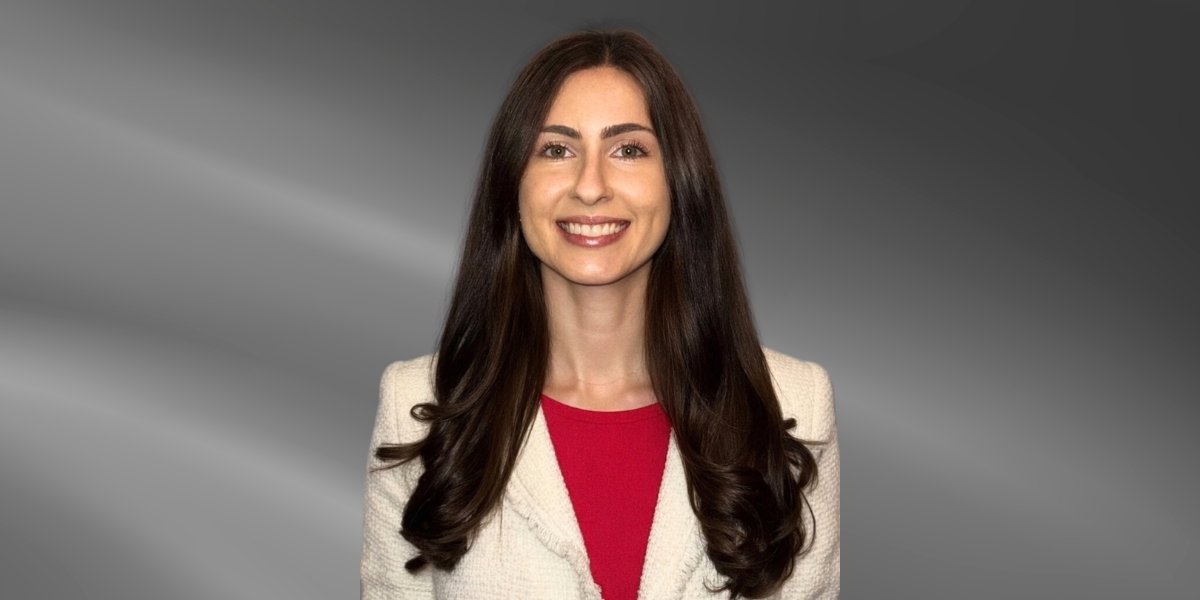
Endometriosis affects an estimated 190 million women and girls worldwide, yet receiving a diagnosis can still take years. Nicole Notar, founder and CEO of Vindicara and founder and executive director of Endo Excision For All, is working to improve both diagnosis awareness and access to specialized care.
Through EEFA, Nicole helps patients overcome financial barriers to specialized surgery. Vindicara is a deterministic, non-AI, rule-based clinical decision support system designed to help clinicians identify patients at risk for endometriosis and related conditions earlier. Together, these efforts reflect a patient-led approach to helping clinicians recognize complex conditions sooner and helping connect more patients with appropriate care.
The Experience That Shaped Her Mission
Nicole did not enter healthcare innovation in search of a business opportunity. Her work began with a problem she had lived with since childhood.
Nicole started experiencing endometriosis symptoms at nine years old. Despite persistent pelvic pain, digestive difficulties, and fatigue, she spent more than a decade moving between physicians and specialties without a clear explanation. Her symptoms were attributed to irritable bowel syndrome and anxiety, leaving her to repeatedly defend what she knew about her own body.
Answers finally came through a six-hour excision surgery. Physicians found 73 lesions affecting her bladder, uterus, colon, rectum, and appendix, as well as two large endometriomas. The experience validated years of suffering, but it also exposed what can happen when medical clues are viewed separately rather than as part of a broader clinical picture.
“Vindicara wasn’t created because I wanted to start a technology company; it was created because I spent years living the problem,” she explains.
Turning Experience Into Immediate Action
Once Nicole found appropriate care, she became increasingly aware that many patients could not reach the same specialists. Cost, inadequate insurance coverage, and limited access to trained excision surgeons often forced people to delay treatment or settle for care that did not address the full extent of their disease.
She responded by founding Endo Excision For All (EEFA), a volunteer-run 501(c)(3) nonprofit that provides financial assistance for specialized surgery. According to figures supplied by the organization, EEFA has distributed more than $140,000 and supported over 200 patients seeking endometriosis care.
Its work now extends beyond financial assistance. EEFA offers patient resources, specialist directories, educational conversations, and advocacy tools designed to help individuals understand and navigate their options. For Nicole, it represents the immediate side of her mission: helping people reach necessary treatment today.
Connecting the Clinical Dots
Her conversations with patients also revealed an earlier failure. Many people reached EEFA only after their symptoms had been documented for years across primary care, gynecology, gastroenterology, urology, and pain management. The information existed, but it rarely came together.
“We don’t believe the problem is a lack of information,” Nicole says. “We believe it’s a lack of connection.” That insight became the foundation for Vindicara, the health technology company she leads as founder and CEO. Its deterministic, algorithmically rule-based system is being developed to examine information already present across a patient’s medical history, including symptoms, imaging, laboratory findings, medications, diagnoses, treatment responses, and provider notes.
Vindicara is not intended to diagnose disease or replace physicians. Instead, it is designed to support clinical judgment by identifying risk patterns and highlighting when a patient may require further investigation or specialist care.
Recognition for a Patient-Led Vision
Although Vindicara remains an early-stage company, Nicole’s approach has already attracted attention across healthcare, entrepreneurship, and technology media. She was selected for MSN’s Top 10 Visionary Entrepreneurs Shaping the Future in 2026, while TechRound UK named Vindicara its Startup of the Week.
Her work has also appeared in Authority Magazine, MediTech Today, and podcasts addressing endometriosis, diagnostic delays, and women’s health innovation. A PIX11 News segment brought wider visibility to her experience with medical dismissal, while her participation in the 2026 Women’s Health Horizons event in New York placed her alongside professionals working across medicine, investment, and healthcare technology.
These appearances have allowed Nicole to position patient experience not as an anecdotal addition to innovation, but as information that can expose recurring weaknesses within care systems. As she puts it, “A patient’s lived experience is valuable clinical data.”
Supporting Patients While Building Long-Term Solutions
The relationship between EEFA and Vindicara gives Nicole’s work an unusual breadth. One addresses urgent barriers to treatment, while the other is being built to reduce the delays that allow disease to progress unnoticed.
Through EEFA, Nicole has carried the discussion beyond individual treatment and into healthcare policy. The organization took part in the inaugural Endometriosis and Adenomyosis Capitol Hill Day in March 2026, advocating for improved insurance coverage, fairer surgical reimbursement, and wider access to qualified specialists.
Since Vindicara is still being developed, its impact cannot yet be measured through conventional customer reviews. The response Nicole has received instead comes from patients and families who immediately recognize the need. Some have told her they hope their daughters never endure the same search for answers; others believe earlier recognition could have changed their own lives.
Building the Solution She Once Needed
Nicole Notar’s short-term priorities include completing the platform, establishing pilot programs, strengthening secure electronic health record integrations, and expanding collaboration with clinicians, researchers, and health systems.
Vindicara’s vision extends beyond endometriosis. In time, the company intends to support earlier recognition of frequently overlapping conditions such as adenomyosis, Ehlers-Danlos syndrome, POTS, and mast cell activation syndrome. By identifying connections across specialties, it hopes to give clinicians a more complete view of complex patient journeys.
For Nicole, however, the purpose remains deeply personal. Her guiding principle is simple: “Be the person you needed when you were younger.” Through immediate assistance, national advocacy, and clinical technology, she is turning that principle into a connected model for change, one designed to ensure fewer patients spend years trying to prove that their pain is real.