Women's Journal

How a Leadership and Accountability Coach Encourages Personal Responsibility

By: Kate Sarmiento

The leadership advice industry has a type. Growth mindset. Servant leadership. Lead with empathy. None of that language is wrong exactly, but somewhere along the way, giving feedback turned into an exercise in cushioning, until the actual message gets buried under all the padding around it.

Nearly half of executives say a lack of honest feedback from their teams is their biggest concern, while the employees on the other side of that conversation are staying quiet: six in ten report holding back when they’ve got a different take from the group (Source: Radical Candor, 2026). Managers, meanwhile, tend to believe they’re already giving frequent, useful feedback, while the people receiving it describe something much thinner: feedback that’s rare, vague, or shows up too late to matter (Source: Gallup, 2024). Somewhere in that gap between what a leader thinks they’re saying and what actually lands, results start disappearing. Deadlines slip. Trust erodes. Nobody names the real problem, so nobody fixes it.

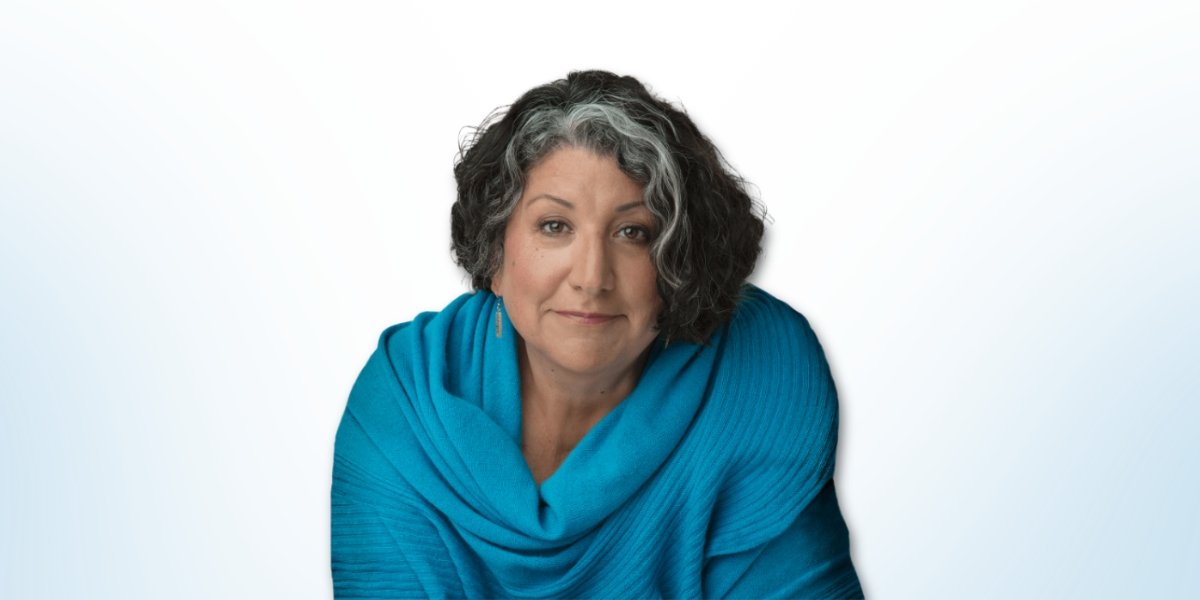
Linda Galindo has built her entire career inside that gap. She won’t validate an excuse, no matter how reasonable it sounds. Through her books and a steady schedule of speaking engagements, she’s made one thing clear: leaders don’t get to hide from their own results. Galindo doesn’t play that game. She says the thing people don’t want to hear, and that’s exactly why they keep calling her.

A Journalist’s Instinct Doesn’t Retire

Before any of this, Galindo was a journalist covering topics including government and business. That’s worth sitting with, because it explains how she operates now. Journalists don’t get paid to make people comfortable. They get paid to ask the question nobody else wants asked, then report what they actually found, not what would read better in print. Story after story, Galindo kept seeing the same root issue underneath the mess: somewhere in the chain, somebody wasn’t being held accountable for their part in it. That pattern, in retrospect, was the reason accountability was the focus of her life’s work.

That instinct to dig past the polished answer just changed venues, moving from newsrooms into boardrooms, and it shows up most clearly in what she won’t let a client do: hide behind “the culture.” Ask her what’s actually behind most performance problems and her answer doesn’t shift much depending on who’s asking. Underneath almost every performance issue sits an accountability issue, and underneath that is usually a lack of trust, a leader who doesn’t fully trust a team to deliver, or a team that’s stopped trusting a leader to set clear expectations and be accountable.

When that gap opens, some piece of the truth stops getting said out loud, and the familiar dysfunctions creep in behind it: silos, turf wars, politics, the list any manager could recite half asleep. Her method is to hold up a mirror and make sure people see what’s actually in it, not what “the market” or “remote work” or “the culture” have made convenient to blame instead.

Not Everyone Wants This, and That’s the Point

None of this reads as ruthlessness dressed up as honesty, and that distinction is the whole point. Being ruthless doesn’t require follow-through, but Galindo’s approach runs entirely on follow-through. She’s not interested in delivering a straight truth and then walking away to let someone sit with it alone. The work is staying in it with them long enough to figure out what actually changes next. That kind of directness, paired with real investment in whether someone improves, doesn’t show up often in this field. Plenty of consultants can manage bluntness. Fewer can be blunt and still be trusted, since trust usually depends on people believing you’re rooting for them, not just scoring a point.

That’s also why this style isn’t built for everyone, and Galindo has never pretended otherwise. Some leaders want a consultant who’ll agree with their read on the situation and hand over three tidy action items that don’t ask them to change much. That’s not what they get from her. What they get instead is someone willing to say, plainly, that a team’s dysfunction usually traces back to decisions the leader made, not some vague force floating around the office that nobody’s accountable for. A few clients walk away from that.

Galindo isn’t chasing universal approval though; she’s chasing results, and results tend to follow honesty more reliably than they follow comfort. In a market where a consultant may choose to optimize being liked over being effective, being the one willing to say the uncomfortable thing stops being a risk and starts being the entire reason a client hires you.

Where the Accountability Work Actually Starts

When a team keeps circling the same problems without ever naming what’s actually causing them, a gentler conversation is rarely the missing piece. Someone has to hold up the mirror. Staying in the room afterward, while the people in it work out what to do with what they see, is the harder half of the job, and it is the half Galindo builds her engagements around. In her framing, accountability starts with the leader, not the conditions surrounding them. Learn more about working with Linda.

Celebrating Lois Stockton: A Memphis Leader Defined by Service, Vision and Influence

By: Lennard James

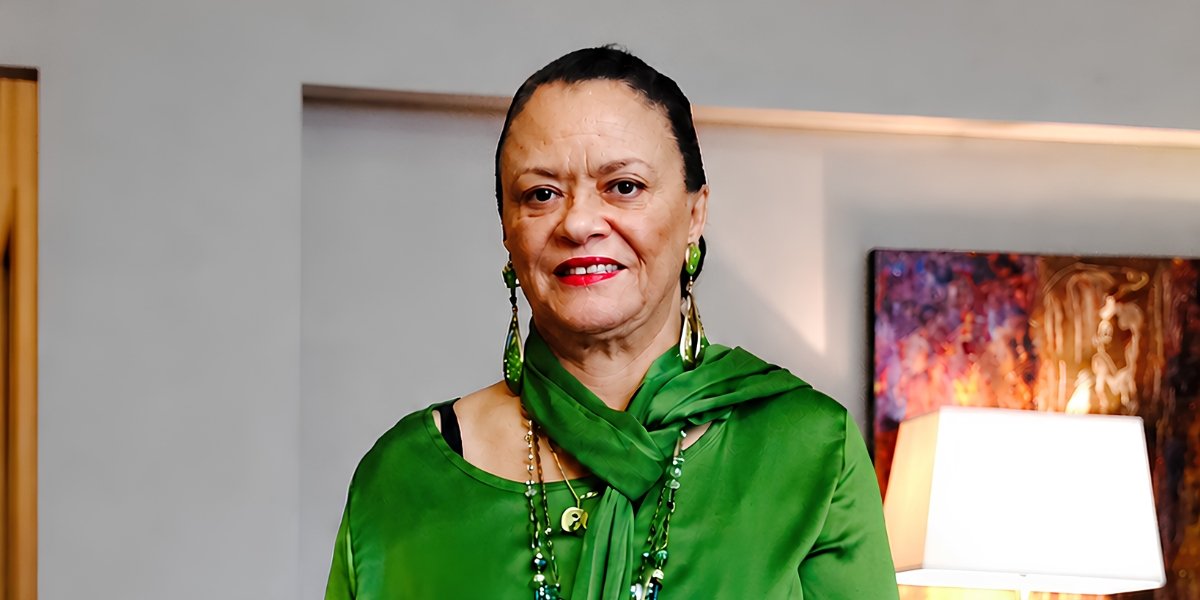
For decades, Lois H. Stockton has represented the kind of leadership that strengthens institutions, creates opportunities and leaves a lasting impact on a community. As a Memphis business owner, healthcare executive, civic leader and trusted mentor, Stockton has developed an extraordinary record of entrepreneurship, public service and commitment to others.

A graduate of Tennessee State University, Stockton is the owner of The Nail Station, a Memphis-based business that reflects her entrepreneurial vision and determination. Building and sustaining a successful business requires discipline, sound judgment and an ability to develop meaningful relationships with customers, employees and community partners.

The Nail Station has represented more than a commercial enterprise. It has served as an example of how locally owned businesses contribute to the economic and social strength of a city. Through her work as an entrepreneur, Stockton has demonstrated that business ownership can provide a foundation for independence, leadership, job creation and community engagement.

Her commitment to Memphis, however, extends well beyond entrepreneurship.

Lois Stockton served as Chair/President of the Board of Governors of Memphis Health Center, one of the city’s most important community healthcare institutions. Before stepping into the executive position, she provided years of leadership as chair of the organization’s governing board, helping guide its mission and continued service to Memphis and surrounding communities.

Memphis Health Center provides accessible and comprehensive healthcare services to individuals and families, including residents who are uninsured, underinsured or medically underserved. Its services include pediatric and adolescent care, adult medicine, obstetrics and gynecology, dental care, vision services and behavioral healthcare.

Leading an organization with such an extensive mission requires more than administrative experience. It demands compassion, accountability and an understanding of the barriers many families encounter when seeking medical care. Stockton’s leadership reflects her belief that access to quality healthcare should not depend solely on a person’s income, insurance status or neighborhood.

Her dedication to preserving the history of Memphis Health Center was demonstrated during a special tribute to its founder, Dr. Chauncey O’Hara Daugherty. In 2025, the center unveiled an oil portrait honoring the pioneering cardiothoracic surgeon who established the organization in 1970.

Lois Stockton emphasized that recognizing Dr. Daugherty’s contributions was long-term. The portrait now serves as a permanent reminder of a physician whose vision helped make medical care more accessible to historically underserved communities. Her participation in the tribute demonstrated an important quality of her leadership: the ability to move an organization forward while honoring those who created its foundation.

Stockton’s influence also reaches into Memphis’ civic and political community. Over the years, her guidance, relationships and support have helped numerous elected officials become the leaders they are today. She has encouraged emerging public servants, shared the wisdom gained through decades of community involvement and helped connect leaders with the people and neighborhoods they seek to represent.

Her influence has never been centered on seeking personal attention. Instead, Lois Stockton has often worked behind the scenes, offering encouragement, counsel and honest advice. She understands that effective public service depends on relationships, trust and a genuine willingness to listen.

Many elected officials have benefited from community leaders who recognized their potential before they gained widespread recognition. Lois Stockton has been one of those influential figures. Her ability to identify leadership qualities in others and encourage them to pursue meaningful service has contributed to the development of public officials who now serve Memphis and Shelby County.

Her journey demonstrates the many forms leadership can take. Leadership can mean building a business, guiding a healthcare institution, mentoring future public servants, supporting young people or ensuring that a community pioneer receives proper recognition. Lois Stockton has embraced each of these responsibilities with purpose and consistency.

She has also demonstrated the importance of women in executive and civic leadership. At a time when women have often had to work harder for recognition and access, Lois Stockton’s longevity and accomplishments stand as evidence of perseverance, preparation and personal strength.

Her life offers an important lesson: titles may be temporary, but service creates a lasting legacy. Whether supporting a local business, guiding a healthcare organization or advising future leaders, Lois Stockton has remained focused on strengthening the community around her.

Today, we celebrate Lois H. Stockton not simply for the positions she has held, but for the people and institutions she has influenced. Her accomplishments in entrepreneurship, healthcare and civic engagement demonstrate what is possible when experience, compassion and determination are united by service.

Lois Stockton is a mother, businesswoman, healthcare leader, mentor and community advocate whose work has helped make Memphis stronger. Her legacy can be seen in the families who receive quality healthcare, the entrepreneurs encouraged by her example and the elected officials whose development was strengthened by her guidance.

Her story reminds us that meaningful leadership is measured by the opportunities created, the people served and the community left better for the next generation.

Maddi Carroll Didn’t Wait for the Recruitment Industry to Change. She Built The Power Recruiter to Do It Herself.

By: Angelica Burlaza

Maddi Carroll spent years watching her own industry fail the people it was supposed to serve. Instead of accepting that as just how recruitment works, she built something to change it. That decision became The Power Recruiter, a new online course designed to properly train recruiters from the ground up and to give an industry with a reputation problem an actual path toward fixing it.

Carroll already runs Power Recruitment and Consulting, a Brisbane-based agency known for relationship-first placements across the white-collar construction and infrastructure sectors. Building an education brand alongside that business was not about stepping back from recruiting. It was about taking what she had learned running her own agency and turning it into something an entire industry could use.

She built it to raise her own team’s standard, then realized the whole industry needed it

The idea for The Power Recruiter did not start as a business plan. It started with Carroll wanting her team at Power Recruitment and Consulting to be a step above, with a consistent approach regardless of who a client or candidate happened to work with. Whether someone on her team was a brand new recruiter or an experienced one, she believed the same fundamentals applied to both.

“I first built this to train my own team, and then I thought, why stop there?” she said. “If I can lift the standard across the whole industry, then recruiter goes from a word we’re a bit ashamed of to one we’re proud of.”

That shift, from strengthening her own team to taking on an entire industry, is where The Power Recruiter really took shape. Carroll built the course around the belief that recruiters wield real influence over people’s careers and livelihoods, and that almost nobody teaching the profession is still doing the job day-to-day. She wanted her course to be the exception.

Carroll says another motivation stemmed from situations in which candidates were contacted using information they did not expect to be shared broadly. She says those experiences reinforced her view that privacy, consent, and trust should be emphasized in recruiter training.

A common misconception about the course is that it is only for people brand new to recruiting. Carroll pushes back on that directly. “It’s not just for people starting from scratch, it’s for anyone at any stage,” she said. “Whether you’ve never recruited a day in your life, you’re coming across from another industry, or you’re already recruiting and just want to get better at it, the fundamentals are the same. And honestly, hardly any of us were ever properly taught them.”

What makes The Power Recruiter different is Carroll herself

Carroll is still an active recruiter, working real placements through Power Recruitment and Consulting while running the course. That matters because it means every lesson comes from what she is doing this week, not theory from years ago.

It also means her own approach to the job shows up directly in what she teaches. Carroll is vocal about the industry’s obsession with speed and fees, and about training recruiters to build relationships that last, not just chase a single placement. Her philosophy comes down to something simple: recruiters need to remember they are dealing with people first, and the job title comes second. Get that part right, she argues, and the results tend to follow on their own. For a founder who could have kept that knowledge within her own agency, choosing to teach it openly is a statement in itself.

The Power Recruiter’s social channels launched July 1, and the course is now live. Carroll built it because she was not willing to wait for someone else to raise the standard first. Now she is betting that the recruiters who come through her course will be the ones who end up setting it, and that the industry’s reputation changes one properly trained recruiter at a time.

Nicole Notar Is Advancing Earlier Recognition of Endometriosis Through Patient Advocacy and Health Technology

Endometriosis affects an estimated 190 million women and girls worldwide, yet receiving a diagnosis can still take years. Nicole Notar, founder and CEO of Vindicara and founder and executive director of Endo Excision For All, is working to improve both diagnosis awareness and access to specialized care.

Through EEFA, Nicole helps patients overcome financial barriers to specialized surgery. Vindicara is a deterministic, non-AI, rule-based clinical decision support system designed to help clinicians identify patients at risk for endometriosis and related conditions earlier. Together, these efforts reflect a patient-led approach to helping clinicians recognize complex conditions sooner and helping connect more patients with appropriate care.

The Experience That Shaped Her Mission

Nicole did not enter healthcare innovation in search of a business opportunity. Her work began with a problem she had lived with since childhood.

Nicole started experiencing endometriosis symptoms at nine years old. Despite persistent pelvic pain, digestive difficulties, and fatigue, she spent more than a decade moving between physicians and specialties without a clear explanation. Her symptoms were attributed to irritable bowel syndrome and anxiety, leaving her to repeatedly defend what she knew about her own body.

Answers finally came through a six-hour excision surgery. Physicians found 73 lesions affecting her bladder, uterus, colon, rectum, and appendix, as well as two large endometriomas. The experience validated years of suffering, but it also exposed what can happen when medical clues are viewed separately rather than as part of a broader clinical picture.

“Vindicara wasn’t created because I wanted to start a technology company; it was created because I spent years living the problem,” she explains.

Turning Experience Into Immediate Action

Once Nicole found appropriate care, she became increasingly aware that many patients could not reach the same specialists. Cost, inadequate insurance coverage, and limited access to trained excision surgeons often forced people to delay treatment or settle for care that did not address the full extent of their disease.

She responded by founding Endo Excision For All (EEFA), a volunteer-run 501(c)(3) nonprofit that provides financial assistance for specialized surgery. According to figures supplied by the organization, EEFA has distributed more than $140,000 and supported over 200 patients seeking endometriosis care.

Its work now extends beyond financial assistance. EEFA offers patient resources, specialist directories, educational conversations, and advocacy tools designed to help individuals understand and navigate their options. For Nicole, it represents the immediate side of her mission: helping people reach necessary treatment today.

Connecting the Clinical Dots

Her conversations with patients also revealed an earlier failure. Many people reached EEFA only after their symptoms had been documented for years across primary care, gynecology, gastroenterology, urology, and pain management. The information existed, but it rarely came together.

“We don’t believe the problem is a lack of information,” Nicole says. “We believe it’s a lack of connection.” That insight became the foundation for Vindicara, the health technology company she leads as founder and CEO. Its deterministic, algorithmically rule-based system is being developed to examine information already present across a patient’s medical history, including symptoms, imaging, laboratory findings, medications, diagnoses, treatment responses, and provider notes.

Vindicara is not intended to diagnose disease or replace physicians. Instead, it is designed to support clinical judgment by identifying risk patterns and highlighting when a patient may require further investigation or specialist care.

Recognition for a Patient-Led Vision

Although Vindicara remains an early-stage company, Nicole’s approach has already attracted attention across healthcare, entrepreneurship, and technology media. She was selected for MSN’s Top 10 Visionary Entrepreneurs Shaping the Future in 2026, while TechRound UK named Vindicara its Startup of the Week.

Her work has also appeared in Authority Magazine, MediTech Today, and podcasts addressing endometriosis, diagnostic delays, and women’s health innovation. A PIX11 News segment brought wider visibility to her experience with medical dismissal, while her participation in the 2026 Women’s Health Horizons event in New York placed her alongside professionals working across medicine, investment, and healthcare technology.

These appearances have allowed Nicole to position patient experience not as an anecdotal addition to innovation, but as information that can expose recurring weaknesses within care systems. As she puts it, “A patient’s lived experience is valuable clinical data.”

Supporting Patients While Building Long-Term Solutions

The relationship between EEFA and Vindicara gives Nicole’s work an unusual breadth. One addresses urgent barriers to treatment, while the other is being built to reduce the delays that allow disease to progress unnoticed.

Through EEFA, Nicole has carried the discussion beyond individual treatment and into healthcare policy. The organization took part in the inaugural Endometriosis and Adenomyosis Capitol Hill Day in March 2026, advocating for improved insurance coverage, fairer surgical reimbursement, and wider access to qualified specialists.

Since Vindicara is still being developed, its impact cannot yet be measured through conventional customer reviews. The response Nicole has received instead comes from patients and families who immediately recognize the need. Some have told her they hope their daughters never endure the same search for answers; others believe earlier recognition could have changed their own lives.

Building the Solution She Once Needed

Nicole Notar’s short-term priorities include completing the platform, establishing pilot programs, strengthening secure electronic health record integrations, and expanding collaboration with clinicians, researchers, and health systems.

Vindicara’s vision extends beyond endometriosis. In time, the company intends to support earlier recognition of frequently overlapping conditions such as adenomyosis, Ehlers-Danlos syndrome, POTS, and mast cell activation syndrome. By identifying connections across specialties, it hopes to give clinicians a more complete view of complex patient journeys.

For Nicole, however, the purpose remains deeply personal. Her guiding principle is simple: “Be the person you needed when you were younger.” Through immediate assistance, national advocacy, and clinical technology, she is turning that principle into a connected model for change, one designed to ensure fewer patients spend years trying to prove that their pain is real.

Dermatologists Are Pushing Back on Sunscreen Misinformation. Here’s What to Know.

By: Matthew Kayser

A growing number of viral social media posts claim that sunscreen is toxic, causes cancer, or isn’t necessary at all. Dermatologists say those claims aren’t just misleading; they could discourage one of the most effective tools for preventing skin cancer.

Skin cancer is the most common cancer in the United States, and 1 in 5 Americans will develop it in their lifetime. Most of those melanoma cases are linked to ultraviolet (UV) exposure, according to the American Academy of Dermatology. The risk also builds with exposure: experiencing five or more blistering sunburns between ages 15 and 20 raises melanoma risk by 80% and nonmelanoma skin cancer risk by 68%.

Research supports that regular sunscreen use can meaningfully reduce that risk, which makes the volume of misinformation now competing with decades of established science all the more concerning.

The Myths That Concern Dermatologists Most

The claim that sunscreen ingredients are harmful to human health is among the most widely shared, and most thoroughly refuted, pieces of skin care misinformation circulating today. Many of these claims rely on isolated studies taken out of context or misunderstandings about how sunscreen ingredients are regulated and tested.

“You Can Tan Safely”

One myth gaining traction online, particularly among younger audiences, is the idea that tanning can be done safely by monitoring the UV Index. Dr. Alexandra Theriault, MD, FAAD, a board-certified dermatologist at Apex Dermatology in Denver, Colorado, directly pushes back on that. “I am seeing an increasing number of teenagers and young adults who follow the UV Index to ‘safely’ tan their skin,” she says. “Any sun exposure that leads to pinkening or tanning of the skin can lead to an increased risk of skin cancer and premature aging of the skin.”

Dr. Theriault sees the misinformation problem as much an opportunity as a frustration. “I enjoy having an open dialogue with patients, presenting evidence-based recommendations on how they can protect themselves and be proactive about skin health,” she says.

“Sunscreen Is Toxic”

Dr. Jenifer D. Holman, MD, FAAD, a board-certified dermatologist and dermatologic micrographic surgeon at the Center for Aesthetic and Laser Medicine in Tyler, Texas, has personally battled skin cancer and has heard this one before.

“As a dermatologist, I try to practice evidence-based medicine and rely on evidence; current evidence does not show that any sunscreen ingredients available in the U.S. are harmful to human health,” Dr. Holman says. She also points to federal oversight as a meaningful layer of assurance. “One of the FDA’s responsibilities is to review the efficacy, safety, and quality of sunscreens. This means their standards for the sunscreens you can buy in the U.S. are very high.”

For patients who still prefer to err on the side of caution, mineral formulations containing zinc oxide or titanium dioxide are explicitly noted as noncarcinogenic by the FDA and are considered a sound alternative to chemical filters.

“Sunscreen Blocks Vitamin D”

A third claim circulating widely online is that daily sunscreen use blocks vitamin D absorption to a harmful degree. The science here has recently become more nuanced. A 2025 clinical trial known as the Sun-D Trial found that consistent sunscreen use may be associated with a small but clinically significant decrease in vitamin D levels, a finding the dermatology community takes seriously.

Even so, the recommendation from most dermatologists has not shifted: protect your skin, and supplement with vitamin D through diet or oral supplementation if needed. The American Academy of Dermatology does not recommend seeking vitamin D through unprotected sun exposure, noting there is no level of UV exposure that maximizes vitamin D synthesis without also increasing skin cancer risk.

What Actually Works

For those who remain concerned about sunscreen ingredients, mineral formulations containing zinc oxide or titanium dioxide are another effective option. Dermatologists emphasize that both mineral and FDA-approved chemical sunscreens are considered safe when used as directed, making them a sound option for anyone with lingering concerns about chemical filters.

But for Dr. Holman, the most important quality a sunscreen can have is simpler than that. “I always tell patients the best sunscreen is the one you will use,” she says. “Fortunately, many sunscreens also have beauty benefits. There are sunscreens that treat acne and rosacea, that hydrate the skin, that come in tinted or shimmering formulations.”

The Skin Cancer Foundation recommends a broad-spectrum, water-resistant sunscreen with at least SPF 30, applied to all skin not covered by clothing and reapplied every two hours during outdoor activity. Pairing sunscreen with protective clothing and shade during peak afternoon hours covers most of what daily UV exposure throws at unprotected skin.

Routine skin checks round out a complete approach to skin health. As Dr. Theriault puts it, “early diagnosis of a skin cancer is associated with better cosmetic outcomes and may be life-saving.” Scheduling an annual visit with a board-certified dermatologist remains one of the most straightforward and underused tools available.

Despite what viral videos may suggest, decades of clinical research continue to show that regular sunscreen use helps reduce the risk of skin cancer and premature skin aging. Social media trends come and go, but the evidence behind daily sun protection has remained remarkably consistent.

Disclaimer: This content is for informational purposes only and is not intended as medical advice, nor does it replace professional medical expertise or treatment. If you have any concerns or questions about your health, always consult with a physician or other healthcare professional.