By: Shawn Mars
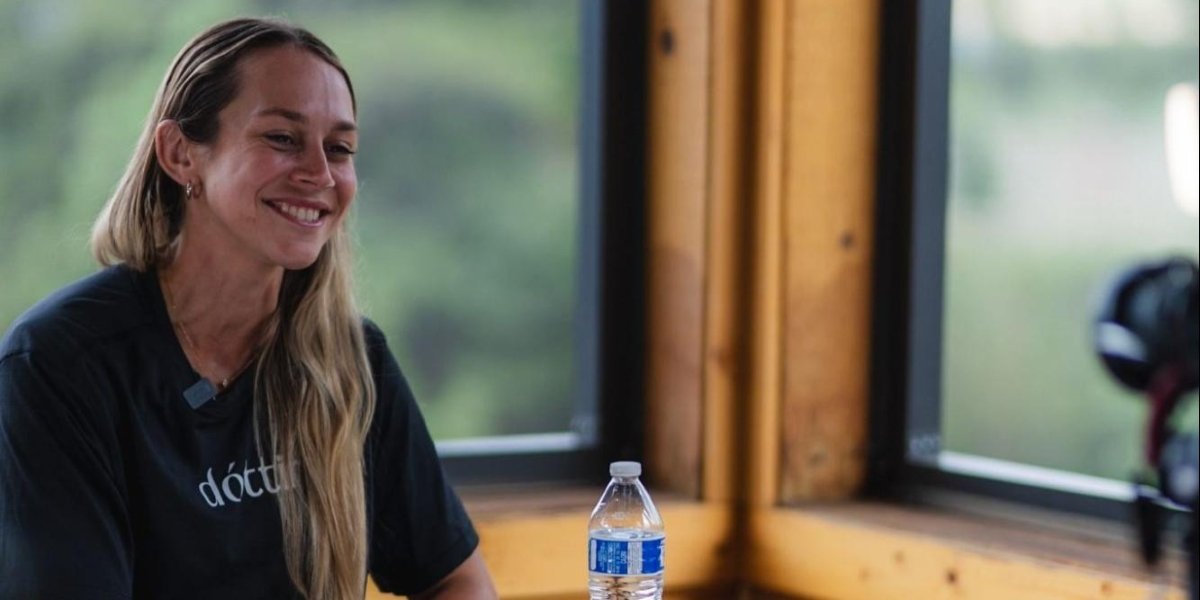
Dr. Erika Tvedten trained for the Leadville 100. She didn’t finish. The documentary about her race and the women who showed up for her afterward is a quiet masterclass in a kind of strength women are rarely taught to recognize as strength at all.
There’s a moment, right before the start gun at the Leadville 100, when every plan a runner has made stops mattering. The training. The nutrition charts. The nights spent rehearsing, in her head, exactly how the next 24-plus hours would go. None of it asks permission anymore.
That’s where a new short documentary produced by Cedarstone Creative and sponsored by the Icelandic wellness brand dóttir picks up Dr. Erika Tvedten’s story. Tvedten is a full-time dermatologic surgeon completing advanced training in rural Pennsylvania and, in her own words, “crazy enough to run 100 miles.” Two demanding, historically male-coded worlds, both of them still catching up to how many women are actually excelling in them.
Her attempt at the Leadville 100 100 miles, 15,000 feet of climbing, twice over Colorado’s Hope Pass ended in her first DNF: persistent vomiting from mile 20 on, an asthma flare, an old ankle injury taped and braced the whole way, and, eventually, a missed cutoff. The film covers all of that. But the story worth carrying into your own life isn’t really about race. It’s about what she and the women around her did next.
Why This Story Belongs in a Women’s Magazine, Not Just a Sports Reel
Women are still taught, subtly and not so subtly, that visible failure costs more for us than it does for anyone else, that competence has to look effortless, or it doesn’t count. Tvedten’s openness about her DNF pushes directly against that. She doesn’t perform well. She says plainly that she doesn’t fail often, and that the disappointment was real. What makes her story worth telling is that she let the disappointment be real without letting it become the whole verdict on her effort.
That’s a distinction every woman carrying a demanding goal, a promotion, a diagnosis, a training block, a business can use. Resilience was never about being unbothered by failure. It’s about staying in the relationship with your own goal even after it humbles you in public.
The Body Doesn’t Negotiate With the Plan
Tvedten’s own explanation for the DNF is instructive: her fitness was there, but she didn’t give her body what it needed to perform the fueling, the recovery, the support underneath the training itself. It’s the kind of insight only someone living in both worlds, medicine and endurance sport, could name so precisely.
For women in medicine especially, there’s a quiet parallel here worth sitting with: you can do everything technically right and still not control the outcome. The discipline isn’t in guaranteeing the result for a patient, or for yourself on a mountainside at mile 60. It’s in showing up, adjusting, and staying in the work when the outcome refuses to cooperate.
Who You Have Around You When It Goes Wrong
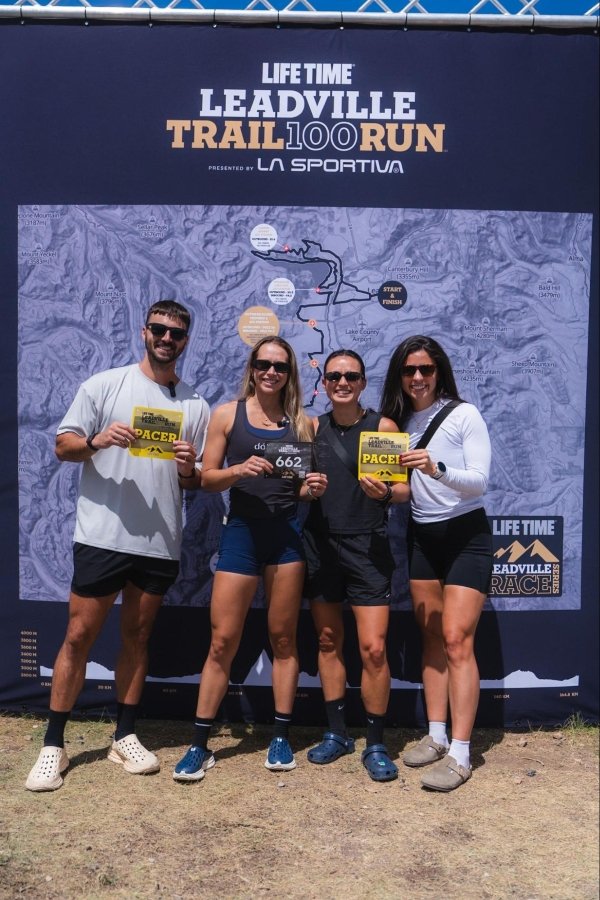
The detail that gives this story its center isn’t the mile splits; it’s what her crew did in the hours after she didn’t make the cutoff. They didn’t wait for her to ask for reassurance. They told her she hadn’t let anyone down before she’d even fully absorbed what happened. Three weeks later, still processing it, she put words to what that meant:
“How lucky am I to have a support system that is there for me even when I fail. Still proud of me, even when I fail, and to have a community and support system like that is something that I can’t even put into words how much that means to me.”
It’s worth naming who was in that circle: a coach and partner who trained with her through the hardest miles, a crew built largely of other women, and dóttir founder Kelly Meredith, whose brand funds the dóttir Resilience Fund scholarships and mentorship specifically for women in sport. That’s not incidental to the story. That’s the point. Resilience is rarely a solo trait. It’s often just what a good support system and a community of people who don’t tie your worth to your outcome make possible.
Coming Back Is the Real Finish Line
Tvedten doesn’t end her own story at the DNF. Asked what’s next, her answer is immediate: she’s going back to Leadville, because she said she would. Not as a redemption arc for the camera, but as the next chapter in a much longer relationship with a sport, and a version of herself that isn’t finished being built.
That’s the takeaway worth keeping, whether you’ve ever run a mile or not: the marker of resilience was never the goal that went right. It’s the decision to show up again for the one that didn’t and to let the women around you be proud of you for trying.

WATCH & FOLLOW
Watch the documentary: youtu.be/tYcrFWJTYA4
Follow dóttir: Instagram @drinkdottir
Produced by: Cedarstone Creative cedarstonecreative.com