Wedding planning is a journey that is characterized by moments that are very important to couples and their families. Among these moments is the process of choosing the wedding dress. Bridal fashion operates in its own lane in the world of apparel and fashion. It is characterized by meaning, tradition, and how people want to view themselves. According to a study by The Knot in 2023, the average amount spent by couples in the U.S. for their wedding attire is about 2,100 dollars. This amount supports everyone from boutique owners and designers to alteration specialists and stylist consultants.
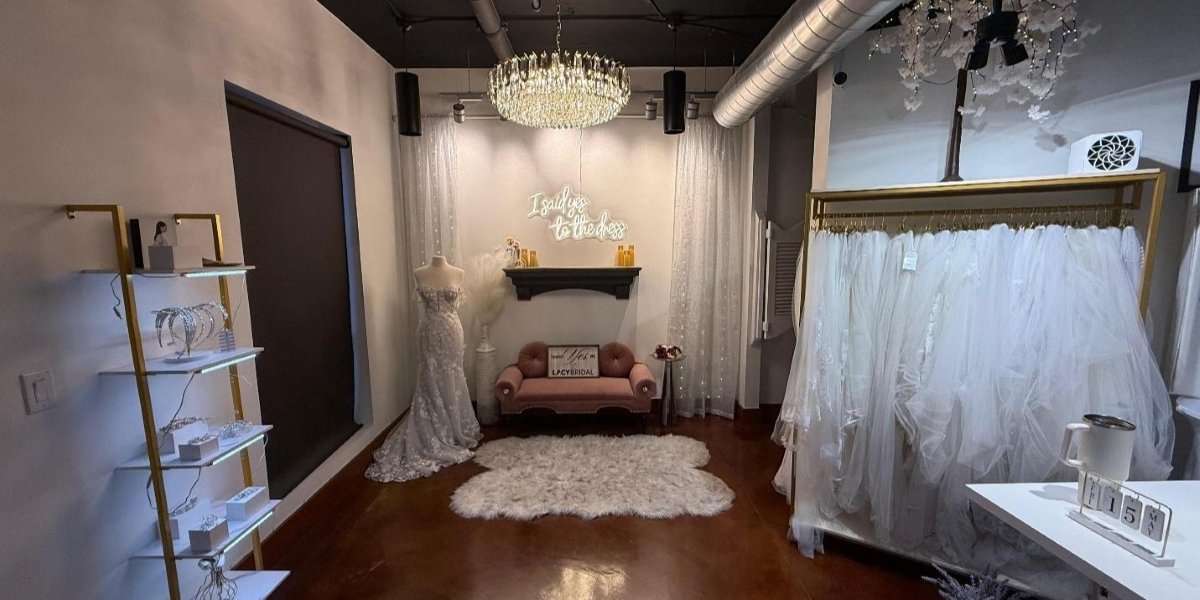
The bridal boutiques have developed a concept that is based on how important the process of choosing a dress is for many. In contrast with traditional clothing stores, bridal retailers frequently use consultation-based systems. These visits often involve a small group of family members or friends who attend the appointment with the bride. The session usually includes dress fittings, discussions about style and fabric, and feedback from guests. Consultants often guide the process, offering suggestions while helping clients narrow choices. In many boutiques, the environment is arranged to encourage conversation and reflection during the fitting process.
This type of service is now the norm in independent bridal boutiques throughout the country. The layout enables consultants to only serve one client at a time, giving brides a chance to think about options without the noise of retail floors full of people. Appointment visits also enable stores to arrange for dresses in advance that fit the taste of the bride. In that setting, bride and stylist interaction is at the heart of the wedding dress shopping experience.
Within this context, Lacy Bridal operates as an appointment-based bridal boutique in San Antonio, Texas, United States. The boutique was founded in 2025 by Lacy and Jonathan Ochs. The boutique offers services that are primarily focused on providing wedding dresses and accessories to its customers through one-on-one consultation services. This is not unique to this particular boutique but is a trend among other independent bridal stores that offer these services.
The process of helping customers through their needs is led by Ochs, who helps them through various dresses that are available, discussing their needs, preferences, and style, including silhouettes that are suitable for each bride, as well as accessories that go well with each dress. The process of helping a bride choose her dress takes several hours, during which several dresses are presented before a decision is reached. In some stores, consultants also help customers plan for other fittings that may be required before the big day.
The one-on-one consultation process is aimed at helping customers realize that this is a very personal process for them, considering that they will wear their dresses only once in their lives. In some instances, customers are accompanied by their parents, siblings, or other close friends during this process. Their feedback becomes part of the appointment. Many bridal boutiques structure seating areas and fitting rooms so guests can view dresses during try-on sessions and discuss options together.
Several bridal retailers document these moments through online storytelling. Lacy Bridal maintains a section on its website titled Real Brides, where narratives describe the experiences of clients who selected dresses at the boutique. These articles recount the visits of individual brides and describe how their appointments unfolded. The stories often present a sequence of events that begins with a scheduled consultation and ends with the bride choosing a dress for her wedding ceremony.
Several narratives in the Real Brides series describe clients who traveled from outside the San Antonio region to visit the boutique. Some stories refer to brides arriving from Dallas, Texas, while others describe a client traveling from Los Angeles, California. Such travel is not uncommon in the bridal fashion sector. Some brides stop by the boutique based on word of mouth or what they found through online research. The comings and goings of customers between cities also mirrors a national wedding market where gowns and designers often move through several regional markets.
The focus on experiential retail is part of a larger trend in the niche apparel markets. Instead of the conventional approach of solely putting the product display, some boutiques offer their services around guided consultation or other forms of personal interaction. This model contrasts with mass retail environments where customers select garments independently. In bridal retail, the presence of consultants and scheduled appointments continues to shape how many clients approach the purchase of a wedding gown.
Since its inception in 2025, the boutique has operated under this consultation-focused approach. Its appointment structure mirrors the format used by many independent bridal stores throughout the United States. Through private fittings, client consultations, and the publication of Real Brides narratives, the store participates in a service model that places emphasis on the interaction between consultant and bride during one of the most visible moments of wedding preparation, a model developed by founders Lacy Ochs and Jonathan Ochs.