Women's Journal

From Setbacks to Significance: Dr. Tanisha Guy Is Helping Women Take Their Power Back

Every woman has a story.

For some, it is a story of triumph. For others, it is a story marked by disappointment, self-doubt, burnout, or the quiet struggle of trying to be everything for everyone.

Dr. Tanisha L. Guy believes those experiences are not the end of the story, they are often the beginning of transformation.

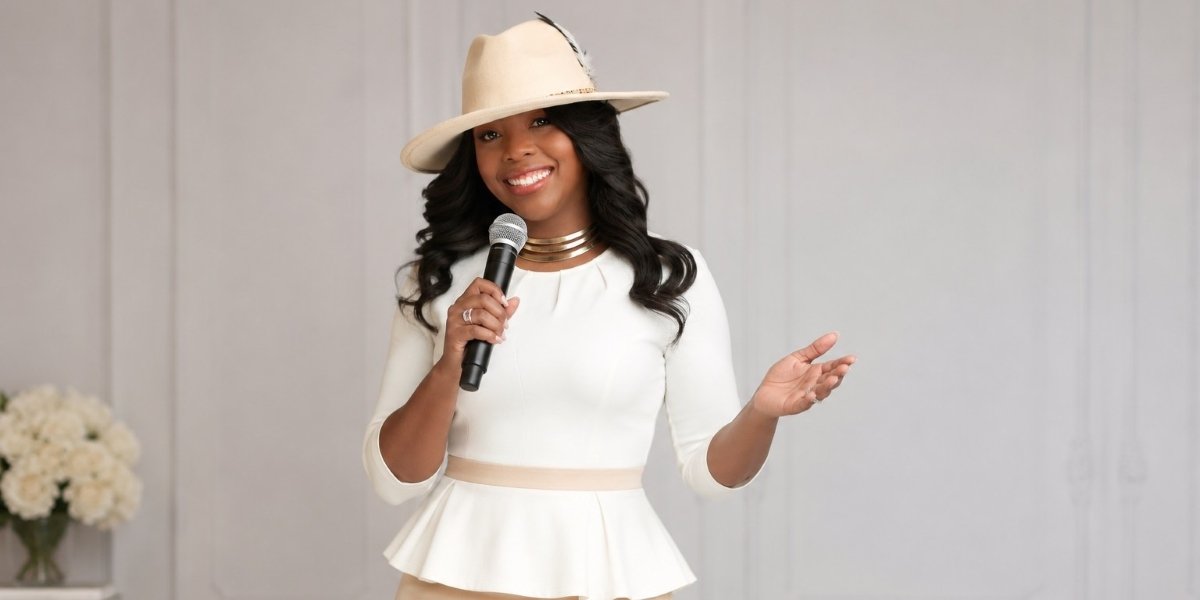
As a licensed professional counselor supervisor, entrepreneur, author, speaker, and founder of Specialized Transformation Counseling & Consulting, Dr. Guy has dedicated more than 25 years to helping women rediscover their confidence, heal emotionally, and step boldly into the lives they were created to live.

Her message is simple but powerful: You don’t have to stay defined by what happened to you.

Turning Pain Into Purpose

What makes Dr. Guy’s work resonate so deeply is that she speaks from experience.

Living with dyslexia and dyscalculia, she understands firsthand what it feels like to be underestimated. Academic struggles, professional setbacks, and entrepreneurial obstacles could have convinced her to settle for less.

Instead, they became the very foundation of her life’s work.

Today, she encourages women to stop viewing their challenges as evidence of failure and begin seeing them as preparation for purpose.

Whether addressing audiences from a conference stage or counseling women through life’s transitions, Dr. Guy reminds them that resilience is built one decision at a time.

Helping Women Reclaim Their Voice

Many women spend years achieving success while quietly losing themselves.

They become caregivers, executives, business owners, mothers, wives, ministry leaders, and community advocates. Somewhere along the journey, they begin measuring their worth by what they accomplish rather than who they are.

Dr. Guy challenges that mindset.

Through keynote presentations, coaching, counseling, and her books, she helps women reconnect with their authentic identity and recognize that confidence is not something they have to earn. It is something they reclaim.

Her signature message on overcoming imposter syndrome has inspired countless women to stop shrinking, stop apologizing for their success, and begin leading with courage.

She believes every woman deserves permission to take up space, use her voice, and own her brilliance.

Building More Than Careers

While Dr. Guy has become known for empowering women professionally, her mission extends much deeper.

She teaches that true success includes emotional wellness, healthy relationships, clear boundaries, financial growth, and spiritual alignment.

Her books, including Private Practice in 30 Days, Stop Hearing & Start Listening, and Fck Imposter Syndrome: I’m Taking My Power Back, provide practical guidance for women who are ready to build businesses, strengthen communication, and overcome limiting beliefs.

Whether she’s mentoring therapists, speaking to entrepreneurs, or coaching corporate leaders, her focus remains the same: helping people create meaningful, profitable, and purpose-driven lives.

A Movement of Empowerment

Women’s organizations, conferences, churches, universities, and leadership retreats continue to seek Dr. Guy because she delivers more than inspiration.

She equips women with practical tools to navigate change, overcome fear, establish healthy boundaries, and lead confidently in every area of life.

Her audiences leave reminded that they are capable, worthy, and equipped to create the future they envision.

As Dr. Guy often shares, setbacks do not diminish potential.

They reveal it.

Living a Life of Significance

Dr. Tanisha Guy’s story is proof that adversity does not have the final word.

By transforming her own challenges into a platform of hope and empowerment, she has become a trusted voice for women who are ready to stop surviving and start thriving.

In a world that often tells women to play small, Dr. Guy offers a different invitation:

Take your power back.

Your story is not over.

To learn more about Dr. Tanisha Guy, her books, speaking engagements, or counseling services, visit www.DrTanishaGuy.com

Photo Courtesy: PamPerryPR

Women’s Wellness In Extreme Heat: Why Heatwaves Hit Harder Now

Heatwaves have moved from occasional weather disruption to a daily wellness concern for many women in the U.S. Public health guidance now points to pregnancy, medication use, work conditions, hydration, air quality, and home cooling as practical factors that can change how heat affects the body.

Key Takeaways

  • Heatwaves can affect women through pregnancy, chronic conditions, medication use, work duties, caregiving, and limited access to cooling.
  • The Centers for Disease Control and Prevention says pregnancy can make a person more likely to experience heat illness sooner.
  • The National Weather Service describes extreme heat and humidity as a major weather-related hazard that causes hundreds of deaths each year in the U.S.
  • Medication storage, hydration, indoor temperature, and local HeatRisk alerts may need attention before symptoms appear.
  • Early symptoms such as dizziness, nausea, weakness, headache, heavy sweating, and muscle cramping should not be ignored during extreme heat.

Heatwaves can affect a woman’s day before she steps outside. A warm bedroom, a hot car, a crowded commute, an overheated workplace, and a home that stays hot after sunset can all add stress to the body over several hours.

The concern is not limited to people exercising outdoors. Public health agencies warn that hot days can affect anyone, while some groups may need added precautions. The CDC lists pregnant women, people with heart disease, people 65 and older, infants, young children, people working outside, and people exercising outside among groups that may need additional action on hot days.

That broader view has made heat planning part of everyday wellness. A woman managing a household, caring for children, working a physical job, taking daily medication, or managing asthma may need a different plan than someone spending a short time outdoors.

Heatwaves can also overlap with other seasonal health issues. Hot days may come with poor air quality, heavy pollen, disrupted sleep, and reduced appetite. For readers tracking seasonal allergy symptoms, summer wellness planning may require watching both air quality and heat alerts.

Daily Exposure Can Add Up

The National Weather Service says extreme heat and humidity cause hundreds of fatalities each year in the U.S. Unlike storms, heat danger can be less visible. It may happen indoors, during errands, at work, or while someone tries to push through normal responsibilities.

That is why agencies emphasize early action. Checking a local forecast, confirming access to air conditioning, carrying water, adjusting outdoor timing, and checking on older relatives or neighbors can reduce exposure before heat becomes urgent.

How Do Heatwaves Affect Pregnancy And Reproductive Health?

Heatwaves can place added strain on pregnant patients because the body is already working harder. The CDC says pregnancy can make a person more likely to experience heat exhaustion, heat stroke, or other heat-related illness sooner than someone who is not pregnant. The agency says this is partly because the body must cool both the pregnant person and the developing baby.

Pregnancy can also make dehydration more likely, according to CDC guidance. When dehydration affects sweating, the body may have a harder time cooling itself. That risk can become more important during vomiting, diarrhea, long commutes, outdoor activity, or poor overnight cooling.

The Environmental Protection Agency also notes that people who are pregnant need more fluids to stay hydrated and may become dehydrated more easily on hotter-than-normal days. EPA guidance points to water, cool spaces, and attention to symptoms such as heavy sweating, headache, cramping, shortness of breath, tiredness, weakness, nausea, and dizziness.

Medication Reviews Matter

Heatwaves can complicate routine care for women who take prescription or over-the-counter medicines. The CDC says many medicines can make people dehydrated or overheated on hot days, and some medicines need to be stored away from hot places.

The agency also advises people not to stop or change medications without talking to a doctor. For pregnant patients, CDC clinical guidance says medications and heat can interact, including some medicines taken during pregnancy or used for blood pressure. That does not mean a medication is unsafe for every patient, but it does make planning more important during high heat.

What Should Women Watch At Home, Work, And Outdoors?

Heatwaves often become a health issue through routine settings. At home, a lack of cooling can make sleep harder and can limit recovery overnight. In cars, heat can rise quickly. At work, uniforms, long shifts, direct sun, limited breaks, or indoor heat can add strain.

NIOSH, the workplace safety arm of the CDC, identifies several heat stress risk factors for workers, including high temperature and humidity, direct sun exposure, limited air movement, dehydration, physical exertion, certain medications, pregnancy, and prior heat-related illness.

For women in health care, food service, warehouses, delivery work, education, farms, salons, cleaning roles, or outdoor-facing jobs, those factors may appear during a normal shift. A safer plan may include earlier tasks, shaded breaks, water access, lighter clothing where allowed, and a clear process for stopping work when symptoms appear.

Nutrition and hydration also deserve practical attention. The goal is not a complicated routine. It is enough to notice whether caffeine, alcohol, skipped meals, or low fluid intake may make a hot day harder to manage. A simple review of hydration and nutrition habits can fit into broader heat planning without turning wellness into another burden.

Symptoms That Need Attention

The CDC lists muscle cramping, unusually heavy sweating, shortness of breath, dizziness, headaches, weakness, and nausea as symptoms that may signal overheating. During heatwaves, those symptoms should not be brushed aside as ordinary tiredness.

Public guidance generally points to moving to a cooler place, drinking water if safe to do so, lowering body temperature, and seeking medical help when symptoms are severe, worsening, or linked to confusion, fainting, chest pain, or inability to cool down.

Frequently Asked Questions

Why can heatwaves affect women differently?

Heatwaves may affect women differently because pregnancy, certain medications, caregiving demands, work conditions, chronic health issues, and access to cooling can change exposure and risk. Individual health history also matters, so public guidance focuses on practical planning rather than one universal rule.

Are heatwaves more concerning during pregnancy?

Yes, pregnancy can require added caution during extreme heat. The CDC says pregnancy can make a person more likely to experience heat exhaustion, heat stroke, or other heat-related illness sooner, and dehydration can make cooling harder.

What symptoms should be watched during extreme heat?

The CDC lists muscle cramping, unusually heavy sweating, shortness of breath, dizziness, headaches, weakness, and nausea as symptoms of overheating. Severe symptoms, confusion, fainting, chest pain, or symptoms that do not improve should be treated as urgent.

Disclaimer:
This article is for general informational purposes only and is not intended as medical advice, diagnosis, or treatment. Readers should consult a licensed healthcare professional for personal medical guidance and seek emergency care if symptoms of heat illness become severe or urgent.


Bridal Consultation Culture in the Wedding Industry and the Client Experience Approach of Lacy Bridal

Wedding planning is a journey that is characterized by moments that are very important to couples and their families. Among these moments is the process of choosing the wedding dress. Bridal fashion operates in its own lane in the world of apparel and fashion. It is characterized by meaning, tradition, and how people want to view themselves. According to a study by The Knot in 2023, the average amount spent by couples in the U.S. for their wedding attire is about 2,100 dollars. This amount supports everyone from boutique owners and designers to alteration specialists and stylist consultants.

The bridal boutiques have developed a concept that is based on how important the process of choosing a dress is for many. In contrast with traditional clothing stores, bridal retailers frequently use consultation-based systems. These visits often involve a small group of family members or friends who attend the appointment with the bride. The session usually includes dress fittings, discussions about style and fabric, and feedback from guests. Consultants often guide the process, offering suggestions while helping clients narrow choices. In many boutiques, the environment is arranged to encourage conversation and reflection during the fitting process.

This type of service is now the norm in independent bridal boutiques throughout the country. The layout enables consultants to only serve one client at a time, giving brides a chance to think about options without the noise of retail floors full of people. Appointment visits also enable stores to arrange for dresses in advance that fit the taste of the bride. In that setting, bride and stylist interaction is at the heart of the wedding dress shopping experience.

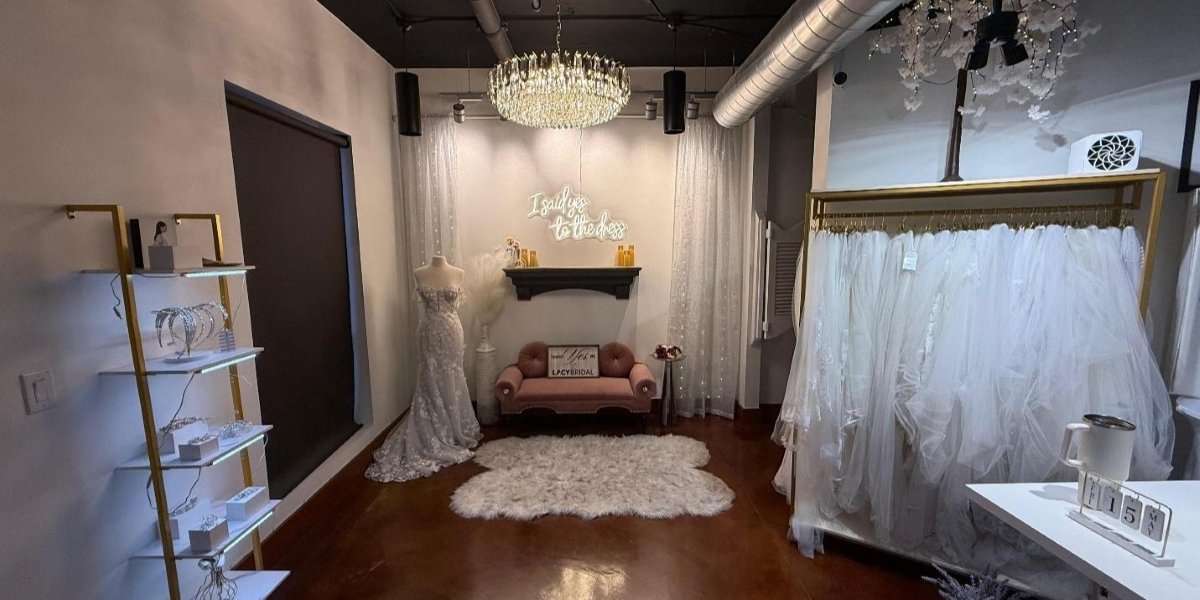
Within this context, Lacy Bridal operates as an appointment-based bridal boutique in San Antonio, Texas, United States. The boutique was founded in 2025 by Lacy and Jonathan Ochs. The boutique offers services that are primarily focused on providing wedding dresses and accessories to its customers through one-on-one consultation services. This is not unique to this particular boutique but is a trend among other independent bridal stores that offer these services.

The process of helping customers through their needs is led by Ochs, who helps them through various dresses that are available, discussing their needs, preferences, and style, including silhouettes that are suitable for each bride, as well as accessories that go well with each dress. The process of helping a bride choose her dress takes several hours, during which several dresses are presented before a decision is reached. In some stores, consultants also help customers plan for other fittings that may be required before the big day.

The one-on-one consultation process is aimed at helping customers realize that this is a very personal process for them, considering that they will wear their dresses only once in their lives. In some instances, customers are accompanied by their parents, siblings, or other close friends during this process. Their feedback becomes part of the appointment. Many bridal boutiques structure seating areas and fitting rooms so guests can view dresses during try-on sessions and discuss options together.

Several bridal retailers document these moments through online storytelling. Lacy Bridal maintains a section on its website titled Real Brides, where narratives describe the experiences of clients who selected dresses at the boutique. These articles recount the visits of individual brides and describe how their appointments unfolded. The stories often present a sequence of events that begins with a scheduled consultation and ends with the bride choosing a dress for her wedding ceremony.

Several narratives in the Real Brides series describe clients who traveled from outside the San Antonio region to visit the boutique. Some stories refer to brides arriving from Dallas, Texas, while others describe a client traveling from Los Angeles, California. Such travel is not uncommon in the bridal fashion sector. Some brides stop by the boutique based on word of mouth or what they found through online research. The comings and goings of customers between cities also mirrors a national wedding market where gowns and designers often move through several regional markets.

The focus on experiential retail is part of a larger trend in the niche apparel markets. Instead of the conventional approach of solely putting the product display, some boutiques offer their services around guided consultation or other forms of personal interaction. This model contrasts with mass retail environments where customers select garments independently. In bridal retail, the presence of consultants and scheduled appointments continues to shape how many clients approach the purchase of a wedding gown.

Since its inception in 2025, the boutique has operated under this consultation-focused approach. Its appointment structure mirrors the format used by many independent bridal stores throughout the United States. Through private fittings, client consultations, and the publication of Real Brides narratives, the store participates in a service model that places emphasis on the interaction between consultant and bride during one of the most visible moments of wedding preparation, a model developed by founders Lacy Ochs and Jonathan Ochs.