By: Matt Emma
For many women, mornings begin with everyone else’s needs. The alarm rings, lunches need packing, emails are already arriving, children are getting dressed, the dog wants to be fed, and somehow breakfast for yourself becomes an afterthought. By the time you’ve remembered your own health goals, half the day has already slipped away.
It’s one reason wellness experts are seeing a growing shift away from complicated routines and toward simple daily rituals that actually fit into real life. Instead of chasing the latest trend or filling kitchen cabinets with endless supplements, more women are looking for sustainable habits that support how they feel from the inside out.
That philosophy is one reason OMARA Wellness has caught the attention of healthcare professionals like Dr. Johanna López Ciro, a doctoral-level Registered Dietitian Nutritionist specializing in metabolic health, digestive disorders, hormone balance, and functional nutrition.
Rather than describing the brand as another wellness craze, she believes its popularity reflects something much more meaningful.
“I would not call OMARA viral,” she explains. “Viral implies trend, and trends fade. What I am seeing is something different. OMARA is gaining traction because it addresses a real clinical gap that women have been navigating without a sustainable solution.”
Women experience unique physiological changes throughout every stage of life. Hormonal fluctuations during the menstrual cycle, pregnancy, postpartum recovery, perimenopause, and menopause can all influence digestion, energy, cravings, and blood sugar regulation. Yet many women are still offered one-size-fits-all advice that often revolves around restriction or unrealistic expectations.
Dr. López Ciro believes those symptoms are rarely isolated.
“Digestive issues, bloating, blood sugar instability, and energy dips are not isolated symptoms,” she says. “They are interconnected, often rooted in gut health and metabolic resilience.”

That growing understanding has helped renew interest in one wellness ritual that has existed for generations: apple cider vinegar with lemon.
Long before wellness influencers made it popular, many cultures embraced apple cider vinegar as part of their daily routine. Modern research has since explored acetic acid, apple cider vinegar’s primary active component, for its potential role in supporting healthy post-meal blood sugar responses and digestion when incorporated into an overall healthy lifestyle.
As someone who has spent more than a decade translating nutrition science into practical habits, Dr. López Ciro says the challenge was never whether the traditional ritual offered promise. It was whether people could realistically stick with it.
“The benefits are real,” she says. “The challenge has always been adherence. The taste is harsh, the preparation is inconsistent, and busy mornings rarely leave space for it.”
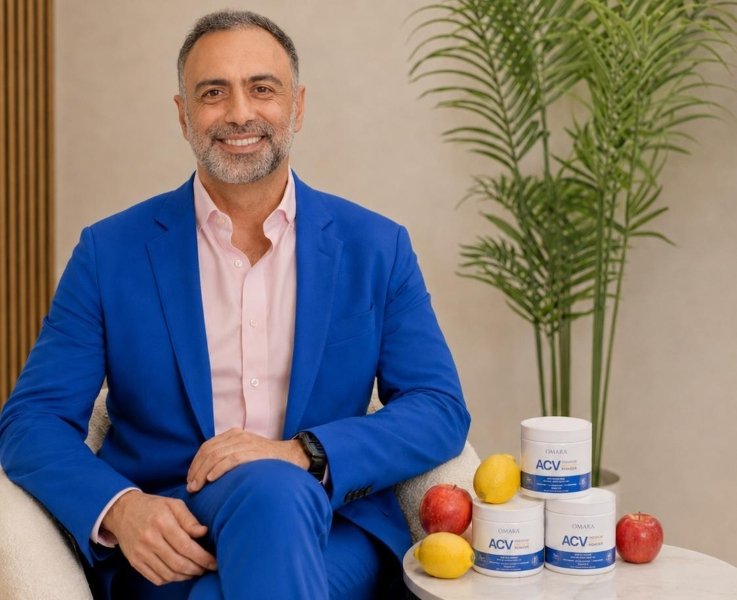
That same frustration inspired OMARA co-founder and interventional pain physician Dr. Peyman Gravori to create the product in the first place.
“OMARA started with my own struggle,” he explains. “I was dealing with constant bloating, severe sugar cravings, and knew the gut was at the root of all of it.”
After experiencing benefits from the traditional apple cider vinegar and lemon routine, he found himself abandoning it because it simply wasn’t practical during busy mornings. Gummies didn’t provide the experience he wanted, while capsules felt disconnected from the ritual itself.
“I built OMARA because I lived the problem it solves,” he says. “The traditional ritual works, but the format breaks.”
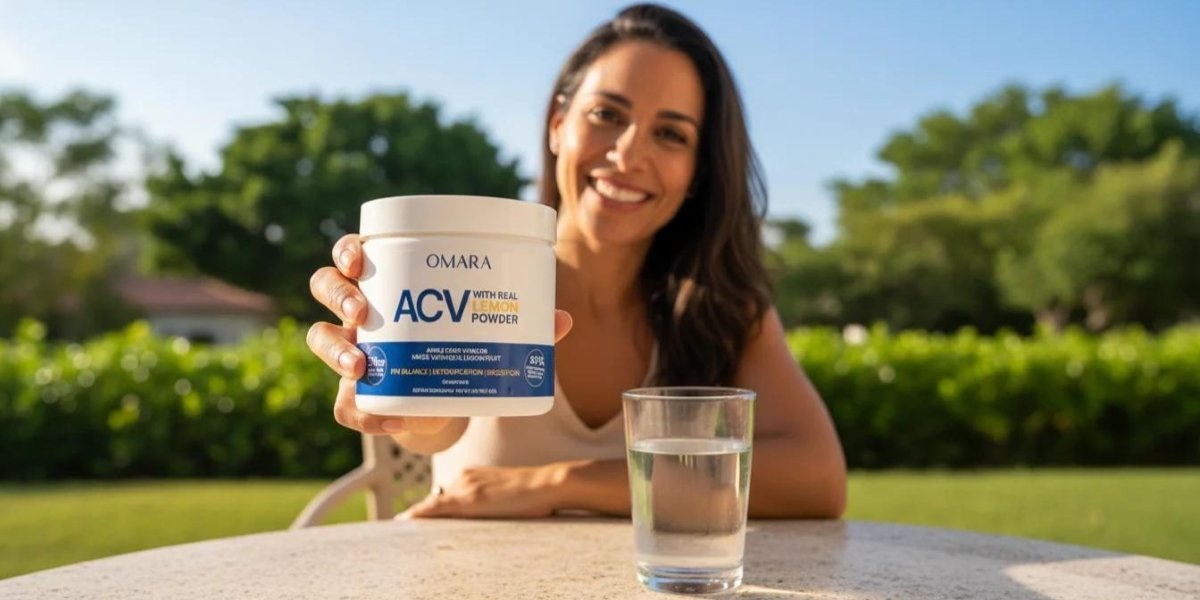
Today, the powder-based formula combines apple cider vinegar, organic whole lemon fruit powder, vitamin D, and zinc in a drink designed to mix quickly with water. According to both experts, the simplicity is part of its appeal.
“The entire ritual takes about thirty seconds,” says Dr. López Ciro. “The morning is when your intentions for the day are still intact.”
That emphasis on consistency may be the biggest lesson of all.
Too often, women feel pressured to overhaul their lives overnight, cutting out favorite foods, following restrictive meal plans, or committing to routines that simply aren’t sustainable once real life gets in the way.
Dr. López Ciro encourages a different mindset.
“As a dietitian, sustainability is not a soft consideration,” she says. “It is the difference between a recommendation that works and one that becomes another abandoned bottle in the cabinet.”
Instead of viewing wellness as perfection, she recommends building a foundation through small habits: staying hydrated, prioritizing protein and fiber, moving your body regularly, and creating intentional morning rituals that are realistic enough to continue for months, not days.
Research examining vinegar consumption has found evidence that it may help support healthy post-meal glucose responses, although experts caution that results vary between individuals and should be viewed as one component of an overall healthy lifestyle rather than a standalone solution. That measured perspective is one both clinicians consistently emphasize.
When asked about incorporating OMARA into a daily routine, Dr. López Ciro is careful to set realistic expectations rather than promise dramatic transformations.
“This is a daily ritual, not a quick fix,” she says. “What I would not expect within thirty days is dramatic transformation.”
That honesty may be refreshing in an industry often filled with exaggerated claims.
Dr. Gravori echoes the same philosophy.
“Consistency matters more than dose,” he says. “OMARA is not a transformation; it is a foundation.”
Perhaps that’s why the conversation surrounding wellness seems to be changing. More women are questioning whether the next miracle product is really necessary, choosing instead to focus on habits that can quietly support them year after year.
Dr. Gravori also encourages women to remove guilt from the equation.
“Eat the pizza. Eat the pasta. Have the popcorn,” he says. “Life is a gift, and constant restriction is not health; it is anxiety dressed as discipline.”
It’s advice that aligns closely with Dr. López Ciro’s own philosophy of treating the root causes of health concerns instead of chasing symptoms. Through her practice, she encourages women to view wellness as a lifelong journey built on evidence, consistency, and compassion toward themselves.
“The morning ritual is not powerful because it is dramatic,” she says. “It is powerful because it is the first intentional act you do for yourself before the world begins asking everything of you.”
In a culture that often celebrates doing more, perhaps the healthiest trend isn’t adding another complicated routine at all. It may simply be giving yourself thirty intentional seconds each morning, a quiet reminder that caring for your own well-being deserves a place on the day’s to-do list, too.
Disclaimer: This article is for informational and editorial purposes only and should not be taken as medical, nutritional, or professional health advice. The statements in this article reflect the opinions and experiences of the individuals quoted and are not intended to diagnose, treat, cure, or prevent any disease. Results may vary from person to person. Readers should consult a qualified healthcare provider before starting any new supplement, wellness routine, or dietary change, especially if they are pregnant, nursing, taking medication, managing diabetes, experiencing digestive issues, or have an existing medical condition.