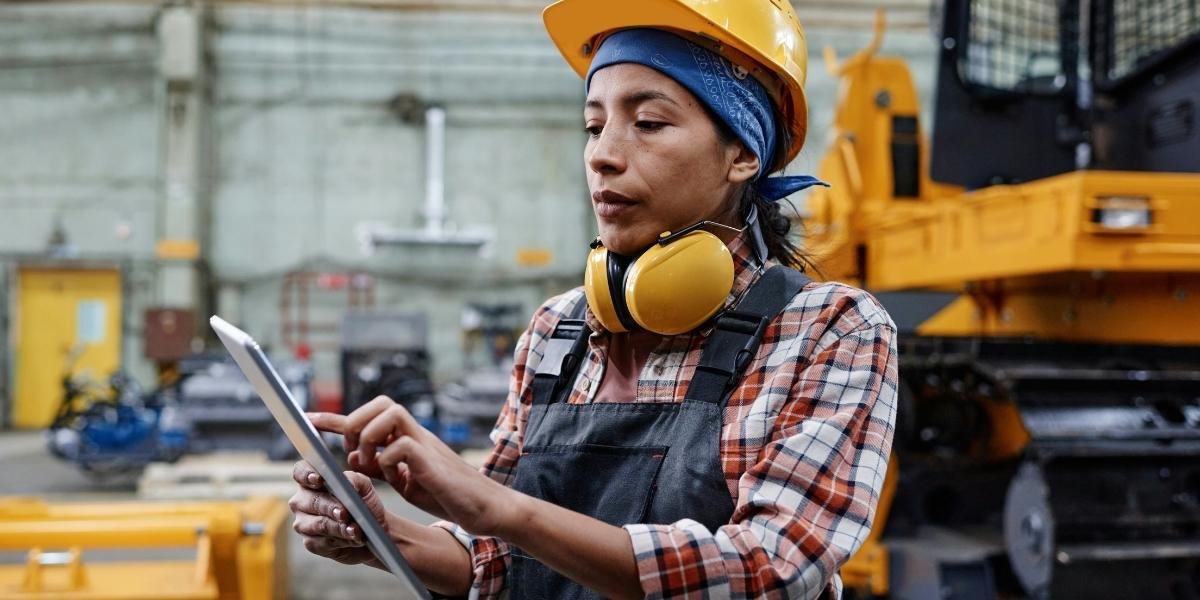
Women are gaining ground in skilled trades such as construction, crane operation, welding and automotive repair as employers expand recruitment efforts and improve workplace conditions. Federal workforce figures show gradual increases in female participation, while technical education institutions report growing enrollment among women pursuing hands-on careers. Despite these gains, women remain underrepresented in many trade occupations, making access to training, career advancement and supportive workplaces important considerations for the industry.
Key Takeaways
- Women accounted for approximately 4.4% of U.S. construction, installation and repair workers in 2025, up from 2.9% a decade earlier
- Tower crane operator Sammy Cossairt earns a reported $120,000 annually, illustrating the earning potential of certain specialized trades
- Women represent 8% of students at Universal Technical Institute, with female enrollment reaching 19% in some technical programs
- Mortenson reports that women now account for more than 10% of its skilled workforce, compared with 7% a decade ago
- Employers are improving recruitment and retention through paid maternity leave, flexible schedules, better facilities and appropriately fitted protective equipment
Women Increase Their Representation in Skilled Trades
Women in skilled trades are entering occupations that have historically employed predominantly male workforces. Construction, equipment operation, electrical work and automotive repair are among the fields where female workers are establishing careers and developing specialized technical skills.
In 2025, women represented approximately 4.4% of workers across U.S. construction, installation and repair occupations, compared with 2.9% a decade earlier. Although the increase represents only 1.5 percentage points, it reflects gradual progress in occupations where women have traditionally held a limited share of positions.
Representation can also influence how prospective workers view career opportunities. Research examining women’s interest in occupations found that women expressed greater interest in fields presented as having higher female representation. While the findings measured career interest rather than actual employment decisions, they suggest that workplace demographics can influence how women perceive different professions.
Greater visibility of female tradespeople may help prospective workers recognize career paths they had not previously considered. However, representation varies considerably across occupations, and increased interest does not automatically translate into employment or long-term retention.
Construction and Technical Careers Attract More Female Workers
Construction and technical occupations provide women with opportunities to develop specialized skills and pursue careers outside traditional office-based roles. Positions involving heavy equipment, mechanical repair and industrial maintenance can offer established career paths, although qualifications, working conditions and compensation vary by occupation.
Sammy Cossairt, a 36-year-old tower crane operator in Nashville, Tennessee, illustrates one such pathway. With nearly a decade of experience, she operates cranes used to move heavy construction materials and earns a reported annual salary of $120,000.
Her experience highlights the income potential available in certain specialized construction roles. However, earnings at that level should not be considered typical across the skilled trades, as salaries depend on factors such as experience, location, employer and job responsibilities.
Automotive repair offers another route into technical employment. Vehicle maintenance, collision repair and refinishing require practical training and familiarity with specialized equipment. As automotive systems become increasingly technology-driven, technicians also work with computerized diagnostic tools and electronic vehicle components.
These occupations demonstrate the variety of careers available within the skilled trades. Women entering these fields can pursue technical training, build experience and develop expertise in areas ranging from machinery operation to mechanical repair.
Technical Education Expands Access to Trade Careers for Women
Technical education institutions are reporting increased female enrollment in programs connected to skilled trade occupations. These programs provide opportunities to develop practical knowledge and prepare for careers in automotive technology, repair and related fields.
Universal Technical Institute, which operates 17 campuses across the United States, reports that women now represent 8% of its student population. That figure has increased from approximately 2% five years earlier, indicating growing female participation in its technical education programs.
Female enrollment is even higher in certain specializations, reaching 19% in areas such as collision repair and automotive refinishing. The difference suggests that some technical disciplines are attracting proportionally more women than the institution’s overall student population.
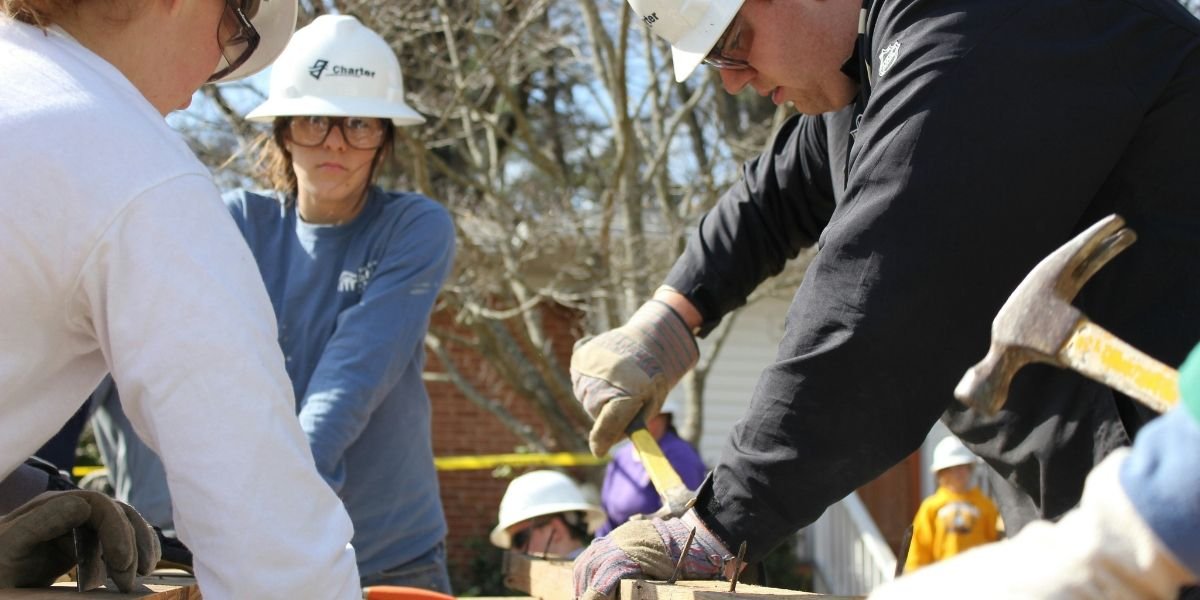
Photo Credit: Unsplash.com
Training programs provide exposure to industry equipment, technical processes and workplace requirements before students enter professional roles. For automotive students, this can include instruction in vehicle diagnostics, maintenance procedures, collision repair and refinishing techniques.
Although these figures indicate greater interest in technical education, enrollment should not be confused with workforce participation. Completing a training program is one step toward employment, while securing a position and remaining in the industry depend on available opportunities and workplace conditions.
Nevertheless, increased enrollment provides an encouraging indication that more women are considering technical careers and pursuing the qualifications needed to enter them.
Employers Introduce Workplace Changes to Recruit and Retain Women
Employers seeking to attract more women into skilled trades are placing greater attention on workplace conditions and employee retention. Alongside recruitment efforts, some construction and technical companies are introducing policies designed to make physically demanding occupations more accessible and sustainable for female workers.
These measures include paid maternity leave, flexible scheduling arrangements, improved job-site facilities and access to properly fitted protective equipment. Employers are also reviewing harassment reporting procedures and workplace conduct expectations to address concerns that can affect employees’ experiences.
Mortenson provides one example of changing workforce practices. Women now represent more than 10% of the construction company’s skilled workforce, up from 7% a decade earlier. In 2024, the company introduced 12 weeks of paid leave for birth mothers in its skilled workforce, expanding support for employees managing family responsibilities.
Scheduling arrangements are another important consideration, particularly for workers balancing demanding shifts with caregiving obligations. Research into workplace flexibility for mothers highlights how predictable schedules, childcare access and leave policies can influence employment experiences.
For skilled tradespeople, flexibility may take different forms than it does in office-based occupations. Construction, equipment operation and mechanical repair typically require workers to be physically present, making scheduling predictability and access to leave especially relevant.
Workplace facilities and safety equipment also play a practical role. Properly fitted protective equipment helps workers perform their duties safely, while accessible bathrooms, appropriate break areas and other basic facilities contribute to working conditions on job sites.
Addressing workplace harassment remains another priority. Clear reporting procedures and consistent responses to inappropriate conduct can help employers establish safer and more professional environments for workers.
Together, these measures reflect a broader recognition that attracting women into skilled trades requires more than recruitment alone. Employers must also consider the conditions that influence whether workers remain in their positions and develop lasting careers.
Workforce Representation Remains Low Across Skilled Trades
Despite increasing participation, women continue to account for a relatively small share of workers in construction, installation and repair occupations. The rise from approximately 2.9% to 4.4% over a decade demonstrates progress, but substantial differences in representation remain.
Technical education enrollment and employer workforce figures offer additional perspectives on these changes. Universal Technical Institute’s growing female student population suggests increased interest in technical training, while Mortenson’s workforce data demonstrate that some employers have increased female participation in skilled positions.
These figures measure different stages of career development and should be considered separately. Education enrollment reflects participation in training, while employment statistics describe the proportion of workers already active in an occupation.
Long-term progress will depend not only on attracting women into these fields but also on providing opportunities for professional development, advancement and continued employment. Access to appropriate equipment, reliable workplace facilities, family-supportive policies and respectful working environments can all influence retention.
As employers continue addressing workforce needs, women represent an important potential source of skilled labor. Expanding training opportunities and strengthening workplace conditions may help more women build sustainable careers in construction and other technical occupations.
Frequently Asked Questions
What skilled trades can women pursue in the United States?
Women can pursue careers in construction, welding, crane operation, electrical work, automotive repair, collision repair and automotive refinishing. Training requirements, compensation and career opportunities vary across these occupations.
What percentage of skilled trade workers are women?
Women accounted for approximately 4.4% of workers across the construction, installation and repair occupations included in the reported 2025 figures, compared with 2.9% a decade earlier. This figure does not represent every occupation within the broader skilled trades workforce.
Can women earn competitive salaries in skilled trades?
Yes. Skilled trades can offer competitive compensation depending on experience, specialization and employer. Nashville tower crane operator Sammy Cossairt, for example, earns a reported $120,000 annually, although earnings vary significantly across occupations.
What training opportunities are available for women entering skilled trades?
Women can pursue technical education programs, apprenticeships and employer-based training. Institutions such as Universal Technical Institute offer programs in automotive technology, collision repair and related fields, providing pathways into technical occupations.
How are employers improving workplace conditions for female tradespeople?
Some employers are introducing paid maternity leave, flexible schedules, improved workplace facilities, appropriately fitted protective equipment and stronger harassment reporting procedures. These measures aim to support recruitment, safety and long-term employee retention.