Women's Journal

Beyond Shame and Expectations: Dr. Barbara Byers on Rediscovering a Woman’s Identity in Christ

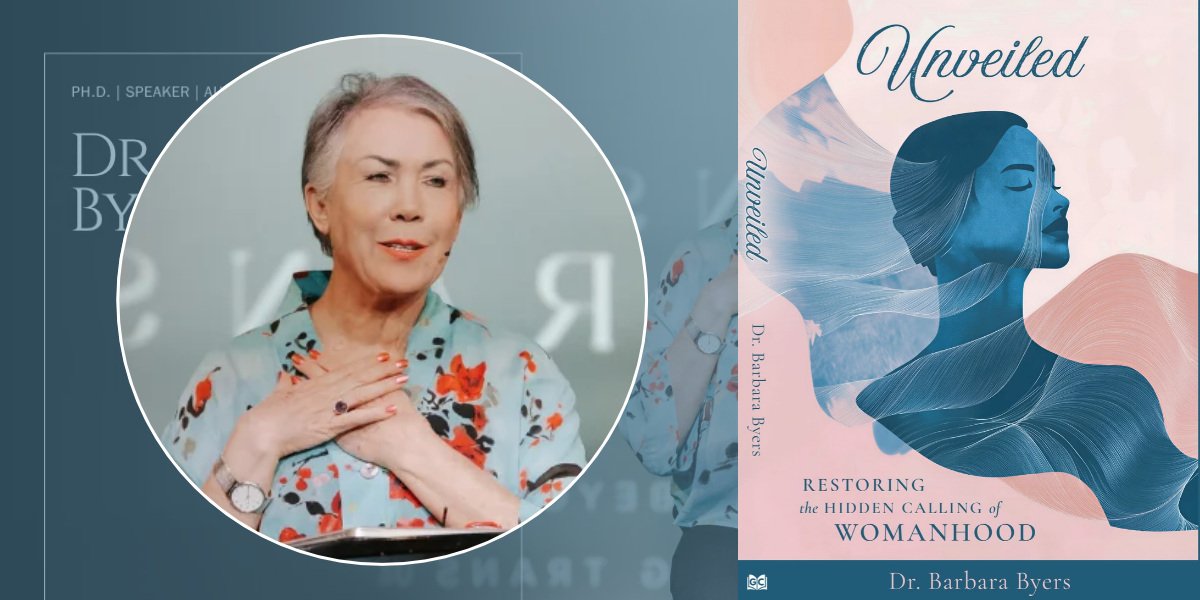
A woman can spend years meeting expectations without ever questioning whether those expectations reflect who she believes she was created to be. Family traditions, cultural assumptions, and deeply held beliefs can shape how women understand their worth, their responsibilities, and the possibilities available to them. Dr. Barbara Byers has spent decades working with women who struggle with these limitations, and her work centers on a question of identity: what becomes possible when women begin to see themselves through the freedom offered by their Christian faith?

In her second book, Unveiled: Restoring the Hidden Calling of Womanhood, Byers explores the relationship between identity, faith, and purpose. She encourages women to move beyond old mindsets and shame toward a clearer understanding of who they believe God designed them to be. Her approach does not ask women to abandon femininity. Instead, it invites them to recognize that nurturing qualities can coexist with strength, wisdom, dignity, and the courage to pursue a meaningful calling.

When Familiar Expectations Become Limitations

Expectations can provide structure and a sense of belonging, but they can also become restrictive when accepted without examination. A woman may come to believe that certain ambitions, abilities, or expressions of strength are incompatible with being feminine, faithful, or caring. Over time, these assumptions can influence the way she evaluates herself and the choices she considers possible.

Byers’ perspective begins with the recognition that women may carry beliefs about themselves that deserve closer examination. With a PhD in Counselor Education, 20 years of private practice as a Licensed Professional Counselor, and nearly five decades of experience in pastoral care and ministry, she brings both counseling experience and a Christian framework to this subject.

She reports having counseled hundreds of women who were caught in old mindsets and describes witnessing women encounter truths that helped them move beyond limiting beliefs and shame. These experiences inform her interest in what may be hidden beneath the expectations women learn to accept.

The process of reconsidering those beliefs is not necessarily a rejection of family, community, or tradition. It can instead involve asking whether an expectation supports a woman’s growth or prevents her from recognizing her abilities and sense of purpose. For Byers, faith provides the foundation for that reflection.

A Christian Understanding of Identity and Freedom

In Unveiled: Restoring the Hidden Calling of Womanhood, Byers frames personal growth through the belief that every woman has a calling from God. She maintains that a woman’s willingness to respond in obedience sets that calling in motion.

Within this understanding, discovering identity involves more than developing confidence or meeting external measures of success. It means examining the beliefs that shape a woman’s choices and considering how her life might reflect her faith, character, and perceived purpose.

Byers’ message is particularly concerned with the relationship between freedom and shame. When women begin to question assumptions that have constrained them, they may find room to reconsider their capabilities and responsibilities. The emphasis is not on promising a particular outcome, but on encouraging women to approach their lives with greater clarity about what they believe and why.

This perspective also makes room for differences in women’s experiences. Their responsibilities, opportunities, and personal circumstances are not identical. Byers’ central message is that a woman’s identity need not be reduced to a narrow set of expectations, and that her understanding of herself can continue to develop through faith and reflection.

Femininity Does Not Require Diminishing Strength

One of the important distinctions in Byers’ work is her interpretation of the biblical description of an excellent woman in Proverbs 31:10. She highlights the Hebrew word chayil, which she explains encompasses qualities such as strength of character, competence, proficiency, force, and ability, rather than virtue alone.

This interpretation broadens the conversation about what femininity can include. Nurture and receptivity can remain valued qualities without requiring women to suppress their strength or underestimate their abilities. A woman can care for others while exercising judgment, developing expertise, accepting responsibility, and pursuing work she considers meaningful.

For Byers, these qualities are compatible with a life grounded in Christ. She believes women can grow in faith, dignity, strength, and wisdom while becoming more fully themselves. That perspective challenges the idea that women must choose between being feminine and being capable.

The distinction is relevant to women examining their own identities because it allows them to consider strength not as a departure from womanhood, but as part of a fuller understanding of it. It also shifts attention away from fitting a prescribed image and toward living with integrity in accordance with one’s convictions.

Making Room for a Calling That Can Grow

Rediscovering identity is not necessarily a single moment of realization. It can involve continued reflection, learning, and a willingness to reconsider beliefs that once seemed unquestionable. Byers’ work invites women to approach that process through the lens of Christian faith, examining what may be obscuring their understanding of themselves and what it means to respond to a God-given calling.

Her message ultimately rests on the idea that women do not have to diminish their strength to honor their femininity. They can cultivate wisdom and competence, care for others, and pursue purpose while remaining grounded in their faith.

Through Unveiled, Byers encourages women to move beyond shame and restrictive expectations toward a more expansive understanding of identity. The result she hopes to inspire is not a single model of womanhood, but a willingness for each woman to recognize her dignity, develop her abilities, and faithfully pursue the calling she believes is hers.

Explore / Learn More and Connect with Dr. Barbara Byers

Book: Unveiled: Restoring the Hidden Calling of Womanhood

Website: https://drbarbarabyers.com/

Facebook: https://www.facebook.com/barbara.byers.330

Spotify: https://open.spotify.com/search/dr%20barbara%20byers
YouTube: https://www.youtube.com/@dr.barbarabyers6957

Dr. Michele Sherwood Discusses the Hidden Health Cost of Perimenopause and Menopause

When Sleep Falls Apart: The Hidden Health Cost of Perimenopause and Menopause a Women’s Journal Contributor Exclusive

By Jay KT

One of the most common complaints I hear from women entering perimenopause sounds something like this:

“I used to sleep great. Now I wake up at 2 or 3 in the morning, my mind switches on, and I can’t get back to sleep.”

Others fall asleep easily but wake repeatedly throughout the night. Some are awakened by hot flashes or night sweats. Others describe their sleep as lighter, more restless and no longer restorative. And then comes the frustration: Why is this suddenly happening to me?

For many women, the answer isn’t simply stress, aging or having too much on their minds. Hormonal changes may be playing a significant role.

Key Takeaways

  • Hormonal fluctuations can disrupt sleep. Changes in estrogen and progesterone during perimenopause and menopause may contribute to insomnia, nighttime awakenings, hot flashes and restless sleep.
  • Poor sleep affects more than energy levels. Chronic sleep disruption can influence mood, memory, metabolism, immune function and cardiovascular health, making restorative sleep essential to healthy aging.
  • Healthy sleep habits are the foundation. Consistent sleep schedules, morning sunlight, regular exercise, stress management and limiting caffeine and alcohol can help improve sleep quality.
  • Hormone therapy may offer relief for some women. Estrogen therapy can help address sleep-disrupting hot flashes and night sweats, while bioidentical micronized progesterone may improve certain aspects of sleep when clinically appropriate.
  • Not every sleep problem is hormonal. Sleep apnea, thyroid dysfunction, anxiety, restless legs and other medical conditions can contribute to poor sleep and should not be overlooked.
  • Women shouldn’t have to accept sleepless nights as inevitable. Understanding the underlying causes and pursuing individualized care can help protect sleep, overall health, independence and long-term quality of life.

Perimenopause Can Change the Way You Slee

Perimenopause commonly begins during a woman’s 40s, although timing varies. During this transition, estrogen and progesterone don’t simply decline in a smooth, predictable fashion. Hormone levels can fluctuate significantly. Sleep disturbances are a recognized symptom of both perimenopause and menopause. Women may experience difficulty falling asleep, frequent nighttime awakenings, early-morning waking or sleep disrupted by hot flashes and night sweats.

Progesterone deserves particular attention. Often thought of primarily as a reproductive hormone, progesterone also influences the nervous system. One of its metabolites, allopregnanolone, interacts with the brain’s GABA-A receptors, part of a major calming signaling pathway. This helps explain why changing progesterone physiology during menopause may contribute to changes in sleep. But hormones aren’t the only possible culprit. Anxiety, depression, thyroid dysfunction, sleep apnea, restless legs, medications, alcohol, chronic pain and other medical conditions can all interfere with restorative sleep. The goal should never be simply to sedate a woman. The goal is to understand why she isn’t sleeping.

Poor Sleep Doesn’t Stay in the Bedroom

I want women to understand something very clearly: Sleep is not optional recovery time. Sleep is essential physiology. When sleep deteriorates night after night, the consequences can affect nearly every system in the body. Poor sleep can impair concentration, memory, mood, appetite, energy, exercise recovery, immune function and metabolic health. Chronic inadequate or poor-quality sleep is also associated with increased risks of hypertension, cardiovascular disease, diabetes, kidney disease and stroke. This can create a vicious cycle during menopause.

You don’t sleep well, so you wake up exhausted. Exercise becomes harder. Cravings increase. Stress tolerance decreases. You reach for more caffeine during the day or perhaps alcohol at night. Your body composition begins changing, your mood suffers, and you become frustrated that you no longer feel like yourself.

Then you go to bed already worried about whether you’ll sleep. Sleep dysfunction can become whole-body dysfunction. That’s why I don’t consider sleep a luxury in a woman’s longevity program. I consider it foundational.

Start With the Basics, but Take Them Seriously

Before reaching for another medication or supplement, take an honest look at your sleep environment and daily routine. Maintain consistent bedtimes and wake times. Keep your bedroom dark, quiet and comfortably cool. Exercise regularly but avoid intense workouts immediately before bed. Reduce afternoon and evening caffeine, minimize alcohol near bedtime, and avoid large meals immediately before sleep. And keep phones, televisions, tablets and work from dominating your bedroom. These recommendations may sound simple, but they deserve to be emphasized, heard and practiced.

I also encourage women to get adequate morning light, move their bodies daily, strength train regularly, manage stress intentionally and pay attention to nutrition and metabolic health. These habits help support the body’s natural sleep-wake rhythm and overall resilience. But sometimes a woman is doing everything right and still isn’t sleeping. That’s when we need to look deeper.

Don’t Ignore Hormones

A comprehensive evaluation should consider the entire hormonal picture rather than chasing a single laboratory number. Depending on the individual, that may include thyroid function, reproductive hormones, metabolic markers, nutritional status, medications, menstrual history and symptoms. For the appropriate woman, menopausal hormone therapy may also be worth discussing with her clinician.

Estrogen therapy can be particularly effective when hot flashes and night sweats repeatedly interrupt sleep. Systemic estrogen is considered the most effective treatment for menopausal vasomotor symptoms.

Estradiol also has important functions beyond managing hot flashes, which deserve their own discussion.

But another hormone warrants particular attention when we’re talking about sleep.

Bioidentical Micronized Progesterone

When I use the term “bioidentical progesterone”, I’m referring to progesterone that is molecularly identical to the hormone naturally produced by the human body. Micronized progesterone is especially interesting because of its potential effects on sleep physiology. A systematic review and meta-analysis of randomized controlled trials found improvements in several sleep outcomes, with the strongest pooled evidence showing a reduction in the time it takes to fall asleep. Some trials have also reported improvements in sleep efficiency and reduced wakefulness during the night.

This doesn’t mean progesterone is a sleeping pill, or that every woman experiencing insomnia needs progesterone. It means that when sleep disruption develops during the menopausal transition, a woman’s hormonal physiology deserves to be part of the conversation. Because oral micronized progesterone can cause drowsiness, it’s commonly taken at night when prescribed. The appropriate formulation, dose and timing, and whether estrogen or another treatment should accompany it, must be individualized by a qualified clinician.

Hormone therapy isn’t appropriate for everyone. Personal medical history, risk factors and potential contraindications must always be considered.

Sometimes It Isn’t Hormones

This is equally important. If a woman snores loudly, wakes gasping, experiences morning headaches, struggles with significant daytime sleepiness or continues sleeping poorly despite addressing lifestyle and hormonal factors, we need to consider obstructive sleep apnea. Sleep apnea becomes increasingly important to evaluate as women age, and its symptoms can easily be mistaken for ordinary menopause fatigue. Restless legs, depression, anxiety, thyroid abnormalities, chronic pain and medication effects can also disrupt sleep. Treat the cause, not merely the symptom.

My Message to Women

If your sleep changed dramatically during perimenopause or menopause, don’t accept the idea that you simply have to live with it. Your body is changing, and those changes deserve to be understood. Start with the fundamentals: morning light, movement, nutrition, stress management, caffeine and alcohol intake, your sleep environment and a consistent bedtime routine. Then investigate what may be happening physiologically.

Look at hormonal health, thyroid function and metabolic markers. Consider the impact of hot flashes and night sweats. Screen for sleep apnea when appropriate. And have an informed conversation with a knowledgeable healthcare professional about whether menopausal hormone therapy, including bioidentical micronized progesterone when appropriate, could be part of your individualized plan. Most importantly, don’t underestimate sleep. Sleep is when your body repairs, restores, regulates and prepares you for tomorrow. Protecting your sleep is one of the most important investments you can make in your healthspan, your performance and your longevity.

About Dr. Michele Sherwood

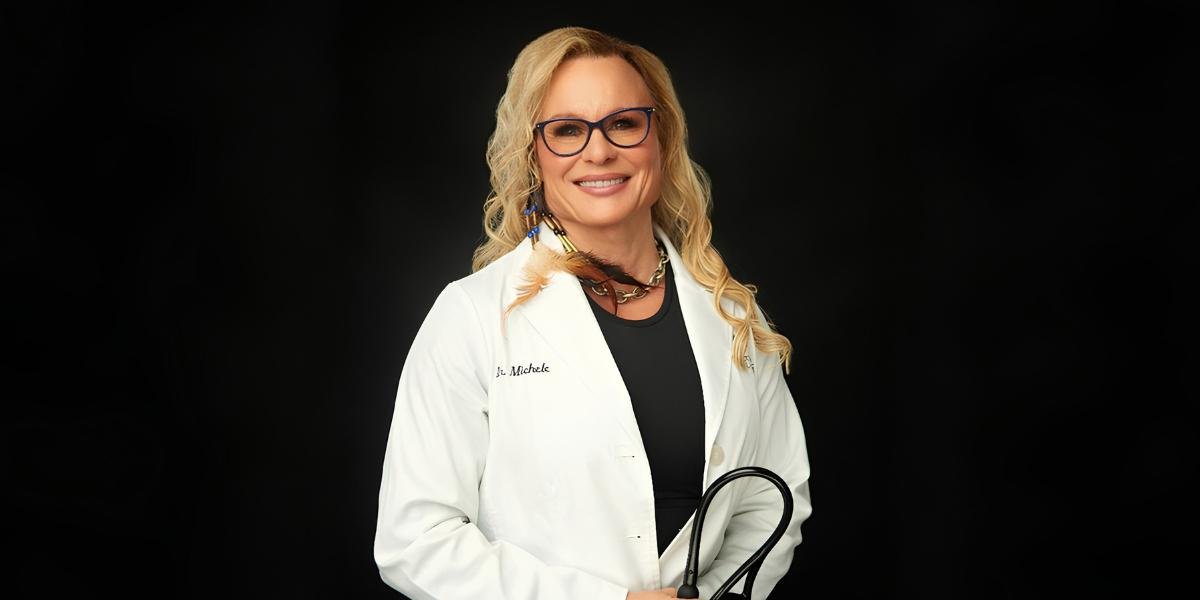
Dr. Michele Sherwood, DO, is a physician, educator, author, and speaker, and co-founder of the Functional Medical Institute in Tulsa, Oklahoma. Together with her husband, Dr. Mark Sherwood, ND, a traditional naturopathic doctor and clinician, she focuses on personalized, whole-person health with an emphasis on prevention, metabolic health, healthy aging, performance, and longevity. The Sherwoods are also behind the Countdown Method, their health and performance brand offering products designed to support energy, nutrition, movement, recovery, and overall wellness. Through their clinical work, wellness brands, books, podcasts, speaking engagements and educational outreach, the Sherwoods have dedicated their careers to helping people better understand their health and become proactive participants in their long-term wellbeing.

Their new book, Authentic Longevity: Unlocking Lifelong Vitality, The Sherwood Way, combines decades of clinical experience, real patient stories, and actionable science to explore nutrition, movement, sleep, stress, hydration, genetics, peptides, supplements, hormones, and laboratory testing alongside the often-overlooked role of emotional and spiritual health. Authentic Longevity: Unlocking Lifelong Vitality, The Sherwood Way is available HERE. Listen to their weekly podcast HERE.

What Does the American Dream Demand? Mohammad Shair on Law, Dignity, and Belonging

The American Dream is often described through opportunity. It can mean the chance to work, build a career, provide for a family, and create a future that may not have been possible elsewhere. But for people who come to America from other countries, the pursuit of that dream can involve questions that extend beyond economic opportunity. It can involve identity, family, security, dignity, and the desire to feel that there is a place where one belongs.

For Mohammad Shair, those questions are both personal and professional. As the son of Palestinian immigrants and an immigration attorney, Shair has experienced the subject from within his own family and through years of legal practice. His book, The Cost of Belonging: Immigration and the Fight for the American Dream, brings those perspectives together to examine what it means to build a life between countries, identities, laws, and competing definitions of belonging.

The Dream Behind the Destination

The pursuit of the American Dream is often associated with reaching a destination: obtaining a job, building a business, establishing financial stability, or creating a secure future for a family.

For immigrants, however, reaching that destination can require years of uncertainty and sacrifice.

Immigration status can affect whether someone can work, travel, remain with loved ones, or plan for the future. These practical concerns can shape more than a person’s legal circumstances. They can influence family decisions, professional opportunities, personal identity, and a sense of security.

That reality adds another dimension to the American Dream. The goal is not simply to arrive or achieve. It is also to build a life with enough stability and dignity to allow people and families to imagine a future.

Mohammad Shair on the Meaning of Belonging

Shair’s perspective is shaped by growing up in Tampa as the son of Palestinian immigrants. His family’s experience gave him an early awareness of how immigration status can influence ordinary aspects of life.

His professional path eventually brought him into immigration law, where he encountered many of the same broader questions from a different position. His practice spans employment-based immigration, family reunification, asylum, humanitarian protection, and removal defense.

That combination gives Shair two perspectives on belonging.

As an attorney, he understands the legal structures that shape immigration. As the child of immigrants, he understands that those structures can have consequences that extend far beyond paperwork and procedures.

For Shair, immigration therefore cannot be reduced to a technical question of status. It can also be a question of family, identity, opportunity, and the ability to build a life with dignity.

Law and Human Dignity

Law establishes systems and categories, but people experience those systems through the circumstances of their lives.

A legal proceeding can affect a family’s ability to remain together. An immigration decision can influence someone’s ability to work or pursue an opportunity. A question of status can affect how a person thinks about the future.

Recognizing these human dimensions does not eliminate the importance of the law. It adds context to what the law means for the people living within it.

Shair’s background in philosophy and religious studies also informs his interest in questions of justice, faith, citizenship, and human dignity. Those subjects provide a broader framework for considering what immigration means beyond the immediate legal question.

His approach is therefore not limited to explaining immigration law. It also asks what the system means for people trying to build lives within it.

The Cost of Belonging

The title of Shair’s book reflects the sacrifices that can accompany the pursuit of belonging.

The Cost of Belonging: Immigration and the Fight for the American Dream combines intergenerational personal narrative, accessible explanations of immigration law, and reflections on identity, faith, citizenship, and justice. At its center is a question about the obligations involved in pursuing and offering the American Dream.

For those who immigrate, the pursuit may involve uncertainty, sacrifice, adaptation, and the challenge of building a life across different identities and cultures. For the country they hope to join, the question becomes how its laws and institutions can balance legal structures with principles such as dignity, liberty, opportunity, and due process.

Shair’s work explores that tension without reducing it to a simple answer.

A Broader Understanding of the American Dream

The American Dream can be understood as more than economic advancement or legal status. It can also represent the opportunity to create a meaningful life, protect a family, contribute through work, and develop a genuine sense of belonging.

For Shair, that broader understanding is informed by both his family history and his legal career. His experience demonstrates how the American Dream can exist simultaneously as an aspiration, a responsibility, and an ongoing question about what it means to become part of a country.

That perspective is at the heart of The Cost of Belonging. Rather than treating immigration as an issue that can be understood through labels alone, the book examines the people and values behind the system.

Ultimately, belonging is about more than reaching a destination. It is about whether people can build a life with dignity, opportunity, and a meaningful connection to the communities they seek to call home. For those pursuing the American Dream, and for those considering what that dream should mean, that may be one of the most important questions to ask.

Explore / Learn More and Connect with Mohammad Shair

Website: Shair Legal

Book: The Cost of Belonging: Immigration and the Fight for the American Dream

LinkedIn: Mohammad Shair

Instagram: Mohammad Shair

Disclaimer: The content in this article is provided for general knowledge. It does not constitute legal advice, and readers should seek advice from qualified legal professionals regarding particular cases or situations.