The American Dream is often described through opportunity. It can mean the chance to work, build a career, provide for a family, and create a future that may not have been possible elsewhere. But for people who come to America from other countries, the pursuit of that dream can involve questions that extend beyond economic opportunity. It can involve identity, family, security, dignity, and the desire to feel that there is a place where one belongs.
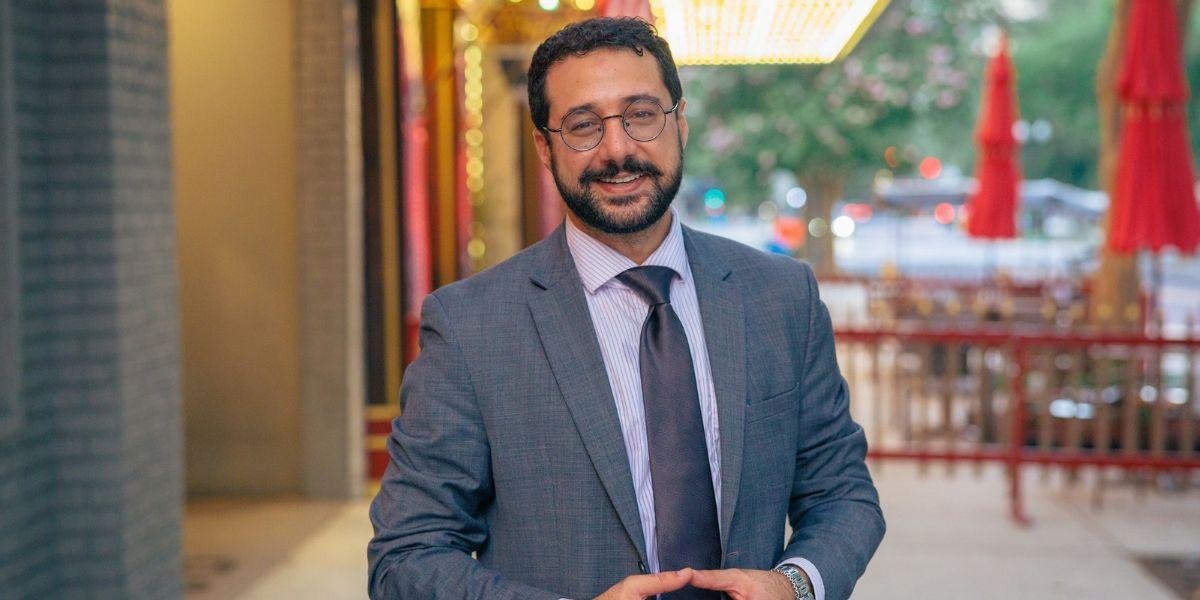
For Mohammad Shair, those questions are both personal and professional. As the son of Palestinian immigrants and an immigration attorney, Shair has experienced the subject from within his own family and through years of legal practice. His book, The Cost of Belonging: Immigration and the Fight for the American Dream, brings those perspectives together to examine what it means to build a life between countries, identities, laws, and competing definitions of belonging.
The Dream Behind the Destination
The pursuit of the American Dream is often associated with reaching a destination: obtaining a job, building a business, establishing financial stability, or creating a secure future for a family.
For immigrants, however, reaching that destination can require years of uncertainty and sacrifice.
Immigration status can affect whether someone can work, travel, remain with loved ones, or plan for the future. These practical concerns can shape more than a person’s legal circumstances. They can influence family decisions, professional opportunities, personal identity, and a sense of security.
That reality adds another dimension to the American Dream. The goal is not simply to arrive or achieve. It is also to build a life with enough stability and dignity to allow people and families to imagine a future.
Mohammad Shair on the Meaning of Belonging
Shair’s perspective is shaped by growing up in Tampa as the son of Palestinian immigrants. His family’s experience gave him an early awareness of how immigration status can influence ordinary aspects of life.
His professional path eventually brought him into immigration law, where he encountered many of the same broader questions from a different position. His practice spans employment-based immigration, family reunification, asylum, humanitarian protection, and removal defense.
That combination gives Shair two perspectives on belonging.
As an attorney, he understands the legal structures that shape immigration. As the child of immigrants, he understands that those structures can have consequences that extend far beyond paperwork and procedures.
For Shair, immigration therefore cannot be reduced to a technical question of status. It can also be a question of family, identity, opportunity, and the ability to build a life with dignity.
Law and Human Dignity
Law establishes systems and categories, but people experience those systems through the circumstances of their lives.
A legal proceeding can affect a family’s ability to remain together. An immigration decision can influence someone’s ability to work or pursue an opportunity. A question of status can affect how a person thinks about the future.
Recognizing these human dimensions does not eliminate the importance of the law. It adds context to what the law means for the people living within it.
Shair’s background in philosophy and religious studies also informs his interest in questions of justice, faith, citizenship, and human dignity. Those subjects provide a broader framework for considering what immigration means beyond the immediate legal question.
His approach is therefore not limited to explaining immigration law. It also asks what the system means for people trying to build lives within it.
The Cost of Belonging
The title of Shair’s book reflects the sacrifices that can accompany the pursuit of belonging.
The Cost of Belonging: Immigration and the Fight for the American Dream combines intergenerational personal narrative, accessible explanations of immigration law, and reflections on identity, faith, citizenship, and justice. At its center is a question about the obligations involved in pursuing and offering the American Dream.
For those who immigrate, the pursuit may involve uncertainty, sacrifice, adaptation, and the challenge of building a life across different identities and cultures. For the country they hope to join, the question becomes how its laws and institutions can balance legal structures with principles such as dignity, liberty, opportunity, and due process.
Shair’s work explores that tension without reducing it to a simple answer.
A Broader Understanding of the American Dream
The American Dream can be understood as more than economic advancement or legal status. It can also represent the opportunity to create a meaningful life, protect a family, contribute through work, and develop a genuine sense of belonging.
For Shair, that broader understanding is informed by both his family history and his legal career. His experience demonstrates how the American Dream can exist simultaneously as an aspiration, a responsibility, and an ongoing question about what it means to become part of a country.
That perspective is at the heart of The Cost of Belonging. Rather than treating immigration as an issue that can be understood through labels alone, the book examines the people and values behind the system.
Ultimately, belonging is about more than reaching a destination. It is about whether people can build a life with dignity, opportunity, and a meaningful connection to the communities they seek to call home. For those pursuing the American Dream, and for those considering what that dream should mean, that may be one of the most important questions to ask.
Explore / Learn More and Connect with Mohammad Shair
Website: Shair Legal
Book: The Cost of Belonging: Immigration and the Fight for the American Dream
LinkedIn: Mohammad Shair
Instagram: Mohammad Shair
Disclaimer: The content in this article is provided for general knowledge. It does not constitute legal advice, and readers should seek advice from qualified legal professionals regarding particular cases or situations.