By: Christina Salerno, Chief Dreamer of Dreamers & Doers, a curated community and PR Hype Machine® for extraordinary women entrepreneurs
People often describe confidence as a personality trait: something a leader either has or lacks. Many women who run companies describe it differently. In their experience, confidence depends on what surrounds them: how they start the day, who they lean on, what they refuse to carry, and whether they keep track of what’s working.
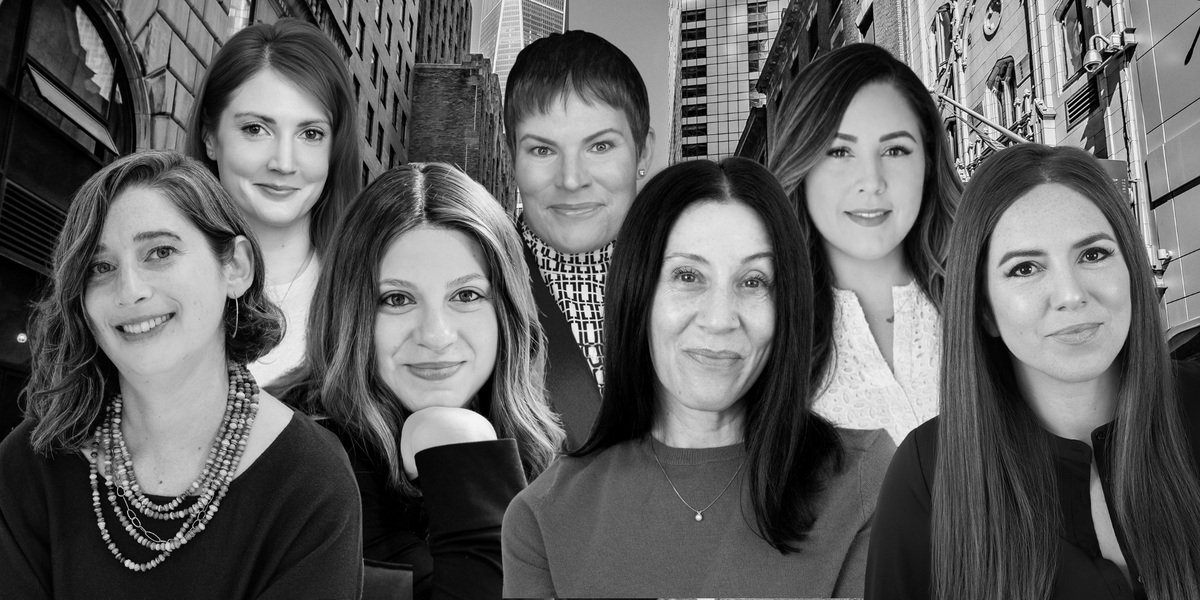
Below, leaders from the Dreamers & Doers community shared the practices, people, and boundaries that keep their confidence steady, especially in the seasons that test it.
Change the Conditions
Low confidence is easy to read as a personal flaw, but often it’s just a sign that the circumstances need to change. For years, Stephanie Lemek treated her lack of confidence as a personal deficit to fix with more preparation and more proving. The real shift, says the founder and CEO of consultancy The Wounded Workforce, was realizing that much of what she had labeled inadequacy “was a rational response to conditions that weren’t built for the way I led.”
“Once I stopped trying to fix myself and started changing what surrounded me, I led from clarity instead of apology,” Lemek says.
Lorena Wade spent years as a senior healthcare executive leading complex, multi-state operations. She was used to being the person who could push through, until her body made her stop. Now the founder of Stewarded Path, a coaching and leadership development practice, she asks herself a different question.
“I shifted from asking, ‘Can I handle this?’ to ‘Should I have to?’” Wade says. “I no longer measure my leadership by how much I can personally absorb, but by what I can build, empower, and sustain.”
Kristine Frost, founder of executive advisory Shattered Glass Advisory, relies on a list of non-negotiables for home and work. At home, that means a four-step morning routine she doesn’t deviate from. At work, her non-negotiables center on integrity, ethics, and reputation, and when they’re tested, she has learned to walk away.
“It’s tough to say ‘no’ to a boss or CEO,” Frost says. “But it’s much more difficult to live with the turmoil of having your non-negotiables go by the wayside.”
Make Room for Stillness
Being busy can feel like progress, but many of the leaders we spoke with found that confidence grew once they stopped filling every minute.
Almost two years ago, Stacie Sussman, founder of RevUp Advisory, committed to a quiet morning practice: before the school carpool, before the inbox, before anyone needs anything from her, she moves her body, breathes, and lets her mind settle.
“I stopped reacting and started leading,” Sussman says. “I show up to hard conversations clearer. I make decisions faster. I know my ‘hell yes’ from my ‘hard no’ and I don’t second-guess either one anymore.”
Erin Hines, founder of Darn Good Business Coach, builds small pockets of time with no agenda and no outside input into her days, like sitting outside for 20 minutes to watch nature. At first, her mind would immediately start cataloging everything she should be doing, but now, she reaps the confidence benefits.
“Some of my clearest leadership has come from trusting the slow, quiet moments long enough for the noise to settle,” Hines says.
Sya Warfield, founder and executive director of arts-based wellness organization Upward Together, finds that presence through movement. She deliberately seeks out disciplines like Capoeira, dance, boxing, and kickboxing that make her a beginner again and again. “That practice taught me confidence isn’t something you need before you start; it’s built by staying present through not knowing,” she says.
The physical work of building confidence can also be much quieter. When Ariana Friedlander, founder and principal of somatic leadership coaching practice Rosabella Consulting, dealt with a trauma response that left her anxious and doubt-filled for a few years, a breathwork practice is what brought her confidence back.
“It gave me a safe container to feel what was actually there,” explains Friedlander. “Learning to sit with the darkness was what finally let me feel into my strength instead of shrinking it.”
Don’t Do It Alone
The girlboss-era image of the founder who handles everything solo is still very present in our cultural lexicon, but it’s rarely sustainable in practice. Community is more valuable than isolation.
Rochelle Sonnenberg, founder of Her Tech Community, intentionally surrounded herself with women leaders building careers with clarity and integrity, not just speed. Their honesty and support helped her see her own leadership more clearly and trust her instincts.
“Confidence grows faster in community,” Sonnenberg says. “Being witnessed by other women made it easier to recognize the power I already had.”
For Cat Castellanos, founder of post-sweat apparel brand Glow Theory, growing her confidence meant hiring for it. She was overwhelmed by the idea of producing a clothing product, unsure whether to start with a local sewist or how to find a trustworthy factory. Bringing on a product coordinator “gave me the support to grow my company and my confidence,” she says. “Just because you’re a solo entrepreneur does not mean you have to do it alone!”
Nathalie Molina Niño, co-founder of Built, Fund as a Service, doesn’t just look for collaborators who fill her skill gaps, but who help her tap into more confidence.
“Confidence, like any other important resource, can be depleted,” Molina Niño says. “Finding people to partner with who recharge your supply is the single most important criterion when deciding who to work with, and who to leave behind.”
Finally, remember it’s okay to call your mom or any other support system you’ve leaned on your whole life when the going gets tough and your confidence runs low. leaned on the people who have always backed her. When she set up her branding agency, HiPitched, at 25, Avital Eusgeld was scared people wouldn’t take her seriously. “I remember calling my mum and she said, ‘Think about how much you have already achieved. You can do this and, if it fails, then you’ll move on to something else.” That gave her the boost she needed to go for it.
Keep the Evidence
If all else fails, these women say to look for proof of your abilities to bolster your confidence in them.
When trying to believe in her impact, Myra Deshmukh, founder and CEO of Leadership Lab, tried what she calls a “Strength Text” exercise. She asked people who had worked closely with her to text her what they saw as her unique strengths and the impact she’d had on them. Seeing herself through someone else’s eyes helped her show up with more confidence in the value she brings.
“We often take for granted the impact we have on other people because we’re too close to our own work,” Deshmukh says.
Lis Best, founder of Girls Club Collective, keeps a collection of kind emails, screenshots, and client love to return to whenever she feels uncertain about the next big thing she’s pursuing.
“As humans, we have a bias toward the negative,” Best shares. “It’s not our fault, but we can combat it with evidence.”
Lakeya Cherry, CEO and founder of Lakeya Cherry LLC, has facilitated Brené Brown’s Dare to Lead™ courage-building work since 2019, which has required her to practice the same courage she helps others develop. Confronting her own shame, insecurities, and fear taught her to step into the arena before she felt fully ready.
“Each time I act while fear is present, I build evidence that I can trust myself,” Cherry says. “Courage is teachable, measurable, and observable. Confidence grows when we are willing to practice it.”
None of these practices is dramatic: a morning routine, a few texts from colleagues, a folder of kind emails. That’s what makes them useful. They’re still there on the days confidence isn’t.
About Dreamers & Doers
All individuals featured in this article are members of Dreamers & Doers, a highly curated community and PR Hype Machine® amplifying extraordinary women entrepreneurs and leaders through authentic connections, credibility-boosting visibility, and opportunities that accelerate big dreams. (Learn more about membership here.)