By: Shawn Mars
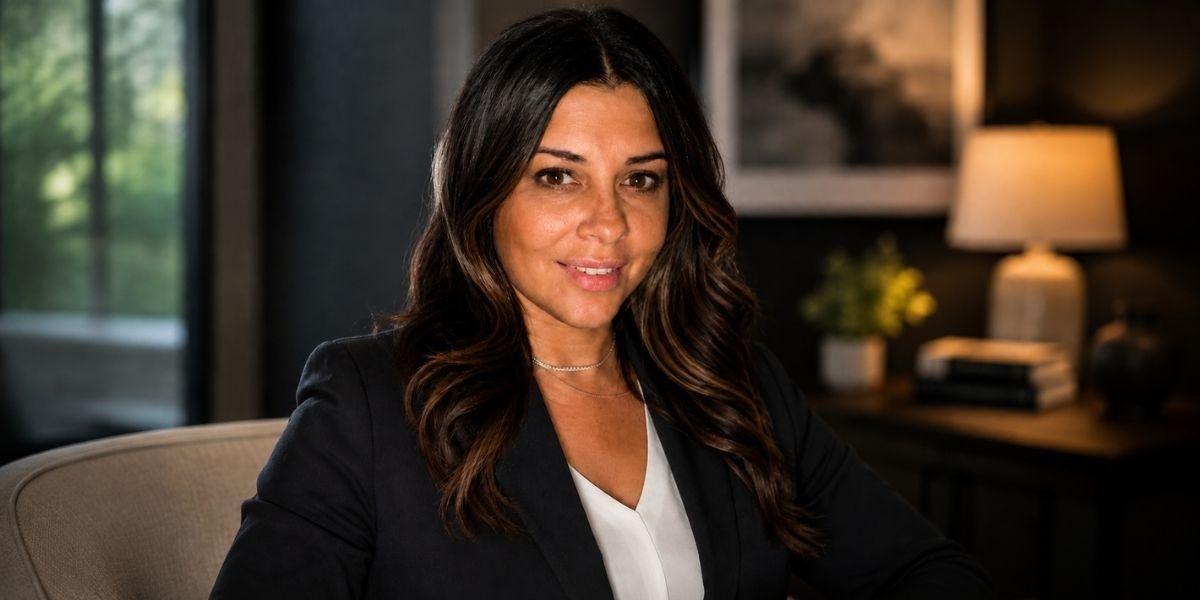
Not every author thinks about who’s holding their book once it leaves the shelf. Nicole Stone does, and one specific group of women is at the center of her plans.
Stone, a debut novelist, finance professional, and mother of three based in Southwest Florida, intends to donate copies of her first novel, Toxically Ever After: A Story of Toxic Love, Addiction, Survival, Perseverance and Starting Over, to women held at the Lee County Jail.
It isn’t a promotional gesture. It’s personal.
Stone spent months incarcerated there herself during what she describes as one of the lowest points of her life. More than three years sober, she has since rebuilt her career, her independence, and her sense of self.
“Donating copies to the women at the Lee County Jail is personal for me,” Stone says. “I’ve sat where they’re sitting. If one woman reads Grace’s story and comes away believing her own story isn’t over, then putting the book in her hands matters to me.”
A Story for Women Who See Pieces of Themselves in Grace
Toxically Ever After follows Grace Everly, a fictional protagonist whose choices live in the gray areas of toxic love and addiction. She stays when readers want her to leave. She goes back when she knows better. She makes destructive choices, rationalizes what is happening around her, and gradually loses pieces of herself along the way.
Stone was deliberate about writing Grace this way.
Grace isn’t written as a victim. She is complicated, impulsive, and often responsible for her own destructive choices. She knows when something is hurting her and sometimes chooses it anyway. Stone lets her exist in that uncomfortable space without excusing her behavior or reducing her to what happened to her.
Through Grace, Toxically Ever After dives into the messy realities of toxic love and addiction, why people stay, why they go back, the destructive choices they make along the way, and what it takes to finally break the cycle.
Stone believes there is something recognizable in that struggle, particularly for women who have experienced relationships, addiction, or other circumstances in which losing yourself happens gradually rather than all at once.
Her own experiences give her a personal connection to many of the novel’s themes, but Grace has a story of her own. Fiction gave Stone the freedom to explore those difficult subjects without the constraints of telling her own story.
Rebuilding as a Woman, Not Just an Author

Originally from the Baltimore, Maryland area and now based in Southwest Florida, Stone has lived through emotionally abusive relationships, addiction, major personal losses, and the consequences of choices she no longer tries to hide.
What she also knows is what came afterward.
More than three years sober, Stone has rebuilt her life piece by piece. She is candid that the process was not a single turning point followed by a clean upward trajectory. Rebuilding meant returning to work, regaining independence, living with the past instead of trying to erase it, and slowly learning to believe that a different future was possible.
That experience shapes the way Stone talks about starting over. She does not present recovery as something polished or inspirational from a distance. For her, it has been the ordinary, unglamorous kind, years of small decisions that eventually added up to a life that looked very different from the one she once knew.
“Your worst chapter doesn’t have to be your last,” Stone says. “I’m not ashamed of where I’ve been. I’m proud of what I built after it.”
Bringing the Book Back to the Lee County Jail
That history is what gives Stone’s planned donation particular significance.
Having once been one of the women sitting on the other side of those walls, Stone understands what it feels like to reach a point where imagining a different future can seem almost impossible.
She doesn’t expect a novel to change someone’s life by itself. What she hopes Toxically Ever After can offer is something more immediate: a chance to disappear into someone else’s story and perhaps recognize that being in the middle of a bad chapter does not mean you already know how your own story ends.
For Stone, the women at the Lee County Jail do not need a polished success story from someone pretending the past never happened. She wants them to know something much simpler: the woman whose name is now printed across the cover of the book once sat where they are sitting.
And then her life kept going.
More Than One Book

Toxically Ever After may be Stone’s debut, but Grace Everly’s story is far from finished.
Stone is already writing a prequel that will take readers deeper into Grace’s past, exploring the early relationships, experiences, and choices that shaped her before the events of Toxically Ever After.
The prequel will explore how toxic patterns take root long before their consequences become obvious, giving readers a look at Grace before the unraveling and a deeper understanding of how she became the woman readers meet in Toxically Ever After.
For Stone, it is a chance to answer the question underneath Grace’s story:
How did Grace become Grace?
It is also another step forward for an author whose own life has taught her that where a story begins does not have to determine where it ends.
Toxically Ever After is available for pre-order through Amazon and Barnes & Noble. Readers can learn more through Nicole Stone’s official author website and follow updates on the prequel through her author page on Facebook.