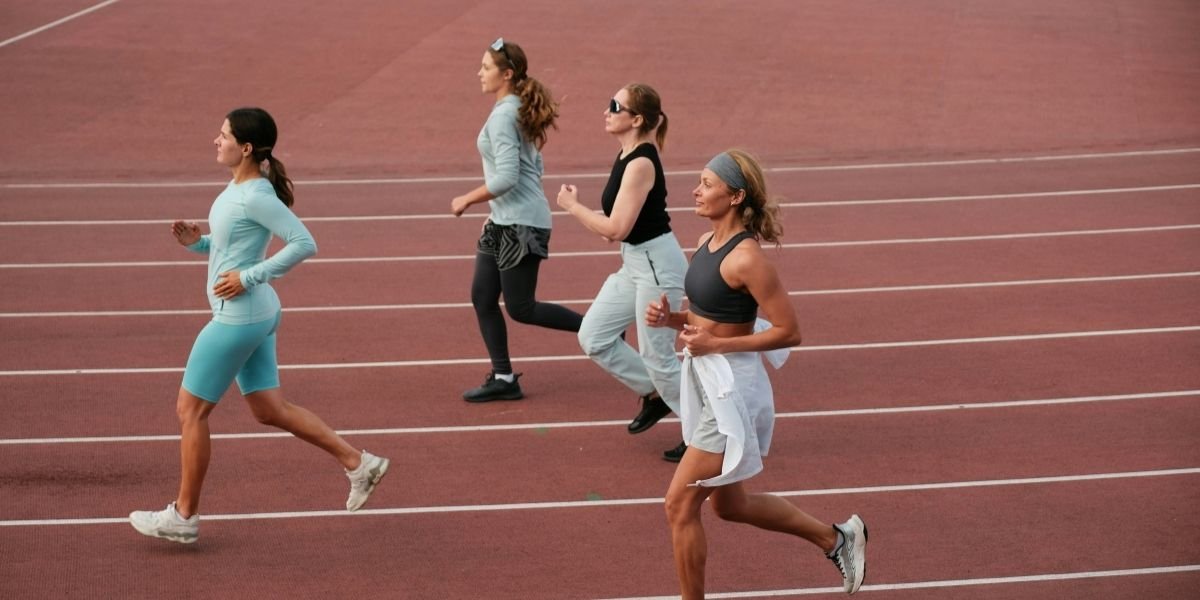
Women runners are turning a public conversation about diet culture into a discussion about fueling, recovery, body image, and safer training habits.
Public reporting has highlighted runner Allie Ostrander, marathoner Kate Glavan, and coach Kelly Roberts among the voices speaking about pressure some female athletes face around weight, size, and performance. Their comments have gained attention as social media widely circulates fitness content tied to thinness, fast body changes, and strict food rules.
For many women runners, the message is shifting toward food as support for training, not something to fear. The discussion also places recovery, injury prevention, mental health care, and body respect closer to running culture.
Women Runners Put Fueling Back at the Center
Ostrander, a runner known for steeplechase, has described how pressure around body size and performance affected her relationship with food. She has said that under eating did not make her stronger and contributed to repeated injury setbacks.
Her experience reflects a known concern in endurance sports. Running rewards discipline, routine, and training habits. Those traits can support performance, but sports health resources have warned that pressure around weight, body composition, and body shape may become harmful when athletes restrict food to meet a certain image.
For women runners, fueling is now being treated as part of training. Meals, snacks, carbohydrates, rest days, and recovery are being discussed as routine parts of the sport.
Personal Stories Move a Wellness Issue Into View
Glavan, a four time marathoner and social media creator, has spoken about struggling with disordered eating as a younger athlete. She has described how online content, peer pressure, and competitive sports affected how she viewed food and her body during high school.
Her later relationship with running has been presented as different from her earlier experience in athletics. Instead of treating food as something to control, Glavan has emphasized food as energy. Her public content often pushes back on thinness centered fitness messaging and encourages strength focused training.
Roberts, a marathoner and run coach, has also shared how running once became tied to unhealthy habits before she sought professional support. Her platform, Badass Lady Gang, promotes a body neutral running community where participation is not limited by size, speed, or appearance.
These stories place familiar wellness topics in a specific running context. The issue goes beyond diet culture. It is what can happen when women runners receive praise for smaller bodies, extreme mileage, or visible change without enough attention to health.
Women Runners Face Health Risks When Fueling Falls Short
Sports medicine resources have identified under fueling as a concern for athletes. Relative Energy Deficiency in Sport, often called REDs, can occur when athletes do not consume enough energy to meet training demands. Public orthopedic guidance says low energy availability may affect performance and health and can be linked with fatigue, delayed recovery, low bone density, and recurring injuries.
For female athletes, the conversation may also include menstrual health, bone health, and hormonal changes. These topics can be difficult to discuss publicly, yet they are hard to separate from running culture when training load and food intake meet.
The National Eating Disorders Association has said athletic environments may carry risk when they place too much focus on body weight, body composition, or body shape. That guidance matters in sports where endurance and appearance are sometimes discussed together by coaches, peers, brands, and online audiences.
That does not mean every runner who tracks meals, follows a training plan, or changes body composition has a disorder. It means the public conversation is becoming more careful about how fitness progress is framed.
Online Wellness Myths Meet a Clearer Running Message
The attention around women runners comes as fitness content remains common across social media. Posts about routines, race training, meals, weight change, and body size can reach young athletes quickly. Some content may be useful. Some may leave out health context or frame success through appearance instead of strength.
That mix has made runners with lived experience more visible. Ostrander, Glavan, and Roberts are not speaking as medical authorities. They are using public platforms to describe what happened in their training lives and to point followers toward safer conversations around food, movement, and support.
Their message fits a wider change in wellness for women. The language is less focused on discipline at any cost and more focused on long term participation. A steadier view of running includes sleep, strength work, rest, nutrition, mental health care, and the ability to remain active without repeated harm.
Women Runners Turn Visibility Into a Health Conversation
Female athletes and creators are using visibility to challenge wellness myths that once moved through teams, magazines, locker rooms, and online feeds with limited pushback.
Brands, race communities, coaches, and digital audiences are also part of the story. When runners receive praise only for becoming smaller or faster, that feedback can shape behavior. When they receive support for fueling properly, resting, and setting boundaries, the culture around the sport can change in measurable ways.
The conversation remains sensitive because eating disorders and disordered eating require professional care. Public stories can raise awareness, but they do not replace therapy, medical treatment, or guidance from registered dietitians and healthcare providers.
The response to these women runners shows why the topic is resonating. Their message is direct, health centered, and grounded in lived experience. They are placing nutrition, recovery, and self respect back in the frame.
Disclaimer:
This content is for informational purposes only and does not provide medical, nutritional, mental health, or fitness advice. Readers should speak with a qualified healthcare provider, registered dietitian, or licensed professional before making changes to diet, exercise, or treatment plans, especially if they have a medical condition, injury, eating disorder history, or related health concern.