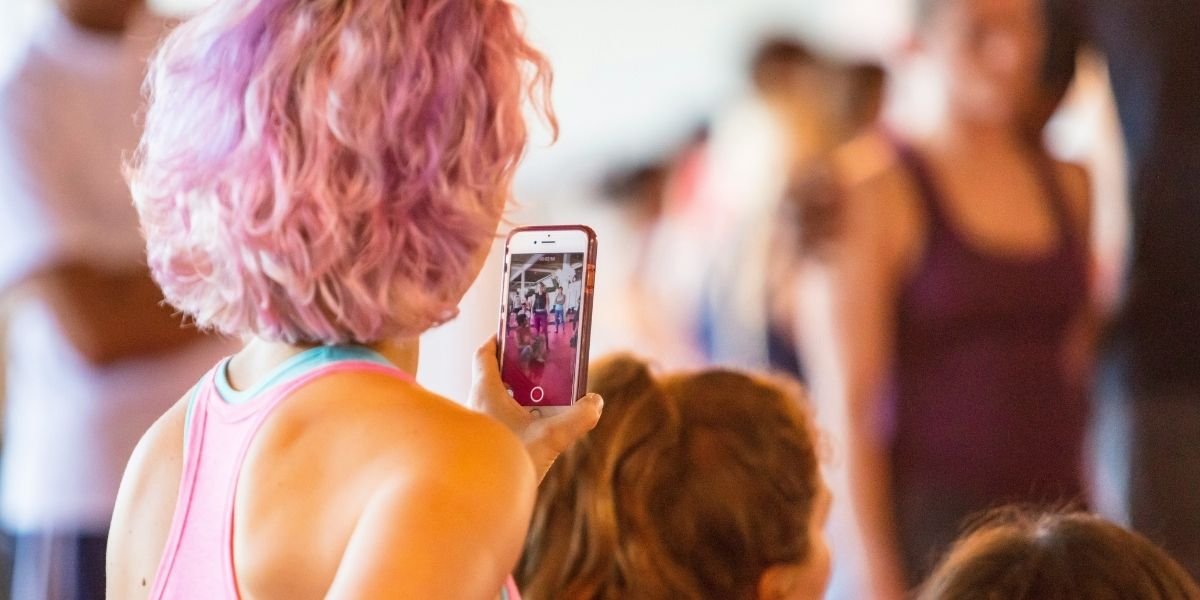
Women athletes participating in Togethxr’s Snap the Gap initiative are using social-media content, mentorship and audience development to create professional opportunities beyond competition. The initiative provides production resources and mentorship, with participating athletes including Michelle Alozie and Sarah Nurse using digital audiences to support their careers and promote women’s sports.
Key Takeaways
- Togethxr’s Snap the Gap initiative provides women athletes with content-production resources and mentorship.
- Seven participating athletes increased their Snapchat audiences during the program, according to figures supplied by Togethxr.
- Michelle Alozie’s Snapchat following increased from 127,000 to 204,000 over three months.
- Sarah Nurse has used social media to reach audiences beyond traditional sports coverage.
- Creator-related income and digital audiences can serve as professional assets beyond athletic competition.
Togethxr Expands Creator Support for Women Athletes
Togethxr’s Snap the Gap initiative gives women athletes access to resources designed to support their work as digital creators. The initiative combines content-production support with mentorship, allowing participating athletes to develop social-media skills alongside their sporting careers.
Seven athletes participating in the initiative increased their Snapchat audiences during the program, according to figures supplied by Togethxr. The results provide a measurable example of audience growth connected with the program.
The initiative places content creation within the professional activities of women athletes rather than treating social media solely as a channel for promoting competition. Participating athletes can use digital platforms to communicate directly with audiences and develop their public profiles through content.
The role of athletes in shaping women’s sports extends beyond content creation. A separate report on women’s sports leadership opportunities examines representation among female coaches as women’s sports attract larger audiences and greater media coverage.
For athletes whose professional work is centered on competition, social media provides another way to maintain an audience outside sporting events. The Snap the Gap initiative focuses specifically on giving women athletes resources and mentorship for that work.
The approach also connects athletes with skills that extend beyond their performances on the field or court. Content production requires athletes to participate in creating material for digital audiences, while mentorship provides additional support as they develop those activities.
Snap the Gap Provides Production Resources and Mentorship
Content creation can require more than access to a social-media account. Snap the Gap provides participating women athletes with production resources and mentorship to support the creation of digital content.
The program’s structure gives athletes access to assistance while they develop their social-media strategies. That support is relevant to athletes who want to build audiences while continuing their competitive careers.
The reported audience figures provide one measure of the program’s results. Seven participating athletes recorded increases in their Snapchat audiences during the program, according to Togethxr.
Audience development gives athletes a direct connection with people who follow their work. That relationship can extend beyond individual competitions and provide athletes with an established digital presence connected to their names and professional activities.
The program also illustrates the role of mentorship in creator development. Athletes receive guidance as well as production resources, combining practical support with assistance in developing their approach to social media.
Women’s sports initiatives are also receiving support outside professional competition. A September report detailed grants expanding sports opportunities for girls and women across 20 states, Washington, D.C., and Puerto Rico, including programs tied to leadership and career development.
For women athletes, the combination creates a professional activity that sits alongside competition. Their digital work can involve creating content, communicating with audiences and maintaining a public profile while they continue their athletic careers.
The initiative’s focus on women athletes also places their experiences directly within the creator economy. Rather than treating athletes only as participants in sporting events, the program supports their role as content creators with audiences of their own.
Michelle Alozie Grows Her Digital Audience Through Content
Houston Dash forward Michelle Alozie is among the athletes cited in the Snap the Gap initiative’s results. Her Snapchat following increased from 127,000 to 204,000 over a three-month period, according to figures supplied by Togethxr.
The increase represents growth of 77,000 followers during the period. Alozie’s audience therefore provided a specific example of how an athlete’s digital following can expand while she remains active in professional sports.
Her experience forms part of the initiative’s reported results rather than standing separately from the program. The figures supplied by Togethxr identify audience growth among participating athletes, with Alozie providing one of the clearest individual examples.
A digital audience gives an athlete a channel for communicating directly with followers. That communication can support content created around an athlete’s professional identity rather than being limited to coverage produced by sports organizations or traditional media.
For Alozie, the reported Snapchat growth occurred over three months. The figure provides a defined measurement of audience development during the program.
The audience increase also illustrates the measurable side of creator work. Social-media activity can be assessed through changes in followers, giving athletes and organizations a concrete way to track audience development.
They do establish that Alozie’s Snapchat following increased substantially during the period identified by Togethxr.
That distinction matters when assessing creator work as a professional activity. Audience growth is a measurable result, while the broader professional opportunities associated with that audience depend on the activities and partnerships available to each athlete.
Women athletes have also been discussed in leadership settings outside their individual social-media work. A recent report on the Forbes Power Women Summit described discussions involving women from sports, business, healthcare and other fields.
Sarah Nurse Uses Social Media to Reach New Fans
Professional Women’s Hockey League player Sarah Nurse has used social media to reach audiences beyond traditional sports coverage. Her experience provides another example of a women athlete using digital platforms as part of her professional presence.
Nurse has described social media as a way to introduce new audiences to the league. Her use of digital platforms connects her individual audience with the broader visibility of women’s professional hockey.
The relationship between athlete and audience is central to this approach. Social-media content allows an athlete to communicate with followers directly instead of relying only on coverage surrounding games and competitions.
For women’s sports, athlete-created content can also provide additional opportunities for fans to encounter players and leagues. Nurse’s reported use of social media therefore extends beyond personal communication to include promotion of the sport in which she competes.
Her role also demonstrates that creator activity is not limited to athletes whose primary objective is audience growth. Social media can be used to communicate information about a league, connect with fans and maintain a public professional presence.
Nurse’s example differs from Alozie’s reported audience figures, but both are included in the broader Snap the Gap discussion of women athletes using creator tools. Alozie provides a specific measurement of Snapchat audience growth, while Nurse provides an example of using social media to reach new fans.
These examples show two distinct functions of athlete-created content: developing an individual digital audience and using that audience to increase exposure for women’s sports.
Creator Skills Add New Professional Opportunities for Athletes
The Snap the Gap initiative connects women athletes with skills and resources that extend beyond their competitive roles. Content creation, audience development and social-media communication give participating athletes additional professional activities alongside their sports careers.
Creator-related income can also form part of an athlete’s professional work. The initiative’s focus on digital audiences places content creation within the range of activities that athletes can develop while competing.
A digital audience can remain associated with an athlete’s professional identity independently of a specific game or competition. This gives athletes a direct communication channel that can be used to maintain relationships with followers.
The value of that audience depends on how individual athletes use it. The available examples include audience development through Snapchat and social-media activity intended to reach new fans of women’s sports.
The program’s mentorship component adds another element to that work. Athletes are not only provided with production resources; they also receive guidance intended to help them develop their creator activities.
For women professionals, the examples from the initiative provide specific evidence of athletes developing skills outside their primary competitive responsibilities. The work involves measurable audience development, content creation and direct communication with followers.
The reported results also provide a distinction between creator activity and general social-media use. Snap the Gap is structured around resources and mentorship intended to help women athletes develop their capabilities as creators.
The initiative includes athletes from professional sports, including Alozie in soccer and Nurse in hockey. Their experiences show that creator activity can operate alongside different forms of athletic competition.
The reported Snapchat figures provide a concrete measure of audience development for participants, while Nurse’s use of social media demonstrates another application of athlete-created content. Together, the examples contained in the initiative’s reporting establish the specific activities being used by participating women athletes.
Frequently Asked Questions
What is the Snap the Gap initiative for women athletes?
Snap the Gap is a Togethxr initiative that provides participating women athletes with content-production resources and mentorship. The program supports athletes as they develop social-media content and audiences.
How are women athletes using social media to build careers?
Women athletes are using social media to create content, develop audiences and communicate directly with followers. The activities can form part of their professional work alongside athletic competition.
How did Michelle Alozie’s Snapchat audience change?
Michelle Alozie’s Snapchat following increased from 127,000 to 204,000 over three months, according to figures supplied by Togethxr. She is one of the athletes cited in the Snap the Gap initiative’s results.
What role does mentorship play in the creator program?
Mentorship is one of the resources provided through Snap the Gap. It accompanies production support as participating athletes develop their social-media content and creator skills.
How can social media support women athletes beyond competition?
Social media gives athletes a direct channel for communicating with audiences and developing digital profiles. Sarah Nurse has also used social media to reach new fans and promote women’s sports.