
For many young female athletes, success is often defined by performance, stats, wins, and the pursuit of a college scholarship. From an early age, they are taught to train harder, compete stronger, and push through challenges. Yet beneath that drive, many are also navigating an internal pressure that is rarely addressed: the need to be perfect.
Morgan Stuart, founder of The Real Work and author of books The Roadmap I Never Had and The Real Work, believes that this pressure is one of the most overlooked aspects of youth sports. Drawing from her own experience as a collegiate softball player, she has built her work around helping athletes understand not just how to perform, but how to think.
The Athlete No One Worries About

Photo Courtesy: Morgan Stuart
High-performing athletes are often seen as the least in need of support. They show up early, work hard, and appear focused on their goals. For coaches and parents, this level of discipline can create a sense of reassurance.
However, Stuart points out that these are often the athletes who struggle most internally. Many are highly self-critical, placing immense pressure on themselves to succeed. When they fall short, even in small ways, the impact can feel significant.
This internal dynamic can create a fragile balance between motivation and emotional strain. Without the right tools, athletes may begin to associate their worth with performance, making setbacks harder to process.
Beyond Physical Development
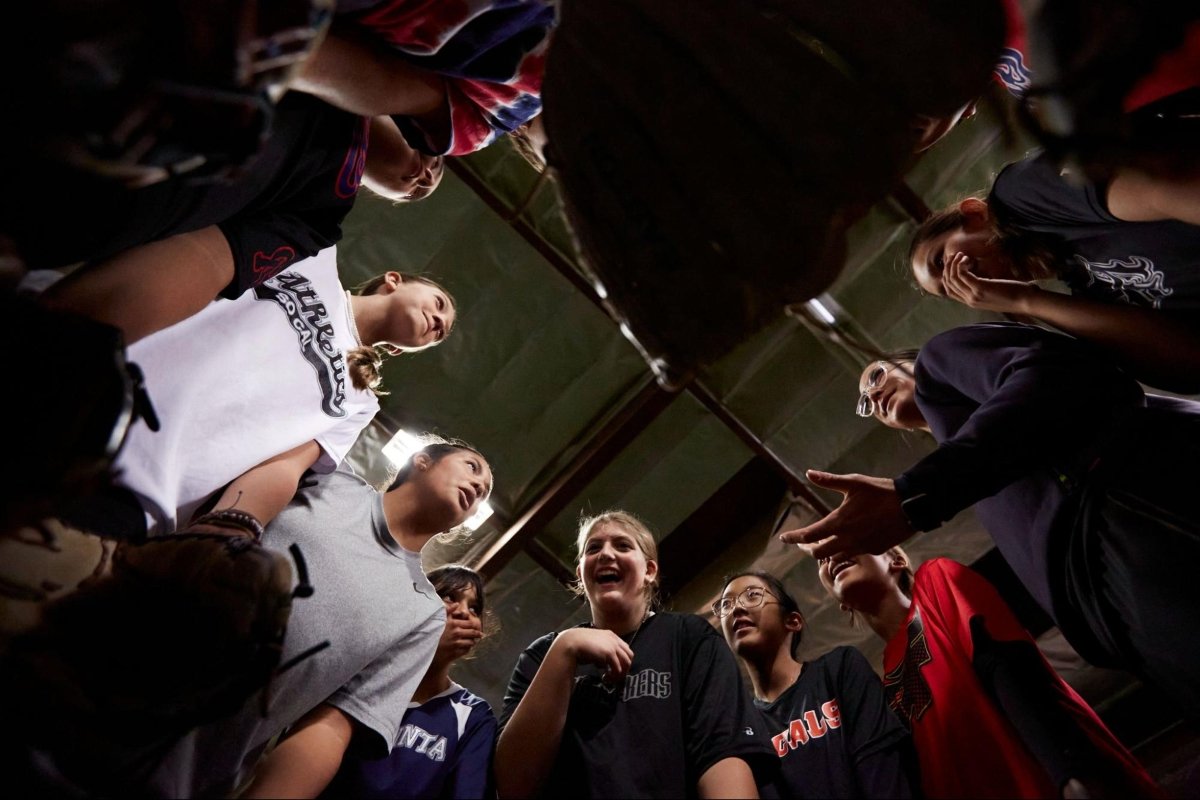
Photo Courtesy: Morgan Stuart
Traditional coaching often emphasizes physical skills, speed, strength, and technique. While these are essential, Stuart argues that they represent only part of the equation.
Her work highlights the importance of developing mental skills alongside physical ability. This includes learning how to respond to failure, manage expectations, and maintain perspective during both success and struggle.
In The Real Work, Stuart introduces twelve key traits that she believes young athletes should build as they progress through competitive sports. These traits focus on mindset, resilience, and self-awareness, qualities that extend beyond the field.
Her second book, The Roadmap I Never Had, expands on these ideas by sharing lessons from her collegiate experience. Rather than focusing solely on achievements, she explores the challenges athletes face when expectations intensify and the environment becomes more demanding.
Teaching Athletes How to Think
One of the central ideas in Stuart’s approach is that athletes should be taught how to think, not just what to do. This shift encourages athletes to become more aware of their reactions, patterns, and decision-making processes.
When athletes develop this level of awareness, they are better equipped to handle pressure and adapt to changing circumstances. They begin to understand that a mistake is not a defining moment, but part of a larger process of growth.
This perspective can be especially valuable for young women who are navigating both competitive environments and broader expectations about identity and success.
The Connection Between Performance and Well-Being
The line between the mental game and mental health can be subtle but significant. Stuart emphasizes that while discipline and drive are valuable, they must be balanced with an understanding of emotional well-being.
Athletes who lack this balance may continue to perform at a high level while experiencing increasing internal stress. Over time, this can affect both their performance and their overall experience in sports.
By addressing these challenges early, Stuart aims to help athletes build a more sustainable approach to competition, one that supports both achievement and well-being.
A More Complete Approach to Development
Through The Real Work, Stuart is working to provide athletes and families with a clearer roadmap. Her approach acknowledges the realities of competitive sports while offering tools to navigate them more effectively.
By combining personal experience with practical guidance, she offers a perspective that resonates with athletes who may feel isolated in their struggles. Her message is not about lowering standards, but about redefining how success is understood and pursued.
For many athletes, this begins with a shift in perspective: recognizing that they are not alone in their challenges and that they have the ability to work through them.
In a system that often prioritizes results, Stuart’s work serves as a reminder that development is not just about outcomes. It is about equipping athletes with the ability to think, adapt, and grow, skills that extend far beyond the game.
Explore / Learn More and Connect with Morgan Stuart
🌐 Website: THE REAL WORK
📘 Book 1: The Real Work
📘 Book 2: The Roadmap I Never Had
📸 Instagram: https://www.instagram.com/morganstuart18/