Women's Journal

What a DNF Taught a Doctor About Resilience And What Every Woman Chasing a Hard Goal Can Learn From It

By: Shawn Mars

Dr. Erika Tvedten trained for the Leadville 100. She didn’t finish. The documentary about her race and the women who showed up for her afterward is a quiet masterclass in a kind of strength women are rarely taught to recognize as strength at all.

There’s a moment, right before the start gun at the Leadville 100, when every plan a runner has made stops mattering. The training. The nutrition charts. The nights spent rehearsing, in her head, exactly how the next 24-plus hours would go. None of it asks permission anymore.

That’s where a new short documentary produced by Cedarstone Creative and sponsored by the Icelandic wellness brand dóttir picks up Dr. Erika Tvedten’s story. Tvedten is a full-time dermatologic surgeon completing advanced training in rural Pennsylvania and, in her own words, “crazy enough to run 100 miles.” Two demanding, historically male-coded worlds, both of them still catching up to how many women are actually excelling in them.

Her attempt at the Leadville 100 100 miles, 15,000 feet of climbing, twice over Colorado’s Hope Pass ended in her first DNF: persistent vomiting from mile 20 on, an asthma flare, an old ankle injury taped and braced the whole way, and, eventually, a missed cutoff. The film covers all of that. But the story worth carrying into your own life isn’t really about race. It’s about what she and the women around her did next.

Why This Story Belongs in a Women’s Magazine, Not Just a Sports Reel

Women are still taught, subtly and not so subtly, that visible failure costs more for us than it does for anyone else, that competence has to look effortless, or it doesn’t count. Tvedten’s openness about her DNF pushes directly against that. She doesn’t perform well. She says plainly that she doesn’t fail often, and that the disappointment was real. What makes her story worth telling is that she let the disappointment be real without letting it become the whole verdict on her effort.

That’s a distinction every woman carrying a demanding goal, a promotion, a diagnosis, a training block, a business can use. Resilience was never about being unbothered by failure. It’s about staying in the relationship with your own goal even after it humbles you in public.

The Body Doesn’t Negotiate With the Plan

Tvedten’s own explanation for the DNF is instructive: her fitness was there, but she didn’t give her body what it needed to perform the fueling, the recovery, the support underneath the training itself. It’s the kind of insight only someone living in both worlds, medicine and endurance sport, could name so precisely.

For women in medicine especially, there’s a quiet parallel here worth sitting with: you can do everything technically right and still not control the outcome. The discipline isn’t in guaranteeing the result for a patient, or for yourself on a mountainside at mile 60. It’s in showing up, adjusting, and staying in the work when the outcome refuses to cooperate.

Who You Have Around You When It Goes Wrong
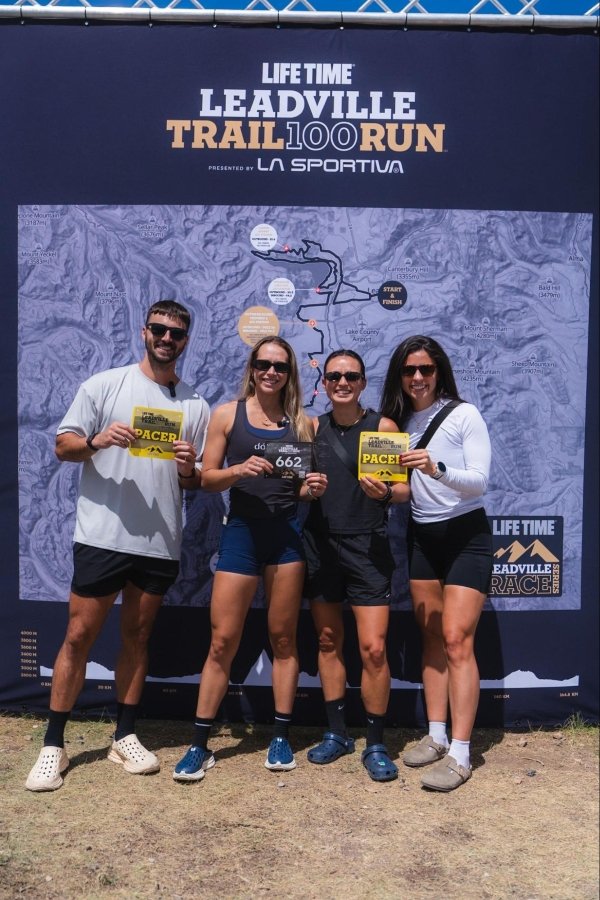
Photo Courtesy: Josue Mejicanos (Tvedten, with most of her crew at the Leadville Trail 100 Run, started a team built largely of women showing up for another woman’s hardest day.)

The detail that gives this story its center isn’t the mile splits; it’s what her crew did in the hours after she didn’t make the cutoff. They didn’t wait for her to ask for reassurance. They told her she hadn’t let anyone down before she’d even fully absorbed what happened. Three weeks later, still processing it, she put words to what that meant:

“How lucky am I to have a support system that is there for me even when I fail. Still proud of me, even when I fail, and to have a community and support system like that is something that I can’t even put into words how much that means to me.”

It’s worth naming who was in that circle: a coach and partner who trained with her through the hardest miles, a crew built largely of other women, and dóttir founder Kelly Meredith, whose brand funds the dóttir Resilience Fund scholarships and mentorship specifically for women in sport. That’s not incidental to the story. That’s the point. Resilience is rarely a solo trait. It’s often just what a good support system and a community of people who don’t tie your worth to your outcome make possible.

Coming Back Is the Real Finish Line

Tvedten doesn’t end her own story at the DNF. Asked what’s next, her answer is immediate: she’s going back to Leadville, because she said she would. Not as a redemption arc for the camera, but as the next chapter in a much longer relationship with a sport, and a version of herself that isn’t finished being built.

That’s the takeaway worth keeping, whether you’ve ever run a mile or not: the marker of resilience was never the goal that went right. It’s the decision to show up again for the one that didn’t and to let the women around you be proud of you for trying.

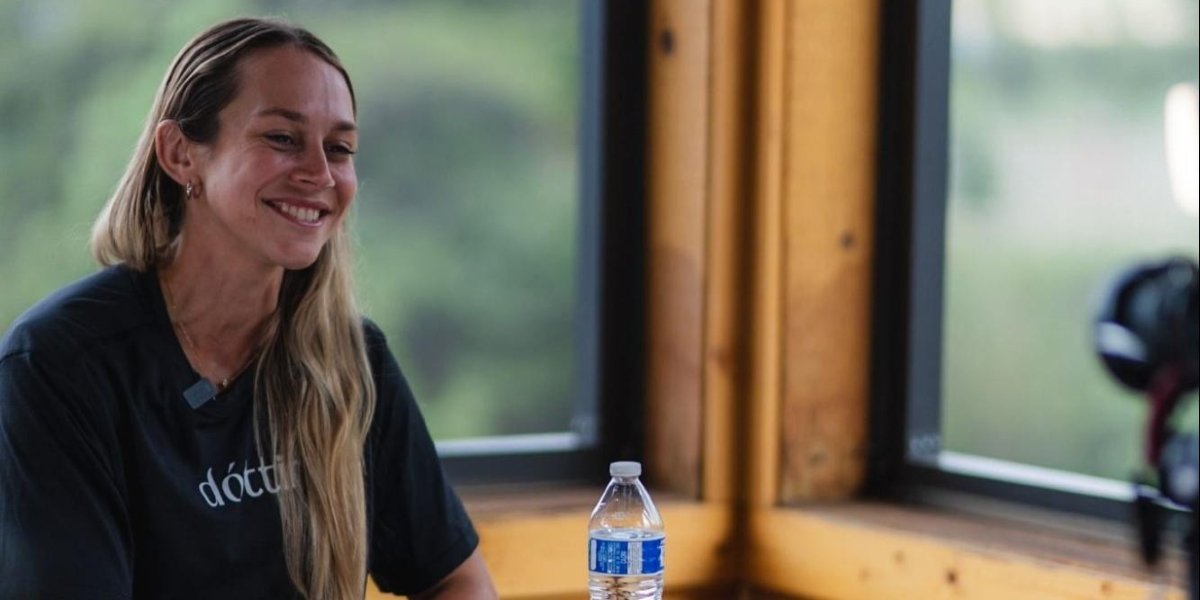
Photo Courtesy: dóttir (dóttir, the Icelandic marine collagen beverage brand sponsoring the film, funds the dóttir Resilience Fund for women in sport.)

WATCH & FOLLOW

Watch the documentary: youtu.be/tYcrFWJTYA4

Follow dóttir: Instagram @drinkdottir

Produced by: Cedarstone Creative cedarstonecreative.com

Alison Maloni on Reinvention and Building a Personal Brand

By: Shawn Mars

Alison Maloni turned 50 this year, and she is reinventing herself again. The national news anchor, author, podcast host, and college professor has spent more than two decades working in journalism, public relations, and media. Today she also works as a personal branding strategist for women who want to become known for what they do.

This reinvention looks different from her first one. That earlier rebuild came in her early 40s, and it arrived without a plan. “I didn’t wake up one morning suddenly confident and know exactly what I was going to do,” Maloni said. “I just kept going.”

Starting Over as a Single Mother in Her 40s

Alison Maloni describes that period plainly. She was a single mother raising three daughters, her wedding had been called off, and the company she had founded was barely holding on. Money was extremely tight. She remembers hiding in the shower to cry so her girls would not hear her, and standing on soccer sidelines next to parents who seemed to have everything figured out.

“I just knew I had three girls depending on me, so giving up wasn’t an option,” she said.

The pressure had deeper roots. Maloni experienced significant loss at a young age and, by her own account, became an overachiever as a way to prove her worth. She worked hard, became a journalist, and launched her own firm, Alison May Communications, where she serves as founder and CEO. Looking back, she believes part of that drive came from wanting to prove something to other people, as if the next accomplishment might finally make her feel like enough.

Rebuilding happened in small, unglamorous steps. She went to work on days she didn’t feel like it. She accepted opportunities that scared her, asked people for advice and help, and kept growing the business. She also made a deliberate decision about where to focus her energy. “I knew that in order to grow my business, I had to grow my personal brand, and that was my main focus,” she said.

Over time, the pieces came back together. Maloni returned to television and eventually became a national news anchor and contributor. She wrote two books, began speaking, launched the podcast Unscripted with Alison Maloni, and started teaching college students about the industry where she has spent most of her working life. Somewhere in that process, she realized she wasn’t only rebuilding a career. She was rebuilding herself.

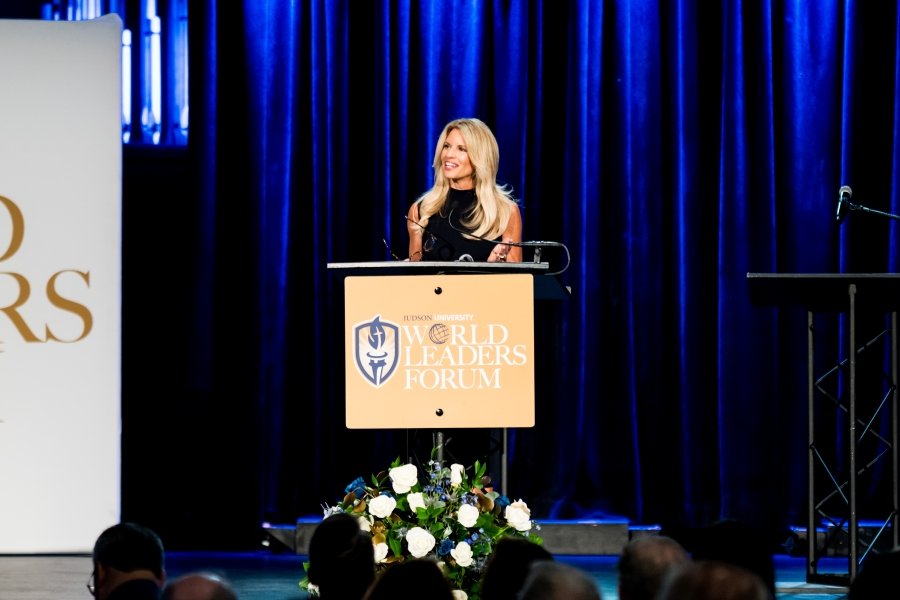
Photo Courtesy: Judson University World Leaders Forum

How Did Showing Up Change Her Personal Brand?

For Alison Maloni, the turning point had less to do with tactics than with honesty. For years she was careful about what people saw, presenting the successful business owner, the polished journalist, the person with everything under control. “I was trying to be perfect because I wanted to impress certain people,” she said. Eventually she got tired of doing that.

So she started sharing more of her real life. She talked about motherhood, divorce, and starting over. She posted about business, getting older, confidence, and the lessons she was still learning. The rule she set for herself was simple. Stop waiting for the perfect picture or the perfect thing to say.

Consistency turned out to be harder than candor. Maloni kept posting when she didn’t feel like it, when a post drew little engagement, and when she wondered whether anyone cared what she had to say. That persistence is a point she returns to often, because it runs against the instinct many professionals have to pull back the moment something feels uncomfortable or goes unnoticed.

Then something clicked. “The less I tried to impress people, the more people connected with me,” she said. “And the more I let people see the real me, the more comfortable I became with that person too.”

She frames the change as the difference between constructing an image and reflecting a person. “I wasn’t trying to create a brand anymore,” Maloni said. “I was finally allowing my brand to actually reflect me.”

Why Visibility Sits at the Center of Her Work

When Alison Maloni talks with women about personal branding now, social media is only part of the conversation. The broader subject is visibility, meaning the willingness to put yourself and your ideas in front of other people. Her work focuses on helping women define what they want to be known for and then develop the confidence and strategy to show up consistently.

Many of the women she meets are already accomplished. They want to grow their businesses, appear on podcasts, speak at events, earn media coverage or build a reputation in their field. In her experience, fear is usually what stands in the way. They worry about being judged or looking like they are bragging. Some doubt they have anything interesting to say, while others plan to start once they have everything figured out.

Maloni recognizes each of those hesitations. “I get it because I’ve done all of those things,” she said.

Two decades in newsrooms and public relations shape how she thinks about the problem. From her vantage point, expertise on its own rarely draws attention. “Being good at what you do isn’t always enough,” she said. “People have to know you exist. They need to hear your ideas. They need to know your story. They need to see you consistently.”

Her book Breaking in the News: Build Buzz for Your Brand takes up that same question of how a brand gets noticed. Maloni puts the underlying principle more bluntly in conversation. “You can’t wait for someone else to decide you’re worth paying attention to.”

Photo Courtesy: Soufan Photo

Reinventing Again at 50

Alison Maloni says she approaches this chapter with a different motive. She is no longer trying to prove she is enough, no longer trying to impress particular people, and has no interest in pretending her life is perfect. Her second book, Rising Above: Empowering Stories of Women Overcoming Adversity, reflects a similar interest in the harder parts of women’s stories.

She is open about the full record. She has been divorced, struggled financially, faced rejection, made mistakes, and questioned herself more times than she can count. She has also raised three daughters, built a business, anchored national news, written books, spoken on stages and taught students. In her view, all of it belongs in the story.

That conviction runs through the advice she gives other women about building a personal brand. “You don’t have to hide the messy parts of your story to build a successful personal brand,” Maloni said. “Those might actually be the parts that make people connect with you.”

The approach is visible in her own channels, where professional commentary sits alongside personal reflection on her Instagram account, in her professional updates on LinkedIn and in her posts on X. The mix is intentional, and it mirrors what she now encourages clients to do.

For someone who spent years worrying about measuring up, the goal at this stage is simpler. “At 50, I’m finally much more interested in just being me,” she said. What she wants now is to help other women reach that point a lot sooner than she did.