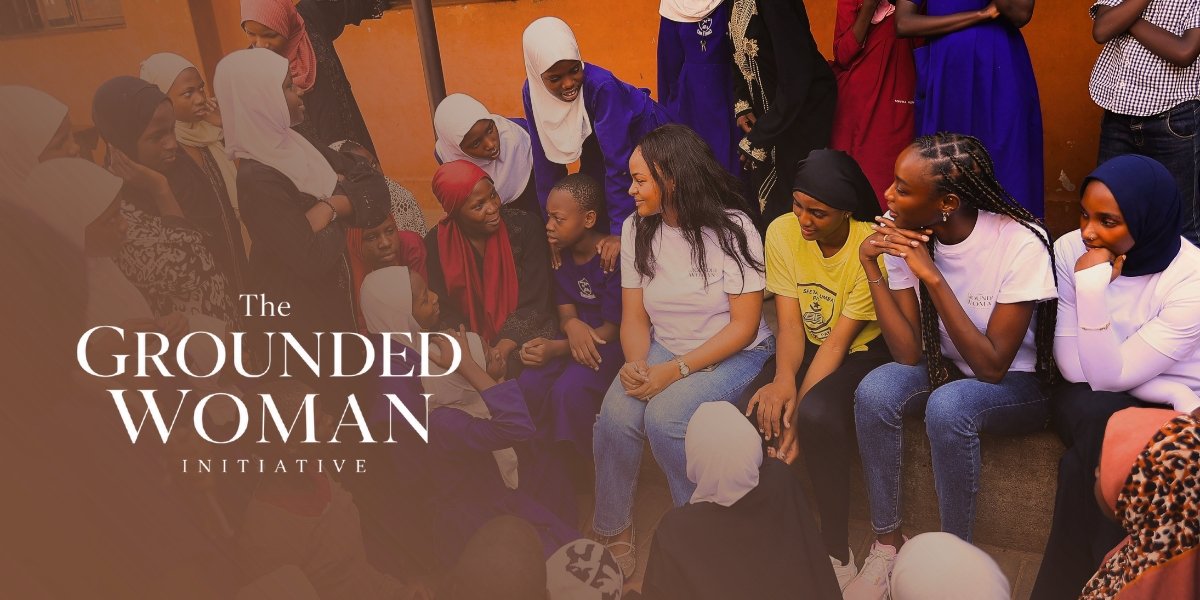
On World Mental Health Day, a conversation about the space between keeping life moving and taking care of the person living it.
By: Alyze Sam
Staying grounded sounds simple until you have very little room in the day to practice it.
There’s always more work to finish, someone who needs you, a mess to clean, a place to visit, a person to catch up with, a fire to put out, and so on. God forbid someone has an emergency.
Beyond that, the magical brick you’re reading this on can turn a spare moment into hours of social media and doomscrolling that leave you drained. When the day finally slows down enough for you to sleep, a question often remains unanswered: How am I actually doing? At that point, you’re probably so tired that self-care becomes just another thing to worry about tomorrow.
As a mother of 2 beautiful children, and as a survivor of domestic abuse, I know first hand how difficult life can get. Furthermore, in the American Psychological Association’s 2023 Stress in America survey, 68% of women said they received less emotional support than they needed during the previous year. Women were also more likely than men to identify family responsibilities and relationships as significant sources of stress.
Some of life’s pressures are unavoidable, and the emotional support we need is not always within reach. In those moments, the practices we cultivate for ourselves become especially important, helping us process what we’re feeling, approach our challenges with greater clarity, and stay grounded even when we cannot change the circumstances around us.
World Mental Health Day, observed annually on October 10, offers an opportunity to do just that. The World Health Organization’s 2026 campaign, “Lived experiences heard: real voices, real change,” asks people to share their experiences and help guide others on their own journeys to wellness.
Alongside that wider call for advocacy is a more personal question: What helps someone find their footing when life becomes difficult?
This is a question the current Miss Universe Uganda, Mitchelle Daka, has been exploring through The Grounded Woman Initiative. The international model and entrepreneur describes her platform as growing out of feeling lost, deep grief, and her search for ways to move forward without closing herself off to the world.

Finding Grounding Through Grief
After the tragic murder of her best friend in 2017, Daka found herself confronting a question that would eventually shape her calling: Now, what?
In our conversation, she described a healing process that took years. Beyond the pain of losing someone close, she now had to reconcile how the experience might change her relationship with the world while being an active participant in it.
She spoke about both the woman she had become through that experience and the woman she still wanted to be. Somewhere between the two was something she wanted to protect: “my belief in the world and my belief in people.”
That concern eventually became the question at the heart of her platform.
“The worst thing that could happen has happened. Now, what?” she says.
It is a difficult question, and one worth sitting with. It begins with acknowledging something we would rather not have to accept: sometimes, the experiences we most hope to avoid become part of our lives. We cannot always change those circumstances or return to the person we were before them. But we can begin asking what might help us live through what comes next.
For Daka, the answer wasn’t an immediate recovery or a determination to appear unaffected. It meant intentionally creating space in her life and adopting tools she could return to during challenging periods, small practices that helped her keep going when she had little desire to move forward.
When I asked what tool helped her the most, Mitchelle named journaling. “Putting thoughts on paper,” she explained, helps interrupt the mental loops that could otherwise keep a frustrating experience replaying in her mind. She described how “on the page, a thought has a beginning, and it has an end,” emphasizing the sense of resolution the practice can offer. She also identified regular exercise and meditation as especially useful for being fully present and grounded.
Making Room To Hear Yourself
For Daka, feeling grounded also involves examining how much of her attention and direction comes from outside herself.
“We’re living in a world with so much noise right now,” she says.
While the internet brings us great innovation and connectivity, she emphasized the importance of being mindful of our attention. And justifiably so, she described a wariness of how easily the media can influence us and how we unconsciously take on the energy of those around us.
Creating moments of stillness to tune into her inner voice, process, and understand what she is feeling has been pivotal in cultivating better discernment. That is a more specific understanding of self-awareness than simply knowing when to put down a phone. It involves being mindful of what is influencing a choice or perspective, and asking whether outside influences deserve so much authority over our internal world and well-being.
In Daka’s telling, the aim is not to withdraw from life. It is to remain connected without losing the ability to recognize one’s own priorities and values.
Wisdom People Can Return To
Through the Grounded Woman Initiative, Daka wants to make these conversations about mental health and emotional regulation available beyond her physical availability. The initiative’s podcast grew out of a practical question: how could she keep contributing when she wasn’t physically present?
“I wanted continuity,” she says.
She wanted a place where people could find this wisdom anytime, rather than an exchange that ended when a visit or appearance did. The podcast became one way to make that possible.
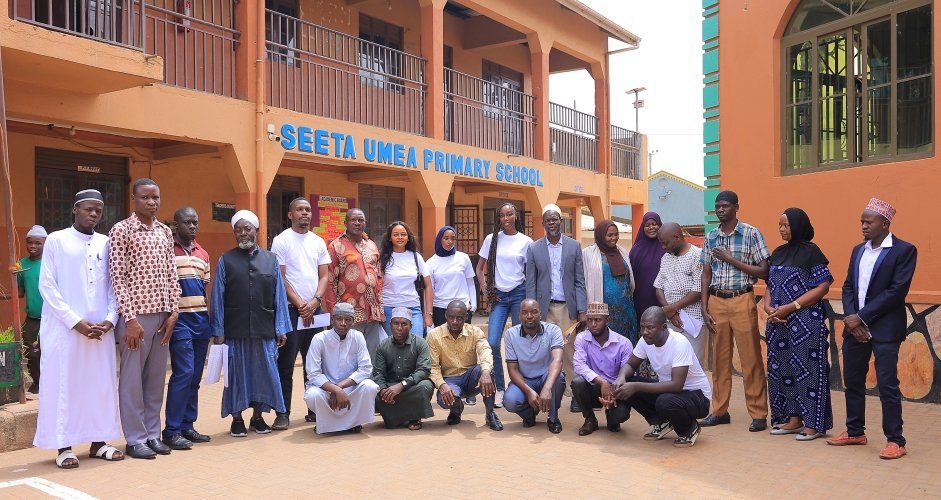
Beyond that, her community involvement also includes longer-standing philanthropic commitments. When asked, Mitchelle said she has donated to the Seeta Umea Primary School in Uganda for the past 7 years. She explains that the school sought support as its enrollment grew and it needed more space and facilities. Their contributions went toward those expansion efforts.
When the school invited supporters to visit earlier this year, Mitchelle and her team showed up to spread the advocacy, spend time with the students, hear their concerns, and identify who to approach for help.
The Small Steps That Count
As we finished our conversation, I asked what she would share with someone trying to find their own footing. Daka returns to the value of small efforts. She describes continuing to try even when a particular day’s progress feels too insignificant to count.
“Those moments compound,” she says. Looking back, she’s come to recognize that small choices and shifts in her habits are what really helped her improve over time.
To me, this is what deserves more attention in our broader conversations about well-being: cultivating the patience and capacity to keep showing up for ourselves, even when our efforts feel small. We do not have to resolve everything at once. Instead of judging ourselves for how ‘behind’ we may feel, or how far we have to go, sometimes it is enough to take a deep breath, take a manageable step, and give ourselves credit for simply being present.
When we’re overwhelmed by life and grief, the question we often face, ‘Now, what?’ has become a starting point for the work Mitchelle does today. Her answer is clear: keep moving and help others find their way forward.
Follow the advocacy: