
Women's Journal

Rose Falkner and PATCH, Inc.: Building Pathways to Stability, Dignity and Second Chances

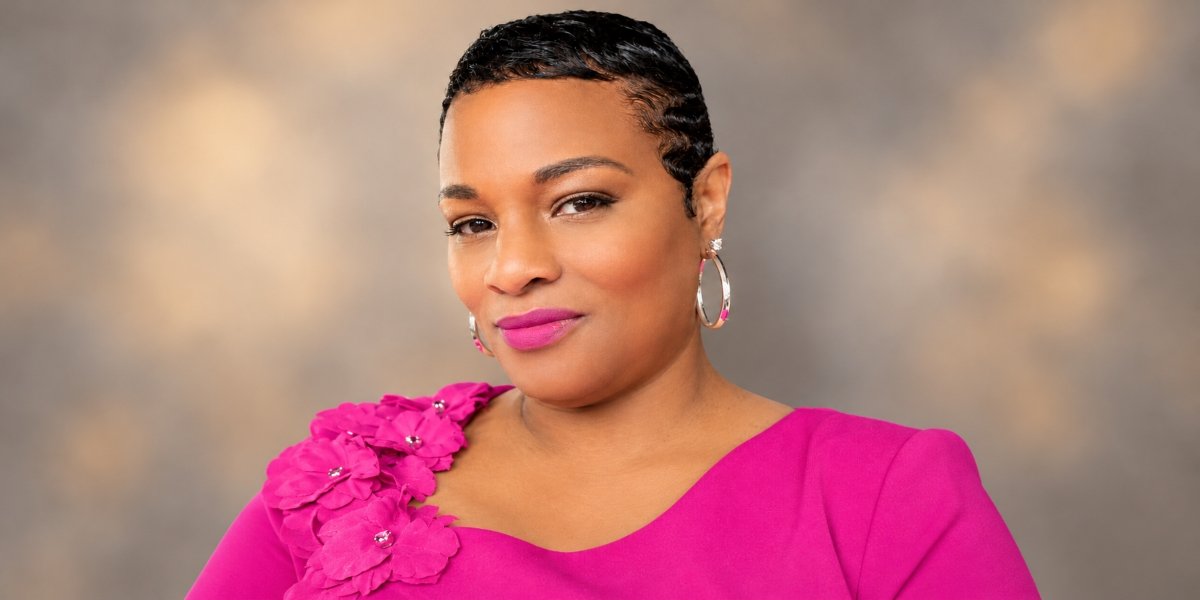
By: Lennard James

Some of the most meaningful work taking place in communities does not always come from the largest organizations or those receiving the most public attention. Sometimes change begins at the grassroots level, led by individuals who recognize a need and decide that something must be done. In Memphis, Tennessee, Rose Falkner, founder of PATCH, Inc., represents that kind of community leadership. Her vision is centered on helping people overcome difficult circumstances and move toward greater stability, independence and renewed purpose.

PATCH, Inc. is a Memphis-based nonprofit organization whose mission reflects the importance of providing support to individuals and families navigating challenging periods in their lives. The organization operates at the grassroots level, where the needs of people can often be immediate and deeply personal. Its work represents a simple but important principle: people should not be permanently defined by the most difficult chapter of their lives.

For Falkner, helping someone move forward requires more than words of encouragement. Individuals facing instability may also need structure, resources, guidance and an environment that allows them to begin rebuilding. PATCH seeks to be part of that process by focusing on services and opportunities that can help people establish a stronger foundation for their future.

The organization’s areas of emphasis include transitional housing, recovery support, assistance for veterans, life skills and opportunities designed to encourage greater independence. These areas are connected because rebuilding a life often requires addressing several challenges at the same time. Housing, employment, transportation, personal development, recovery and family responsibilities can all influence someone’s ability to move forward successfully.

Stable housing can be especially important. Without a dependable place to live, maintaining employment, pursuing education, participating consistently in recovery programs or managing everyday responsibilities can become considerably more difficult. Transitional support can provide people with the breathing room necessary to begin establishing routines, developing goals and concentrating on the next stage of their lives.

Veterans and individuals returning to their communities after incarceration can also encounter significant barriers. Rebuilding relationships, obtaining employment, securing housing and adjusting to everyday responsibilities may require patience and continued support. PATCH’s mission recognizes that successful transitions are rarely accomplished through a single service or conversation. Meaningful progress can require a combination of accountability, encouragement and access to resources.

Falkner’s approach reflects an understanding that second chances are not about ignoring the past. A second chance can instead provide someone with an opportunity to take responsibility for what comes next. It can mean learning from previous circumstances, making different decisions and developing the skills necessary to pursue a more productive and independent future.

PATCH, Inc. is a relatively small, local public charity and does not have the volume of public feedback necessary to produce the type of traditional review score or star rating commonly associated with larger organizations on major nonprofit watchdog and review platforms. For a grassroots nonprofit, however, the absence of extensive online reviews should not automatically be interpreted as an absence of activity or community value.

Smaller nonprofit organizations frequently dedicate much of their available time and resources to direct services rather than large marketing campaigns, national fundraising operations or extensive digital promotion. PATCH’s established nonprofit and regulatory footprint provides public context regarding the organization’s existence and operations. Regulatory records can help establish organizational legitimacy and transparency, while the broader measure of a nonprofit’s effectiveness should also consider its programs, services, partnerships and measurable outcomes.

That creates an opportunity for PATCH to continue strengthening how its story is presented to the community. Documenting program accomplishments, partnerships, participant outcomes and organizational milestones can help potential supporters understand not only what PATCH does, but also the difference its services are intended to make. Increased visibility can also introduce the organization to businesses, churches, foundations, corporations and community leaders interested in supporting grassroots solutions.

Community partnerships can become an important part of that growth. Organizations such as PATCH do not have to accomplish their missions alone. Businesses can provide employment opportunities. Churches can contribute volunteers and resources. Professionals can offer mentorship and specialized services. Foundations and corporate partners can support programs. Community leaders can help connect the organization with additional resources and opportunities.

For Falkner, building those relationships can ultimately mean expanding the number of people PATCH is able to reach. Every new partnership has the potential to provide another resource that can help someone move from instability toward independence.

The work also carries a larger message about how communities respond to people facing difficult circumstances. It can be easy to look at homelessness, recovery, incarceration, unemployment or other challenges only through statistics. Grassroots organizations encounter the individuals behind those numbers. They see people with families, goals, abilities and the potential to create a different future when appropriate opportunities and support are available.

That human element is at the center of Falkner’s vision. PATCH is not simply about responding to where someone is today. Its mission is also about helping individuals consider where they can be tomorrow. The objective is progress that leads toward greater personal responsibility, confidence, stability and independence.

Memphis has a long history of community organizations, churches, neighborhood leaders and individuals stepping forward when they see people in need. PATCH, Inc. represents another example of that grassroots spirit. Its relatively small size does not diminish the importance of its mission. In many cases, smaller organizations are able to work closely with the communities and individuals they serve.

For Rose Falkner, the work is ultimately about people. It is about the veteran who needs stability, the individual working toward recovery, the person returning to the community who needs an opportunity to rebuild, and the family seeking a stronger foundation for the future.

Through PATCH, Inc., Falkner continues working toward a vision in which difficult circumstances do not have to determine someone’s destination. Her leadership carries a message of accountability, compassion and possibility: a difficult chapter may be part of a person’s story, but with support, determination and opportunity, it does not have to be the final chapter.

https://patchincorporated.org/

How Dr. Matthew A. Barnor Contributed to the Development of Family Planning and the Planned Parenthood Association of Ghana

The spread of family planning services in Africa during the latter part of the twentieth century represented a significant change in policy. Following the creation of the IPPF (International Planned Parenthood Federation) in 1952, national associations were established across Africa to ensure the provision of family planning services and reproductive information. During the 1960s, family planning came to be seen as part of a broader maternal and child health care program. The country of Ghana was among the first in Sub-Saharan Africa to form such a national association. Among the physicians involved in that process was Dr. Matthew A. Barnor, whose work became closely associated with the early development of the Planned Parenthood Association of Ghana.

The Planned Parenthood Association of Ghana (PPAG) was established in 1967 through the efforts of Ghanaian medical professionals working alongside representatives of the International Planned Parenthood Federation. Historical records, including the University of Ghana’s honorary degree citation and publications of the International Planned Parenthood Federation, identify Barnor as one of the central figures in its establishment. IPPF later recognized him as the “pivot around which” PPAG came to be established, reflecting the coordinating role he played during the organization’s formative years. The federation’s records also acknowledged his sustained commitment to the organization over many years, reflecting a role that extended well beyond its establishment.

The association’s history also traces its origins to 1956, when Edith Gates of Pathfinder International explored the possibility of establishing a family planning programme in the Gold Coast. Those early discussions led to the formation of a Family Planning Committee in 1960. Betty Hull later developed a working relationship with Barnor, providing the International Planned Parenthood Federation with an important local contact as plans for a national association progressed.

According to later published accounts, the idea of creating a national family planning association gathered momentum after Barnor attended an International Planned Parenthood Federation conference in Copenhagen in 1966 alongside Dr. Augustus Amartei Armar and Professor K. K. Bentsi-Enchill. Barnor organized the Ghanaian delegation to the meeting and subsequently became the voluntary local representative for the initiative.

Following their return to Ghana, they worked with other medical professionals, community leaders, and representatives of the IPPF, including Betty Hull, to establish PPAG, which was formally launched at Arden Hall in Accra in 1967. Although colleagues encouraged Barnor to serve as the association’s first president, he declined the position because he believed the demands of his busy private medical practice would not allow him to give the organization the time it required. He instead accepted the position of First Vice President, a role he held for approximately fifteen years, while also serving as the association’s long-serving Medical Adviser.

During PPAG’s earliest years, the organization operated without permanent offices. According to family records and commemorative publications, the home of Dr. and Mrs Barnor became its first operational base. Supplies received from the International Planned Parenthood Federation, including contraceptive materials and educational resources, were delivered there before being distributed to clinics across Accra and other regions of Ghana. The house also served as the venue for regular planning meetings attended by doctors and volunteers while the association worked toward establishing permanent offices. This arrangement continued while the association developed its own infrastructure. The role of the Barnor household reflected the practical challenges facing newly established non-governmental organizations during the period. It demonstrated how volunteer support often supplemented limited institutional resources.

Barnor’s wife, Dorothy Quartey-Papafio Barnor, also became involved in developing family planning services. In 1968, with Barnor’s support, she received training at the Margaret Sanger Institute in the United States. She later became Ghana’s first trained family planning nurse. Her work supported PPAG’s growing activities, including research and clinical programs that accompanied the organization’s expanding outreach. Barnor also worked closely with physicians including Augustus Amartei Armar and K. K. Bentsi-Enchill, who helped shape the association’s early clinical direction and encouraged wider participation within Ghana’s medical profession.

Among the organization’s earliest field workers was pharmacist Rosina Attoh Korkoi Konuah, who regularly visited private medical practitioners across Accra to promote family planning services, encourage participation in the association, and distribute educational materials and contraceptive samples supplied through the IPPF. PPAG also worked with community organizations, including women’s groups and the Christian Council, to increase public awareness of family planning through education programs and volunteer-led outreach. Similar initiatives were later established across other regions of Ghana. Through these partnerships, information on reproductive health reached women directly within their own communities before expanding across Ghana’s original nine regions with the support of voluntary field workers. Although the association’s activities relied on the efforts of many individuals, records from the period indicate that the Barnors’ work formed part of the foundation on which the organization developed during its early years.

Barnor served as Medical Adviser to PPAG for more than fifteen years, and his service continued beyond the organization’s twenty-fifth anniversary. During those years, PPAG expanded its work beyond clinical services to include education, counselling, community outreach, and training programmes. Family planning clinics gradually became established in different regions of Ghana, providing voluntary reproductive health services through a growing network of healthcare workers and partner institutions. According to IPPF and PPAG publications, the organization later became one of Africa’s largest and longest-established family planning organizations, serving communities through clinics, mobile outreach, youth programmes, and public education initiatives. The expansion of these services reflected the combined work of healthcare professionals, volunteers, and community organizations that sought to improve maternal and reproductive health across the country.

The association’s development included several major milestones, including becoming a full member of the International Planned Parenthood Federation in 1969, introducing Family Life Education programmes in 1972, launching Community Based Distribution services in 1974, expanding male involvement initiatives in 1980, opening its first integrated maternal and child health clinic at Awutu in 1984, and introducing additional reproductive health projects during the 1980s and 1990s.

PPAG was formed during an era of increased international focus on reproductive health. By the early 1990s, the International Planned Parenthood Federation had member organizations in over 140 countries, whereas national organizations like PPAG had already gained acceptance as important partners in providing reproductive health services. The family planning programs in Ghana also contributed to change over time. According to the results of Demographic and Health Surveys, use of modern contraception methods by married women went up from around 5 percent in the late 1980s to more than 25 percent in later decades.

Such changes were due to the efforts of various organizations and healthcare professionals over decades, and PPAG was just one of them. By its thirtieth anniversary in 1997, PPAG operated programmes covering reproductive health, youth education, nutrition, community-based family planning, and women’s health, reflecting the broader expansion of its services since its establishment in 1967.

Barnor’s contribution to PPAG has also been recorded in historical publications. Perdita Houston devoted attention to his work in Not by Chance but by Choice, a book examining the development of family planning through the International Planned Parenthood Federation. The preface to the book recognized Barnor as one of only nine individuals worldwide honored for their contributions to women’s health through the international family planning movement. The University of Ghana similarly recognized his role when it awarded him the degree of Doctor of Science (Honoris Causa) in 2004, citing his involvement in the establishment and development of the Planned Parenthood Association of Ghana. Commemorative publications issued by PPAG have also acknowledged his long service as Medical Adviser and his contribution during the organization’s formative years. His later professional recognition also included election as a Fellow of the West African College of Physicians in 2003, Foundation Fellow of the Ghana College of Physicians and Surgeons, and a Lifetime Achievement Award for Meritorious Service to Humanity from the Ghana Medical and Dental Council.

Dr. Matthew A. Barnor died in June 2005, nearly four decades after PPAG was established. By then, the association had developed into one of Ghana’s leading non-governmental organizations in reproductive health. It continued to work with national and international partners. Only weeks before his death, PPAG honored its founders, recognizing Barnor’s longstanding contribution to the association from its formative years through its later development. His contribution formed part of a wider effort involving healthcare professionals, nurses, educators, and community workers who helped expand access to family planning services across Ghana. Within that broader history, Barnor’s role remains closely associated with the establishment of PPAG and the early institutional development of reproductive health services in the country.