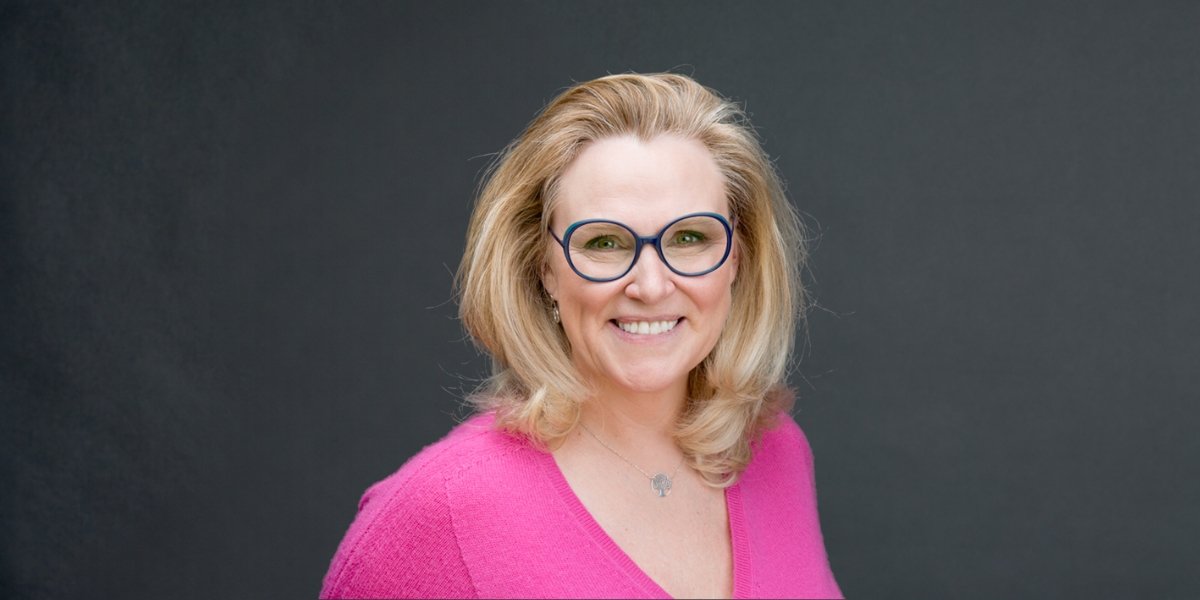
Why Laurence Boistay believes financial independence is an essential part of women’s freedom
“I don’t care about money.”
For Laurence Boistay, few statements reveal more about the complicated relationship many women have with financial independence. The French executive life coach and entrepreneur has spent decades listening to women describe their ambitions, fears, responsibilities, and the lives they hope to build. Again and again, money emerges as more than a practical concern.
Behind that seemingly innocent sentence, Laurence hears a question worth asking. Have women genuinely chosen not to care about money, or have some learned to distance themselves from financial ambition?
A Pattern She Could No Longer Ignore
Before becoming an entrepreneur, Laurence spent 24 years as a human resources director in international companies. She later built a coaching practice focused on emotional resilience, confidence, and personal transformation. Across hundreds of coaching relationships, she noticed a recurring tension.

Photo Courtesy: Sylvain Munsch
Many women were exceptionally capable at managing complex lives. They led teams, supported families, organized households, and anticipated other people’s needs. Yet some felt uncomfortable discussing their own earnings, savings, investments, or long-term financial security.
For Laurence, the issue is not that every woman must become wealthy or pursue the same career. It is that every woman deserves the knowledge and agency to make informed financial decisions.
“Financial independence is not about becoming rich to impress others. It’s about becoming free to choose,” she says.
The Hidden Cost of Looking Away
Money can be an uncomfortable subject, especially when women have absorbed messages that ambition is selfish, asking for more is inappropriate, or financial matters are best left to someone else. Those beliefs can quietly shape decisions about work, relationships, and the future.
Laurence sees a connection between financial confidence and the emotional work she does with clients. A woman who doubts her value may hesitate to negotiate her compensation. Someone accustomed to putting everyone else first may postpone building her own financial safety net. A woman who does not understand her financial position may find important life choices harder to make.
Financial autonomy cannot solve every challenge. Circumstances, opportunity, caregiving responsibilities, and structural inequalities matter. But learning to engage with money can help women regain a sense of ownership over decisions that affect their lives.
For Laurence, the starting point is simple. Know what comes in, know what goes out, understand the options, and stop treating financial conversations as something to avoid.
Beyond Trading Time for Money
Her own entrepreneurial journey also led her to question a familiar equation. More income requires more hours of personal work.
Coaching remains central to her mission, but it usually depends on her direct time and attention. She became interested in business models that could create value through systems, collaboration, and the development of other people’s skills.
That curiosity eventually led her to network marketing. She joined Zinzino in July 2025 and reached Director rank four months later, and she has since been building an international team.
She is careful not to confuse opportunity with certainty. Network marketing demands sustained effort, customer service, ethical practices, and sound business judgment. Earnings vary, expenses matter, and neither passive income nor financial success is guaranteed.
What appealed to Laurence was not a promise of effortless wealth. It was the possibility of helping others acquire entrepreneurial skills while building something that did not depend solely on her individual appointments.
From Personal Success to Shared Opportunity
For Laurence, the bigger question is what happens when women stop seeing money as an uncomfortable necessity and start seeing financial literacy as a form of leadership.
She wants more women to understand how income is generated, how businesses operate, how wealth can be built over time, and how financial decisions can support the lives they actually want. Some may choose traditional careers. Others may start businesses, invest, or pursue several income streams. The important point is that the choice belongs to them.
Her definition of success extends beyond revenue or professional titles. She looks for women who speak more confidently about their value, take greater responsibility for financial decisions, and feel able to act on their ambitions. She also hopes that confidence will ripple outward to families and communities.
The Question Worth Asking
Laurence’s message is not that money should become the center of a woman’s life. It is that ignoring money should not be mistaken for freedom from it.
She believes emotional resilience and financial awareness belong in the same conversation, because both can expand a woman’s capacity to choose.
The next time someone tells her, “I don’t care about money,” she would rather ask a different question.
“What would become possible in your life if money were no longer a limitation?”
Her answer is a challenge to the old assumption that purpose and prosperity must compete. Women should have the freedom to build both.
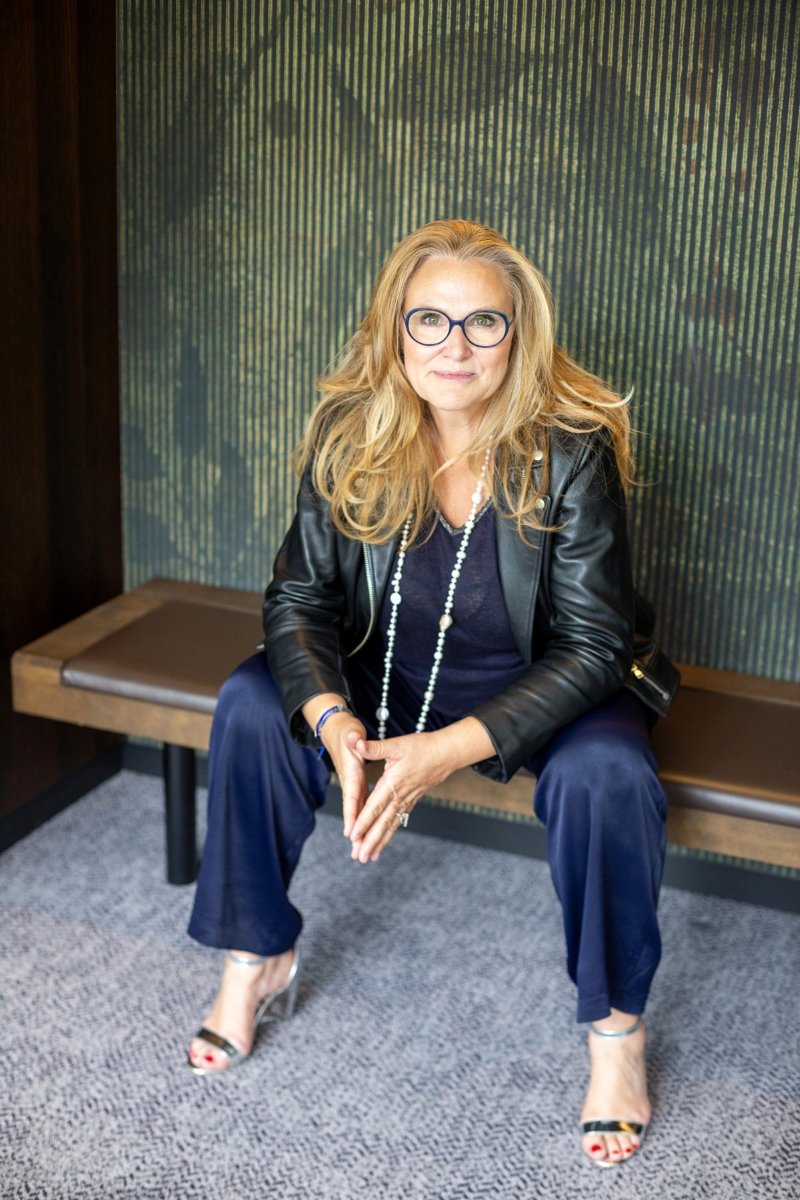
Photo Courtesy: Sylvain Munsch
Connect with Laurence Boistay
Laurence Boistay is an independent Zinzino partner and the founder of Inner Circle. Find her on Instagram.
Disclaimer: Testimonials in this article reflect personal experiences and aren’t guaranteed. Results vary based on effort, experience, and commitment.