Women's Journal

The Lasting Power of Cultural Legacy: Bita Daryabari’s Vision for Future Generations

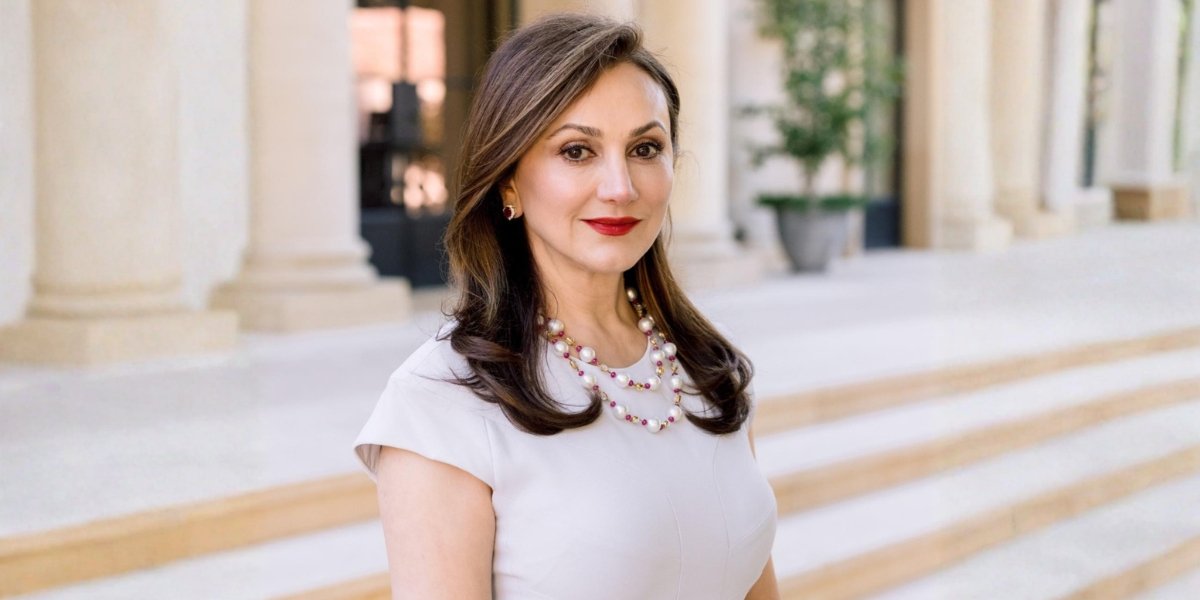
Philanthropy is often measured by the amount of money donated or the number of people reached. While those figures matter, they do not always reflect the lasting impact of charitable work. Many community leaders believe the true value of philanthropy lies in helping people regain confidence, independence, and a sense of belonging. In that view, restoring dignity becomes just as important as providing support.

That philosophy has guided Bita Daryabari throughout more than two decades of philanthropic work. As a community leader and advocate, she has focused on education, equality, and immigrant empowerment. Her efforts have consistently centered on helping people build stable futures rather than simply addressing immediate needs.

Behind every initiative is the belief that lasting change begins by recognizing the value of every individual.

Born in Tehran, Iran, Daryabari later built her life in the United States. Like many immigrants, she experienced the challenges of adapting to a new culture while pursuing professional and personal goals. Those experiences gave her a deeper understanding of the uncertainty many families face when starting over. They also shaped the compassion that would later define her work.

As she established her career in Silicon Valley, Daryabari encountered another set of challenges. As both a woman and an immigrant, she often found herself navigating environments where she had to prove her abilities before earning trust. Rather than allowing those experiences to discourage her, they strengthened her resolve to create opportunities for people who faced similar barriers.

That perspective became the foundation for Pars Equality Center. The nonprofit organization provides legal and social services to immigrants and refugees as they begin new lives in the United States.

While legal assistance is an important part of the organization’s work, Daryabari believes the larger purpose is helping individuals move forward with confidence and self-reliance. Access to support gives families the ability to participate more fully in their communities.

Her approach reflects what she has witnessed throughout her career. Families who receive culturally competent legal and social services are often able to integrate more quickly into society. They gain greater stability, become economically active, and participate more confidently in civic life.

In her experience, early support allows people to focus on building their future instead of overcoming unnecessary obstacles. Research supports that perspective. Immigrants are nearly twice as likely to start businesses as native born Americans, and more than half of Silicon Valley startups have at least one immigrant founder. Iranian Americans are also among the most highly educated immigrant communities in the country, contributing across technology, medicine, academia, and business.

For Daryabari, those figures demonstrate what becomes possible when people are given fair access to opportunity. Her commitment to dignity also extends beyond immigration. Through the Unique Zan Foundation, she has supported women and children outside the United States by expanding educational opportunities and promoting empowerment.

She has also established the Iranian American Legal Defense Fund to strengthen legal advocacy and civic participation within the Iranian American community. Each initiative reflects the same belief that people thrive when they are respected, supported, and equipped to succeed.

Daryabari has supported Iranian Studies endowments at Stanford, Berkeley, and Cambridge because she believes knowledge encourages understanding across cultures. Preserving history and encouraging scholarship helps create stronger connections between communities while reducing misunderstanding and prejudice.

Looking back on her own journey, Daryabari believes leadership is rooted in service rather than recognition. She often reflects on the importance of creating opportunities that allow others to succeed with confidence and independence. As she has said, “Success without impact is incomplete. Real success is measured by how many doors you open for others.”

While philanthropy is often associated with generosity, Daryabari views it through a different lens. Lasting impact comes from helping people regain dignity, exercise their potential, and participate fully in society. Through her work across education, advocacy, and community service, she continues to demonstrate that meaningful philanthropy begins by recognizing the humanity of every person.
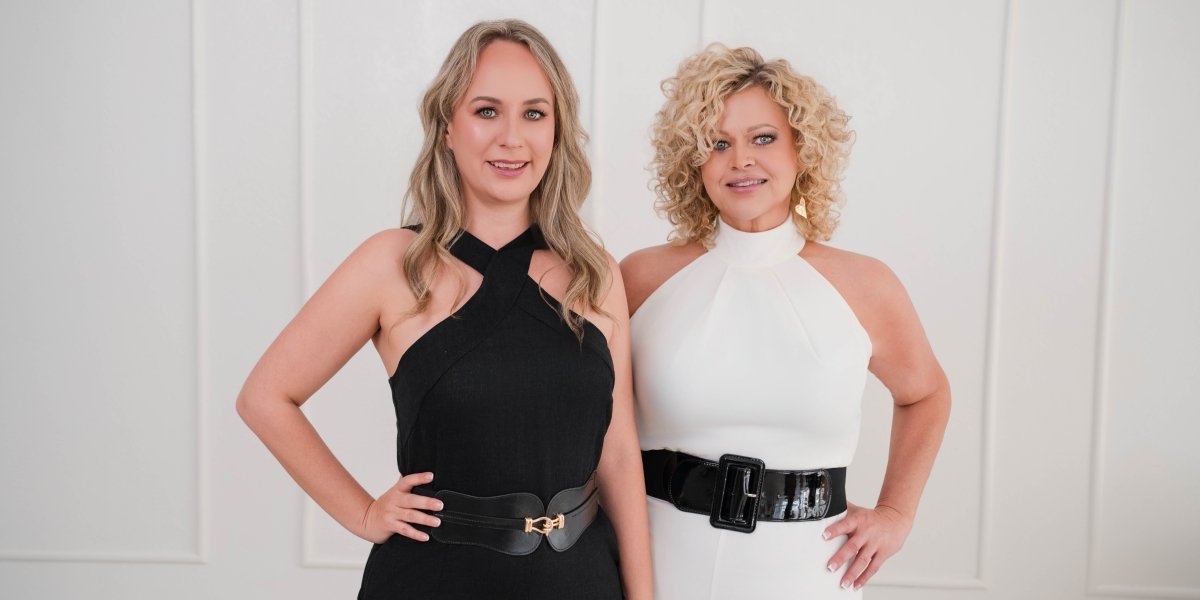
Christi Kendall and Leni Cavazos Bring a New Model of High-Ticket Sales to Women in Dallas

By: STAGE IIX, editorial staff

Sell Like a Woman Live combines sales psychology, positioning, buyer behavior, and experiential design to help women lead sales conversations with greater authority and certainty.

DALLAS, August 19, 2026 – Christi Kendall and Leni Cavazos, the founders behind We Summit™ and Women Who Sell™, will bring their approach to high-ticket sales to Dallas with Sell Like a Woman Live, an in-person experience for women who want to strengthen their ability to lead a sales conversation, communicate the value of their work and sell from stage.

The experience brings together sales psychology, positioning, buyer behavior and an intentionally elevated environment. It is built around a central premise: women do not need to become someone else to become exceptional at sales. They need to understand how to translate their existing leadership, expertise and value into a sales process that moves people to action.

“For a woman who leads and sells high-ticket, there may be no greater advantage than knowing how to walk onto a stage, lead a room and sell,” Kendall said. “She has to be able to cast the vision, tell the story, hold the certainty and give people a clear reason to act.”

A Sales Methodology Built on Leadership

Kendall developed her methodology through decades of experience in high-ticket sales.

During her first weekend in the design industry, she outsold every other representative in the Portland market. She finished that year in the top 7% of more than 2,000 representatives and received a national sales award. She later rose to the No. 1 national position among more than 2,000 sales professionals, a position she held for seven years.

Her approach stood apart from sales training built around pressure tactics, rigid scripts and formulaic closing techniques. Kendall instead learned to sell through leadership: articulating a clear vision, understanding the person making the decision, communicating value and maintaining certainty throughout the conversation.

That experience became the foundation of a methodology centered on three principles: Vision, Story and Presence.

Vision creates belief in what is possible. Story creates connection and self-identification, allowing potential clients to recognize themselves, their problem and what could change. Presence is certainty, certainty in what the seller knows, what she offers, the value it holds and the price she is asking someone to pay.

Together, the three principles create what Kendall calls The YES Effect™.

“She is not selling at the level she leads,” Kendall said. “When that gap closes, selling becomes an extension of her leadership rather than a performance of someone she is not.”

Women can learn more about how Vision, Story and Presence appear in their own sales approach through the company’s free sales style quiz.

Global Luxury Meets the Sales Room

Cavazos brings nearly two decades of global luxury hospitality and experiential brand strategy to the company’s work.

At Marriott’s corporate office in Dubai, she launched a loyalty program spanning 11,000 associates and led brand activations across eight restaurants and a spa at Ritz-Carlton venues. She also produced large-scale events in Dubai and Saudi Arabia for audiences of more than 400 people. Her team’s work was recognized as Best Loyalty Brand for the Middle East and Africa for three consecutive years.

Her experience in luxury hospitality demonstrated that value is communicated long before a price is presented. The environment, pacing, details, and way people are received all influence how they perceive quality, authority, and trust.

That principle now shapes the experiences Cavazos and Kendall create together. The environment is not separate from the sales education; it is part of it. Every detail is designed to reinforce the standard of the work and the level at which the women in the room are preparing to lead and sell.

The Advantage of Selling From Stage

Sell Like a Woman Live is designed for women who sell high-ticket offers and want to lead more effective sales conversations, whether those conversations happen one-to-one or in front of an audience.

Participants will explore how sales psychology, positioning, Vision, Story, and Presence work together to influence the way buyers understand value and make decisions.

Selling from stage requires more than delivering a polished presentation. A woman must be able to lead the room, communicate what she believes, connect her message to the people listening, and hold certainty in the offer she is presenting.

When she can do that, the stage becomes a way to extend her leadership, reach more clients, create greater impact, and sell at a higher level.

The goal is not to make women louder or more performative. It is to help them become more masterful at using what is already theirs.

Sell Like a Woman Live will take place on August 21st at Tower Club in Dallas. Program information and registration are available on the Sell Like a Woman Live event page.

About Women Who Sell™

Women Who Sell™ provides high-ticket sales education and experiences for women entrepreneurs, experts and leaders. Its methodology brings together sales psychology, positioning, buyer behavior, Vision, Story and Presence to help women sell with greater authority and certainty.

About We Summit™

We Summit™ creates live experiences for women who lead, build and sell. Founded by high-ticket sales strategist Christi Kendall and experiential brand strategist Leni Cavazos, the company combines strategic education with intentionally designed environments that communicate value, leadership and possibility.

You can follow the team and their upcoming events on Instagram.

Beyond the Loss: Sharon Spano Refuses to Let This Grief Go Unnamed

By: Kate Sarmiento

There’s a word for a woman whose husband dies. There’s a word for a child whose parents are gone. And there’s nothing, not one word, in the entire English language, for a parent who has buried their child. Sit with that for a second, because it’s not a small oversight.

Dr. Sharon Spano, founder of Spano & Company and host of the podcast Beyond the Loss: Life and Identity After a Child Dies, has spent almost two decades inside that gap, and she’ll tell you it isn’t an accident of vocabulary. It’s a mirror. Language builds itself around the losses a culture is willing to look at directly, and this particular loss, the death of a child, is one most people would rather not name at all. So they don’t. They talk around it instead. And the parents living inside it are left holding a grief that society hasn’t even bothered to build a shelf for.

Spano knows this from the inside. Her son Michael was born with a life-threatening metabolic disorder, given a prognosis that gave him maybe two years. He lived twenty-seven. He died in September 2008, and somewhere between the funeral and the years that followed, Spano noticed something almost nobody talks about out loud. The world expects grief to have an expiration date, and parental grief simply refuses to read the fine print. That refusal became the seed of her work now, work built for the parents everyone else has stopped checking in on, usually somewhere around month six, without ever saying so out loud.

The Word That Was Never Built

Try this at a dinner party sometime. Ask a widow what she is, and she has a word ready. Ask an orphan the same question, same deal. Now ask someone what you call a mother or father whose child has died. Watch what happens to their face. Most people freeze, or laugh nervously, or say something like “gosh, I don’t think there’s a word for that,” like they just noticed a gap in the sidewalk. There isn’t a word. That’s the whole problem in one blank stare.

Duke professor Karla Holloway ran into this same wall after her own son died, and she didn’t just shrug it off the way most of us do. She went digging, eventually landing on a Sanskrit term, vilomah, which translates loosely to “against the natural order” (Source: Duke University, 2009). Children are supposed to bury their parents. Not the reverse. When that order flips, something breaks that has nothing to do with hearts and everything to do with the script everyone’s been handed since childhood, the one where funerals go in a certain sequence and grief comes with an expiration date. Ask a parent how many kids they have. If the honest answer includes one who’s gone, watch the room shift. People don’t know where to file that piece of information. So a lot of them just change the subject. Some pretend they didn’t hear it at all, which might be worse.

This is where Spano’s work gets its edge. She’s not interested in softening the loss into something more palatable for the people standing outside it. Beyond the Loss exists because bereaved parents kept describing the same maddening pattern: friends and coworkers who meant well but treated the grief like a fever that should break by month six. Research backs up what these parents already know in their bodies. Complicated grief, the kind that doesn’t ease with time and starts interfering with daily functioning, shows up in roughly 30 percent of bereaved parents, compared with somewhere around 2 to 3 percent across bereavement in general (Source: The New England Journal of Medicine, 2015). That’s not a small gap. That’s an entirely different category of loss hiding under one generic label.

Grief That Doesn’t Check a Calendar

The version of grief most people picture involves a funeral, some casseroles, a few rough weeks, and then, gradually, a return to normal. Spano pushes back hard on that model, and not just because it’s tidy. It’s wrong. In her own writing, she distinguishes between mourning, which she describes as the acute, almost physical survival mode of the early days, and grief, which she frames as an ongoing relationship that continues for the rest of a parent’s life. Mourning fades. Grief doesn’t, and pretending otherwise just adds shame on top of sorrow.

The clinical research lines up with her. Parents who lose a child to a sudden or traumatic death are at meaningfully higher risk for prolonged, complicated grief reactions than people grieving other kinds of loss, with severity often tied to how sudden the death was, how much support the parent perceived afterward, and whether they felt the loss was handled with any sense of justice or acknowledgment (Source: OMEGA – Journal of Death and Dying, 2023). Even in less sudden cases, like a child’s death following a long illness in a hospital setting, researchers have documented high rates of complicated grief symptoms that persist well beyond the window most people assume grief should occupy (Source: Journal of Palliative Medicine, 2011).

And it isn’t only the parent who absorbs this. Marriages take a direct hit too. Studies tracking bereaved husbands and wives over the year following a child’s death found that as grief intensified, so did strain on the marriage itself, with couples reporting rising levels of despair, guilt, and disconnection from each other at exactly the moment they most needed to lean on someone who understood (Source: OMEGA – Journal of Death and Dying, 1991). Grief doesn’t stay in one lane. It moves through a household like the weather.

The Parts Nobody Warns You About

What makes Spano’s approach different from a lot of grief content floating around online is her refusal to offer a five-step plan toward closure. She doesn’t believe closure is the goal, and honestly, most bereaved parents will tell you that word makes their skin crawl. Instead, Beyond the Loss digs into the parts of this experience that rarely get named. The guilt that shows up even when nothing was anyone’s fault. The strange betrayal-shaped guilt that can accompany a genuine moment of joy years later. The way grief can live in the body long after the mind has “processed” it, showing up as a tight chest near an anniversary or a flinch at a sound that used to mean nothing.

She also doesn’t let the conversation stay theoretical. Spano talks about her own son by name, about the years she spent white-knuckling her way through anniversaries, about learning that grieving and mourning aren’t the same verb even though people use them interchangeably. That specificity matters, because vague talk about “loss” lets everyone stay comfortable. Naming Michael, naming the actual mechanics of what happened and what came after, is what makes the work useful instead of just soothing.

There’s also a professional dimension here that Spano understands better than most grief educators, given her background coaching high-impact leaders. Bereaved parents don’t get to opt out of their careers while they grieve. They show up to board meetings, client calls, and performance reviews while carrying something the people across the table have no framework for. That mismatch, a private catastrophe running underneath a public role that demands composure, is its own particular kind of cruelty, and it’s one more reason a single, ready-made word for this kind of loss might matter more than it first sounds like it should.

Beyond the Loss Isn’t Asking Anyone to Move On

If any of this sounds familiar, if there’s a version of you that’s been nodding along a little too hard, Beyond the Loss was built with exactly that reader or listener in mind. The show isn’t interested in rushing anyone toward acceptance on someone else’s timeline, and it isn’t going to hand you a tidy metaphor about butterflies. What it offers instead is company, real company, from someone who has lived inside this particular kind of grief long enough to know its terrain.

New episodes of Beyond the Loss: Life and Identity After a Child Dies premiere weekly, and the show is available on the usual podcast platforms, on YouTube, and through Dr. Spano’s Substack for anyone who wants the deeper written reflections alongside the audio. If you’re a parent who has lost a child, or you love someone who has, or you’re a clinician trying to understand what your current vocabulary keeps failing to capture, start with an episode and see if the language finally fits. Sometimes the most useful thing anyone can hand you isn’t advice. It’s a word for what you’re actually carrying.

Royston G King of Quantum Scaling Partners on the Difference Between a Demand Problem and a Capacity Problem

When revenue stalls, the reflexive response is to generate more leads. Marketing spend increases, outreach expands, and the sales pipeline receives attention. In a meaningful proportion of cases, this is the wrong intervention entirely, because the business was never short of demand.

Royston G King, founder of Quantum Scaling Partners and of Master Scaling, describes this as one of the most expensive diagnostic errors a growing firm can make. Adding demand to a business that cannot deliver on what it already has produces longer lead times, deteriorating quality, and eventually a reputation problem that costs more than the growth was worth. King, who advises businesses on growth strategy, operations, and client acquisition, holds Forbes 30 Under 30 recognition and studied at the University of Southern California. He operates his companies from Malaysia.

The distinction is usually visible in the data a firm already holds, though it is rarely examined. A demand-constrained business has capacity sitting idle, quotes that go unanswered, and a pipeline that thins at the top. A capacity-constrained business has the opposite signature. Proposals convert well, delivery timelines are extending, staff are working beyond normal hours, and the firm has begun quietly declining or deferring work. Revenue may be flat in both cases, but the causes are opposite and the remedies are unrelated.

King notes a third pattern that is frequently mistaken for a demand problem. Some firms have adequate demand and adequate capacity but a conversion problem sitting between them. Leads arrive and do not close, or close slowly, and the shortfall shows up as insufficient revenue. Increasing lead volume in this situation simply increases the number of unconverted conversations, adding work to the sales function without adding output.

The diagnostic Quantum Scaling Partners applies begins with a straightforward question. If the firm received twice as many qualified enquiries next month, what would happen. Where the honest answer is that most would be turned away or that delivery would collapse, the constraint is capacity and additional marketing is not merely useless but actively harmful. Where the answer is that the firm could serve them comfortably, the constraint may genuinely be demand, though conversion should be examined first.

Capacity constraints have a further characteristic that makes them easy to misread. They rarely announce themselves. A firm at capacity does not typically declare that it is full. Instead, response times lengthen slightly, proposals take a few more days, and small errors begin appearing in delivery. The people closest to the work notice, but the pattern is often interpreted as a performance issue rather than as a structural signal. Founders looking at flat revenue and a strained team frequently conclude that the team is underperforming, when the team is in fact operating past a limit nobody has measured.

Resolving a capacity constraint is generally slower and less appealing than launching a marketing campaign, which is part of why firms avoid the diagnosis. It usually requires hiring, which takes months to become productive, or process improvement, which takes discipline and produces no immediate visible result. Marketing produces activity quickly, and activity feels like progress.

King observes that price is an underused instrument here. A firm operating at capacity with strong conversion has direct evidence that it is priced below market. Raising prices reduces demand to a manageable level while increasing revenue on the same volume of work, which addresses the constraint without hiring. Many firms in this position never consider the option, having framed the situation as needing more resources rather than as needing better selection.

He also warns about the sequencing of the two. A business that solves a capacity constraint by expanding, and then discovers that the underlying demand was temporary, has converted a good problem into a serious one. Capacity added should be proportionate to demand that has proven durable across more than a single strong quarter.

The general principle King advocates is that firms should identify their binding constraint before choosing an intervention, and should re-examine it periodically, since the constraint moves. A business that solves a demand problem successfully will typically become capacity constrained within a year, and the strategies that produced the first success will start working against it.

About Royston G. King

Royston G. King writes and advises on brand authority, strategic publicity, and reputation management. Learn more about his work at his website. You can also follow his insights on LinkedIn, Instagram, and YouTube.

Global Study Tracks the Growing Burden of Kidney Disease in Women

A 2026 global analysis estimates that 359 million women were living with chronic kidney disease in 2021, up 90.65% from 1990. Using Global Burden of Disease 2021 data, researchers tracked age, metabolic risks and cardiovascular burden over 32 years, adding new context to kidney disease in women and U.S. surveillance.

Key Takeaways

  • The study estimated 359 million women were living with CKD worldwide in 2021.
  • Population growth accounted for 58.63% of the increase in CKD-related DALYs and aging accounted for 26.64%.
  • Women ages 50 and older represented nearly 90% of CKD-related deaths and about 73% of DALYs among women in 2021.
  • Metabolic risks, including high fasting glucose, high blood pressure and high body mass index, featured prominently.
  • The CDC estimated in March 2026 that 37 million U.S. adults had CKD and 87% of adults age 20 or older with CKD did not know it.

Kidney disease in women is receiving renewed attention after researchers mapped chronic kidney disease, or CKD, from 1990 through 2021 and found a substantial rise in the number of women living with the condition worldwide.

Published in the Chinese Medical Journal in June 2026, the study analyzed estimates across age groups, CKD subtypes, sociodemographic levels, risk factors and cardiovascular disease associated with impaired kidney function. Researchers estimated 359 million women had CKD in 2021, 90.65% more than in 1990.

Global Study Puts the Scale of Kidney Disease in Women in Focus

The analysis used modeled population estimates rather than a single clinical cohort. It reported that CKD-related deaths among women increased 180.89% between 1990 and 2021, while disability-adjusted life years, or DALYs, rose 114%.

Those increases do not mean individual risk changed at the same rate. Population growth accounted for 58.63% of the increase in CKD-related DALYs, while aging accounted for 26.64%.

Researchers reported the highest age-standardized mortality and DALY rates in low and low-middle sociodemographic regions in 2021. Age-standardized prevalence was highest in low-middle regions.

The age pattern connects with broader concerns around aging and women’s health, particularly as chronic conditions become more common later in life.

Age and Metabolic Risks Shape the Burden

Women ages 50 and older carried the largest measured burden. In 2021, they accounted for nearly 90% of CKD-related deaths among women and about 73% of CKD-related DALYs. Their age-standardized mortality rate reached 64.03 per 100,000, while the age-standardized DALY rate reached 1,493.31 per 100,000.

Among women ages 15 to 49, the age-standardized prevalence rate rose gradually, with an average annual percentage change of 0.13%.

High fasting plasma glucose, elevated systolic blood pressure and high body mass index were among the attributable risks assessed. Among women ages 15 to 49, CKD burden attributed to high fasting glucose increased 40.66%, while the burden attributed to high body mass index rose 112.17%.

U.S. health authorities also identify diabetes and high blood pressure as major CKD risk factors. CDC guidance notes that both conditions can affect blood vessels and structures involved in kidney function.

Researchers also estimated 18.19 million cardiovascular DALYs attributable to kidney function impairment among women in 2021, equal to 46.70% of the burden associated with kidney dysfunction in the study’s framework. Ischemic heart disease was the largest contributor.

That connection places kidney health alongside broader women’s heart health risks, particularly where blood pressure and metabolic health overlap.

U.S. Data Shows CKD Is Common and Often Unrecognized

Global Study Tracks the Growing Burden of Kidney Disease in Women

Photo Credit: Unsplash.com

The global analysis does not provide a direct U.S. forecast, but the CDC’s March 31, 2026 report offers a domestic comparison. The agency estimated that 14% of U.S. adults age 18 or older, about 37 million people, had CKD.

The CDC also estimated that 87% of adults age 20 or older with CKD did not know they had it. Estimates were based on August 2021 through August 2023 National Health and Nutrition Examination Survey data and covered CKD stages 1 through 4.

CKD prevalence increased with age. An estimated 34% of adults age 65 or older had CKD, compared with 13% of adults ages 45 to 64 and 6% of adults ages 18 to 44. CKD was also estimated among 38% of adults with diabetes and 21% with high blood pressure.

The CDC cautions that its prevalence estimate relies on single measurements rather than repeated measurements demonstrating persistence. It notes that the report may therefore overestimate CKD prevalence.

Together, the global and U.S. data frame kidney disease in women as a population health issue shaped by age, metabolic conditions, cardiovascular burden and demographic change.

Frequently Asked Questions

What did the 2026 global kidney study find?

Researchers estimated that 359 million women were living with CKD in 2021, 90.65% more than in 1990. Population growth and aging accounted for much of the increase in CKD-related DALYs.

Which women carried the largest CKD burden?

Women ages 50 and older accounted for nearly 90% of CKD-related deaths and about 73% of DALYs among women in 2021. Women ages 15 to 49 showed a gradual rise in age-standardized prevalence.

What factors were linked to kidney disease in women?

The study assessed high fasting glucose, elevated systolic blood pressure and high body mass index. U.S. health authorities also identify diabetes and high blood pressure as important CKD risk factors.

How common is CKD in the United States?

The CDC estimated in March 2026 that 14% of U.S. adults age 18 or older, about 37 million people, had CKD. It also estimated that 87% of adults age 20 or older with CKD were unaware they had it.

Disclaimer:

This article is for informational purposes only and is based on publicly available research and health data. It does not provide medical advice, diagnosis, or treatment. Individuals with concerns about kidney health or related risk factors should consult a qualified healthcare professional for guidance based on their personal medical circumstances.


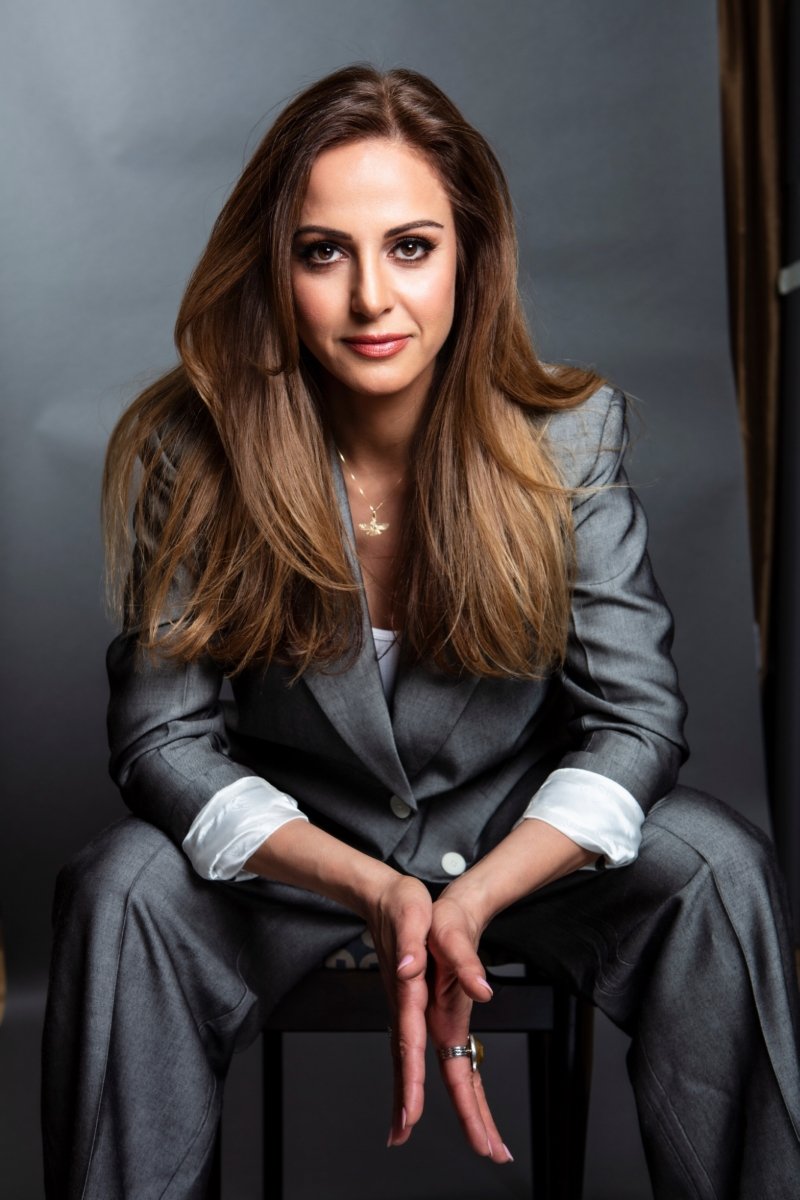
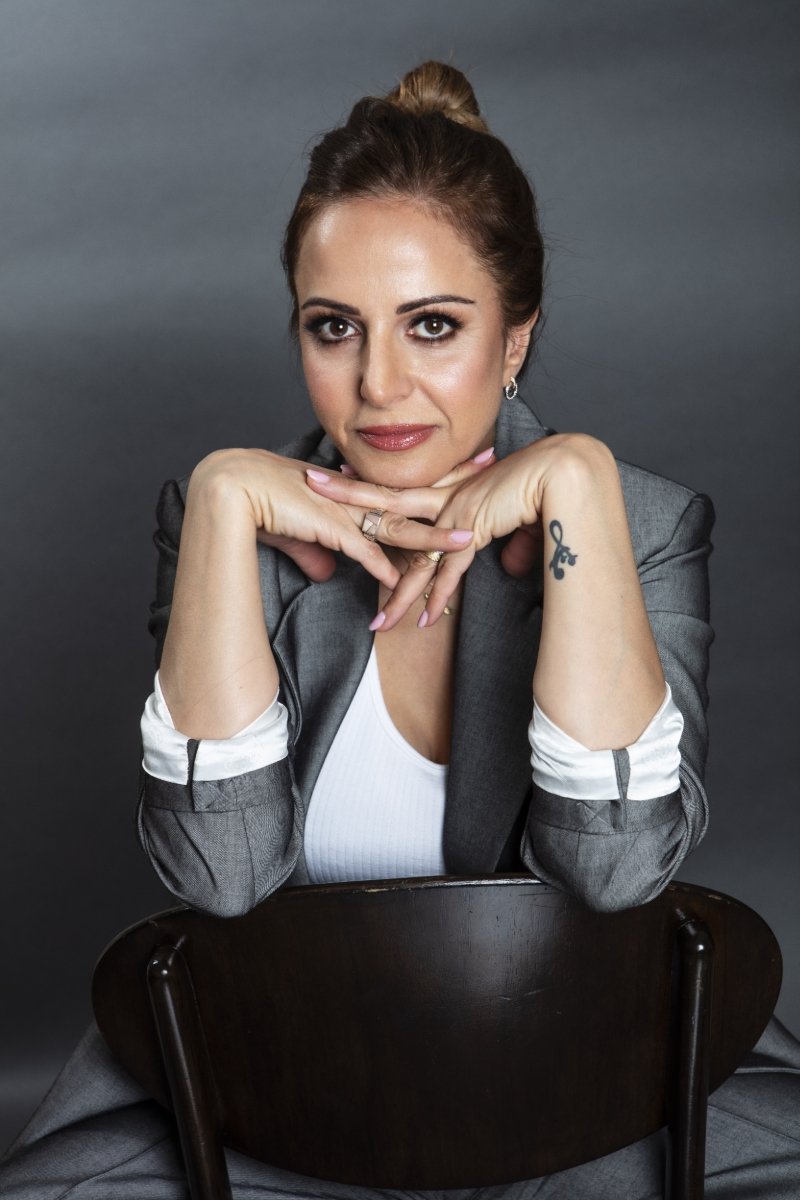
Dr. Mahsa on Healing, Love, and the Path to Truth

Most people learn how to survive long before they learn how to live. They meet deadlines, build careers, raise families, and keep moving, often without noticing how much of that momentum is a response to old pain. Dr. Mahsa Khodabakhsh has spent nearly two decades studying that gap between surviving and living. Her message is a plain one. Healing is less about becoming someone new and more about remembering the self that existed before the pain took hold.

When Success Doesn’t Feel Like Enough

Achievement and fulfillment are not the same thing, and Dr. Mahsa has watched the difference play out in countless lives. Someone can reach every goal they set, earn the recognition they wanted, and still feel hollow when the noise dies down. Success can look complete from the outside while private wounds go unattended underneath it.

Part of the reason is that accomplishment does not resolve shame. A title, a milestone, or a full calendar can mask an old ache, but none of them reach the place where that ache lives. This is the quiet contradiction many high performers carry. Their competence is real, and so is the emptiness they rarely admit to anyone.

The Body Keeps Its Own Record

Photo Courtesy: Valentina Socci

Trauma is not stored only as a memory in the mind. It settles into the body, shapes relationships, and steers the choices people make without their awareness. The nervous system holds an honest record of what a person has lived through, and that record influences daily life in ways logic alone cannot explain.

Here her background as a Doctor of Chiropractic meets her work as a metaphysical teacher. Years of hands-on patient care taught her that physical patterns and emotional history are rarely separate. When a person feels disconnected, the disconnection often shows up in the body first, long before it surfaces as a conscious thought.

Healing as Remembering, Not Fixing

The belief that people are broken and need repair runs through much of self-improvement culture, and Dr. Mahsa rejects it. In her view, people are not damaged goods. They are disconnected from themselves and from one another, and the work is reconnection rather than reconstruction. “You are not broken. You have simply forgotten who you are,” she says.

Love, not fear, drives that reconnection. Fear is loud and insistent, and it tends to drown out the quieter signal of intuition. Many people stopped trusting themselves years ago because pain taught them it was safer not to. Looking back with compassion and accepting that they did the best they could with what they had is what allows that trust to return. Love heals, and in Dr. Mahsa’s framing, you are love.

Real change also comes from the inside. External validation can feel good for a moment, but it never replaces internal truth. When people wait for approval to feel worthy, they hand their sense of self to someone else. Reclaiming it means listening to the whisper of intuition instead of the shout of fear.

Turning Pain Into Purpose

Photo Courtesy: Valentina Socci

Dr. Mahsa’s own story gives the message its weight. Born in Iran and raised during the Iran-Iraq War, she immigrated to the United States at the age of nine. Illness, injury, and grief marked her early years, and those experiences became the starting point for a lifelong study of what healing actually requires. For nearly twenty years she cared for patients through chiropractic and integrative wellness practices before widening her focus to writing, speaking, and mentorship.

Today her work reaches people through transformational retreats and a private mentorship she calls The Sacred Flame. Her book, I AM EMPOWER: The Path from Trauma to Truth, reads as both a personal memoir and a practical guide. It presents the EMPOWER Method as a set of concrete tools rather than a collection of inspirational slogans, designed to help readers reconnect with themselves, find their voice, and move through pain toward something steadier.

“Your soul didn’t come here to blend in. It came here to shine.” The line captures the invitation that runs through her work, a call to stop shrinking and to start living with honesty and courage.

Readers can learn more about her practice and writing on Dr. Mahsa’s website, follow her daily reflections on her Instagram page, or review her professional background on her LinkedIn profile.

How Michelle Luan Helps Founders Make Risk Their Edge

By Linda Zing

On paper, the flight from a founder’s hometown to a United States investor meeting looks simple: a few hours in the air, a pitch deck, and a handshake that promises growth. In reality, that journey rests on an intricate lattice of risk that many founders barely see and even fewer understand. It is in that blind spot that Michelle Luan has built her practice, teaching founders that risk is not a hurdle to clear but an asset to measure, price, and deliberately use as an edge in the fiercest capital markets in the world.

Raised in the discipline of investment banking and later embedded in high-stakes fintech, she has watched risk evolve from a back-office concern into a front-of-stage force that shapes which companies survive, scale, or disappear. Her recent writing, including US Money Isn’t Easier, Just Priced for a Different Risk and Timing, Not Talent: The Investor Clock Founders Cannot See, works through the realities founders meet in American capital markets. Both pieces pull apart the myths that surround money and replace them with a cold, data-driven narrative.

The Myth Of “Easier” U.S. Money

In public, founders often talk about the United States as if it were a kind of financial promised land, where capital is cheaper, faster, and more forgiving. Luan’s writing argues that this belief is wrong and dangerous. In her analysis of how American money is actually priced, she describes investors who do not soften risk so much as reassign it. Founders chase what looks like easier money, she argues, and the risk does not vanish. It moves, often onto their own balance sheets.

Behind that assertion sits a sophisticated reading of how capital is structured. Luan has spent years analyzing term sheets, mezzanine tranches, and covenant packages that reveal how investors shift exposure with surgical precision. Where a founder sees a larger check, she sees an embedded risk premium: tighter milestones, more aggressive liquidation preferences, or assumptions about revenue velocity that are mathematically plausible but operationally punishing.

She treats risk appetite as something a company defines explicitly rather than carries as instinct, and something a whole team understands rather than a founder holds alone. When she outlines how U.S. capital prices risk, she does not argue against American money. She asks founders to place it within a framework that weighs opportunity cost and downside exposure with equal rigor.

The Invisible Investor Clock

If Luan has a single obsession, it is time. In her work on investor timing, she describes the mismatch between the timelines inside a fund and those inside a startup. Founders believe they are raising money from a person, she argues, when the negotiation is really with a clock.

Fund structures back up that claim. Private equity and venture managers work within vehicles that require deployment and exit inside fixed windows, and each investment is evaluated not just on potential return but on how quickly that return can materialize relative to the fund’s life. A founder who interprets enthusiasm as a vote of confidence in their product may, in fact, be stepping into a situation where the investor’s pressing need is speed, not vision.

Luan uses this reality to reframe risk. In her view, the most dangerous exposure is not market volatility but misaligned clocks. When a founder signs onto an investor timeline that assumes hypergrowth within 24 to 36 months, everything from hiring to product strategy shifts into a tempo that may be structurally at odds with the market the company is trying to serve. The problem she describes is rarely the quality of the idea. It is an investor who needs that idea to move faster than the market can sustain.

She maps fund timelines against sector data such as growth rates, regulatory lag, and adoption curves, so founders can see whether the capital they court aligns with their reality or quietly sets them up for a squeeze.

Turning Risk Into A Strategic Asset

Where Luan diverges from traditional risk professionals is in her insistence that risk is as much narrative as it is numbers. Her background in investment banking and cross-border finance has taught her that investors do not simply read spreadsheets. They read stories about how a company will handle uncertainty.

In her work with founders, she pushes them to build what she calls risk literacy: a capacity to articulate, in detail, what could go wrong, what has been done to anticipate those scenarios, and how the company will respond if they materialize. Contingency planning and a stated risk appetite belong in a company’s operating fabric, in her view, rather than in an appendix nobody reads.

“If you cannot explain your risk, you cannot own it,” Luan tells founders in workshops and one-on-one advisory sessions. “And if you do not own it, someone else will price it for you, usually on terms you will not like.” That framing stays grounded in practice. Luan walks teams through exercises that quantify exposure, such as scenario modeling, downside sensitivity, and opportunity cost analysis, and then translates those models into language that belongs in a pitch deck, not just an internal memo.

The exercise is designed to change what a founder brings into the room. Instead of promising implausible certainty, they present investors with a map: specific threats, planned responses, and the resources earmarked for adaptation. In a market defined by geopolitical shocks, regulatory shifts, and technology cycles that can reorder valuations overnight, preparedness of that kind reads less like caution and more like competence.

Why It Matters Now

The stakes of Luan’s work are concrete. Central banks and institutional investors have increasingly treated the United States dollar as a risk asset rather than a neutral benchmark, and the old assumption that American capital automatically stabilizes has eroded. For founders, particularly those looking to the United States, the question shifts from whether they can secure a check to whether they understand the risk architecture that accompanies it.

Luan’s position is that this understanding is essential. By teaching founders to see risk in price, time, and narrative, she moves risk literacy out of the hands of investors alone and toward the operators who have to live with the terms.

What remains to be seen is whether the culture of entrepreneurship will follow. If founders embrace this way of thinking, the next generation of pitch decks may look very different, less about glossy projections and more about the disciplined, unglamorous work of knowing exactly which risks a company is taking and why.