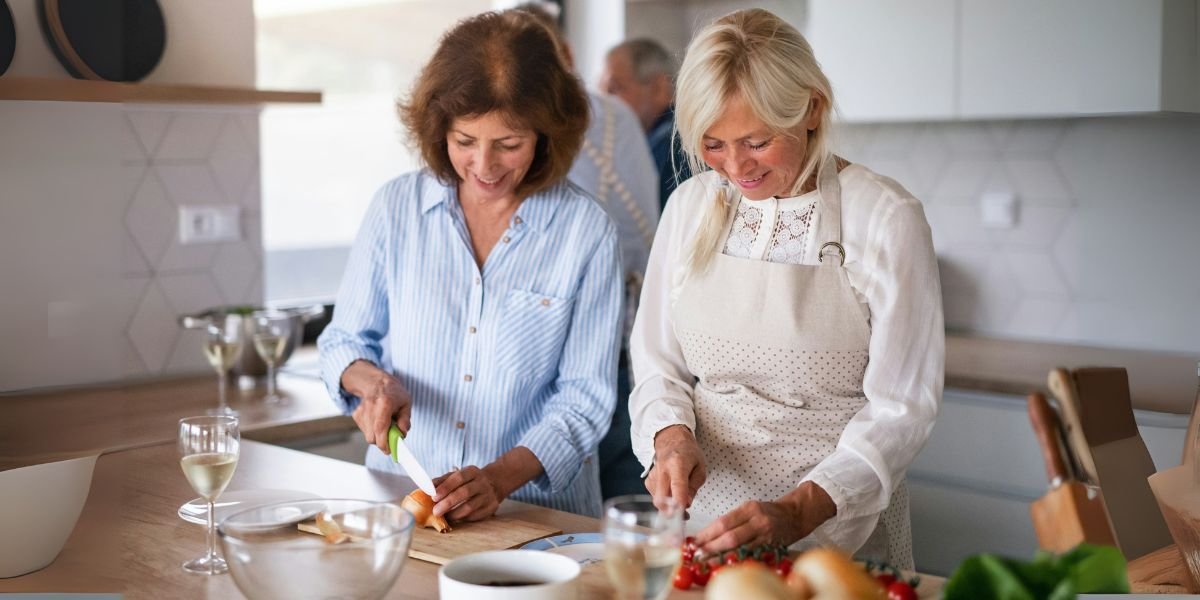
Cooking in retirement opens up more than just new recipes—it offers a path to creativity, connection, and well-being. Many retirees find that with fewer time constraints, they can enjoy learning how to cook or refine their culinary skills. As Amy Hannah Johnston knows, this journey often leads to unexpected rewards, from improved health to meaningful social interactions. Cooking can become more than a necessity; it may turn into a fulfilling hobby, a way to stay mentally sharp, physically active, and emotionally connected.
Exploring New Passions in Retirement
Retirement often marks the beginning of a more flexible lifestyle, allowing people to explore passions that may have been set aside during their working years. With more control over their schedules, many retirees look for enriching, hands-on activities that bring both enjoyment and a sense of accomplishment.
Cooking fits naturally into this phase of life. It combines creativity, routine, and discovery in one activity. Some retirees take up bread baking as a relaxing weekend ritual, while others may dive into learning regional cuisines they’ve always admired.
Developing Culinary Skills and Confidence
Many retirees approach cooking classes with a sense of curiosity, eager to sharpen skills they may not have had time to develop fully. Whether it’s mastering knife techniques or learning how to make homemade pasta, these classes can provide structured, enjoyable learning experiences that leave participants feeling more capable.
Some people may discover a newfound interest in experimenting with global flavors, transforming everyday meals into something more adventurous. Others appreciate learning how to modify favorite recipes to suit changing dietary needs, such as reducing sodium or adding more plant-based ingredients. Over time, what starts as a casual interest may grow into a confident, lifelong ability.
Promoting Wellness and Staying Active
Cooking is both mentally and physically engaging, offering a way to stay sharp while moving with purpose. Measuring ingredients, following steps, and timing preparation can stimulate cognitive functions that benefit brain health. At the same time, standing, stirring, and using kitchen tools involve light physical activity that helps keep the body in motion.
Preparing meals at home can also support healthier eating habits. When you’re the one selecting ingredients, it’s easier to manage portion sizes and avoid overly processed foods. Many retirees report that their energy levels improve, and their health markers may stabilize when they take more control over their diet. It’s a simple, sustainable way to dedicate yourself to your well-being.
Building Social Connections Through Cooking
Cooking classes often become more than just a place to learn recipes—they turn into spaces where people connect through shared experiences. There’s something about working side by side in a kitchen that encourages conversation and laughter, even among strangers, forming the foundation for new friendships.
In many communities, retirees join group classes not only to expand their culinary skills but also to enjoy the camaraderie that naturally grows when meals are prepared and shared together. Whether it’s swapping family recipes or discussing travel over a simmering pot, the act of cooking can become a bridge between people. Some participants even go on to form supper clubs or host themed dinners, extending these connections beyond the classroom.
Selecting the Right Cooking Class
Finding the right class depends on personal goals and preferences. Some retirees may be drawn to courses that focus on nutrition and wellness, while others may enjoy learning to bake artisan bread or exploring Thai street food. The format also matters—some prefer the social interaction of in-person sessions, while others appreciate the flexibility of virtual classes that can be joined from home.
It’s helpful to consider a few practical details before signing up. Things like class size, pace, and the instructor’s teaching style can significantly impact the experience. A smaller group might offer more individual attention, while a larger one can bring more opportunities to meet peers with similar interests. Some institutions even offer trial sessions, allowing newcomers to get a feel for the atmosphere before committing fully.
Disclaimer: The content is intended for informational purposes only and should not be considered as professional advice. No guarantees are made regarding the completeness, accuracy, or reliability of the content. Readers are encouraged to seek professional guidance before making decisions related to health, wellness, or culinary practices.