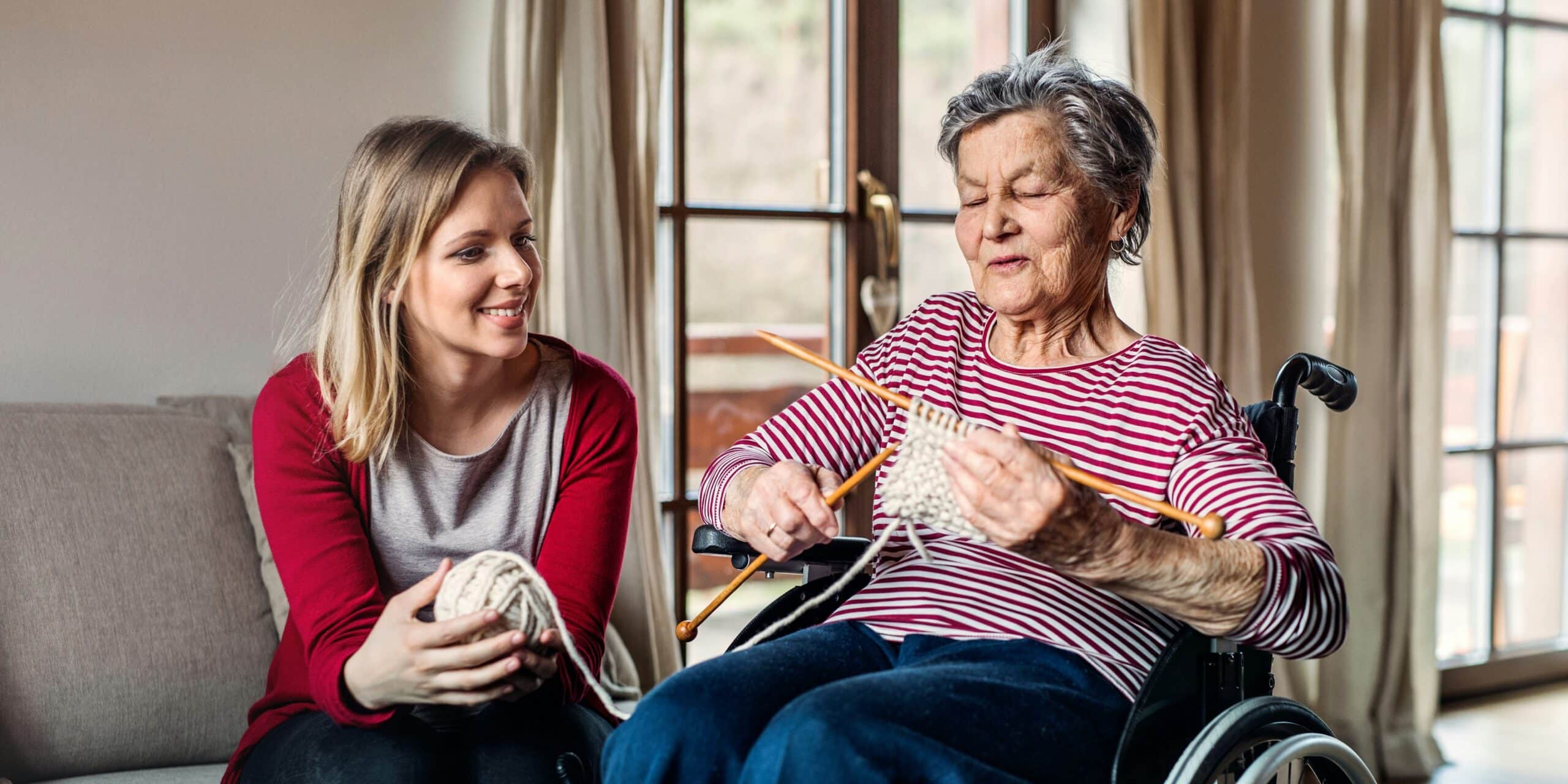
Aging is becoming an increasingly prominent global trend, with people living longer than ever before. By 2030, the World Health Organization (WHO) estimates that one in six people worldwide will be over the age of 60, reflecting the growth of the aging population. This demographic shift brings both new opportunities and challenges, particularly when it comes to health and social care systems.
Women, who typically live longer than men, represent a significant portion of this aging population. Their longer life expectancy means that aging in women is often characterized by a variety of factors, from biological changes to socio-economic influences. As women age, their experiences are shaped not only by physical changes but also by social roles, healthcare access, and caregiving responsibilities. These factors contribute to how women experience later life and the health outcomes they face.
The rising life expectancy presents an important opportunity: shifting the focus from merely extending life to improving the quality of life during aging. This concept, often referred to as “healthspan,” is gaining traction as researchers and healthcare professionals aim to help individuals not only live longer but live healthier.
Understanding Aging and Its Impact on Health
As the global aging population expands, both developed and developing countries are grappling with the consequences of longer life spans. While extended longevity is generally positive, it also raises important questions about the quality of life for older adults. Simply living longer doesn’t necessarily equate to healthy years, especially as people age into a period of life where chronic conditions become more common.
For women, aging is influenced by multiple factors. Access to healthcare is one of the primary determinants in shaping how women experience aging. Adequate healthcare access ensures that older women can receive regular screenings, treatment for chronic conditions, and preventive care. However, the quality of care varies widely across countries and regions, with lower access to healthcare contributing to poorer outcomes in aging populations.
Alongside healthcare access, economic independence plays a crucial role in how women navigate aging. Financial stability allows women to secure quality healthcare, housing, and long-term care when needed. As women live longer, the need for sustainable financial strategies, both personal and societal, becomes increasingly important to ensure a dignified quality of life throughout old age.
Hormonal Changes and Menopause
One of the most significant aspects of aging for women is the transition into menopause, which typically occurs between the ages of 45 and 55. This period marks the end of a woman’s reproductive years and is associated with a series of hormonal changes. These changes can lead to symptoms such as hot flashes, sleep disturbances, and mood shifts, which, while natural, can affect daily life and overall well-being.
In addition to these symptoms, menopause also increases the risk of osteoporosis, a condition where bones become brittle and more prone to fractures. As estrogen levels decline during menopause, women become more susceptible to this condition. Preventive measures such as ensuring adequate calcium and vitamin D intake, engaging in weight-bearing exercises, and taking steps to maintain bone density can help mitigate these risks.
Furthermore, the hormonal shift associated with menopause also has implications for cardiovascular health. Estrogen is believed to have a protective effect on the heart, and as its levels drop, women may be at an increased risk of heart disease. This makes regular check-ups, balanced nutrition, and physical activity critical to mitigating the risk of cardiovascular issues as women age.
Chronic Conditions and Aging
As women age, the likelihood of developing chronic conditions increases. Heart disease, arthritis, diabetes, and cancers such as breast and colon cancer become more common as individuals reach their senior years. These conditions, while prevalent, can often be managed through early detection, proactive treatment, and lifestyle changes.
Aging is not just about the passage of time; it’s also about managing chronic health conditions that become more prevalent with age. In the U.S., heart disease is the leading cause of death among women over 65, but with early screening and appropriate medical care, many women can manage this risk. Regular mammograms, blood pressure checks, and diabetes monitoring are essential for keeping health problems at bay and catching potential conditions early.
Healthy lifestyle choices also contribute significantly to aging well. A nutritious diet, regular physical activity, and avoiding smoking are all fundamental to maintaining long-term health. Women who embrace these habits in midlife can significantly improve their quality of life in later years and reduce the risks of developing chronic diseases associated with aging.
Mental and Emotional Health in Older Age
Aging doesn’t just affect the body; it also impacts the mind. Older adults, especially women, are at risk for mental health challenges such as depression, anxiety, and cognitive decline. The World Health Organization emphasizes the importance of addressing mental health concerns in older populations, particularly since mental health is often overlooked in aging discussions.
Social isolation is one of the most significant risk factors for mental health issues in older women. Many women face isolation after retirement or the loss of loved ones, which can contribute to feelings of loneliness, sadness, and even depression. Building strong social networks through family, friends, and community groups is key to reducing these risks and maintaining emotional stability in later life.
Cognitive health is also an important aspect of mental well-being as women age. Regular mental stimulation through reading, puzzles, or learning new skills has been shown to help maintain cognitive function. Physical activity, too, plays a role in preventing dementia, underscoring the connection between physical and mental health as people age.
Habits for Healthy Aging
In addition to medical care and social support, daily habits are a critical factor in aging well. The concept of “healthspan”—living a longer life in good health—emphasizes the importance of daily routines in maintaining physical and mental well-being. Regular physical activity, a balanced diet, and good sleep hygiene are essential components of healthy aging.
Women can also benefit from managing stress through activities such as meditation, yoga, or mindfulness practices. These habits have been shown to improve overall resilience, reduce the risk of chronic diseases, and promote mental clarity. A holistic approach to well-being that incorporates both physical and mental health strategies can significantly improve quality of life in later years.
Finally, sleep hygiene is often overlooked but plays a pivotal role in maintaining overall health. As people age, they may experience disruptions in sleep, which can affect cognitive function, mood, and immune response. Prioritizing good sleep practices, such as creating a restful environment and maintaining a regular sleep schedule, can help prevent these issues.