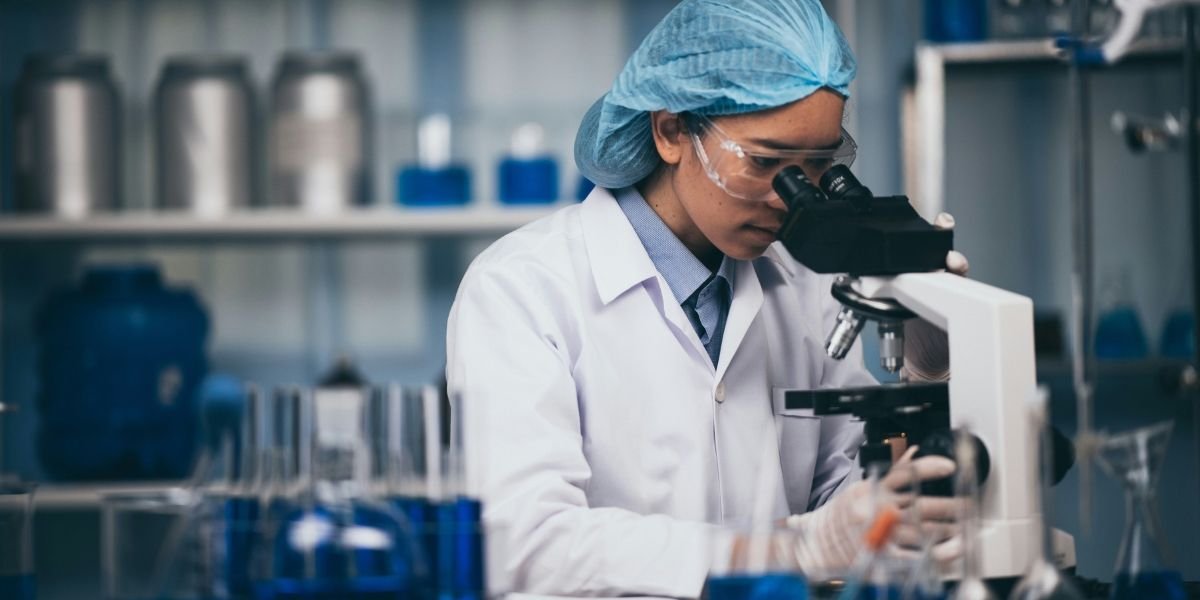
Women scientists at five U.S. institutions have been named recipients of $75,000 grants through L’Oréal USA’s 2026 For Women in Science program. The October 20 announcement covers research into vaccines, spinal cord injuries, crop protection, wildlife microbes and exoplanets. The awards also include mentoring and professional development for the selected researchers.
Key Takeaways
- L’Oréal USA announced five $75,000 research grants on October 20, 2026, totaling $375,000
- The awardees work at UC Berkeley, MIT, Princeton, Caltech and Ohio State University
- Projects involve immune-cell biology, AI-assisted crop protection, wildlife microbiomes and exoplanet imaging
- L’Oréal USA reports awarding more than $5.6 million to over 115 women scientists through the U.S. program since 2003
- An awards ceremony is scheduled for October 22 in New York City
L’Oréal USA has selected five postdoctoral researchers for grants totaling $375,000, with each scientist receiving $75,000 to support her research. The recipients work at the University of California, Berkeley, Massachusetts Institute of Technology, Princeton University, California Institute of Technology and Ohio State University.
The grant recipients are Danielle Stevens, Anna Romanov, Katherine Lagerstrom, Clarissa Do Ó and Tana Pottorf. Their projects examine different scientific problems, from biological defenses against infection to the difficulty of directly observing planets outside the solar system. The awards recognize work under investigation, not newly approved medical treatments or completed technological products.
Women Scientists Receive $75,000 Grants and Career Support
The For Women in Science awards are directed at postdoctoral researchers, scientists who have earned doctoral degrees and are conducting further research before the next stage of their careers. The grants are intended to support their proposed work and professional development rather than recognize a finished commercial product.
The American Association for the Advancement of Science, known as AAAS, administers applications and peer review for the U.S. program. Its published selection criteria consider the scientific quality and feasibility of a research proposal, the applicant’s qualifications and the applicant’s commitment to supporting women and girls in science.
The program’s budget guidance identifies potential uses for funding that include laboratory supplies, equipment, publication costs, research-related travel and conferences. Recipients can also take part in professional activities arranged around the awards, including mentoring and discussions with other researchers.
Marissa McGowan, chief sustainability officer for L’Oréal North America, said the grants recognize researchers “at a critical moment in their career journey.” The company describes mentoring and professional connections as accompanying elements of the financial awards.
The mentoring component relates to broader discussions of women’s STEM career development, where access to professional networks and academic guidance is one of several recurring themes. L’Oréal USA says its U.S. program, founded in 2003, has supported more than 115 women scientists with over $5.6 million in grants.
Two Women Scientists Study Vaccines and Spinal Cord Injuries
At MIT, Anna Romanov is developing programmable molecular technologies to examine how B cells evolve. B cells are part of the immune system and play a role in producing antibodies. Her research seeks to clarify how their behavior could inform the development of vaccines and immunotherapies.
Romanov’s work focuses on understanding biological mechanisms. The award announcement does not identify a new vaccine, a clinical trial result or a treatment already available to patients. It describes potential applications for findings that remain part of an ongoing research program.
At Ohio State, Tana Pottorf studies macrophages, immune cells involved in the body’s response to injury. Her project looks at how macrophages act after spinal cord injury and whether researchers can better distinguish responses associated with tissue recovery from those linked to complications.
Pottorf is also examining how those cellular functions change over time and in different areas of injured tissue. The objective is to improve the scientific understanding of these responses. The announcement does not establish that modifying macrophages has produced a proven recovery therapy.
Macrophage behavior is being studied in other settings as well. Separate research on uterine immune cells has examined tissue repair and inflammation in reproductive health, although it addresses different conditions and does not establish results for spinal cord injury.
AI Crop Protection and Wildlife Research Expand the Award Scope
At UC Berkeley, Danielle Stevens is examining whether computational tools can help identify ways for crops to resist disease-causing microbes. Her work uses protein language models and other artificial intelligence techniques to study plant immune proteins that recognize pathogens.
According to L’Oréal USA, the project also explores automated approaches to designing genetic edits that could strengthen plant defenses. Reducing pesticide use and protecting food supplies are stated research goals, not outcomes the company reported as achieved through the 2026 award.
The distinction is important because the project concerns biological research and proposed methods. The announcement does not describe a newly approved crop variety, a pesticide reduction measured on farms or a commercially available product developed through the grant.
At Princeton, Katherine Lagerstrom is studying how changes associated with human activity affect microorganisms living in the digestive systems of wild animals. Her research examines factors such as pollution and exposure to human-associated bacteria, including possible connections to microbial adaptation and antibiotic resistance.
Lagerstrom’s project considers interactions between wildlife, their microbiomes and environmental conditions. The award description presents the research as an examination of these relationships. It does not report that a particular environmental exposure has been established as the cause of a specific outbreak or human illness.
Caltech Researcher Develops Tools to Image Distant Planets
At Caltech, Clarissa Do Ó is developing technology and observing strategies for direct imaging of exoplanets, the planets that orbit stars beyond the solar system. Researchers using direct imaging must separate faint planetary light from the much brighter light emitted by nearby stars.
L’Oréal USA says the work is intended to improve the ability to detect Earth-like planets that can be about 10 billion times fainter than the stars they orbit. The figure describes an observational challenge. The award announcement does not say Do Ó has discovered another Earth-like world.
The five projects will be recognized at an October 22 ceremony in New York City. The company said the awards follow three days of programming that includes a visit to its North America Research and Innovation Center in Clark, New Jersey, and sessions focused on science communication and professional development.
Vox, which is co-hosting a panel and reception for the recipients, said its creative team plans to premiere five short documentaries about their research. The U.S. awards are part of the larger L’Oréal-UNESCO For Women in Science initiative, which began internationally in 1998.
Frequently Asked Questions
How much will the 2026 L’Oréal USA recipients receive?
Each of the five women scientists receives a $75,000 grant, for a combined 2026 award total of $375,000. The grants support research and career-related expenses under the program’s guidelines.
Who are the five 2026 For Women in Science awardees?
The recipients are Danielle Stevens, Anna Romanov, Katherine Lagerstrom, Clarissa Do Ó and Tana Pottorf. They conduct postdoctoral research at UC Berkeley, MIT, Princeton, Caltech and Ohio State University, respectively.
What areas of research do the grants support?
The projects cover crop immune defenses, B-cell biology, wildlife microbiomes, exoplanet imaging and the role of immune cells after spinal cord injury. The announcement describes continuing research rather than completed treatments or products.
When is the 2026 award ceremony?
L’Oréal USA scheduled the ceremony for October 22, 2026, in New York City. The program also includes mentoring, scientific communication activities and discussions with researchers.