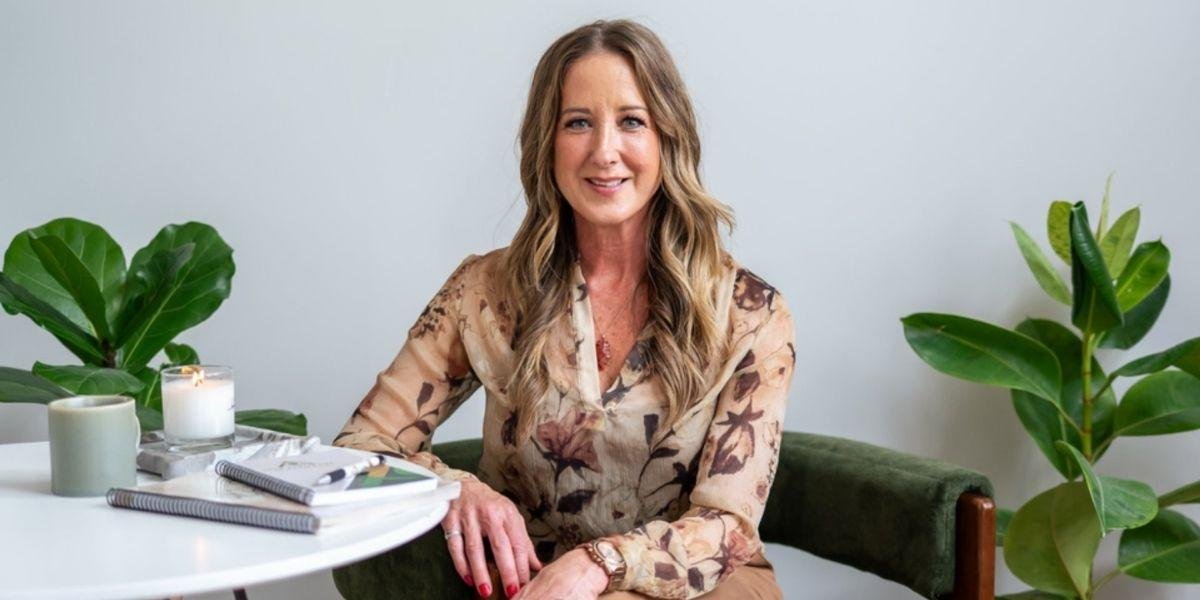
By: Agatha Flynn
Menopause often sneaks up on women who suddenly are faced with symptoms and decisions to make without any prior education about this inescapable phase of womanhood. Health and wellness expert RoxAnne Eli is on a mission to change that.
At 45, RoxAnne was delivering a presentation to her leadership team when she experienced a hot flash. As a regional vice president of sales, she was accustomed to navigating the pressures of corporate leadership. What she hadn’t anticipated was how profoundly perimenopause would affect her own health and daily life.
Despite years of experience in health and wellness, Eli found herself searching for answers. That experience eventually helped shape her approach to supporting women navigating similar changes during demanding stages of their careers.
Today, RoxAnne is the founder of Apex Executive Wellness, a Colorado-based virtual practice supporting professional women through perimenopause and menopause. A board-certified Holistic Health Practitioner and Functional Diagnostic Nutrition Practitioner with graduate education in Sports Nutrition, she brings more than 30 years of experience in corporate wellness, population health and employee well-being.
Drawing on that background, RoxAnne shares what women should consider when choosing menopause support and how to recognize an approach that meets their individual needs.
Q: Women have more menopause resources available than ever. Why can finding the right support still feel so difficult?
RoxAnne: There is a lot of information available, but knowing what applies to your own situation is another matter. Women can receive advice about nutrition, sleep, exercise and managing symptoms without necessarily understanding how those recommendations fit together or which concerns need medical attention.
Even when the guidance makes sense, putting it into practice can be difficult when you’re balancing work, family and other responsibilities. That’s why I believe women should consider both the expertise behind a program and the support available to help them follow through.
Q: Where should a woman begin when deciding whom to trust with her menopause concerns?
RoxAnne: Start with qualifications, relevant experience and a clear understanding of what the practitioner is trained to do. Menopause symptoms can overlap with other health conditions, so appropriate medical evaluation matters. Women should feel comfortable asking about menopause-specific training, treatment options and when a referral to another healthcare professional may be necessary.
It’s also important to distinguish medical care from complementary lifestyle support. Licensed clinicians can evaluate symptoms and discuss medical treatments. Practitioners working in nutrition and wellness can help women understand and implement lifestyle recommendations within their professional scope. The right support should reflect your actual needs, not simply the services someone happens to offer.
Q: Every program says it’s personalized. What should women look for beyond that promise?
RoxAnne: Look at how the practitioner develops recommendations and what happens after the initial consultation. Two women experiencing similar symptoms may have very different health histories, schedules and priorities. Their plans shouldn’t automatically look identical. Personalization means understanding those differences, considering relevant health information and paying attention to how someone responds as she puts changes into practice.
Through my RED DRESS™ Method, I consider areas such as nutrition, rest, stress management and movement as part of a broader lifestyle framework. The specific priorities depend on the woman I’m working with. A personalized plan should continue to reflect the individual, not simply follow a predetermined sequence.
Q: What if the advice sounds good, but real life keeps getting in the way?
RoxAnne: Knowing what to do and figuring out how to do it are two different things. A woman might understand the importance of sleep, nutrition or stress management, but what happens when she’s traveling regularly, managing a team or working through an especially busy period? That’s where practical guidance and ongoing communication become important. Instead of assuming someone can follow every recommendation exactly as written, the practitioner needs to understand what’s getting in the way and help identify realistic adjustments.
Women should ask what happens when questions arise between appointments. Can they contact their practitioner? What kind of guidance is available when they encounter an obstacle? At Apex Executive Wellness, clients can communicate with me outside scheduled consultations. That allows us to address practical challenges as they arise, rather than leaving someone to figure everything out alone.
Q: Does it matter whether you’re working directly with the practitioner or someone on their team?
RoxAnne: It matters that you understand who will actually be providing your support. Some programs offer group education, others provide individual consultations, and some combine both. Each format has its place, depending on what someone needs. But if you’re choosing a program because of a particular practitioner’s expertise, it’s reasonable to ask whether you’ll work directly with that person or primarily with other team members.
At Apex Executive Wellness, I meet personally with my clients. That continuity allows me to become familiar with their priorities and the challenges they’re working through, so our conversations can build on what we’ve already discussed.
Q: How can a woman tell whether the support she’s receiving is actually helping?
RoxAnne: Start by identifying what matters to you and how you’ll evaluate changes over time. That might mean tracking sleep, energy, daily routines or the symptoms that initially prompted you to seek support. I encourage clients to document their experiences so we can discuss what’s changing, what’s proving difficult and where adjustments may be useful.
Progress isn’t always a straight line, and not every concern can be addressed through lifestyle changes alone. Sometimes the next appropriate step is further medical evaluation. What matters is having a way to review what’s happening rather than continuing with the same approach regardless of the results.
Q: What’s the one thing you’d encourage women to remember before choosing a program?
RoxAnne: Don’t choose a program based only on what it promises. Look closely at how it will support you in practice. Ask about the total cost, the time commitment and whether testing or other services are charged separately.
The right fit should give you confidence in the person guiding you, clarity about what you’re receiving and a realistic understanding of what participation will involve. You should feel that your individual concerns are being heard and that the guidance is something you can actually use.
To learn more about RoxAnne Eli, Apex Executive Wellness and the RED DRESS™
Disclaimer: This content is for informational purposes only and is not intended as medical advice, nor does it replace professional medical expertise or treatment. If you have any concerns or questions about your health, always consult with a physician or other healthcare professional.