By: Lennard James
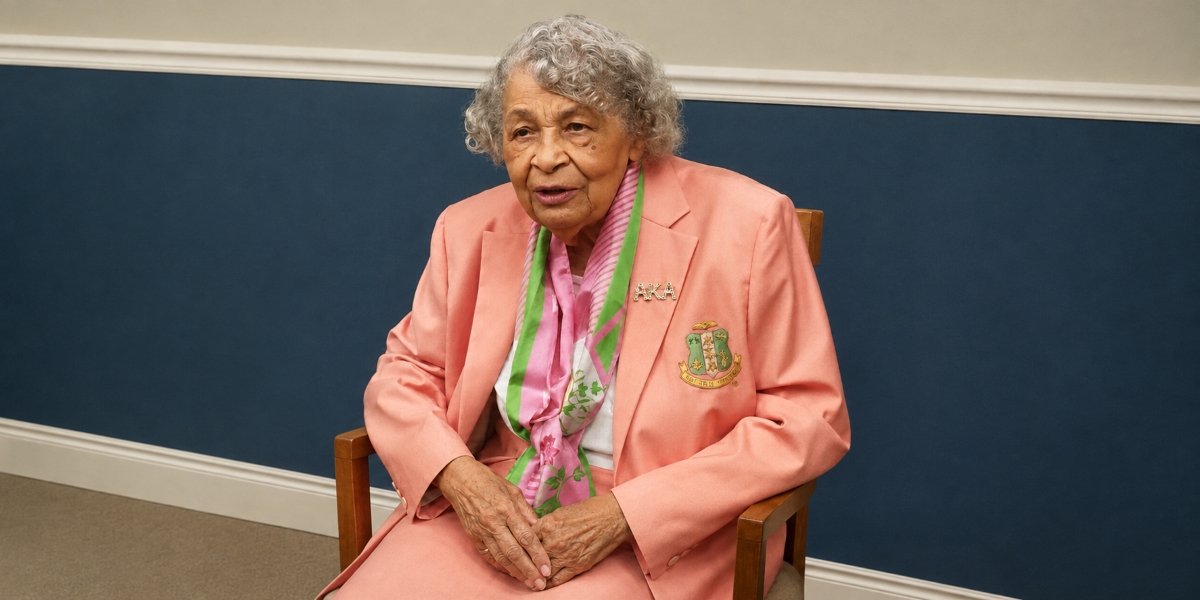
Mary Katherine Ball, a devoted educator, civil-rights advocate, community missionary, wife, mother, and woman of unwavering faith, recently passed away at the age of 92. Her passing marks the conclusion of an extraordinary life that spanned some of the most transformational periods in American history.
Born in 1934, Ball entered the world during the Great Depression and grew up amid its lasting economic and social effects. She witnessed the nation endure World War II, experienced the harsh realities of racial segregation, and lived to see historic advances in technology, from the birth of television and the internet to the arrival of artificial intelligence.
Through every era, Ball remained grounded in faith, education, family, equality, and service.
Her story began in a remarkable household. Both of her parents earned college degrees during an era when only a very small percentage of Black Americans had access to higher education. Their achievements reflected tremendous determination and established a powerful foundation for their daughter’s lifelong appreciation for education.
Ball eventually earned a Master of Education degree and dedicated more than 30 years to teaching in urban public schools. She viewed education as more than a profession. For her, teaching was a calling and an opportunity to help young people recognize their potential, expand their minds, and prepare for their futures.
Generations of students benefited from her knowledge, patience, compassion, and belief that every child deserved access to a quality education.
Her personal journey unfolded during a period when Black Americans were denied many basic rights and freedoms. Ball grew up when Black and white citizens attended separate schools, drank from separate water fountains, and were frequently refused service in the same restaurants.
Segregation was not simply something she read about in a history book. It affected the schools people attended, the neighborhoods where they lived, the establishments they could enter, and the opportunities available to them.
During her twenties and early thirties, Ball witnessed and challenged laws and practices designed to prevent Black Americans from voting. Poll taxes, unfair literacy tests, intimidation, and other discriminatory barriers were used to silence citizens who were legally entitled to participate in the democratic process.
Rather than accept those injustices, Ball became part of a generation that demanded change.
She marched with the Rev. Dr. Martin Luther King Jr. and others during the Civil Rights Movement, standing alongside Americans who placed their safety and futures at risk to advance justice. Her participation reflected a deeply held belief that freedom must be protected and that every eligible citizen has both a right and a responsibility to vote.
Ball carried that conviction throughout her life, consistently encouraging members of her family to value their freedom and never take the voting process for granted.
She also embraced the movement for women’s equality. She often repeated the words of pioneering congresswoman Shirley Chisholm: “We, American women, will no longer be denied our rights as human beings, equal in all respects to males.”
Those words reflected Ball’s strength as an educated Black woman who understood that equality could not be limited by race or gender. She believed women deserved the freedom to learn, lead, work, vote, and contribute to society without being treated as less capable than men.
Ball’s dedication to service and sisterhood was also reflected through her membership in Alpha Kappa Alpha Sorority, Incorporated. As a member of the historic organization, she was connected to a distinguished legacy of college-educated women committed to scholarship, ethical leadership, community engagement, and service to all mankind.
Her affiliation with Alpha Kappa Alpha complemented the values she demonstrated throughout her life. Education, civic responsibility, compassion, and service were not simply ideals she discussed; they were principles she practiced in her home, classroom, church, and community.
Beyond the classroom and the Civil Rights Movement, Ball devoted herself to community missionary work through her church. Her faith inspired her to serve others with kindness, sympathy, and humility. She loved people regardless of their color, background, or creed and demonstrated that belief through her actions.
She also remained a life member of the NAACP, reflecting her enduring commitment to justice, civic engagement, and the advancement of Black communities.
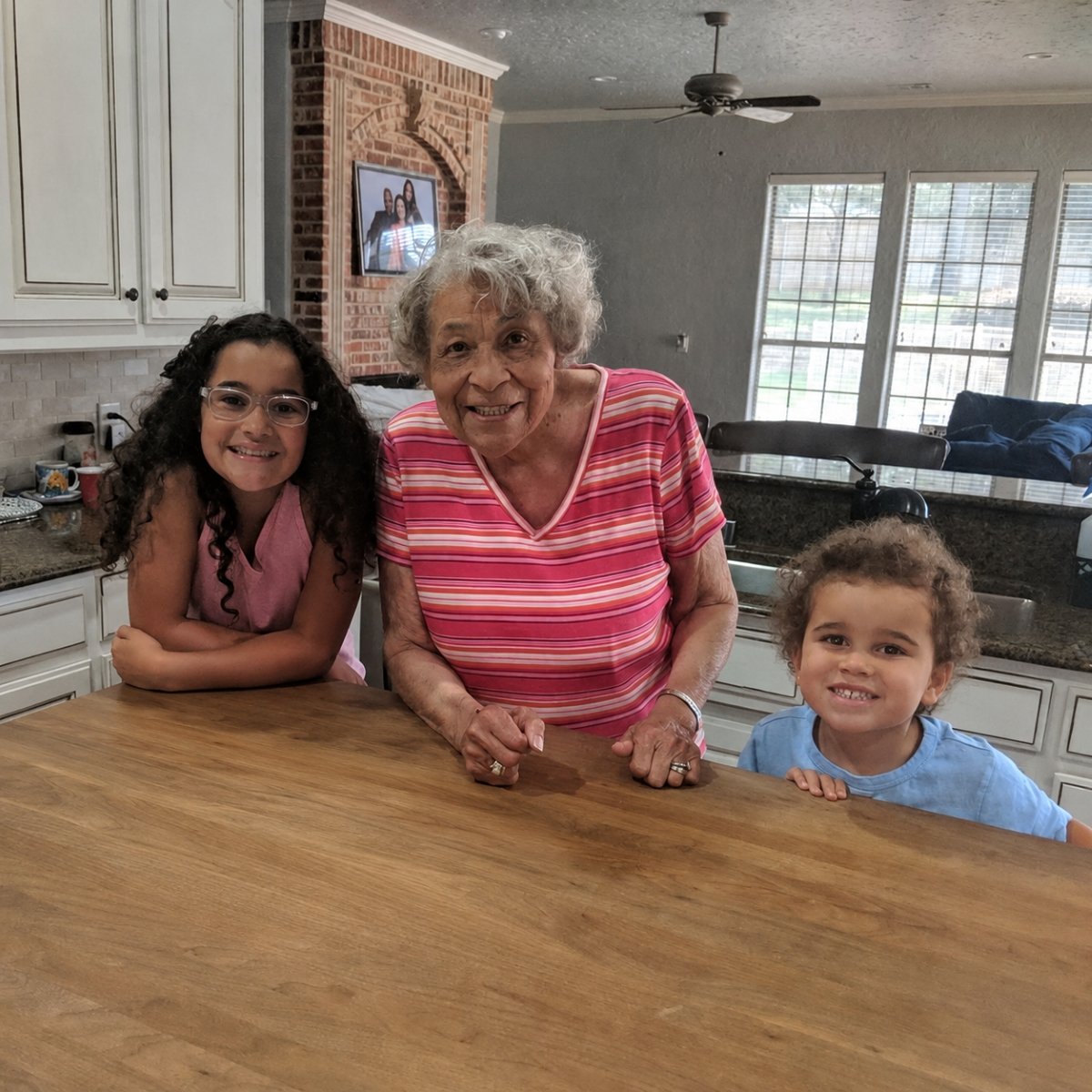
Ball and her husband taught their family lessons that extended far beyond academic achievement. They emphasized accepting responsibility for one’s life, even when circumstances were difficult. They taught their children to value freedom, participate in elections, work diligently, love their families, and view every man and woman as a potential friend.
Her life represented the character of a generation that confronted extraordinary obstacles yet continued to build, serve, and create opportunities for others. That generation survived economic hardship, global conflict, segregation, and institutional discrimination. Through courage, faith and perseverance, its members opened doors that had long been closed.
Ball was one of those door-openers.
She helped prove that a Black woman could earn an advanced degree, educate generations of children, participate in a national movement, serve her church and community, support the mission of Alpha Kappa Alpha, and raise a family rooted in responsibility and compassion.
Her accomplishments were not pursued for personal recognition. They were part of a larger commitment to leave her family, community, and country better than she found them.
Although her physical presence will be deeply missed, her influence remains alive in the students she taught, the people she served, the causes she supported, the sorority sisters with whom she shared a bond, and the family she loved.
Her child remembers her spirit as a continuing source of hope and motivation, a reminder to become the best possible person for one’s family and the global community.
Mary Katherine Ball lived through history, but she did more than witness it. She participated in it. She marched, taught, voted, served, encouraged, and loved.
Her life reminds future generations that progress is achieved through ordinary people who possess extraordinary courage. It also reminds us that the freedoms many people now take for granted were secured through the sacrifices of individuals like Ball, who refused to surrender their dignity or remain silent in the presence of injustice.
Mary Katherine Ball leaves behind more than memories. She leaves a legacy of education, faith, sisterhood, equality, family, service, and love.
Her 92 years were a gift, and her extraordinary example will continue to inspire generations to come.