Women's Journal

How Kyra Martyn Turned a Single Bracelet Into a Jersey Shore Jewelry Brand


By: Sierra Marshall

From a healthcare career to a brick-and-mortar in Brielle… and now an expansion into Florida; the founder of Forever Golden is proving that you don’t have to feel ready to start.

Kyra Martyn didn’t set out to build a jewelry company. She set out to build a career in healthcare, and she got one.

“I graduated from college with a degree in Health Studies and always thought healthcare was the path I wanted to pursue,” she says. “But after working in the field for about a year and a half, I realized I was feeling unfulfilled and uninspired and knew I wanted something different for myself.”

What came next arrived by accident. Martyn stumbled upon a permanent jewelry pop-up, got a bracelet of her own, and couldn’t stop thinking about it. At the time, permanent jewelry was still a relatively new concept, and no one was offering it in her area. She remembers watching how excited people were about the experience and immediately sensing an opportunity to bring something new and special to the Jersey Shore.

The idea stayed with her for months.

“Every time I looked down at my bracelet, it made me feel happy, pretty, and just a little more put together,” she says. “I loved that such a simple piece of jewelry could create that feeling, and I wanted to give other people the opportunity to experience it too.”

Eventually, the persistence of the thought became the answer itself. “I realized I couldn’t stop thinking about the idea for a reason,” Martyn says. “I decided to take the chance, trust my instincts, and build what would become Forever Golden.”

What Permanent Jewelry Actually Is

For anyone encountering the concept for the first time, Martyn has a well-practiced explanation.

“I always explain permanent jewelry as a custom-fit piece of jewelry that is made specifically for you,” she says. “Instead of having a traditional clasp, the chain is measured to fit your wrist, ankle, or neck and then connected using a tiny, painless weld that simply fuses the link together.” The process takes only a few minutes, with no heat or discomfort on the skin.

Forever Golden’s pieces are made from 14-karat gold-filled and sterling silver chains, and the studio welds bracelets, necklaces, anklets, and rings, plus a charm collection for customers who want to personalize a stack. The jewelry is tarnish-resistant and waterproof by design; meant, as the brand puts it, to be lived in.

But the bracelet, she’s quick to note, is only part of it.

“People come in with their best friends, sisters, moms, partners, or family members to get matching pieces and mark a special moment together,” Martyn says. “And sometimes there doesn’t need to be an occasion at all… You can get one simply because you love it and want to do something special for yourself. I think that combination of jewelry, experience, and sentiment is what makes permanent jewelry so unique.”

Clearing Up the Word “Permanent”

The biggest misconception, Martyn says, comes down to a single word.

“It can sound a little intimidating if you’ve never experienced it before,” she says. “People will ask me all the time, ‘Is it attached to your skin?’ or ‘Is it like a piercing?’ and the answer is absolutely not. It’s completely painless and never touches or goes into your skin. ‘Permanent’ simply means that the jewelry doesn’t have a traditional clasp, so it’s designed to stay on until you decide to remove it.”

Because Forever Golden does so many pop-ups and markets, Martyn is constantly meeting people discovering the concept for the first time, and she considers that one of the best parts of the job. She walks them through the process, shows them how tiny and simple the weld is, and lets them see other pieces the team has done.

“Once people realize how easy and painless it is,” she says, “that initial hesitation usually turns into excitement.”

Three Generations, One Afternoon

Ask Martyn about the moments that have shaped how she sees her work, and one rises above the rest.

A woman reached out because her mother was on hospice, and the family wanted to create a special experience together while they still could. She asked Martyn to come to their home and create bracelets for three generations of women: their mother, her daughters, and her granddaughters.

“It was incredibly touching to be invited into such a personal moment,” Martyn says. “They weren’t just getting bracelets together; they were creating a tangible reminder of their mother and grandmother and of the time they shared with her. Knowing that each of them would be able to look down at their wrist and carry that memory with them made me see what I do in an entirely different way.”

She started the business, she says, because she loved the way her own permanent bracelet made her feel. Experiences like that one showed her how much meaning such a small piece of jewelry can hold.

“Being trusted to be a part of something so sentimental is something I’ll never take lightly,” she says. “It’s moments like these that remind me that Forever Golden has become so much more than just jewelry.”

Building the Business and Being Built By It

The hardest part, Martyn says, was learning how to turn an idea she was passionate about into an actual business.

“I didn’t come from an entrepreneurial background… I came from healthcare; so in the beginning, I was learning everything as I went,” she says. Branding, inventory, events, customer experience, operations, and eventually managing a team: none of it came with a roadmap. She figured out what worked through experience.

Early on, a lot of it was simply hustle. “I’ve always been a ‘yes’ person when it comes to my business,” she says. “I said yes to as many events and opportunities as I could, and I still try to operate that way today. Not every opportunity has to result in immediate sales to be valuable. Sometimes the connection you make, the person who discovers your brand, or the relationship you build ends up being worth so much more down the road.”

If she could change one thing, it would be building systems sooner. In the beginning, you’re wearing every hat and doing whatever needs to be done to keep things moving; but, as she puts it, “passion can start a business, but strong systems are what allow it to scale.”

That growth, she’s found, runs in both directions.

“I firmly believe that you build a business, and then the business builds you,” Martyn says. “Forever Golden has forced me to grow so much as a person and as a leader. I’ve learned how to trust myself, make decisions, adapt when something isn’t working, and become comfortable figuring things out as I go. In a lot of ways, growing myself has been just as important as growing the business.”

The Power of a Room You’re Not In

Ownership has been, above all, empowering; opening doors and creating opportunities Martyn never could have imagined at the start, and teaching her how capable she really is.

One of the biggest lessons has been community. “I remember hearing the word ‘networking’ all the time in college without ever really understanding what it meant,” she says. “Once I became a business owner, I understood it completely. The relationships you build and the way you show up for people matter so much. You never know who is speaking your name in a room you’re not in or recommending your business for an opportunity.”

Some of those relationships, she says, have been just as valuable to her as the business itself and supporting other local businesses, collaborating, and finding ways to grow alongside one another has become part of how Forever Golden operates.

On a personal level, the shift has been even bigger.

“When I was younger, I always imagined that I would eventually need someone else to provide for me,” Martyn says. “I dreamed about getting married, becoming a mom, and raising a family, and those are still things I value, but I didn’t necessarily picture myself building something of my own or being completely financially independent.”

Forever Golden showed her she could.

“There is something incredibly fulfilling about knowing that I built something from the ground up, that I can stand on my own two feet, and that I can create opportunities for myself rather than waiting for them to come to me.”

It’s a message she now tries to pass along to other women. “You really are capable of creating a life on your own terms,” she says. “You don’t have to fit yourself into one version of what your life is supposed to look like. For me, there has been so much freedom and confidence in realizing that I can build a business I love, provide for myself, and still want all of those other beautiful parts of life too.”

What’s Next: Florida, and More of New Jersey

Martyn describes herself as someone always looking for ways to grow, expand, and learn… and Forever Golden’s next chapter reflects it.

Expanding the brand’s presence in Florida is a primary focus. Last year, the team began putting feelers out through college events, including sorority collaborations at the University of Miami and Florida Atlantic University, pop-ups in the Fort Lauderdale area with businesses like Project Sculpt, and private events in other parts of Southern Florida. This winter, Martyn says, you can definitely expect to see a lot more Forever Golden pop-ups throughout Florida.

Long-term, she’d love to open a brick-and-mortar location in the state. At the same time, Forever Golden will continue hosting events throughout New Jersey and growing the community it has built around its brick-and-mortar location in Brielle, with plenty of exciting things still to come. On the jewelry side, the team is constantly introducing new chains and options so customers can keep adding to their stacks.

“Ready, Fire, Aim”

For any woman reading this who has an idea but hasn’t started yet, Martyn offers a favorite saying: “Ready, fire, aim.”

“Just start,” she says. “You don’t need to have every detail figured out before you take the first step. I’m a big believer in figuring things out as you go, and I think confidence, sometimes even a little ‘fake it till you make it’ confidence, is one of the most important things you can have when you’re starting something new.”

There will always be challenges, she adds. You may have to pivot, evolve, or completely rethink something you thought would work, but that’s part of the beauty of building something of your own.

“My biggest advice is to stop waiting until you feel completely ready, because you probably never will. Start anyway. Believe in what you’re doing, be willing to learn as you go, and put your energy into building something you genuinely love.”

And then, the line that started all of it: “Some of the best opportunities in my life came from simply being willing to take the chance.”

About Forever Golden Permanent Jewelry

Founded by Kyra Martyn, Forever Golden Permanent Jewelry is the Jersey Shore’s destination for custom permanent jewelry… clasp-free bracelets, necklaces, anklets, and rings in 14-karat gold-filled and sterling silver, measured and welded to fit in a quick, painless process. Every piece is tarnish-resistant and waterproof, designed for everyday wear. The company’s studio is located in Brielle, New Jersey, with walk-ins welcome and appointments available online, and its mobile team travels throughout New Jersey, New York, Pennsylvania, and Florida for pop-ups, private parties, weddings, and corporate events. Forever Golden has served more than 3,000 clients across 550-plus events and holds a 5.0 Google rating.

Forever Bonded, Forever Connected.

Contact Forever Golden Permanent Jewelry: Brielle, NJ

Phone: 732-513-4228 Email: forevergoldennj@gmail.com
Celebrating the Extraordinary Life and Enduring Legacy of Mary Katherine Ball

By: Lennard James

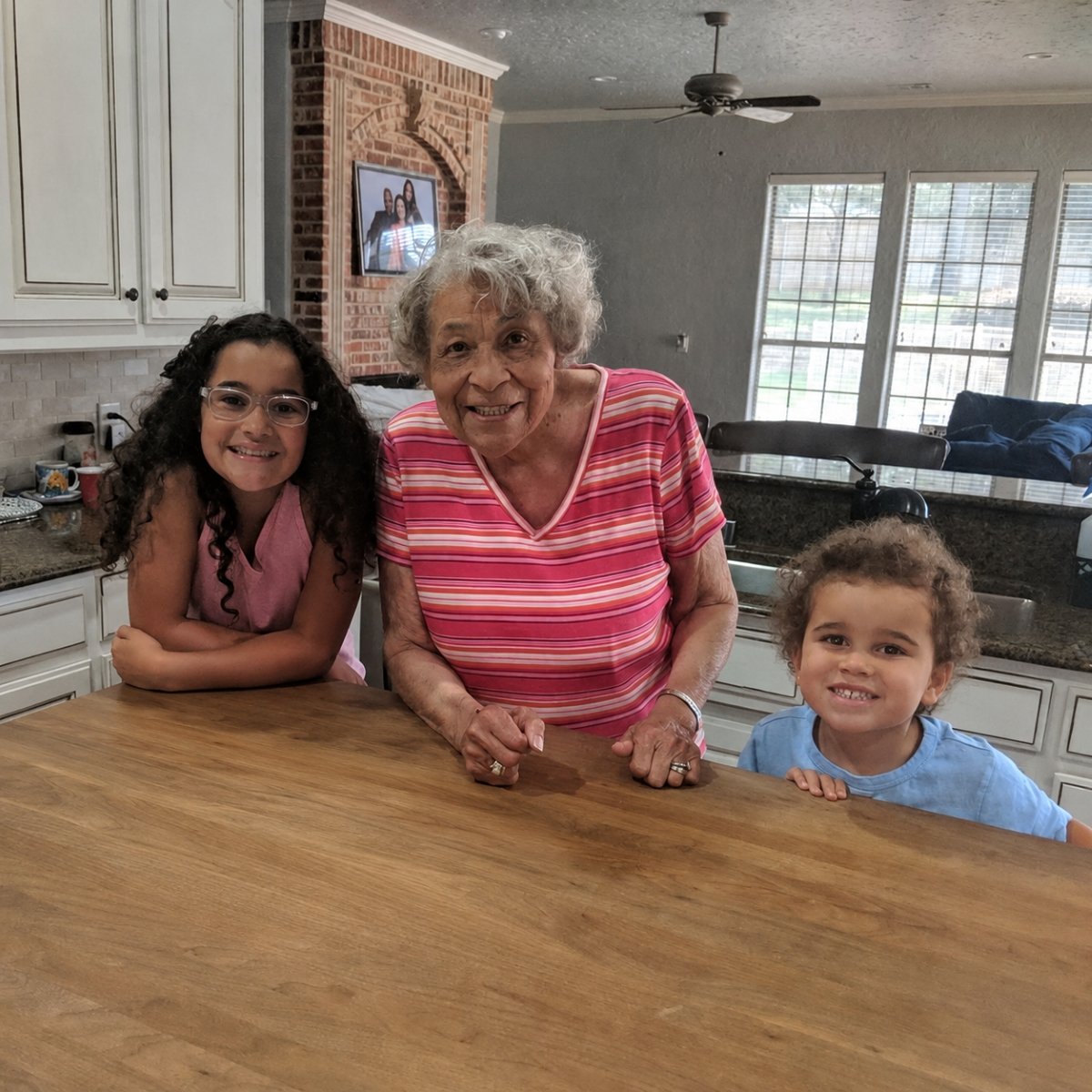
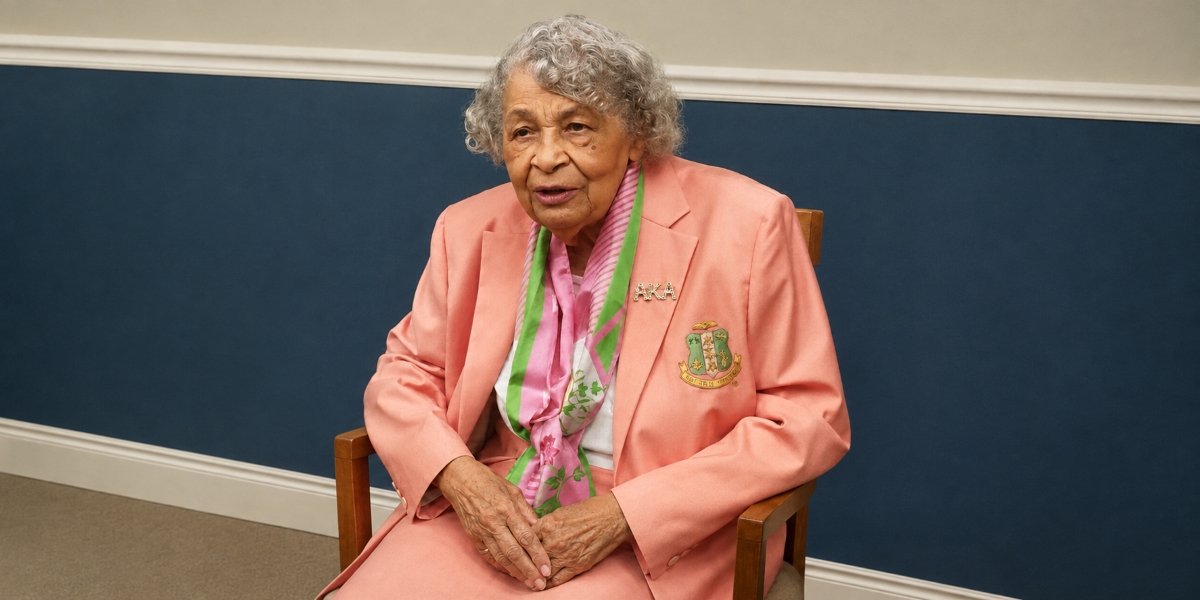
Mary Katherine Ball, a devoted educator, civil-rights advocate, community missionary, wife, mother, and woman of unwavering faith, recently passed away at the age of 92. Her passing marks the conclusion of an extraordinary life that spanned some of the most transformational periods in American history.

Born in 1934, Ball entered the world during the Great Depression and grew up amid its lasting economic and social effects. She witnessed the nation endure World War II, experienced the harsh realities of racial segregation, and lived to see historic advances in technology, from the birth of television and the internet to the arrival of artificial intelligence.

Through every era, Ball remained grounded in faith, education, family, equality, and service.

Her story began in a remarkable household. Both of her parents earned college degrees during an era when only a very small percentage of Black Americans had access to higher education. Their achievements reflected tremendous determination and established a powerful foundation for their daughter’s lifelong appreciation for education.

Ball eventually earned a Master of Education degree and dedicated more than 30 years to teaching in urban public schools. She viewed education as more than a profession. For her, teaching was a calling and an opportunity to help young people recognize their potential, expand their minds, and prepare for their futures.

Generations of students benefited from her knowledge, patience, compassion, and belief that every child deserved access to a quality education.

Her personal journey unfolded during a period when Black Americans were denied many basic rights and freedoms. Ball grew up when Black and white citizens attended separate schools, drank from separate water fountains, and were frequently refused service in the same restaurants.

Segregation was not simply something she read about in a history book. It affected the schools people attended, the neighborhoods where they lived, the establishments they could enter, and the opportunities available to them.

During her twenties and early thirties, Ball witnessed and challenged laws and practices designed to prevent Black Americans from voting. Poll taxes, unfair literacy tests, intimidation, and other discriminatory barriers were used to silence citizens who were legally entitled to participate in the democratic process.

Rather than accept those injustices, Ball became part of a generation that demanded change.

She marched with the Rev. Dr. Martin Luther King Jr. and others during the Civil Rights Movement, standing alongside Americans who placed their safety and futures at risk to advance justice. Her participation reflected a deeply held belief that freedom must be protected and that every eligible citizen has both a right and a responsibility to vote.

Ball carried that conviction throughout her life, consistently encouraging members of her family to value their freedom and never take the voting process for granted.

Photo Courtesy: Mary Katherine Ball, Rio and Summer Ball

She also embraced the movement for women’s equality. She often repeated the words of pioneering congresswoman Shirley Chisholm: “We, American women, will no longer be denied our rights as human beings, equal in all respects to males.”

Those words reflected Ball’s strength as an educated Black woman who understood that equality could not be limited by race or gender. She believed women deserved the freedom to learn, lead, work, vote, and contribute to society without being treated as less capable than men.

Ball’s dedication to service and sisterhood was also reflected through her membership in Alpha Kappa Alpha Sorority, Incorporated. As a member of the historic organization, she was connected to a distinguished legacy of college-educated women committed to scholarship, ethical leadership, community engagement, and service to all mankind.

Her affiliation with Alpha Kappa Alpha complemented the values she demonstrated throughout her life. Education, civic responsibility, compassion, and service were not simply ideals she discussed; they were principles she practiced in her home, classroom, church, and community.

Beyond the classroom and the Civil Rights Movement, Ball devoted herself to community missionary work through her church. Her faith inspired her to serve others with kindness, sympathy, and humility. She loved people regardless of their color, background, or creed and demonstrated that belief through her actions.

She also remained a life member of the NAACP, reflecting her enduring commitment to justice, civic engagement, and the advancement of Black communities.

Ball and her husband taught their family lessons that extended far beyond academic achievement. They emphasized accepting responsibility for one’s life, even when circumstances were difficult. They taught their children to value freedom, participate in elections, work diligently, love their families, and view every man and woman as a potential friend.

Her life represented the character of a generation that confronted extraordinary obstacles yet continued to build, serve, and create opportunities for others. That generation survived economic hardship, global conflict, segregation, and institutional discrimination. Through courage, faith and perseverance, its members opened doors that had long been closed.

Ball was one of those door-openers.

She helped prove that a Black woman could earn an advanced degree, educate generations of children, participate in a national movement, serve her church and community, support the mission of Alpha Kappa Alpha, and raise a family rooted in responsibility and compassion.

Her accomplishments were not pursued for personal recognition. They were part of a larger commitment to leave her family, community, and country better than she found them.

Although her physical presence will be deeply missed, her influence remains alive in the students she taught, the people she served, the causes she supported, the sorority sisters with whom she shared a bond, and the family she loved.

Her child remembers her spirit as a continuing source of hope and motivation, a reminder to become the best possible person for one’s family and the global community.

Mary Katherine Ball lived through history, but she did more than witness it. She participated in it. She marched, taught, voted, served, encouraged, and loved.

Her life reminds future generations that progress is achieved through ordinary people who possess extraordinary courage. It also reminds us that the freedoms many people now take for granted were secured through the sacrifices of individuals like Ball, who refused to surrender their dignity or remain silent in the presence of injustice.

Mary Katherine Ball leaves behind more than memories. She leaves a legacy of education, faith, sisterhood, equality, family, service, and love.

Her 92 years were a gift, and her extraordinary example will continue to inspire generations to come.

Behind the Lens With Michelle Richardson and The Art of Helping People Feel Seen Through Portrait Photography

By: Thrive Locally

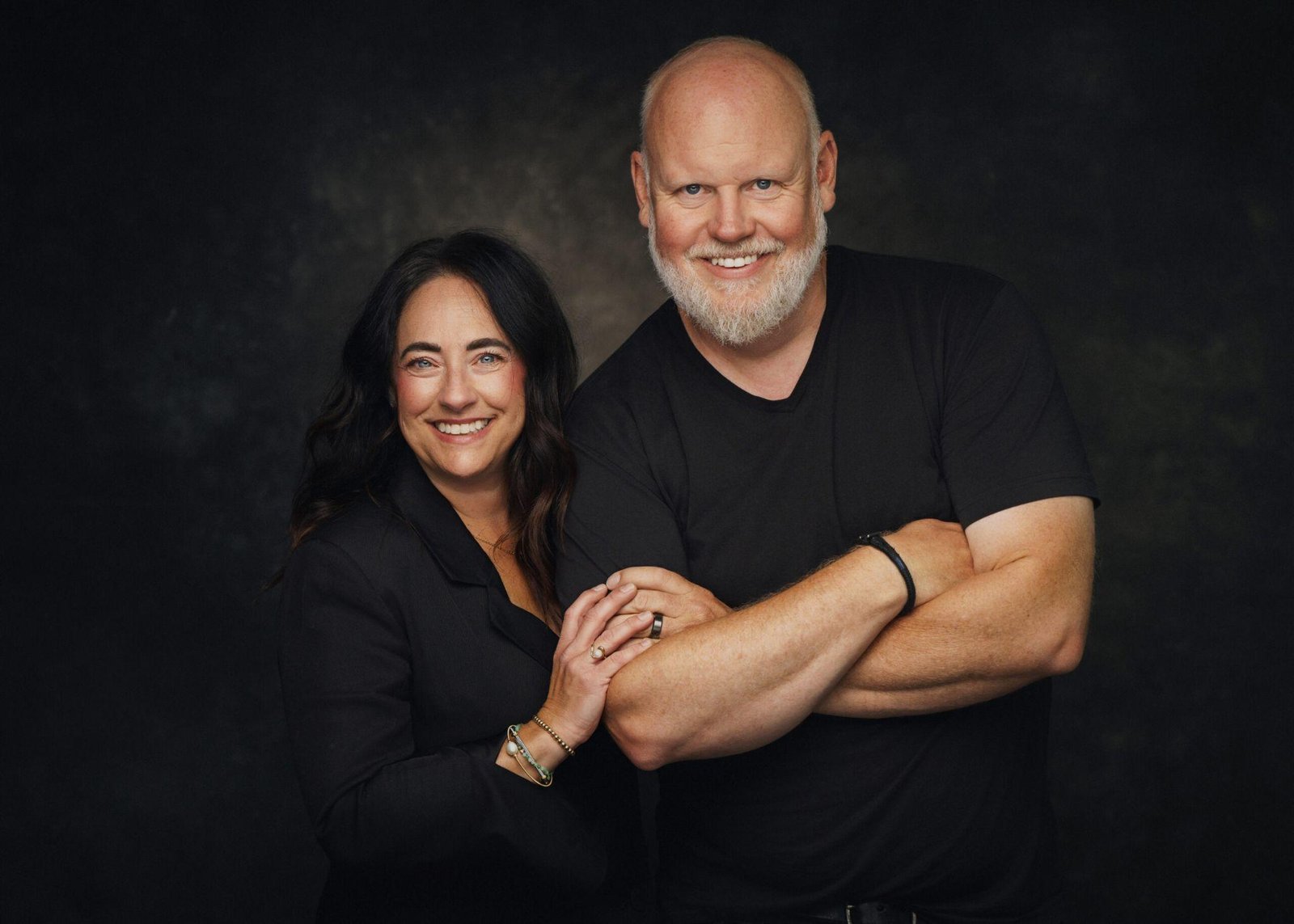
Michelle Richardson has photographed thousands of people throughout her career, and many of them arrive at her studio saying some version of the same thing. They aren’t photogenic. They don’t know how to pose. They don’t like having their picture taken.

Richardson doesn’t see any of those things as a problem.

As owner and photographer at Richardson Studio in Bloomington, Indiana, she believes it is the photographer’s responsibility to help people move past that discomfort. Through thoughtful preparation, professional styling, expert lighting, and hands-on direction throughout the photoshoot, Richardson creates an experience designed to help clients relax enough for their real personality to come through.

And for Michelle, the most important moment often happens after the photoshoot is over.

“Creating beautiful portraits is only the beginning. What matters most to me is how people feel when they see themselves. When someone leaves feeling more confident than when they arrived, that’s when I know I’ve done my job,” Richardson says.

That philosophy has become central to her approach to portrait photography. The goal isn’t simply to create an image that looks beautiful. It’s to create one that makes the person in it think, “That’s me, and I love what I see.”

Finding Purpose Behind The Camera

Photo Courtesy: Richardson Studio

Photography has been part of Richardson’s life for decades, but her role behind the camera deepened during an unexpected chapter in the studio’s history.

When her husband and Richardson Studio co-owner Jeff Richardson faced serious health challenges, Michelle stepped further into photography. As Jeff shared decades of technical and industry knowledge with her, Michelle discovered not only that she loved the work, but that she had found a deeper sense of purpose in helping people feel seen and cared for.

The experience ultimately changed both of their lives and shaped the photographer Michelle would become. Today, that sense of purpose is woven throughout the portrait experience she creates.

Why You Don’t Have To Be Photogenic For A Great Portrait

Being photographed can make even an otherwise confident person suddenly become self-conscious. Richardson believes clients should not have to arrive knowing how to pose, where to look, or how to create a flattering photograph.

As Richardson Studio puts it, “You do not have to be photogenic to belong in front of our camera. That is our job, not yours.” That philosophy shapes the entire experience.

Clients receive photoshoot planning and wardrobe guidance before their session, along with professional hair and makeup designed to create a natural but polished look. During the photoshoot, Richardson provides hands-on direction with posing, expression, and movement.

Instead of asking clients to figure out how to look good for the camera, the team handles that. When that uncertainty disappears, Richardson believes something else has room to emerge. Personality.

The Art Of Photographing The Person, Not Just The Pose

Photo Courtesy: Richardson Studio

Making someone feel comfortable is only part of Richardson’s approach. She describes her work as precision portrait photography, combining technical skill with an understanding of the individual in front of her camera.

“For me, it’s like precision portrait poetry where I get to sculpt shadows, bend light, and frame beauty to magically reflect your story,” Richardson says.

Richardson Studio’s distinctive imagery relies heavily on professional lighting, clean composition, authentic expressions, and high-end retouching. But those technical elements are ultimately tools for creating something more personal.

The portrait still needs to feel like the person in it. The response Richardson says she loves hearing from clients captures that balance perfectly. “It looks like me, but on my best day!”

Why Great Portrait Photography Is Never One-Size-Fits-All

Richardson has photographed people through remarkably different moments in their lives. A high school senior preparing for graduation needs something different from a business owner becoming the face of a growing company. A mother preserving a season with her children brings a different story than an executive preparing for a national media appearance.

Richardson Studio has completed thousands of sessions across families, seniors, professionals, business owners, and other portrait clients. The purpose of each portrait changes, but Richardson’s approach begins in the same place. Understand the person first. Then use styling, lighting, posing, expression, and photography to bring that person forward.

How The Right Portrait Can Change The Way You See Yourself

Richardson believes the most meaningful part of portrait photography can happen when clients see their finished images. The Richardson Studio team talks about its work as something larger than photographs. Confidence, self-worth, and the experience of feeling seen are the ideas that shape how the studio approaches each session.

That reaction is something Richardson has witnessed repeatedly throughout her career. Clients often arrive focused on what they believe is unphotogenic about themselves. Her job is to move the focus away from those insecurities and create an experience where personality, strength, and authenticity can come forward.

For Richardson, that is when a portrait becomes more than a beautiful photograph. It can give someone an opportunity to recognize qualities in themselves that may be easier for everyone else to see.

Why Clients Return To Richardson Studio Through Every Stage Of Life

Perhaps one of the strongest reflections of Richardson’s approach is what happens long after a photoshoot ends. Many clients return. Richardson Studio has photographed some clients for more than 20 years, following families through different seasons and milestones. The studio has photographed senior portraits followed years later by college graduations, and maternity sessions that became newborn and family portraits. In some cases, the relationships stretch back even further, with Jeff Richardson having photographed parents as high school seniors earlier in his photography career and Michelle now photographing their children’s senior portraits.

Those relationships have allowed Richardson to photograph more than individual moments. She gets to watch the people in front of her camera grow, change, build families, develop careers, and enter entirely new chapters of their lives. After decades behind the camera, that connection remains one of the most meaningful parts of the work.

For Richardson, great portrait photography begins with making someone feel comfortable enough to be themselves. When clients leave loving not only their photographs but the experience of creating them, they have a reason to return when the next meaningful moment arrives.

To learn more about Michelle Richardson and explore Richardson Studio’s portrait photography experiences, visit Richardson Studio’s website.

Arkansas Small Business Owners and A Checklist for Fast, Accessible Capital

Arkansas’s economy blends a genuine retail and logistics presence around Bentonville, home to major retail corporate headquarters, alongside a considerable agricultural base and a growing manufacturing sector. This checklist walks through what Arkansas business owners should verify before applying for unsecured financing.

Checklist Item: Understand Northwest Arkansas’s Retail Ecosystem

Northwest Arkansas’s concentration of major retail corporate headquarters has fostered a considerable ecosystem of smaller businesses providing logistics, technology, and consulting services to these larger companies. Businesses in this ecosystem should look for unsecured products that can accommodate genuine payment timing gaps between delivering services to larger corporate clients and actually receiving payment.

Checklist Item: Recognize Arkansas’s Agricultural Timing

Arkansas’s considerable agricultural sector, spanning rice, poultry, and soybean production, operates on financing needs tied to planting and harvest cycles similar to other agricultural states, with capital often needed months before crop or livestock revenue actually materializes.

Frequently Asked Questions

What exactly does unsecured mean in the context of a business loan?

Unsecured means the loan is not tied to a specific piece of property, equipment, or asset that the lender could seize if the loan goes unpaid. Approval is based primarily on the business’s revenue and banking history rather than a physical asset pledged as security. This differs meaningfully from a secured loan, where a lender evaluates and often appraises a specific asset before extending credit against it.

What documents are usually required to apply?

Most unsecured small business lenders ask for basic business identification, several months of recent business bank statements, and proof of ownership. This is considerably less than the tax returns, financial statements, and formal business plans a bank loan typically requires, and the entire document collection process for an online application often takes only a few minutes.

Can a business with seasonal revenue still qualify?

Yes, though lenders typically want to see that the seasonal pattern is consistent and predictable rather than erratic. Some repayment structures, particularly revenue-based ones, are specifically designed to flex with seasonal ups and downs rather than requiring a fixed payment year-round, which can make a meaningful difference for a business whose revenue genuinely varies month to month.

Checklist Item: Consider Little Rock and Arkansas’s Broader Economy

Beyond Northwest Arkansas’s retail focus, Little Rock and the rest of the state support a genuinely more traditional mix of healthcare, manufacturing, and service businesses whose financing needs look considerably different from Bentonville’s retail supply chain economy. These businesses benefit from the same fast, accessible unsecured financing regardless of how their specific industry compares to Northwest Arkansas’s more prominent retail focus.

Checklist Item: Verify Total Cost Before Committing

Arkansas business owners comparing offers should convert every rate, whether a factor rate or an interest rate, into total dollars owed for the identical amount and timeline before making any decision, a discipline that protects against being misled by whichever pricing format happens to look more favorable on the surface.

Checklist Item: Confirm the Realistic Funding Timeline

Some direct lenders, Fundivi among them, have structured their entire platform around this expectation, pairing their own direct funding capacity with a broader network of lending partners so a same-day answer is possible even outside a single lender’s specific criteria. For a business owner who doesn’t want to guess in advance which structure will serve them better, a combined approach like this consolidates the search into a single point of contact. Arkansas businesses facing a genuine time-sensitive need should confirm this same-day capability directly with any lender rather than assuming based on general marketing language alone.

Fort Smith and Arkansas’s River Valley Economy

Fort Smith and the broader River Valley region support a mix of manufacturing and logistics businesses distinct from both Northwest Arkansas’s retail ecosystem and the state’s agricultural core, creating financing needs shaped by production cycles and transportation timing rather than either retail supply chains or farming seasons.

Bringing Arkansas’s Checklist Together

Whether the business is a Bentonville area logistics company, a Delta farming operation, or a Fort Smith manufacturer, the same checklist applies: understand your specific timing needs, verify total cost, confirm realistic funding timelines, and compare multiple offers before committing to any specific lender relationship.

How to Research and Choose the Right Commercial Lending Company

Finding the right commercial lender is less about landing on the first search result and more about building a habit of comparison before urgency sets in. Business owners who take the time to look at multiple lenders, rather than defaulting to whichever company appears first, tend to end up with better rates, clearer terms, and fewer surprises once the paperwork is signed.

A good starting point is looking at how a lender is actually rated by other business owners rather than relying on its own marketing copy. Resources such as businessloansiq.com bring together comparisons of business loan companies in one place, which makes it easier to see how different lenders stack up on speed, transparency, and overall customer experience before ever submitting an application.

From there, it helps to look past the advertised rate and understand the full cost of capital, including any origination fees, prepayment terms, and how repayment actually gets structured against day-to-day cash flow.

Side-by-side comparisons are especially useful at this stage of the process. A site like comparebusinessloansonline.com lets a business owner line up reliable business lenders against one another using the same criteria, so the comparison is grounded in real terms rather than a single company’s pitch.

Reputation and track record matter just as much as pricing, particularly for a business owner who may need to return to the same lender for future capital down the road.

Checking independent ratings, rather than only the testimonials posted on a lender’s own website, is one of the more reliable ways to spot a pattern of poor communication or hidden fees before it becomes your problem. Platforms including bestratedbusinessloans.com compile ratings across a range of business lenders, offering another useful reference point while narrowing down the list of who to actually call.

None of this needs to take more than an afternoon, and doing it before a cash flow gap actually arrives means a business owner is choosing from options they have already vetted, rather than scrambling to evaluate a lender for the first time under real pressure.

Comparing Offers as an Arkansas Business Owner

Arkansas business owners, whether in Bentonville’s retail ecosystem, the Delta’s agricultural region, or Little Rock’s more diversified economy, should apply the same disciplined comparison process: request prequalification from more than one lender, convert every offer into total dollars owed for an identical amount and timeline, and confirm collateral terms before signing anything. This consistent approach gives Arkansas business owners a clearer basis for a decision regardless of which specific regional economy or industry they happen to operate within.

Building Long-Term Financial Preparedness

Business owners who take the time to understand their financing options well before an urgent need actually arises are generally better prepared when a genuine emergency does arrive than those researching options for the first time under pressure. Preparation of this kind usually takes little more than a few minutes spent completing a soft prequalification, a process that typically doesn’t affect your credit score and can give a clearer picture of what a specific business qualifies for at a given moment. Knowing this information in advance, rather than discovering it for the first time during a crisis, can reduce the scramble and uncertainty that otherwise accompanies an urgent capital need, whether that need arrives as an equipment failure, an unexpected opportunity, or a seasonal cash flow gap that caught the business off guard. Businesses that handle financing decisions well over time tend to treat this kind of preparation as an ongoing practice rather than a one-time event tied to a single specific crisis.

The Real Cost of Waiting on a Slower Financing Option

It’s easy to underestimate what a financing delay actually costs a business until that cost is calculated directly and honestly. A missed opportunity to secure favorable terms with a supplier, a delayed repair that keeps equipment out of service for additional days, or a staffing gap that damages client relationships and team morale all represent real, if sometimes invisible, costs of waiting on a slower financing timeline when a faster option was genuinely available and appropriate for the situation. Business owners evaluating financing options should weigh not just the advertised cost of capital itself, but the full, genuine cost of any delay a slower option would introduce, since in many cases that delay cost meaningfully outweighs a modest difference in the financing rate between two specific offers under serious consideration.

Comparing Multiple Offers Before Committing to Any Lender

Business owners should resist the temptation to accept the first financing offer that arrives, even when a genuine need feels urgent and time-sensitive. Requesting prequalification from two or three lenders, a process that typically takes only a few minutes per lender and commonly doesn’t affect your credit score at the initial soft pull stage, gives a business owner a point of comparison that a single offer on its own cannot provide. Converting every resulting offer into total dollars owed for the identical amount and repayment timeline, rather than comparing headline rates that may use entirely different pricing conventions, is a practical way to see which specific offer actually fits the business. This discipline matters regardless of how urgent the underlying situation feels, since a fast decision on an offer that doesn’t actually fit the business’s genuine repayment capacity solves one problem while quietly creating another, potentially larger one down the road.

What to Verify Before Signing an Unsecured Financing Agreement

Before accepting any unsecured financing offer, business owners should confirm several specific details directly with the lender rather than assuming based on general marketing language or a quick summary. These include the total dollar repayment cost for the exact amount and timeline needed, whether a personal guarantee is required as part of the agreement, whether the lender reports account activity to personal credit bureaus, and how the lender genuinely handles a temporary payment difficulty should one arise during the repayment period. Taking the time to ask each of these questions directly, rather than relying on assumptions, protects against exactly the kind of unpleasant surprise that can turn an otherwise convenient and genuinely useful financing decision into a lasting source of financial and personal stress well after the original need has already been resolved.

Why Speed and Accessibility Have Become Genuinely Standard Expectations

The broader shift toward faster, more accessible business financing reflects a genuine change in how small business owners now expect financial services to operate generally, shaped considerably by experiences with fast, digital-first services in nearly every other part of daily commercial life. A business owner who can check their bank balance instantly, transfer funds in seconds, and manage most aspects of daily operations through a smartphone naturally expects business financing to move with comparable speed rather than requiring weeks of waiting and extensive paperwork the way it may have decades ago. This shift has genuinely benefited business owners across virtually every industry, giving newer and smaller businesses meaningful access to working capital that a purely traditional banking relationship, built around older underwriting assumptions, might have made considerably more difficult or slower to obtain.

Disclaimer: This article is intended for general informational and editorial purposes only. It does not provide financial, legal, tax, accounting, lending, regulatory, credit, or business advice, and it should not be relied upon as a substitute for guidance from a qualified professional. Loan approval, funding speed, available amounts, repayment terms, fees, collateral requirements, personal guarantee requirements, credit impact, underwriting criteria, and borrower outcomes can vary by lender, product, business profile, revenue, banking history, credit history, industry, location, timing, and applicable law. Same-day funding, unsecured financing, seasonal revenue qualification, soft prequalification, or specific financing results are not guaranteed. Business owners should carefully review all financing documents, cost disclosures, repayment obligations, lender policies, and applicable requirements before applying for or accepting any funding product.

What Continuous Care Actually Looks Like in Women’s Health, According to a Practice That Built Its Model Around It

Key Takeaways

  • Most maternity care is organized around appointments, not around the arc of a woman’s health from fertility through the postpartum year.
  • BirthWise Doula Services, a Charlotte practice founded in 2020, is built around continuity across that full arc rather than around the birth itself.
  • Founder Toni Curtis has worked in birth support since 1996, and her model is designed to operate alongside obstetric and midwifery care rather than in place of it.
  • CDC data shows an estimated 84 percent of pregnancy-related deaths in the United States are preventable, which reframes maternal health as a care design problem rather than an inevitability.
  • Doula support is non-clinical. It does not replace obstetric, midwifery, or mental health care, and the strongest models are built to work alongside them.

There is a gap most women only notice once they are standing in it. Prenatal care is scheduled, frequent, and closely monitored. Then the birth happens, and within six weeks the appointments stop, at exactly the point when recovery, feeding, sleep, and mood are all being renegotiated at once.

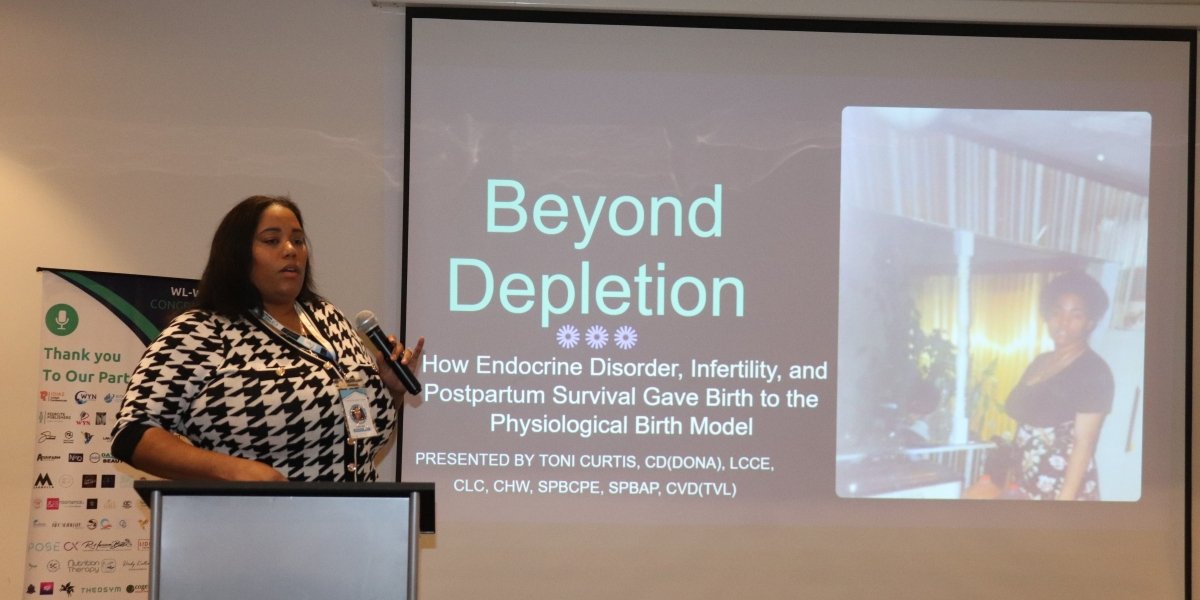
That structural gap is the problem BirthWise Doula Services was designed around. The Charlotte, North Carolina practice, founded in 2020 by Toni Curtis, organizes its work as one continuous arc rather than a set of separate episodes, covering fertility and family planning, pregnancy, labor and delivery, and postpartum recovery.

“We treat you as a whole person,” the practice states in its own description of its approach, a phrase that in this case describes a service structure rather than a sentiment.

The Argument That The Body’s Needs Should Shape Care

Curtis’s framework, The Lifespan Birth Method™, organizes around four areas, which are clinical care, body and breath work, nutrition and fertility, and policy and advocacy. Its underlying claim is that the body’s physiological needs during labor, which include movement, rest, nourishment, privacy, and time, do not change according to setting or risk level.

That claim has a specific and often misread implication. It is not an argument against hospitals, epidurals, inductions, or cesarean births. Curtis describes birth as a natural process that is medically observed, and her model is designed to operate inside medical settings, including surgical ones. The position is that physiological needs and medical intervention are not in competition, and that care which attends to both produces better experiences than care which attends to one.

She has been explicit that the argument holds at every level of risk rather than applying only to straightforward births. If anything, her framing is that the needs of the body matter more as risk rises, not less.

What Continuity Looks Like In Practice

The services BirthWise lists cover prenatal education and preparation, labor and delivery support, postpartum care and recovery guidance, birth planning and informed consent education, communication coaching for conversations with providers, infertility and family planning support, childbirth education, nutrition advisory support, body awareness work and lactation counseling.

Read as a list, that is a lot of separate offerings. Read as a structure, it is one relationship that does not restart every time the clinical setting changes.

The communication coaching element is the one clients tend to underestimate. Curtis’s stated purpose is not to make decisions on a client’s behalf but to equip her to make her own, informed. “A good doula knows how to help you ask the questions you didn’t even know to ask,” she says.

Fear, And What To Do With It Instead

The practice’s founding observation is about fear, and Curtis is direct about the physiology involved.

“So many women enter into their birthing experience thinking ‘it’s going to hurt’, and they’re afraid,” she has written. “As a childbirth educator and practicing doula, I can tell you that fear stops the positive, compelling momentum of childbirth. Fear hinders the release of helpful hormones, and as a result, contributes to women having bad birthing experiences. Don’t be afraid; be prepared, equipped, and encouraged by a doula’s support.”

It is a useful reframe for anyone approaching a first birth, and it is notably not a promise. The offer is preparation, not a guaranteed outcome.

The Postpartum Gap

Curtis’s 2026 book, Beyond Depletion: A Nutritional Therapist’s Guide to Postpartum Healing, addresses the part of the arc that receives the least structured attention. It covers postpartum nutritional depletion, hormonal recovery, and practical support strategies, written for practitioners including nutritional therapists, naturopaths, health coaches, midwives, and doulas, and for mothers wanting to understand their own recovery.

It is a practitioner and consumer education resource rather than a clinical or diagnostic text, and the symptoms it addresses, including persistent exhaustion, disrupted sleep, and mood changes, are ones that warrant a conversation with a qualified clinician rather than self-management alone.

Recognition, And What It Does And Does Not Mean

Curtis was awarded an honorary doctorate in 2026, conferred at a ceremony in Arlington, Virginia, on August 9. She also serves as Director of Advocacy for DONA International and as a United Nations Representative through the Africana Women Working Group, a consultative body to the UN Economic and Social Council, and in July 2026 was appointed to the global advisory board of the Forttuna Health and Wellness Council.

The doctorate is honorary rather than an earned clinical degree, and it does not alter the scope of the work. Doula care is non-clinical support, and Curtis has been consistent that her model operates alongside obstetric and midwifery care rather than in place of it.

Why The Numbers Matter Here

The national context gives the continuity argument its weight. The National Center for Health Statistics reported a United States maternal mortality rate of 18.6 deaths per 100,000 live births for 2023. The rate for non-Hispanic Black women was 50.3 per 100,000 against 14.5 for non-Hispanic white women, a difference that holds across income and education levels. Maternal mortality review committee data covering 2017 to 2019 across 36 states found an estimated 84 percent of pregnancy-related deaths were preventable.

Preventable is the operative word. It moves the conversation from tragedy to design.

Research on doula support specifically has been accumulating. A scoping review published in npj Women’s Health in November 2025, drawing on 23 peer-reviewed studies, reported associations between doula support and reduced cesarean rates, shorter labor duration, lower reported maternal anxiety, and improved breastfeeding initiation, with variation across study designs.

BirthWise sits alongside that literature rather than standing in for it. Curtis began supporting birthing families in 1996, as a high school peer educator working with teen mothers, and has spent nearly three decades since in prenatal, labor, and postpartum practice. What the continuity model offers is a single relationship that holds across the full arc of a woman’s reproductive health, from the first fertility conversation through the fourth trimester.

Frequently Asked Questions

What Does A Doula Actually Do?

A doula provides non-clinical support before, during, and after birth, including education, physical comfort measures, emotional support, and help preparing questions for clinicians. A doula does not diagnose, treat, or deliver babies, and does not replace an obstetrician, midwife, or mental health professional.

Does Doula Support Work In A Hospital Birth Or A Cesarean?

Yes. Support models like the one BirthWise uses are designed to operate within medical settings, including inductions and surgical births, alongside the clinical team rather than in place of it.

When Should Someone Start Looking For Support?

The continuity model starts earlier than most people expect. The BirthWise arc begins at fertility and family planning and continues through the postpartum period, so support can be engaged well before a third-trimester scramble.

Is Doula Care Covered By Insurance?

Coverage varies by state and by plan. In North Carolina, BirthWise completed a two-year partnership with AmeriHealth Caritas North Carolina, a Medicaid managed care organization, and that program is expanding statewide. Anyone should check their own plan directly.

What Is The Fourth Trimester?

It refers to the roughly twelve weeks after birth, a period of significant physical and hormonal recovery that receives far less structured clinical attention than pregnancy does.

BirthWise Doula Services is based in Charlotte, North Carolina. More information is available through the BirthWise Doula Services website.

Disclaimer: This article is for informational and educational purposes only and is not intended to provide medical advice, diagnosis, or treatment. Readers should consult an appropriate healthcare professional regarding individual health concerns, pregnancy, postpartum recovery, fertility, or treatment decisions.

Coco Gauff’s Cincinnati Win Highlights Resilience in Women’s Tennis

Coco Gauff’s Cincinnati win delivered her first singles title of 2026 and a second championship at the Ohio tournament. The 22-year-old American defeated Jessica Pegula 6-2, 6-4 on Aug. 23, closing a six-match run that included an opening-round comeback and another milestone for American women’s tennis.

Key Takeaways

  • Coco Gauff defeated Jessica Pegula 6-2, 6-4 in the Cincinnati Open final on Aug. 23, 2026.
  • The victory gave Gauff her second Cincinnati title after her first championship there in 2023.
  • Cincinnati became Gauff’s first singles title of the 2026 season and the 12th singles title of her career.
  • Gauff recovered from losing the opening set of her first match against Liudmila Samsonova, then did not drop another set.
  • Gauff and Pegula contested Cincinnati’s first all-American women’s final since 1970.

Coco Gauff’s Cincinnati Win Ends a Season-Long Title Wait

Coco Gauff arrived in Cincinnati without a singles title in 2026, despite reaching the final in Miami and Rome and advancing to her first Wimbledon semifinal. Her week in Ohio changed that record.

Against Pegula, Gauff established control quickly. She moved ahead 5-0 in the opening set before Pegula recovered one break. Gauff still secured the set 6-2 and then opened a 3-0 advantage in the second.

Pegula narrowed the gap and broke Gauff when the former Cincinnati champion served for the match at 5-3. Gauff responded immediately, breaking Pegula in the next game to complete the 6-2, 6-4 victory.

The result gave Gauff her 12th career singles title. It also marked her first Cincinnati championship since 2023, when she defeated Karolina Muchova 6-3, 6-4 to capture the first WTA 1000 title of her career.

That earlier Cincinnati run became an important part of Gauff’s 2023 season. Weeks later, she won the U.S. Open for her first Grand Slam singles championship. She added a second major title at the 2025 French Open.

This time, Cincinnati arrived under different circumstances. Gauff entered as an established two-time Grand Slam champion but had spent much of the 2026 season reaching the later rounds without converting those runs into a title.

An All-American Final Adds Another Cincinnati Milestone

Gauff’s meeting with Pegula carried significance beyond the individual result. The championship match was the first all-American women’s final in Cincinnati since 1970, when Rosie Casals defeated Nancy Richey.

Pegula earned her place in the final by defeating defending champion Iga Swiatek 7-5, 4-6, 6-4. Gauff advanced by beating Czech player Sara Bejlek 6-4, 6-1 in the other semifinal.

The matchup also brought together two players with extensive history on the same side of the net. Gauff and Pegula previously formed one of the WTA Tour’s regular doubles partnerships, winning multiple titles together before placing greater emphasis on their singles schedules.

Their singles rivalry had also produced another significant match weeks earlier. At Wimbledon in July, Gauff recovered from a set down to defeat Pegula 4-6, 6-3, 6-3 in the quarterfinals. The victory sent Gauff into her first Wimbledon semifinal.

The Cincinnati final added another high-profile meeting between two leading American players at a time when women’s athletics continues to receive broader attention across areas including women in sports research and athlete-specific performance support.

Cincinnati Run Shows Gauff’s Response After an Early Setback

Coco Gauff’s Cincinnati Win Highlights Resilience in Women’s Tennis

Photo Credit: Unsplash.com

The path to the trophy was not straightforward from the start.

Gauff opened her tournament against Liudmila Samsonova and lost the first set 6-2. She recovered by taking the second 6-4, then won the final five games of the deciding set to close out a 2-6, 6-4, 6-1 victory.

That match proved to be the only time Gauff lost a set during the tournament.

She followed it by defeating fellow American Ann Li 6-1, 7-6. After the match, Gauff acknowledged the adjustment required by a change in playing conditions.

“Honestly today was a little bit tougher for me coming from night to day,” Gauff said.

The comment reflected one of the practical challenges of a tournament run that required Gauff to manage different opponents, schedules and match conditions rather than relying on the same competitive pattern each round.

She continued through the draw and reached the quarterfinals against Marta Kostyuk. Gauff won that match 6-2, 6-2 to advance to her fifth WTA 1000 semifinal of the season.

Bejlek then presented the final obstacle before the championship match. Gauff won their semifinal 6-4, 6-1, setting up the all-American final against Pegula.

The run also came after a busy summer in women’s tennis, where on-court performance increasingly shares attention with athletes’ wider public profiles, including developments around women’s sports style at major tournaments.

For Gauff, Cincinnati remained centered on competition. After dropping the first set she played, she responded with 12 consecutive winning sets through the final.

What the Cincinnati Title Adds to Gauff’s 2026 Season

Cincinnati gave Gauff a concrete result after several deep tournament runs earlier in the year.

The WTA lists her as a finalist in Miami and Rome in 2026. At Wimbledon, she reached the semifinals before Karolina Muchova defeated her 6-2, 1-6, 7-6 in a match decided by a final-set tiebreak.

She also reached the Canadian Open semifinal before Cincinnati, where Elena Rybakina defeated her in three sets.

Those results meant Gauff had regularly reached the later stages of tournaments without adding another trophy. Cincinnati broke that sequence.

The comparison with her first Cincinnati title also shows the different stages of her career. In 2023, the tournament produced her first WTA 1000 championship when she was 19. In 2026, she returned as a two-time major champion seeking her first title of the season.

Coco Gauff’s Cincinnati win ultimately added six victories, a second title at the event and career singles trophy No. 12 to her 2026 record. The final also provided a measurable response to a season in which several deep runs had ended before the championship trophy.

Frequently Asked Questions

Who did Coco Gauff beat in the 2026 Cincinnati final?

Coco Gauff defeated fellow American Jessica Pegula 6-2, 6-4 on Aug. 23, 2026. Gauff built early leads in both sets and broke Pegula in the final game to secure the championship.

How many Cincinnati titles has Coco Gauff won?

Gauff has won Cincinnati twice, with titles in 2023 and 2026. Her 2023 victory over Karolina Muchova was also the first WTA 1000 championship of her career.

Was Cincinnati Gauff’s first title of 2026?

Yes. Coco Gauff’s Cincinnati win was her first singles title of the 2026 season after earlier runner-up finishes in Miami and Rome and a semifinal appearance at Wimbledon.

Why was the Gauff-Pegula final notable?

The match was Cincinnati’s first all-American women’s final since 1970. Gauff and Pegula also have a long competitive history that includes playing doubles together and meeting in major singles matches.

How did Gauff start her Cincinnati title run?

Gauff began with a three-set victory over Liudmila Samsonova, recovering after losing the first set 6-2. She won 6-4, 6-1 in the next two sets and did not lose another set during the tournament.