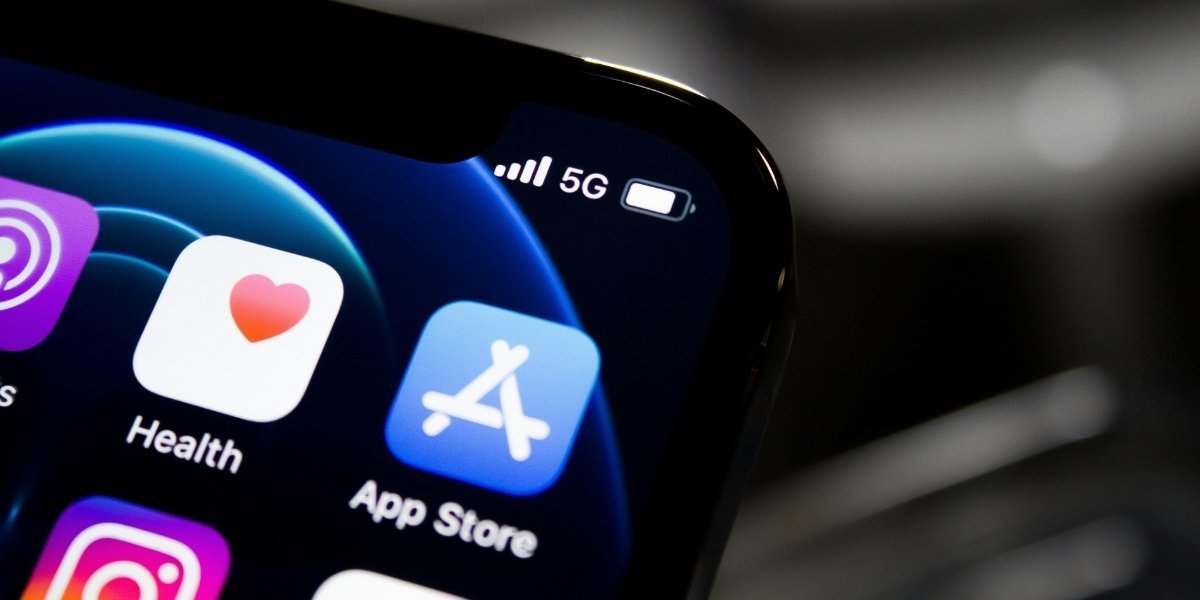
Apple Health menopause tracking is expanding with new tools designed to help users monitor menopause and perimenopause symptoms, following software updates announced by Apple during its Worldwide Developers Conference (WWDC) 2026. The company confirmed that the new features will be integrated into the Health app across supported devices, giving users additional ways to record symptoms, track changes, and access health-related insights connected to midlife hormonal transitions.
The additions were presented as part of Apple’s latest operating system updates, which include new health-focused capabilities intended to support users through different stages of life. The menopause and perimenopause tools build on existing health-tracking functions already available within the Health app, including menstrual cycle tracking and reproductive health records.
Menopause Tracking Added to the Health App
The new menopause-related features allow users to document symptoms associated with perimenopause and menopause directly within the Health app. Apple stated that users will be able to log experiences commonly linked to hormonal changes, helping create a more complete health record over time.
Perimenopause refers to the transitional period before menopause, when hormone levels fluctuate and menstrual cycles may become irregular. Symptoms can vary significantly among individuals and may include hot flashes, sleep disruptions, mood changes, and other physical or emotional effects.
The updated Health app is designed to provide users with a centralized location for tracking these changes. Information entered by users can be combined with other health metrics already collected through Apple devices, creating a broader picture of overall wellness.
Apple’s announcement marks the first time menopause and perimenopause have been incorporated into the company’s health-tracking ecosystem as dedicated features. The tools are intended to help users maintain records that can be reviewed over time and potentially shared with healthcare professionals during medical appointments.
The company also indicated that symptom logging will be available alongside existing health categories, allowing users to manage reproductive and hormonal health information within the same application.
WWDC 2026 Introduces Expanded Women’s Health Features
The menopause updates were introduced during WWDC 2026, Apple’s annual developer conference where the company unveils new software capabilities and platform enhancements.
Women’s health received particular attention within the Health app announcements. Apple confirmed that the new tools are designed to address a life stage experienced by millions of women while providing additional support through digital health tracking.
The Health app has undergone multiple expansions since its introduction, adding new categories related to mobility, hearing, sleep, heart health, medications, mental well-being, and reproductive health. The menopause and perimenopause additions extend that portfolio by focusing on health experiences that have historically received less attention in consumer technology products.
The software updates announced at WWDC 2026 are expected to roll out through upcoming operating system releases later in the year. Users with compatible Apple devices will gain access to the new health capabilities once the updates become publicly available.
Apple did not position the feature as a diagnostic tool. Instead, the company described it as a tracking resource that allows users to monitor symptoms and maintain personal health records.
The integration with the broader Health app ecosystem means information can be viewed alongside other wellness indicators already available through Apple devices and connected applications.
New Tools Build on Existing Reproductive Health Functions
Apple first introduced menstrual cycle tracking to the Health app several years ago, allowing users to log periods, fertility indicators, and related symptoms. The new menopause features expand that framework to cover later stages of reproductive health.
Users experiencing changes associated with perimenopause often face symptoms that can occur over several years before menopause officially begins. Tracking those changes can help individuals recognize patterns and maintain more detailed records of their health experiences.
The new system is expected to include symptom categories specific to menopause and perimenopause, enabling users to document developments as they occur. Maintaining consistent records may assist users in understanding how symptoms change over time.
The Health app already serves as a repository for a wide range of personal health information, including medications, laboratory results, vaccination records, sleep data, and activity measurements. The menopause tracking capability adds another layer to that health profile.
Apple has increasingly expanded the Health app’s scope through partnerships with healthcare organizations, electronic medical record systems, and public health initiatives. The addition of menopause tracking continues that approach by incorporating another area of health management into the platform.
The company has emphasized privacy protections throughout its health services. Health data stored within the app remains subject to Apple’s existing privacy framework, which includes controls allowing users to determine what information is shared and with whom.
Health Technology Companies Increase Focus on Midlife Care
Digital health developers have introduced a growing number of products focused on menopause and perimenopause in recent years. Specialized applications, wearable technology companies, and healthcare providers have launched services aimed at helping women manage symptoms and access information during this stage of life.
Apple’s decision to incorporate menopause tracking directly into its Health app places those capabilities within a platform already used by millions of people worldwide. Rather than requiring a separate application, users can manage symptom records within an ecosystem that already stores other health information.
Healthcare professionals frequently encourage patients experiencing menopause-related symptoms to keep records of changes in sleep, mood, temperature regulation, and menstrual patterns. Consistent documentation can help support discussions about treatment options and symptom management.
The new Health app functionality reflects the increasing role technology plays in personal health monitoring. Smartphone applications and wearable devices have become common tools for tracking activity levels, sleep quality, heart rate, medication schedules, and reproductive health data.
By adding menopause-specific tracking options, Apple is extending that digital record-keeping approach to another area of health management.
The company has not indicated that the new features will replace professional medical guidance. Instead, the tools are designed to help users organize personal health information that can be referenced when seeking medical care.