Naomi Osaka has turned tournament apparel into a documented part of her public tennis profile, using walk-on garments, performance kits, and luxury fashion appearances to connect heritage references with women’s sports style. Her Wimbledon entrance offered a clear example, pairing ceremony with match-day function under the tournament’s all-white rules.
Key Takeaways
Naomi Osaka wore a white Japanese-inspired walk-on garment before her June 29, 2026 Wimbledon first-round match against Elsa Jacquemot.
Reuters reported that Osaka defeated Jacquemot 6-1, 7-5 after entering Court 3 in a Hana Yagi design with cranes and cherry blossoms.
Nike’s 2024 U.S. Open collaboration with Yoon Ahn gave Osaka custom day and night competition kits with walk-on layers and oversized bows.
Vogue reported in 2021 that Osaka wore a custom Louis Vuitton Met Gala look created with Nicolas Ghesquière and her sister, Mari.
Public biographies note that Osaka was born in Japan to a Haitian father and Japanese mother.
Naomi Osaka opened Wimbledon on June 29, 2026, with a walk-on look that placed heritage references inside one of tennis’s most controlled visual settings.
Reuters reported that Osaka arrived on Court 3 in an all-white garment designed by Tokyo-based Hana Yagi before facing France’s Elsa Jacquemot. The look featured embroidered cranes and cherry blossoms and was inspired by Japanese culture and Lucy Liu’s white-costumed character in “Kill Bill.” Osaka then changed into white Nike performance apparel for match play.
The match result gave the moment a clear news anchor. Osaka defeated Jacquemot 6-1, 7-5 in 79 minutes, according to Reuters. The Guardian also reported that the garment used seven upcycled textiles, including vintage kimonos and a shiromuku wedding dress.
The outfit worked inside Wimbledon’s rules. The All England Club’s white dress tradition limited color, so the design relied on shape, texture, embroidery, and removable construction rather than bright visual contrast.
What Made The Wimbledon Look Different From Standard Matchwear?
Naomi Osaka used the Wimbledon entrance as a short ceremonial sequence, not as full matchwear. That distinction made the look easier to understand as both fashion and sports presentation.
The garment appeared during the player walk-on and pre-match setting. It was removed before full competition began. Underneath, Osaka wore a white Nike performance dress suited for match movement.
That structure separated two roles. The outer layer carried the visual references. The performance layer supported tennis. The combination allowed Osaka to present a heritage-inspired look without asking the match garment to serve every purpose.
Wimbledon’s setting also shaped the coverage. At tournaments with looser color rules, a player can use color blocking or contrast. At Wimbledon, Osaka’s look depended on construction details, including cranes, cherry blossoms, an obi-inspired shape, a kanzashi hair ornament, and white-on-white styling.
How Did Naomi Osaka Build This Style Record Before Wimbledon?
Naomi Osaka had already used Grand Slam entrances to connect performance apparel with personal style before Wimbledon 2026.
In August 2024, Nike announced a collaboration between Osaka and designer Yoon Ahn for her return to the U.S. Open. The company said the custom looks included day and night competition kits, along with walk-on pieces connected to the Nike Women by Yoon collection. The designs used bows, layered pieces, and tennis-inspired references.
Osaka described the inspiration in Nike’s announcement as a “magical girl” feeling on court. The phrase helped explain the creative direction of the collection while keeping the apparel tied to competition.
That 2024 collaboration placed Osaka inside a wider discussion about women’s sports style, where athletes’ apparel, footwear, and brand partnerships are often covered beyond game results. In Osaka’s case, the coverage has remained tied to tournament settings, named designers, and public brand announcements.
How Does Naomi Osaka Use Heritage In Public Fashion Moments?
Naomi Osaka’s public fashion record includes documented references to both family and heritage.
The National Women’s History Museum states that Osaka was born on October 16, 1997, in Osaka, Japan, to Leonard Francois and Tamaki Osaka. Her father is Haitian, and her mother is Japanese. Public coverage of her fashion has often connected those facts to specific design choices rather than broad claims about identity.
Vogue reported that Osaka wore a custom Louis Vuitton look to the 2021 Met Gala, where she served as a co-chair. The outfit was designed by Nicolas Ghesquière in collaboration with Osaka and her sister, Mari. Vogue described the print as a tribute to her Japanese heritage, while other coverage noted the look’s connection to her Japanese and Haitian background.
Those details show how Osaka’s fashion appearances often come with a traceable source. The designer is named. The event is identified. The reference is explained through a public quote, brand announcement, or fashion report.
The same clarity applies to the Wimbledon look. The date was June 29, 2026. The opponent was Elsa Jacquemot. The designer was Hana Yagi. The match took place at Wimbledon. The result was a 6-1, 7-5 win.
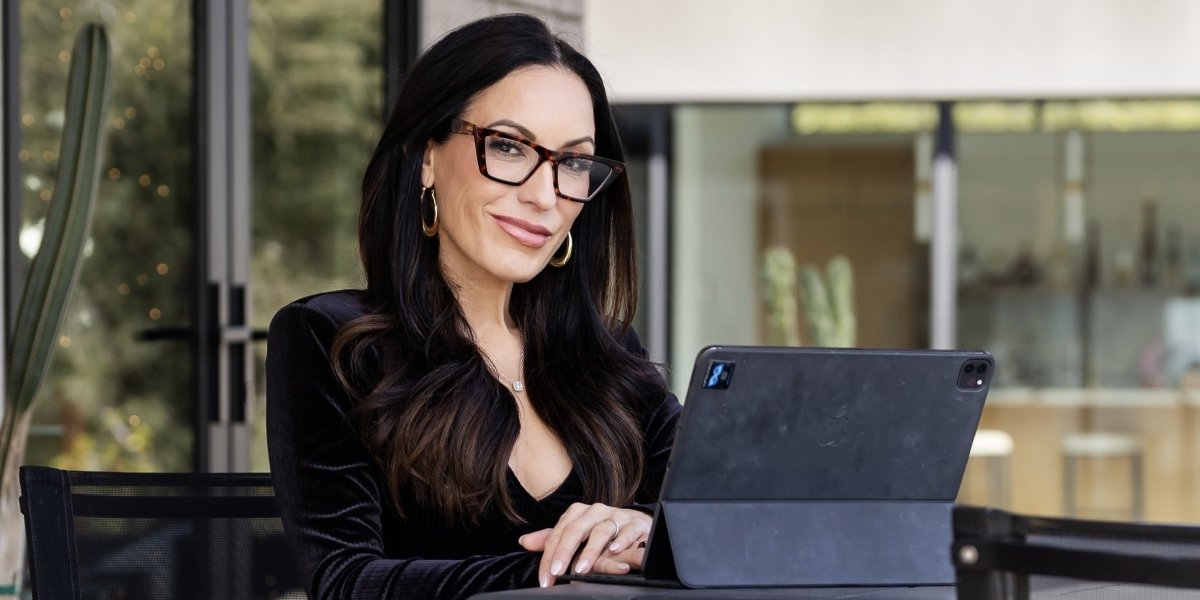
Today’s modern woman wears many hats. She is a leader, a mother, a wife, a mentor, and often an entrepreneur. Few embody that balance quite like Katy Cotten, Co-Founder and COO of Dakota London Hair Extensions.
Over the past 14 years, Katy has helped transform Dakota London from a single salon into a nationally expanding luxury hair extension brand. With three corporate locations in Arizona and almost 30 franchise territories awarded across the United States, Dakota London has grown steadily as it expands nationwide.
Photo Courtesy: EM:OM Photography
But for Katy, success is about far more than business expansion. It’s about creating opportunity, helping women build confidence, and proving that ambitious goals and personal values can coexist beautifully.
Working alongside her husband and business partner, Scott Cotten, Katy has built a company culture rooted in excellence, integrity, leadership, and empowerment. Through Dakota London, she has created opportunities for clients and for aspiring entrepreneurs who dream of owning a business of their own.
As a modern businesswoman, Katy understands the challenges women face while balancing career ambitions, family responsibilities, and personal growth. Her journey offers valuable insight for women looking to step into leadership, build a brand, or simply create a life they truly love.
In this exclusive interview, Katy shares her perspective on success, confidence, leadership, and what it means to be a modern woman in today’s world.
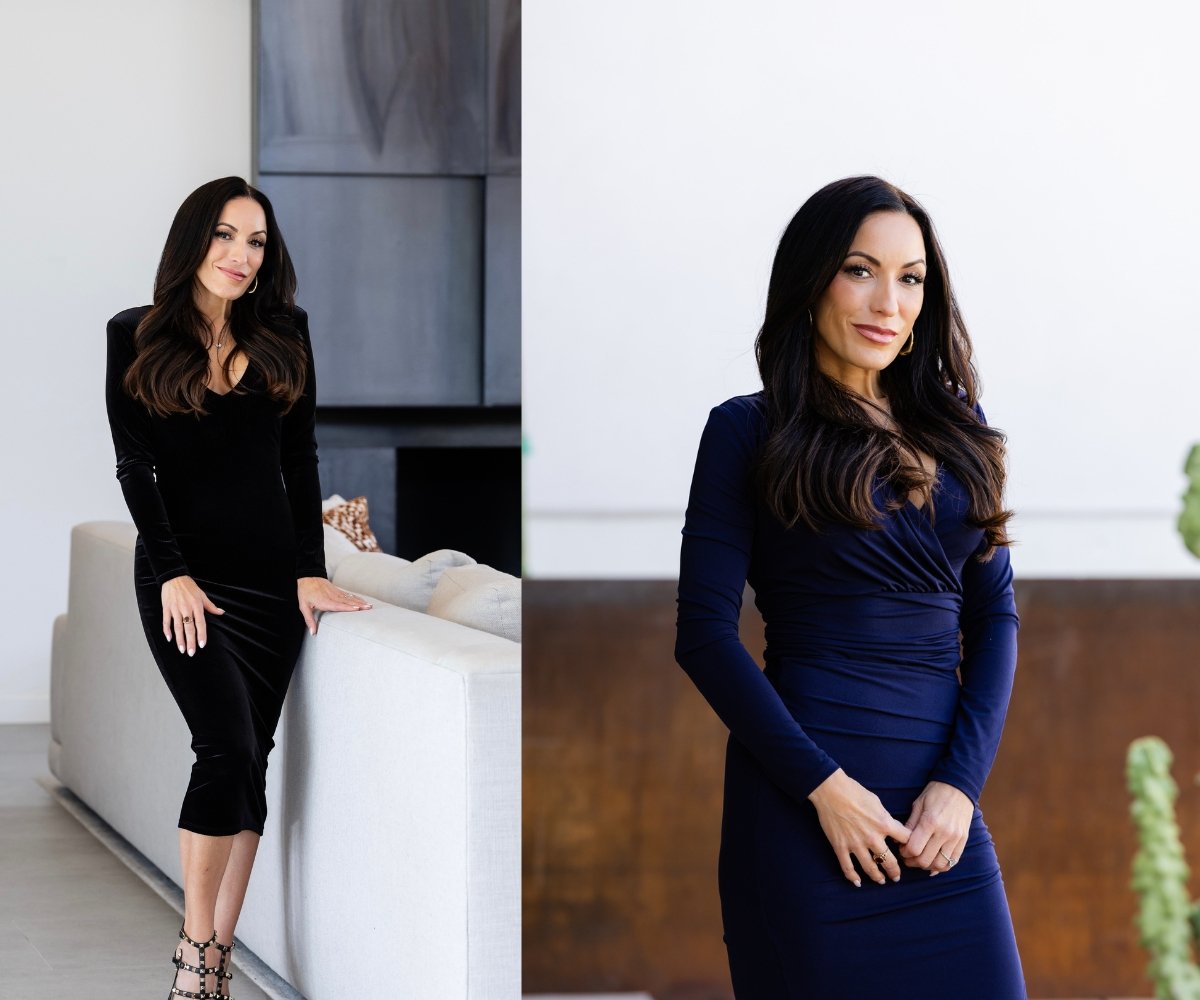
Photo Courtesy: Carrie Evans Photography & Jen Wilber Photos
Interview with Katy Cotten
1. What does being a modern woman mean to you personally?
Katy Cotten: To me, being a modern woman means understanding that you do not have to choose between outward ambition and inner softness. Both can coexist. Women today are redefining what success can look like. We can lead companies, raise families, create beautiful lives, and still stay deeply connected to who we are through it all.
For a long time, modern success was associated primarily with outer strength, but some of the most admirable women I know lead with intuition, resilience, compassion, and emotional intelligence. Being a modern woman means giving yourself permission to evolve, dream bigger, and create a life that feels aligned with who you truly are, not just what the world expects from you.
I also believe women are finally allowing themselves to want success and peace at the same time. That, to me, is powerful.
2. As a successful entrepreneur, wife, and mother, how do you define success in this chapter of your life?
Katy Cotten: Success feels very different for me today than it did years ago. Earlier in my career, success was defined by milestones and visible achievements. While those accomplishments still matter, this chapter of my life is much more about how my life feels while I’m building it.
I feel most successful when I look around and genuinely love the people I am building alongside. I feel successful when my family feels connected, when our company culture feels healthy, and when the work we’re doing creates opportunities for other people.
Some of the most beautiful parts of building a company never make it onto social media. They happen in the quiet moments behind the scenes, the conversations, the late nights, the trust people place in your vision, and the experience of watching something slowly become real over time.
I’ve also learned the importance of protecting joy while you’re building. Entrepreneurship can consume you if you let it, so I’ve become intentional about creating a life around the business that still feels grounded, balanced, and meaningful.
3. What challenges have shaped you most as a woman in business?
Katy Cotten: One of the biggest lessons I’ve learned in business is that leadership requires emotional resilience. Earlier in my career, I spent too much time trying to make everyone happy and carrying the emotional weight of every situation around me. Over time, I realized that leadership is not about managing everyone else’s emotions; it’s about staying grounded enough to lead clearly through both the good seasons and the difficult ones.
Building a business also teaches you that not everyone sees the full picture from the position they sit in. As a founder, you are balancing vision, people, operations, risk, growth, and culture all at once. Learning how to make difficult decisions while still leading with care has been one of the most defining parts of my journey.
I also think women often place enormous pressure on themselves to handle everything perfectly. One of the most freeing realizations for me was understanding that leadership is not about perfection. It’s about consistency, self-trust, and continuing to move forward even when things feel uncertain.
4. How do you maintain confidence and stay focused when facing obstacles or uncertainty?
Katy Cotten: I don’t think confidence means you never experience fear or uncertainty. I think confidence comes from moving through fear and uncertainty by relying on the foundation of experience, resilience, and perspective you’ve already built.
There have been many moments in business where I didn’t immediately have all the answers, but I’ve learned to trust my ability to figure things out. When you spend years committed to your craft and your vision, you develop a steadiness that carries you through difficult seasons.
I also stay grounded by focusing on the bigger picture instead of reacting emotionally to every obstacle. Entrepreneurship is full of highs and lows, and I’ve learned that consistency matters more than emotion in those moments.
Most importantly, I stay connected to why I started. When your vision is deeply personal, it becomes much easier to keep moving forward, even in uncertain seasons.
5. What role has family played in helping you build a successful company?
Katy Cotten: Family has been woven into every part of this journey for me. My husband Scott and I have built this company together, and having a partner who understands the weight, responsibility, and vision behind what we’re creating has been incredibly meaningful.
My daughters have also been a huge part of my “why.” Building a company changes your entire life, and entrepreneurship affects the whole family, not just the founder. There were seasons of sacrifice, long hours, and uncertainty, but there was also so much beauty in building something together and watching our vision slowly come to life.
What means the most to me is knowing that my children have been able to witness what commitment, resilience, and passion look like in real life. I hope they see that building something meaningful takes patience, courage, and consistency over time.
6. What advice would you give women who have big dreams but are afraid to take the first step?
Katy Cotten: I would tell them that they do not need to have everything figured out before they begin. So many women wait until they feel completely ready, but confidence is often built through action, not before it.
Social media has created the illusion that successful people had a perfectly mapped-out plan from the beginning, but most businesses are built through years of learning, evolving, failing, adjusting, and continuing anyway.
You also don’t have to build your entire dream overnight. Some of the most meaningful things are built slowly. I spent decades in this industry before Dakota London became what it is today, and every season taught me something valuable that prepared me for the next one.
The most important thing is simply being willing to begin, even imperfectly.
7. How important is mentorship, and why do you believe women should support other women in business?
Katy Cotten: Mentorship is incredibly important because none of us builds anything completely alone. Having people who can offer perspective, honesty, encouragement, and guidance can change the trajectory of someone’s confidence and growth.
I also believe women are at their best when they create space for one another instead of competing with one another. There is room for more women to lead, build, innovate, and succeed, and mentorship helps create healthier, stronger business communities overall.
For me personally, leadership has always been about developing people, creating environments where others feel supported, elevated, and challenged to grow into their full potential.
When women genuinely support one another, incredible things can happen.
8. What qualities do you believe every woman should develop to become a strong leader?
Katy Cotten: I believe resilience is one of the most important qualities a woman can develop as a leader because entrepreneurship and leadership both require you to continue showing up through uncertainty.
I also believe strong leaders cultivate emotional steadiness, self-awareness, discernment, and the ability to trust themselves. Not every decision will be easy, and not every moment will feel clear, but leadership requires consistency even when emotions are high.
Another important quality is protecting standards. As leaders, we set the tone for the environments we create. People look to leadership for stability, vision, and clarity, and strong leaders understand the importance of leading with both strength and humanity.
Most importantly, I think women should learn to trust their instincts more. Intuition is incredibly powerful in leadership.
9. What opportunities do you see for women in entrepreneurship today that may not have existed a generation ago?
Katy Cotten: I think women today have more access than ever before to build businesses around their voice, creativity, expertise, and personal vision. Social media and digital platforms have completely changed the landscape of entrepreneurship and removed many traditional barriers that once existed.
Women no longer have to wait for permission to build something meaningful. They can create communities, brands, and businesses directly connected to who they are and what they believe in.
I also think consumers today are craving authenticity. People want connection, transparency, and brands that feel human. That creates incredible opportunities for women because many women naturally lead with relationship, intuition, and emotional intelligence.
It is an exciting time for female entrepreneurship because women are no longer just participating in industries; they are redefining them.
10. What legacy do you hope to leave for future generations of women through your work and leadership?
Katy Cotten: More than anything, I hope my legacy shows women that it is possible to build something meaningful without losing yourself in the process.
I hope women see that success and warmth can coexist. You can lead with ambition while still being compassionate, grounded, feminine, and deeply connected to people.
Through Dakota London, I hope we create opportunities for women to build beautiful careers, confidence, and lives they feel proud of. But beyond business, I hope the way we lead leaves an impact on people, so that they feel seen, inspired, and believed in after crossing paths with our company.
And as a mother, I hope my daughters grow up knowing that dreams are worth pursuing, that resilience matters, and that building something meaningful is always possible when you are willing to stay committed to the vision.
A Modern Woman Building More Than a Business
Katy Cotten’s story is a powerful reminder that success is not defined by a single title or accomplishment. It is built through consistency, courage, resilience, and a willingness to keep growing.
Through Dakota London Hair Extensions, Katy has created more than a thriving beauty brand, she has created opportunities for women to build careers, confidence, and businesses of their own. Her leadership continues to inspire women across the country who are seeking greater independence, purpose, and success.
As Dakota London continues its national expansion, Katy remains committed to empowering others, raising industry standards, and showing women what is possible when passion is matched with purpose. For women looking to build a business, grow their confidence, or create a meaningful life and career, Katy Cotten’s journey stands as an inspiring example of modern female leadership in action.
Connect With Katy Cotten & Dakota London
Follow Katy Cotten on Instagram: @katycotten
Follow Dakota London Hair Extensions on Instagram: @dakotalondonhair
Visit dakotalondon.com to learn more about the company’s luxury hair extension services, franchise opportunities, and growing national presence.
For franchise inquiries, salon ownership opportunities, media requests, speaking engagements, or business collaborations, readers may contact Katy Cotten and the Dakota London team directly through the company website.
Call or Text: 480.205.1183
Email: info@dakotalondonhair.com
Whether you’re an aspiring entrepreneur, beauty professional, or simply looking for inspiration from a successful modern businesswoman, Katy Cotten continues to offer valuable insight and opportunity for women looking to elevate their careers and create meaningful success.
A concussion rarely shows up on a standard scan. That gap between what a person feels and what an X-ray reveals has become one of the central problems in Florida brain injury claims, where insurers routinely argue that an injury they cannot see on imaging is an injury that does not exist. For accident victims dealing with memory loss, migraines, or sudden mood changes, the burden of proof has grown heavier, especially after a 2026 change in how the state assigns fault.
Brain and head injuries affect more than 2.8 million people in the United States each year, according to the Centers for Disease Control and Prevention. Many of those cases involve trauma that conventional CT and MRI studies miss. The outcome is a group of legitimately injured people who are frequently underdiagnosed, which often leaves them undercompensated.
What Makes a Brain Injury an Invisible Injury?
The phrase invisible injury describes trauma that disrupts how the brain works without leaving marks that routine imaging can detect. Diffuse axonal injury, micro-tears in white matter, and subtle reductions in brain volume can all produce lasting symptoms while a standard scan reads as normal.
That disconnect matters in a courtroom. Symptoms tend to fall into three groups: cognitive effects such as memory loss and slowed processing, physical effects such as migraines and balance trouble, and emotional effects such as irritability or depression. A person can carry all three and still face an insurer claiming the injury is overstated.
Concussions sit at the center of the confusion. Often brushed off as minor, a concussion can worsen over the following weeks and interfere with someone’s ability to work or maintain steady relationships. Repeated concussions raise the risk of long-term neurological problems.
Alpha Law Group treats this medical complexity as a legal problem to be solved with evidence. Its brain and head injury lawyers work alongside neurologists and neuropsychologists to document trauma that quick insurance reviews tend to overlook.
How Florida’s 2026 Fault Rules Raised the Stakes
Florida now follows a modified comparative negligence standard under House Bill 837, and the change reshaped the math behind every injury claim. Under the rule, an injured person found more than 50 percent responsible for an accident recovers nothing.
That threshold hands insurers a clear incentive. Shifting even part of the blame onto a victim can wipe out a claim, which is why fault allocation now drives much of the dispute in serious cases. For someone whose memory of the crash may be impaired by the injury itself, that pressure becomes especially sharp.
Timing adds another layer. Florida law gives most injury victims a two-year window to bring a claim, and the clock starts early. Firms handling these cases build their evidence-gathering around that deadline, preserving medical records and accident documentation while the trail stays fresh.
The Technology Changing How Brain Injury Cases Are Proven
When a scan comes back clean, newer diagnostics can fill the gap. Three tools have become central to modern brain injury cases. Diffusion tensor imaging maps damage to white matter that standard MRI cannot capture. NeuroQuant volumetric analysis measures atrophy by comparing brain tissue against established norms. AI-assisted PET imaging highlights metabolic dysfunction linked to injury.
These methods rarely stand alone. Neurologists interpret the findings, neuropsychologists run objective testing for cognitive impairment, and functional capacity evaluators record why a client may not be able to return to work. That combined record builds a counterweight to the argument that nothing is wrong.
The financial reality behind these cases explains the effort. A severe traumatic brain injury can require decades of care, with lifetime costs that reach into the millions once rehabilitation, medication, and in-home support are counted. Life care plans projecting expenses 30 years forward are common in the most serious claims.
Inside Alpha Law Group’s Approach to Catastrophic Injury Claims
Brain trauma often arrives bundled with other life-altering harm. Spinal cord damage, amputations, and severe burns frequently surface together in the catastrophic injury claims the firm handles across Florida. Permanent consequences change how damages are calculated and how hard they are contested.
Alex J. Kompothecras, an attorney with the firm, has noted that clients are often caught off guard by how quickly insurers move to minimize even an obvious injury. That early skepticism, he has said, is one reason the firm pushes to secure evidence quickly.
The firm reports resolving more than 10,000 cases since its founding, with attorneys who bring more than four decades of combined experience to injury law. Gregory A. Zitani, a board-certified health care attorney, leads much of the complex injury work, drawing on access to life care planners and vocational experts.
Beyond the case files, Alpha Law Group publishes client testimonials describing how it communicates with people during a stressful stretch of their lives.
For Florida residents facing a brain injury, the mix of skeptical insurers, a tighter fault standard, and a firm two-year deadline has made early, evidence-driven representation more important than it was even a year ago. The cases that hold up tend to be the ones where the medical proof was built carefully and built soon.
Alpha Law Group is a personal injury firm serving clients across Florida, with offices in Sarasota, Florida, and Woodbury, Minnesota.
Disclaimer: This article is for general informational purposes only and should not be taken as legal, medical, or professional advice. Brain injury claims, personal injury laws, fault rules, deadlines, and available legal options can vary based on the facts of each case and may change over time. Readers should consult a qualified medical professional for any health concerns related to a head or brain injury and speak with a licensed attorney in their jurisdiction for guidance about a specific legal matter. Mention of any law firm, attorney, case approach, or legal service does not guarantee any particular result.
At the recent Fashion Show Awards Ceremony in Beverly Hills, one of the most meaningful recognitions of the evening went to Elena Konovalova, founder and designer of JOY SUN, who was honored with the Best Fashion Designer Award. The award celebrated not only her creative talent but also her ability to build and grow a fashion brand internationally, from Bali to the United States, while continuing to create clothing that helps women feel confident, beautiful, and empowered.
Elena is not a designer who appeared overnight. Her story began far from Los Angeles, on the island of Bali, where JOY SUN was born. There, the brand had its own production and two physical stores, a rare and important detail in today’s fashion world, where many emerging brands exist only online. Elena built something real: a production system, a retail presence, a recognizable aesthetic, and a loyal audience.
Today, JOY SUN is developing in the United States, and Elena’s career has entered a new chapter. Recently, she presented her first collection at Miami Swim Week, one of the most recognized platforms for swimwear and resort fashion. For any designer, that kind of presentation is more than a runway moment. It is a statement that the brand is ready to be seen on a larger stage.
This international path became one of the key reasons the jury recognized Elena at the Fashion Show Awards. The award was not given only for beautiful clothing. The judges looked at the full picture: creativity, brand development, global experience, professional consistency, and the ability to adapt fashion vision across different markets.
Elena’s strength is that she understands fashion not just as design, but as a business, a feeling, and a tool for confidence. JOY SUN began with swimwear and women’s fashion for women who want to feel beautiful in their bodies. Her pieces are created not simply to decorate, but to support the way a woman feels when she enters a room, walks by the ocean, appears in front of a camera, or steps into a new stage of her life.
Design, in her world, is not only about fabric, cut, or silhouette. It is about creating things that help people feel better about themselves. That is what makes her work stand out. She is not chasing trends for the sake of trends. She is building collections around confidence, comfort, femininity, and personal transformation.
Her collaboration with The LA Fashion Show has also played an important role in her growth in Los Angeles. Elena has been working with The LA Fashion Show for two years, presenting her work within a creative community that brings together designers, models, beauty teams, photographers, producers, and media professionals. This ongoing collaboration gave her a platform to show her vision in front of the Los Angeles fashion audience and continue developing her presence in the U.S. market.
Photo Courtesy: Elena Konovalova (Inside the JOY SUN showroom, where Elena Konovalova’s swimwear and resort collections come to life.)
But Elena’s newest project may be one of her most interesting moves yet. She is now developing JS MED, a medical fashion line that brings designer aesthetics into professional medical wear. The brand’s message is clear: function meets fashion. The current JS MED platform presents “next-generation medical wear” with tailored silhouettes, functional details, and designer aesthetics, including women’s and men’s collections, medical hats, doctor coats, wrap sets, tunics, jumpsuits, and scrubs with refined details such as gold-tone hardware and fitted shaping.
This direction is powerful because medical clothing has traditionally been treated as purely functional. Elena is challenging that idea. She is asking a different question: why shouldn’t medical professionals also feel stylish, confident, and elegant in what they wear every day?
Many designers create evening gowns. Many create swimwear. Many create women’s apparel. But Elena is building a bridge between lifestyle fashion and medical uniforms, two categories that rarely meet. With JS MED, she is bringing fashion language into a professional world where comfort, function, and identity matter deeply.
For doctors, nurses, beauty professionals, med spa teams, and wellness experts, clothing is part of daily presence. It affects posture, confidence, perception, and the way clients or patients experience them. Elena seems to understand that professional clothing can carry dignity and beauty at the same time.
This is why her award feels especially relevant now. Fashion is changing. The industry is no longer only about runway drama or red-carpet fantasy. It is also about how clothing improves real lives, real work, and real confidence. Elena Konovalova’s work reflects that shift.
Her brand history shows range: Bali-born resort fashion, U.S. expansion, Miami Swim Week, collaboration with The LA Fashion Show, and now a medical fashion line with a clear design identity. That combination gives her a rare position among emerging designers in Los Angeles. She is not only creating collections. She is building categories.
At the Fashion Show Awards, Elena stood out because her work carries a complete story. She has experience in production, retail, international markets, runway presentation, swimwear, women’s fashion, and now medical apparel. Her journey shows what modern designers must become: artists, entrepreneurs, brand builders, storytellers, and problem-solvers. The Best Fashion Designer Award recognized that full vision.
Elena Konovalova represents a new kind of fashion professional, one who can move between countries, industries, and customer needs while keeping the same core mission: to create clothing that helps people feel better, more beautiful, and more confident.
In Los Angeles, where fashion, wellness, entertainment, beauty, and entrepreneurship constantly intersect, Elena’s direction feels especially timely. She is not simply following the fashion industry. She is expanding it.
And that may be the real reason her recognition at the Fashion Show Awards matters: Elena Konovalova is not only designing clothes. She is designing confidence, from the runway to real life.
Most dentists spend years developing their clinical expertise. They invest in continuing education, advanced training, and staying current with the latest techniques to provide exceptional patient care.
But running a successful dental practice requires more than clinical excellence.
Behind every thriving practice are systems, processes, communication, leadership, and a team working together toward a common vision. When those pieces are not functioning effectively, even the most talented dental professionals can find themselves overwhelmed by the business side of practice ownership. That is where Blossom Dental Consulting comes in.
Founded in 2019 by Monica Watson, Blossom Dental Consulting helps dental practice owners throughout Canada and the United States strengthen the operational side of their practices so they can focus more on patient care and less on daily administrative challenges.
“My mission is to help dental practice owners feel confident with the business side of their practice so they can focus on their patients in the operatory.”
Filling a Gap in Dental Practice Management
Before launching Blossom Dental Consulting, Watson spent years working in dental practice management. During that time, she noticed a significant gap in professional development opportunities. While clinical teams often had access to continuing education and growth resources, administrative and management teams frequently had far fewer opportunities for support and development.
Watson believed the business side of a dental practice deserved the same level of investment and attention. She saw firsthand how strong leadership, effective communication, and efficient systems could improve not only the patient experience but also the daily lives of dentists and their teams. That belief ultimately became the foundation of Blossom Dental Consulting.
Building a Community for Dental Leaders
In 2021, Watson launched the Vancouver Dental Office Manager Study Club to create a space where dental managers could learn from one another, share challenges, and exchange ideas. The group began through old-fashioned networking. Watson personally visited dental offices, introduced herself to managers, and invited them to participate. What started as a grassroots effort has grown into an established community that continues to meet virtually each month.
The study club provides members with opportunities to learn from industry experts and professionals who support dental practices in a variety of ways. Guest speakers have included HR specialists, accountants, lawyers, fraud investigators, and healthcare professionals sharing valuable insights that help managers better support their teams and practices.
The goal has always remained the same: creating a collaborative environment where everyone can learn, grow, and improve together.
Services Designed to Strengthen Practice Operations
Blossom Dental Consulting offers several services designed to help dental practice owners strengthen their operations and support long-term growth. One of the firm’s core services is a Strategic Practice Analysis, where Watson spends one to two days observing the practice before delivering a comprehensive report with recommendations and a customized roadmap for improvement.
The company also provides ongoing support through its annual study club membership program, one-on-one coaching opportunities, and regular in-office consulting visits that help teams stay aligned with practice goals and continue implementing positive changes. The dental practice owners Watson works with often have talented teams and successful practices. However, many feel that something is preventing them from fully reaching their vision.
As practices grow, challenges such as communication breakdowns, inefficient systems, unclear expectations, and administrative bottlenecks can create unnecessary stress and slow progress. By identifying opportunities for improvement and helping teams implement practical solutions, Blossom Dental Consulting helps practice owners reduce that burden and create a more efficient, organized, and supportive work environment.
A Collaborative Approach to Consulting
Photo Courtesy: Fontaine Photography
While there are many talented consultants serving the dental industry, Watson believes her approach is what sets Blossom Dental Consulting apart. Rather than leading with authority or intimidation, she focuses on collaboration. She works closely with dentists, managers, and team members to understand their challenges, gather their perspectives, and develop solutions together.
Watson believes that when people feel heard, respected, and given the tools to grow, they are more likely to embrace change and take ownership of improving the practice. Her goal is not to tell teams what they are doing wrong. It is to provide guidance, support, and practical solutions that help everyone work together more effectively.
By creating an environment where ideas are valued and collaboration is encouraged, practices are able to build stronger cultures and achieve sustainable improvements that last long after the consulting engagement ends.
Helping Dentists Get Back to What They Love
For Watson, success is about more than metrics and performance reports. It is about helping dental professionals enjoy their work again. When systems improve, communication becomes clearer, and teams become more aligned, many practice owners experience something they have not felt in a long time: relief. That outcome reflects the larger mission behind Blossom Dental Consulting.
By helping practices reduce stress, strengthen leadership, improve operations, and create greater team alignment, Watson enables practice owners to spend less time managing problems and more time focusing on patient care, their families, and the aspects of dentistry they enjoy most.
Continuing to Grow and Support More Dental Practices
Watson continues to invest heavily in professional development and leadership training. She holds a Dental Practice Management Certification from the University of Toronto, serves as an Area Director for Toastmasters District 21, coaches speakers for TEDx Surrey, and has facilitated the Vancouver Dental Office Manager Study Club since 2021.
She has also been recognized through publications, including Over 40 and Fabulous and FACES Greater Vancouver 2026, and was a featured speaker at the Pacific Dental Conference in 2025.
Looking ahead, Watson plans to expand Blossom Dental Consulting by bringing on additional consultants to serve more practices throughout Canada and the United States.
As the company grows, the mission remains unchanged: helping dental practice owners build stronger businesses, give their teams the support they deserve, create exceptional patient experiences, and get back to loving what they do.