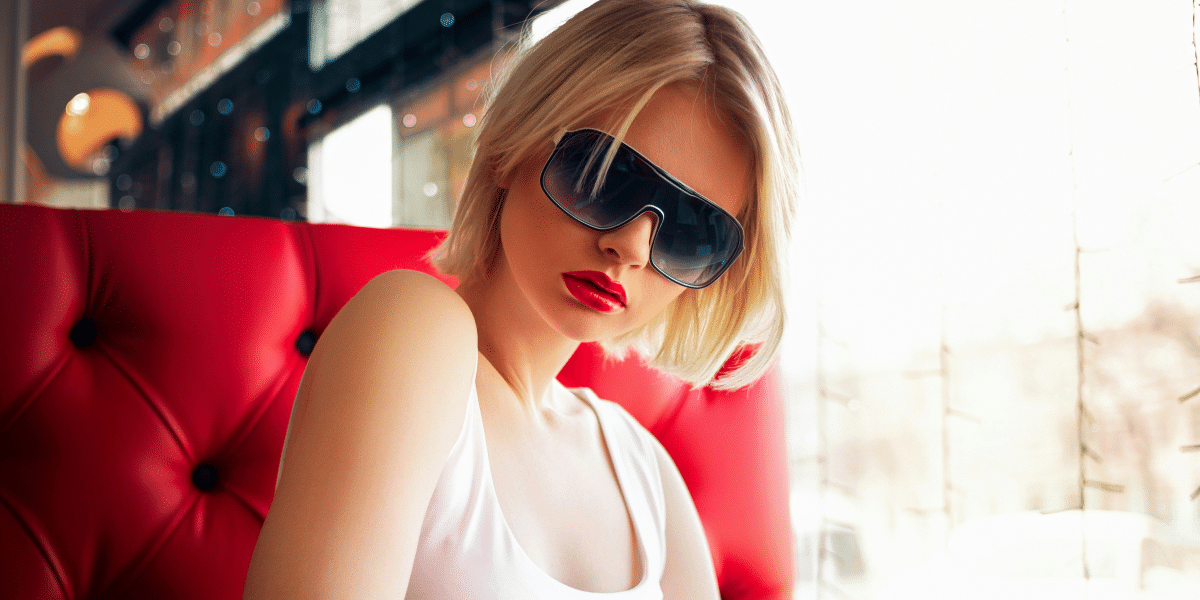
The concept of beauty standards represents a collection of shared physical traits that a specific society deems attractive at any given moment. These ideals typically encompass body shape, skin tone, hair texture, and facial symmetry, yet they are rarely static or permanent. Historical data suggests that what one region celebrates as the pinnacle of health and attractiveness, another may overlook entirely. As global connectivity increases, these expectations shift more rapidly, reflecting the immediate values and priorities of a changing world. Understanding these patterns helps demystify why certain appearances gain sudden popularity while others fade into the background.
Physical traits often serve as a visual shorthand for social and economic standing within a community. In environments where resources are scarce, a fuller physique might be viewed as a sign of prosperity and access to high-quality nutrition. Conversely, in highly developed urban centers, an athletic or lean build is frequently associated with the discipline required to maintain a specific lifestyle. These beauty standards act as a mirror to the underlying conditions of a society, illustrating how survival and status are interpreted visually. By recognizing this connection, it becomes easier to see that attractiveness is often a byproduct of environmental and social pressures.
The psychological impact of trying to meet these communal expectations can be profound, influencing everything from self-esteem to professional interactions. When individuals perceive a gap between their own appearance and the prevailing beauty standards, they may experience a decline in confidence. However, the modern movement toward inclusivity is beginning to provide a broader range of representations that challenge these narrow definitions. This shift allows for a more flexible interpretation of what it means to be attractive in the twenty-first century. As more people realize that these ideals are social constructs, the pressure to conform to a single, rigid image begins to dissipate.
The Evolution Of Beauty Standards Through History And Architecture
Examining the past reveals that beauty standards have always been fluid, responding directly to the shifts in human philosophy and survival. In ancient Egypt, for instance, the focus was on cleanliness, symmetry, and the use of bold oils to signify high social standing. Ancient Greek society took this further by using mathematical proportions to define the ideal human form in both art and reality. They utilized the Golden Ratio to ensure that sculptures and portraits adhered to a specific geometric harmony. These early examples prove that what we consider “natural” beauty is often a carefully calculated set of preferences based on historical context.
During the Renaissance period in Europe, the preferred aesthetic shifted significantly toward softer, more voluptuous figures as symbols of fertility and abundance. Pale skin was also highly prized during this era because it indicated that an individual was not required to perform manual labor outdoors. This stands in stark contrast to modern Western beauty standards, where a bronzed or tanned complexion often suggests the wealth needed for leisure and travel. These historical pivots demonstrate that the human body has always been a canvas for expressing social rank and economic success. No single era has ever possessed a universal definition of perfection that applied to all people at all times.
Traditional practices in South Asia and various parts of Africa also reinforce the idea that heritage is a key component of attractiveness. Henna designs, intricate beadwork, and specific natural hairstyles are not just aesthetic choices but are deeply rooted in lineage and communal identity. These practices ensure that beauty standards remain tied to a sense of belonging rather than just a fleeting trend found in a magazine. In these communities, being attractive is often synonymous with being an active and respected participant in one’s own history. As these traditions enter the global stage, they provide a much-needed counter-narrative to the standardized images often promoted by international media.
Media Influence On Modern Beauty Standards and Representation
The rise of global media has historically played a central role in amplifying specific, often narrow, beauty standards to a worldwide audience. For decades, Eurocentric features were promoted as the singular goal for those seeking to be viewed as fashionable or successful. This dominance created a significant imbalance, as many people around the world felt excluded from the conversation about what is considered “beautiful.” Large-scale advertising campaigns frequently utilized retouching and specific lighting to create images that were physically impossible to achieve in reality. This constant exposure to perfection led to a widespread internalization of unrealistic expectations among many different age groups.
Digital platforms and social media have recently begun to dismantle this centralized control over beauty standards by giving a voice to individual creators. Today, users on Instagram and TikTok can showcase a vast array of body types, skin conditions, and ethnic features that were previously ignored by mainstream gatekeepers. This democratization of imagery has allowed for the “natural hair” and “skin neutrality” movements to gain significant traction globally. People are now finding community and validation in seeing others who look like them, rather than trying to mimic a celebrity who possesses a completely different genetic makeup. This shift is slowly diversifying the visual landscape of the internet and beyond.
While social media offers a platform for diversity, it also introduces new pressures through the use of digital filters and AI-enhanced features. These tools can subtly alter facial proportions in real-time, creating a new set of digital beauty standards that are just as difficult to attain as the ones found in traditional media. This creates a complex environment where individuals must navigate between authentic representation and the desire for digital polish. The ongoing debate over “filter transparency” shows that society is still grappling with how to handle these new forms of visual manipulation. Despite these challenges, the overall trend is moving toward a world where more than one type of face can be celebrated simultaneously.
Globalization And The Blending Of Diverse Beauty Standards
Globalization has accelerated the exchange of aesthetic practices, leading to a fascinating blend of different beauty standards from every corner of the globe. For example, the “K-Beauty” trend from South Korea has introduced a focus on hydration and skin health that has completely transformed Western skincare routines. Similarly, African-inspired braids and protective hairstyles have become permanent fixtures in the global fashion industry, appearing on international runways and in high-profile media. This cross-pollination of ideas encourages a more tolerant and appreciative view of different ways of presenting oneself. It suggests that the future of attractiveness lies in variety rather than a single, globalized “look.”
However, this blending of beauty standards also raises important questions about the preservation of local traditions in the face of global trends. As certain styles become popularized, there is a risk that the original meaning and heritage behind them could be lost or commodified for mass consumption. Many communities are working to ensure that their traditional markers of beauty—such as specific body art or jewelry—are respected as sacred rather than just trendy. Finding a balance between enjoying global fashion and honoring ancestral roots is a primary challenge for modern creators. This tension is what makes the study of attractiveness so dynamic and significant in the current era.
The focus on “wellness” has also become a major part of contemporary beauty standards, shifting the conversation from how a person looks to how they function. Traits like glowing skin, clear eyes, and a strong physique are now interpreted as signs of a healthy lifestyle rather than just genetic luck. This shift has led to a massive increase in the popularity of functional fitness and nutrient-dense diets across different regions. While this can lead to positive health outcomes, it also creates a new set of expectations regarding how a “healthy” person should appear. The definition of beauty is increasingly becoming a hybrid of traditional aesthetics, modern science, and personal lifestyle choices.
The Future Of Inclusivity In Defining Beauty Standards
The ongoing movement toward inclusivity is fundamentally changing how businesses and individuals approach beauty standards in their daily lives. Major fashion brands and cosmetic companies are now featuring models of all ages, sizes, and abilities to reflect the actual diversity of their customer base. This change is not just about appearances; it is a recognition that everyone deserves to see themselves represented in the spaces they inhabit. By moving away from “flawless” imagery, the industry is helping to reduce the stigma associated with aging, scars, and physical differences. This new era of authenticity is proving that diversity is a much more sustainable and relatable ideal than perfection.
Educational efforts are also being made to help young people understand that beauty standards are often the result of marketing and social engineering. Media literacy programs teach individuals how to decode advertisements and recognize the techniques used to create “idealized” images. This knowledge acts as a shield against the negative psychological effects of unrealistic expectations, allowing people to form a healthier relationship with their own reflection. As society moves toward a more empathetic view of the human form, the emphasis is shifting from “fixing” one’s appearance to celebrating one’s unique characteristics. This creates a supportive environment where personal worth is no longer tied to a shifting set of physical rules.
Ultimately, the evolution of these ideals suggests that the most resilient and lasting beauty standards are those that prioritize health, authenticity, and respect for tradition. While history shows that preferences will continue to change, the current trend toward inclusivity offers a more hopeful path for future generations. Individuals are now more empowered to define their own sense of style and attractiveness, drawing inspiration from a global palette of ideas. This autonomy allows for a more confident and less pressured approach to appearance in an increasingly visual world.