Women's Journal

Why More Women Are Returning to Corporate Life After Entrepreneurship

A growing trend is emerging where women who once pursued entrepreneurship are returning to corporate roles. This shift highlights how modern professionals are increasingly balancing autonomy with stability, especially after the challenges of running a business. While entrepreneurship offers independence and creativity, corporate environments provide structure, resources, and predictable income, which are becoming more appealing to women who have experienced the hurdles of entrepreneurship firsthand.

According to recent studies, many women cite burnout, financial instability, and limited scalability as key reasons for stepping back from entrepreneurship. Corporate roles, by contrast, often come with clearer career trajectories, greater stability, and the support of established structures. The decision to return to the corporate world isn’t about abandoning ambition but rather reframing success to better align with evolving priorities in a fast-changing job market.

This shift in professional paths raises intriguing questions: Is entrepreneurship still the ultimate symbol of independence, or are corporate roles regaining appeal as platforms for growth and influence? Understanding why more women are moving back to corporate life may provide insights into how modern career fulfillment is defined, especially as traditional professional norms are increasingly redefined.

The Appeal of Stability and Resources in Corporate Roles

Entrepreneurship demands a wide range of responsibilities, from managing finances to marketing and handling operations. For many women, this juggling act becomes unsustainable over time, leading to burnout. Corporate environments, on the other hand, provide access to teams, resources, and benefits that help alleviate the burden of individual responsibility. These environments offer women the opportunity to focus on their area of expertise, backed by a support system that mitigates the stress of running a business.

Why More Women Are Returning to Corporate Life After Entrepreneurship

Photo Credit: Unsplash.com

A significant factor in women’s return to corporate life is the access to resources like healthcare, retirement plans, and professional development opportunities. According to data from Forbes, these benefits help women focus on their career growth without the added stress of managing all aspects of a business. The appeal of having a predictable income, job security, and company-sponsored benefits plays a crucial role in their decision to return to corporate life.

While entrepreneurship offers flexibility and autonomy, the trade-off between independence and access to essential resources has become a key factor in women’s career decisions. The structured nature of corporate roles, along with the resources they provide, creates an environment that allows for professional growth without the financial instability that can come with running a startup.

Redefining Success: Beyond Independence

For decades, entrepreneurship has been celebrated as the ultimate form of professional success, particularly for women who were breaking barriers in business. Female entrepreneurs were often hailed as pioneers, leading the way for others to follow. Yet today, success is increasingly being defined in more nuanced ways. Returning to corporate life does not diminish the accomplishments of women entrepreneurs; rather, it redefines them as valuable experiences that can enhance future roles within larger organizations.

Women who return to corporate life bring their entrepreneurial skills—such as risk management, innovation, and customer-centric thinking, into their new roles. According to Inc., companies benefit from employees who have an entrepreneurial mindset because they can drive innovation, handle uncertainty, and contribute to strategic decision-making. These hybrid skills allow women to bridge the gap between creativity and operational discipline, making them valuable assets in corporate leadership roles.

The transition from entrepreneurship to corporate life doesn’t signify failure—it often signals the evolution of a woman’s career as she adapts to changing personal and professional goals. The integration of entrepreneurial thinking into corporate settings creates a new kind of leadership that values both creativity and strategic execution, challenging the traditional boundaries of professional achievement.

Balancing Work, Life, and Professional Identity

One of the key factors influencing women’s return to corporate roles is the desire for a better work-life balance. Entrepreneurship often blurs the lines between work and personal life, with the demands of running a business leaving little room for personal time. Corporate roles, while still demanding, often provide clearer separation between work and personal life, along with more predictable schedules. For women balancing family, health, or other personal commitments, the stability and structure of corporate life offer a way to manage both their careers and personal lives more effectively.

Flexibility in the workplace has become another major driver for women returning to corporate roles. According to surveys conducted by LinkedIn, flexible work options, such as hybrid work arrangements, are particularly appealing to women. These options allow for greater professional engagement while accommodating personal priorities, providing the necessary balance that many women seek after the demands of entrepreneurship.

The shifting dynamics around work-life balance also influence how women define their professional identity. As the narrative around work evolves, women moving between entrepreneurship and corporate life are reshaping their professional roles. This flexibility enables them to redefine success on their terms, emphasizing adaptability and personal fulfillment over traditional career models.

The Future of Career Paths for Women

The trend of women returning to corporate life after entrepreneurship signals broader shifts in how careers are envisioned in today’s economy. It suggests that professional fulfillment is no longer tied to a single path, but rather to the ability to adapt and thrive in various environments. Corporate life, once seen as rigid and hierarchical, is increasingly being viewed as a platform for growth, influence, and leadership, especially for those who have entrepreneurial experience.

Companies are starting to recognize the unique value that women with entrepreneurial backgrounds bring to the table. These women possess resilience, creativity, and problem-solving skills that are critical in today’s fast-paced business world. As corporate cultures become more inclusive and innovative, the blending of entrepreneurial experience with corporate structure may redefine leadership pipelines, creating more opportunities for women to succeed in both settings.

Ultimately, the evolving career paths of women reflect a broader shift in the professional landscape. As women move from entrepreneurship back to corporate life, they are expanding the definition of success. The future of work will likely be shaped by women who embrace diverse career paths and who continue to redefine professional identity, challenging traditional career trajectories and creating new models for success.
High‑Protein Lifestyles Drive ‘Muscle Mommy’ Trend in Women’s Wellness

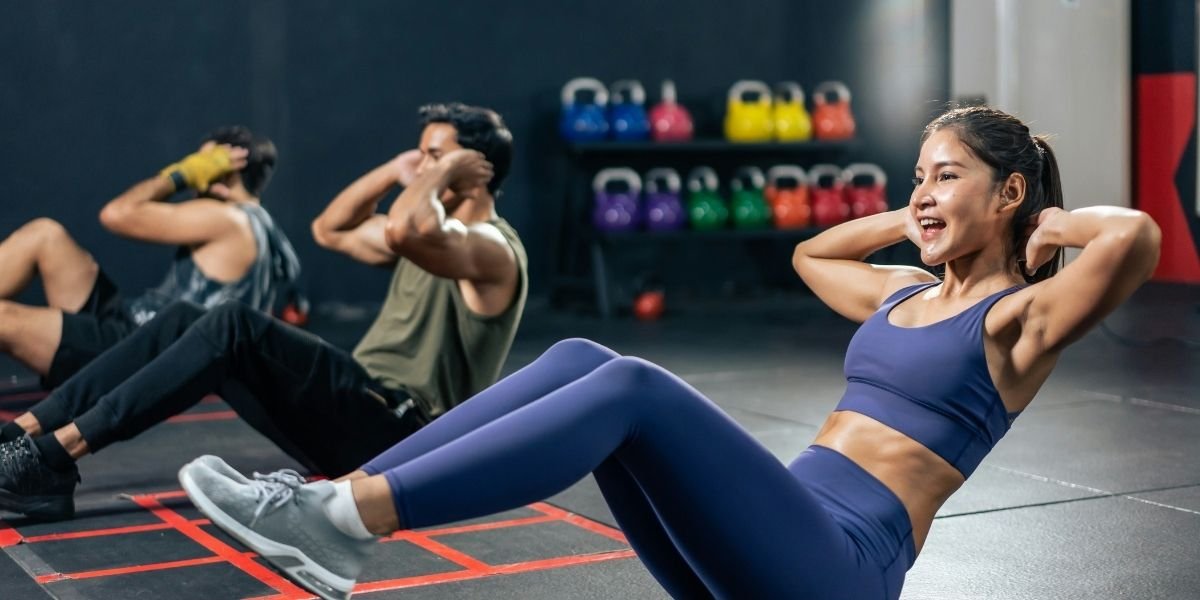
The “Muscle Mommy” movement is a growing trend in women’s wellness, focusing on strength training and high-protein diets to promote empowerment and physical resilience. This movement is challenging traditional fitness narratives that have predominantly centered on weight loss, replacing them with a new vision of wellness that prioritizes strength, confidence, and long-term health. As women of all ages, including postpartum mothers, embrace this approach, they are redefining what it means to be healthy and strong.

The rise of this movement is also tied to an increasing consumer demand for protein-rich products designed specifically for women. Brands are responding with a range of supplements, protein bars, and shakes that cater to the needs of women focused on building muscle and recovering from workouts. This shift in market demand reflects a broader change in how women view fitness and their overall health goals.

For many women, especially mothers, the Muscle Mommy identity has become a source of pride and motivation. By adopting routines that emphasize muscle development, energy recovery, and sustainable nutrition, they are rewriting the narrative of what it means to be fit and healthy. This trend is not only changing how women approach fitness but also how they perceive their bodies and strength.

Strength Training: A Mainstream Focus for Women

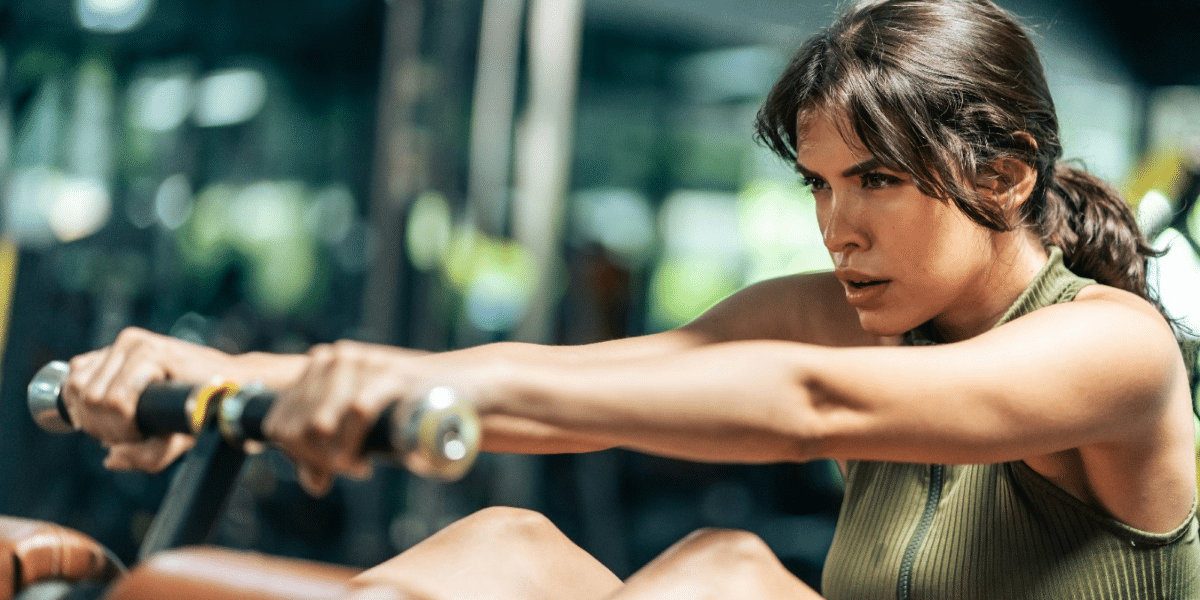
Once considered a niche interest, strength training has now become a mainstream element of women’s fitness. Gyms and fitness centers are seeing an increase in the number of women participating in weightlifting and strength-based programs. What was once viewed as a male-dominated pursuit is now an integral part of many women’s wellness routines, with a growing emphasis on muscle building and endurance.

Strength training is no longer just about aesthetics—it’s about functional strength. Women are recognizing the importance of developing strength that supports their daily lives, from lifting children to carrying groceries or managing other physical tasks. This shift reflects a deeper understanding that strength and muscle development can improve overall health and quality of life, not just physical appearance.

The growing popularity of strength training is also fueled by the increasing awareness of its mental health benefits. Research shows that strength training can reduce symptoms of anxiety and depression while boosting confidence and self-esteem. This has made strength training not just a physical activity but a holistic approach to wellness that benefits both the body and mind.

Postpartum Wellness: A Key Driver of the Muscle Mommy Movement

Postpartum women have become a major demographic driving the growth of the Muscle Mommy movement. After childbirth, many women seek ways to regain strength, restore their energy, and rebuild their physical confidence. Strength training and high-protein diets are helping postpartum women recover and improve their overall health, with a focus on sustainable fitness rather than quick fixes.

Fitness programs tailored specifically for postpartum recovery have gained popularity in recent years. These programs emphasize gradual muscle development and functional strength, allowing women to return to their pre-pregnancy fitness levels at their own pace. Many of these programs also focus on emotional well-being, helping new mothers feel empowered as they navigate both physical recovery and the challenges of motherhood.

Nutrition products designed for postpartum women, such as protein supplements and snacks, are also becoming more prevalent. These products address the specific needs of women recovering from childbirth, providing the necessary nutrients to support muscle growth, energy recovery, and overall health. As a result, the Muscle Mommy movement is gaining traction among mothers who want to embrace a healthier lifestyle and redefine what wellness looks like during the postpartum period.

The Market Response to the Muscle Mommy Movement

As the Muscle Mommy movement continues to grow, mainstream brands are quickly recognizing the potential of this emerging trend. Companies, ranging from global nutrition brands to boutique wellness startups, are launching products designed to support women’s strength-focused goals. These products include protein snacks, workout gear, and supplements that cater to the needs of women building muscle and embracing strength training.

Marketing campaigns surrounding these products often focus on empowerment, resilience, and authenticity. By aligning their offerings with the values of the Muscle Mommy movement, brands are tapping into a growing market of women who prioritize strength and health over traditional fitness ideals. The success of these products reflects the broader shift in women’s wellness from weight loss to strength and muscle development.

This market response is reshaping the wellness industry, with brands innovating to meet the demand for strength-based products that resonate with women’s evolving fitness goals. The rise of the Muscle Mommy movement is pushing companies to rethink their strategies and offer more inclusive and functional products that go beyond aesthetics, promoting long-term health and empowerment for women everywhere.

Rewriting the Narrative of Women’s Wellness

The Muscle Mommy movement represents a significant shift in how women approach wellness. By prioritizing strength training and high-protein nutrition, women are challenging traditional fitness narratives that have often equated health with thinness. This new focus on strength and muscle development is helping women embrace a more holistic, sustainable approach to fitness that emphasizes empowerment and resilience.

For many women, the Muscle Mommy identity offers a sense of community and validation. Online platforms and social media have played a crucial role in amplifying this movement, with women sharing their journeys, transformations, and successes. These platforms have fostered a sense of belonging and support, creating networks of women who are redefining what it means to be strong and healthy.

As the Muscle Mommy movement grows, it highlights the evolving nature of women’s wellness. The trend is not just about fitness but about embracing strength, building confidence, and creating a balanced lifestyle that supports long-term health. It is a movement that continues to reshape how women approach their health and wellness, offering a new, empowering narrative that focuses on strength, not size.

Disclaimer: The information provided in this article is for general informational purposes only and does not constitute medical or professional advice. Always consult with a healthcare provider before making changes to your fitness or nutrition plan.

Embracing Body Positivity: Empowering Women to Love Themselves

The body positivity movement has gained significant momentum in recent years, reshaping public perceptions of self-image and health. It promotes the idea that beauty should not be confined to a narrow standard, but celebrated in all its diversity. As conversations around body image become more open, the movement continues to influence how people approach wellness, confidence, and self-worth.

Body positivity encourages individuals, especially women, to challenge the idea that beauty must fit a certain mold. This growing acceptance of varied body types has moved beyond traditional media and is now thriving in social media spaces, where individuals are able to share stories and create representations that reflect a wider spectrum of bodies.

Understanding Body Positivity

At its core, body positivity is about challenging societal messages on appearance and promoting the belief that every body deserves respect, regardless of size, shape, or appearance. While its widespread popularity can be attributed to social media platforms, the concept is rooted in earlier movements that sought to end body-based discrimination and advocate for equal representation in media and advertising.

Importantly, body positivity is not about rejecting health or personal goals but about redefining what those goals mean. The movement encourages individuals to pursue physical and mental well-being while embracing their bodies as they are. It challenges the idea that beauty or worth should be tied to how someone looks and instead promotes the appreciation of what the body can do—its resilience, strength, and purpose.

The Role of Media in Shaping Body Image

For decades, media outlets, including magazines, television, and advertisements, have primarily depicted a narrow definition of beauty. This representation often excludes diverse body types, leading to feelings of inadequacy among those who do not fit these standards. These portrayals have contributed to widespread body dissatisfaction, particularly among women, and have fueled a cycle of negative self-image.

However, with the rise of social media, individuals now have the opportunity to share their stories, images, and experiences, pushing back against unrealistic portrayals of beauty. Digital platforms have become spaces for diverse body types, skin tones, and abilities to be represented, creating a more inclusive image of beauty. Campaigns and influencers emphasizing authenticity over perfection have helped shift the narrative toward greater acceptance.

Despite these positive changes, digital spaces can still exert pressure to conform to certain trends or ideals. It’s essential for individuals to recognize the difference between healthy inspiration and unhealthy comparison, as constant exposure to curated content can sometimes lead to unrealistic expectations.

The Mental Health Benefits of Body Positivity

Body positivity is not just about aesthetics—it also has significant mental health benefits. When individuals feel comfortable and confident in their own skin, they experience better emotional well-being. Studies have shown that a positive body image is linked to higher levels of self-esteem, improved mood, and reduced stress.

Conversely, negative body image can contribute to anxiety, depression, and unhealthy behaviors such as disordered eating or social withdrawal. By fostering self-compassion and focusing on functionality and resilience, body positivity helps individuals reframe their self-worth and develop healthier mental habits. Instead of harsh self-criticism, body positivity promotes acceptance and kindness, even in the face of challenges or imperfections.

Mental health professionals emphasize that body acceptance is an ongoing journey. It requires consistent practice and effort to move away from critical self-talk and to focus on what the body can do, rather than how it appears. Over time, this shift fosters resilience and a deeper connection to one’s body.

Body Positivity and Social Movements

The body positivity movement is intertwined with broader social justice efforts. It advocates for equal representation of all bodies in various sectors, including fashion, advertising, and entertainment. By pushing for greater inclusivity, the movement seeks to end body-based discrimination, creating a more equitable and diverse cultural landscape.

Organizations, influencers, and activists have been pivotal in advancing the message that beauty exists in variety. These efforts challenge industries to rethink how they portray bodies in their marketing and design, promoting the idea that beauty should not be defined by a single standard. Representation is key, as it helps individuals feel seen, valued, and respected, no matter their body type.

In addition, the movement emphasizes how body image intersects with other aspects of identity, such as race, gender, and disability. This intersectional approach brings attention to the ways in which body discrimination impacts marginalized groups, calling for greater fairness and inclusivity in public spaces.

Building Confidence Through Daily Practices

Incorporating body positivity into everyday life requires intentional effort. Simple actions—such as practicing positive self-talk, dressing in ways that make you feel confident, or setting boundaries with social media—can help build long-term confidence. It’s about embracing who you are and recognizing that your body is worthy of respect and care.

For many, taking time to engage in physical activities that promote well-being, like yoga, walking, or dancing, can deepen their connection to their body in affirming ways. These practices don’t focus on appearance but rather on feeling strong, energized, and capable. Body positivity encourages individuals to prioritize their mental and emotional health by shifting the focus from appearance to overall wellness.

Social support also plays a key role. Engaging in body-positive communities, whether online or offline, can provide encouragement, validation, and a sense of belonging. These groups help normalize diverse body types and offer a platform for people to share their stories and experiences, further breaking down the barriers of body shame.

How Women’s Exercises Empower Strength and Balance

Why Strength Matters for Women

Strength training has often been misunderstood as an activity reserved for athletes or bodybuilders. Yet research shows that women benefit significantly from exercises that build muscle and improve stability. According to the Australian Institute of Fitness, strength training supports bone health, reduces the risk of injury, and improves overall quality of life by enhancing daily movement Australian Institute of Fitness.

For women, strength is not only about lifting heavier weights. It is about supporting the body through everyday tasks such as carrying groceries, climbing stairs, or maintaining posture at a desk. These activities require a foundation of muscular endurance and balance. By focusing on strength, women can reduce fatigue and feel more capable in their routines.

The benefits extend beyond the physical. Exercise routines that emphasize strength also contribute to mental well-being. As highlighted in Exercise Routines That Help Women Maintain Calm and Clarity, structured movement can reduce stress and provide a sense of control, which is especially valuable in busy lives.

The Role of Balance in Daily Life

Balance is often overlooked until it becomes a problem. For women, maintaining balance is essential for preventing falls, supporting joint health, and ensuring confidence in movement. Balance exercises train the body to stabilize itself, which is particularly important as women age and natural changes in bone density and muscle mass occur.

Simple activities such as standing on one leg, practicing yoga poses, or using stability balls can strengthen the muscles that support balance. These exercises also improve coordination between the brain and body, making movements smoother and more controlled.

Balance training is not only about safety. It also enhances performance in other forms of exercise. Whether running, cycling, or practicing Pilates, improved balance allows women to move more efficiently and with less strain. As Science News Today notes, pelvic stability and core strength are central to women’s long-term health, supporting both athletic performance and everyday comfort.

How Pilates Supports Strength and Balance

Pilates has become a popular choice for women seeking a balanced approach to fitness. It emphasizes controlled movements, core engagement, and mindful breathing. These elements work together to improve posture, strengthen muscles, and enhance flexibility.

Unlike high-impact workouts, Pilates is gentle on the joints, making it accessible to women of different ages and fitness levels. It is particularly effective for building strength in the deep core muscles, which are essential for balance and stability. This makes it a valuable complement to other forms of exercise.

As explained in Why Are Pilates Exercises So Effective for Full Body Fitness, Pilates supports not only physical health but also mental clarity. The focus on breathing and concentration helps reduce stress, creating a sense of calm that carries into daily life.

Combining Strength and Balance Training

The most effective exercise routines for women combine strength and balance training. This approach ensures that muscles are strong enough to support the body while also being coordinated enough to move safely and efficiently.

For example, squats and lunges build lower body strength, while adding a stability challenge, such as standing on one leg, enhances balance. Resistance bands and free weights can be used to increase intensity without requiring complex equipment.

Consistency is more important than intensity. Short, regular sessions of strength and balance exercises can lead to noticeable improvements in energy, posture, and confidence. Over time, these routines become part of a lifestyle that supports both physical and emotional well-being.

Addressing Common Concerns

Some women worry that strength training will make them appear bulky. Experts emphasize that this is a misconception. Women typically don’t produce the same levels of muscle-building hormones as men, meaning strength training results in leaner, more toned muscles rather than excessive bulk.

Others may feel uncertain about starting new routines. The key is to begin gradually and focus on form rather than speed. Professional guidance, whether through classes or instructional videos, can provide reassurance and reduce the risk of injury.

It is also important to remember that exercise is not about comparison. Each woman’s body responds differently, and progress should be measured by personal comfort, strength, and balance rather than external standards.

The Broader Impact of Exercise

Women’s exercise routines do more than improve individual health. They contribute to a broader sense of empowerment. Feeling physically capable can influence confidence in professional, social, and personal settings. This connection between physical strength and emotional resilience is supported by growing research in health and psychology.

Exercise also creates opportunities for community. Group classes, walking clubs, or online fitness communities allow women to share experiences and support one another. These connections reinforce the idea that strength and balance are not only physical goals but also social and emotional ones.

By embracing exercise as a tool for strength and balance, women can create sustainable habits that support long-term health. The focus is not on perfection but on steady progress, reassurance, and the knowledge that small steps can lead to meaningful change.


Internal Links Used

Exercise Routines That Help Women Maintain Calm and Clarity

Exercise Routines That Help Women Maintain Calm and Clarity

Why Are Pilates Exercises So Effective for Full Body Fitness

Why Are Pilates Exercises So Effective for Full-Body Fitness?

Edible Skincare: Nourish Your Skin from Within

What Edible Skincare Means

“Edible skincare” refers to the idea that the food someone eats can support the skin’s health and appearance from the inside. Rather than only applying lotions or creams to the outside, this approach looks at how diet and nutrients affect the skin as an organ. It shifts some attention to internal wellness as part of skin care.
Skin is the body’s largest organ and acts as a barrier and interface with the environment. Research in nutritional dermatology points to a connection between certain nutrients and better skin structure, hydration, and resilience.
For someone who might feel frustrated by skin care routines that seem only external, edible skincare offers an additional pathway. It doesn’t replace topical care but adds an internal layer of support, which can feel reassuring rather than overwhelming.

The Basics of Nutrition & Skin Health

Skin health depends on many factors including genetics, sun exposure, sleep, stress and diet. Nutrition plays a role through providing nutrients that support cell repair, collagen production, hydration and the skin barrier.
A review of research lists important compounds linked to skin health: vitamins A, C, D, E, zinc, copper, selenium, essential fatty acids and polyphenols. For example, vitamin C supports collagen synthesis; essential fatty acids help maintain the skin barrier and prevent dryness.
Another study shows that dietary patterns that include whole foods and key nutrients correspond with better skin appearance. For readers, the message is simple: while no single food is a miracle, consistent good nutrition helps the skin’s underlying needs.

How Food Choices Affect Skin Structure and Function

When someone changes their diet to include more of these skin-supporting nutrients, several effects may be felt.
One effect is improved hydration and barrier function. Essential fatty acids (like omega-3s) and certain nutrients help the outer layer of the skin hold moisture and resist damage. A relatable scenario: imagine someone drinking little water and eating many processed foods. Their skin may feel tight or flaky. Over time with a diet richer in whole foods and healthy fats, it might feel smoother.
Another effect is reduction of inflammation. Diets with many refined sugars or high in processed food may increase internal inflammatory signals, which can show on skin as redness, blemishes or sensitivity. Switching some of those out for fruits, vegetables, legumes or healthy oils supports calm skin and can ease emotional stress linked to appearance concerns.

Emotional and Mental Health Connections

Skin health, diet, and mental well-being are linked in subtle ways. Many people feel anxiety or self-consciousness when skin issues appear. When edible skincare is used as part of a broader routine, it can help reduce that worry by giving a sense of control.
When someone eats well and sees small but steady improvements, they may feel more positive about their body. That feeling matters because how someone feels affects their sleep, social life and stress levels—all of which influence skin health. For example, if someone’s skin is clearer or less irritated, they may feel more comfortable in social settings, less worried about covering up, and more relaxed overall.
There is also emerging work on the “gut-skin axis”—the idea that the digestive system and skin communicate via immune and microbial pathways. While research is still in its early stages, it suggests that a nutritious diet may support better gut health, which in turn may improve mood, skin, and overall systemic wellness. (PubMed)

Everyday Food-Based Habits for Better Skin

For someone new to edible skincare, several practical adjustments can feel manageable. First, focus on variety. Eating many kinds of fruits, vegetables, whole grains, lean proteins, nuts and seeds helps cover key nutrients rather than relying on one “superfood”.
Second, include foods rich in certain skin-benefiting nutrients: for example, berries and leafy greens for antioxidants; fatty fish or flaxseed for omega-3s; citrus and peppers for vitamin C; nuts and seeds for zinc.
Third, integrate these foods in regular meals—breakfast, lunch, snack or dinner—rather than making diet feel like a separate project. Eating a colorful salad, stirring nuts or seeds into yogurt, adding a piece of fatty fish or a vegetable-heavy soup are simple practices. Over time those small changes support skin appearance and wellness, with less pressure and more patience.

Managing Expectations and Realistic Outcomes

It’s common to expect immediate or dramatic skin changes when trying a new routine, which can lead to frustration. Edible skincare should be viewed as part of a comprehensive, holistic wellness regimen. For instance, someone might eat better for a month and notice a slightly smoother complexion or fewer dry patches, but not an overnight transformation. That is normal.
Skin appearance can ebb and flow with many influences (stress, sleep, hormones, sun exposure). Nutrition is one piece of a larger system. Experts at the University of Alabama at Birmingham caution that diet alone cannot replace topical skin care and that excess of any one nutrient may not bring benefit. For someone worried about cost, complexity, or “doing it wrong”, it helps to remember: small steps count and progress can be gentle.
If someone has a skin condition like eczema, rosacea, acne or other concerns, edible skincare is not a replacement for medical or dermatological care. A dermatologist or qualified nutrition expert may provide personalised advice. Adding nutrition-aware practices can complement that care and contribute to emotional wellbeing by offering agency and calm.

What Someone Might Notice Over Time

With consistent, healthier eating and skin-supporting habits, several modest changes may become clearer. A person may feel their skin more hydrated, experience less tightness or itchiness, and see a more even tone. They might find they are more comfortable going bare-faced or changing skincare routines. Emotionally, they may feel less preoccupied with “fixing” their skin and more focused on overall wellness.
A woman focused on holistic wellbeing may notice that when she eats a balanced diet and minds hydration and sleep, she handles skin fluctuations (like a breakout or dryness) with less stress. She recognises that skin health is dynamic and connected to many daily habits—not just products.
While edible skincare won’t erase every wrinkle or skin issue, it offers a sustainable approach to support skin health and emotional well-being. Over weeks and months, the cumulative effect of nutrition, hydration, sleep, and reduced stress can quietly build resilience in both skin and mood.

Quiet Quitting in Marriage: Why Women Walk Away Slowly

Quiet quitting has become a term commonly used to describe disengagement in the workplace, but it is now finding its way into conversations about relationships, particularly marriage. The phrase refers to a gradual emotional and mental withdrawal that occurs long before separation papers are filed. This subtle process has sparked conversation about how marriages evolve when one partner begins to step back, quietly disconnecting over time.

For many women, quiet quitting in marriage isn’t about a sudden decision. Instead, it reflects years of emotional imbalance, miscommunication, and unaddressed needs. By the time a marriage ends, this withdrawal has been happening quietly for some time, leaving the other partner blindsided by the sudden announcement of separation. The shift is rarely abrupt but rather a slow build-up that, for some, becomes the only way to cope.

Reports from Newsweek and The Cut suggest that women initiate the majority of divorces in the United States. While the statistics provide insight into the broader trend, the deeper story is how the disengagement unfolds slowly, reshaping expectations of what marriage means in the modern age. The term quiet quitting makes this dynamic more accessible, highlighting the emotional weight that can build up silently before it eventually bursts.

Signs of Quiet Quitting in Marriage

Quiet quitting in marriage often starts with small, seemingly insignificant changes. Women may stop initiating conversations, reduce their involvement in shared activities, or limit emotional availability. These shifts may go unnoticed in the short term, but over time, they create emotional distance that can be hard to bridge.

Experts on relationships note that many partners feel blindsided when divorce is announced, often because they did not recognize the early signs of withdrawal. The silence isn’t an act of avoidance, but rather a manifestation of exhaustion, exhaustion from trying, repeatedly, to address unresolved issues. This gradual withdrawal can make the eventual separation feel like a shock, even though it has been building up over the years.

Quiet quitting isn’t about indifference or abandoning the relationship. Instead, it reflects a conscious decision to stop putting energy into a partnership that no longer feels reciprocal. Recognizing these subtle signs early can provide an opportunity for couples to have crucial conversations and make changes before the marriage reaches a point of no return.

Why Women Choose Quiet Quitting

Research has shown that women often bear the brunt of emotional and household responsibilities in marriages. When these efforts go unnoticed or remain unbalanced, burnout can set in. quiet quitting becomes a coping mechanism, an emotionally safer alternative to constant conflict and confrontation.

Expectations within marriages also play a significant role in this dynamic. Many women feel the pressure to maintain harmony, even at the cost of their own well-being. Quiet quitting provides a way to step back without having to engage in difficult, often heated confrontations. While the long-term impact can be just as significant as an outright separation, it avoids the immediate fallout that often accompanies more direct actions.

Statistics show that women initiate around 70% of divorces in the U.S. This data highlights the fact that quiet quitting often precedes formal separation. It’s not about suddenly abandoning a marriage but about reclaiming space after years of imbalance and emotional neglect.

Public Conversation Around Quiet Quitting

The rise of this term in relation to marriage has sparked a wave of debate in the media and among relationship experts. Some view it as a symptom of communication breakdowns, while others see it as a reflection of shifting expectations within modern marriages. The framing itself invites further discussion: is disengagement a failure of partnership, or a necessary step toward self-preservation?

Quiet Quitting in Marriage Why Women Walk Away Slowly

Photo Credit: Unsplash.com

Many men often feel blindsided by their wives’ disengagement because they fail to perceive the gradual withdrawal. This raises an important question: how can couples better recognize and address emotional distance before it becomes irreversible? Silence within a marriage is rarely an indication of satisfaction. More often, it signals unmet needs and deepening dissatisfaction.

By reframing the concept as quiet quitting, the narrative shifts toward understanding rather than blame. This new perspective encourages open dialogue about emotional labor, fairness, and evolving expectations in marriage. The term resonates with many because it connects the familiar idea of disengagement in the workplace to personal relationships, making the concept both accessible and relatable.

What Quiet Quitting Reveals About Marriage

Quiet quitting in marriage serves as a reflection of the evolving dynamics in modern relationships. It underscores that disengagement doesn’t always happen abruptly, it’s often a gradual process shaped by changing expectations, emotional labor, and personal boundaries. This shift encourages couples to reflect on how they share responsibilities, communicate, and nurture emotional connection.

For women, it represents both a form of self-preservation and agency. It allows them to step back from an unbalanced situation, reassessing their options for the future. For men, recognizing the signs of withdrawal early may offer opportunities to rebuild trust and communication before the relationship breaks down completely.

Ultimately, quiet quitting in marriage is a reminder of the importance of awareness and open communication. Recognizing the factors that contribute to emotional disengagement can lead to healthier, more fulfilling relationships. Understanding this trend also encourages couples to move beyond silence and toward proactive solutions. The conversation surrounding quiet quitting is not just about endings but about 

Autoimmune Disease Rises Sharply After 50, Research Reveals Key Causes

Autoimmune diseases are becoming more common in people over 50. Research conducted by teams including the National Institutes of Health (NIH) and published in journals such as Nature Aging and Arthritis & Rheumatology highlights how age‑related shifts in the immune system, hormonal changes, and environmental factors all play a part. Conditions such as rheumatoid arthritis, Sjögren’s syndrome, and polymyalgia rheumatica are often diagnosed or worsen during the sixth decade of life, linked to a phenomenon called “immune aging” or “inflammaging.”

As the immune system’s ability to distinguish between harmful invaders and the body’s own tissues weakens, autoreactive cells that once were kept in check begin to attack healthy organs and tissues. This explains why autoimmune diseases after 50 can appear to strike suddenly, even though underlying changes may have been building for years.

Why Autoimmune Diseases Are More Common After 50

Autoimmune diseases often become more common after 50 due to changes in the immune system. As people age, the immune system begins to weaken in its ability to distinguish between harmful invaders and the body’s own healthy cells. This process, known as immune aging, means the body may start attacking its own tissues, leading to autoimmune disorders.

Conditions like rheumatoid arthritis and polymyalgia rheumatica often emerge during this period. Research shows that the immune system gradually shifts, with fewer naïve T cells (which help defend against new threats) and more memory T cells, which may become autoreactive. As these cells accumulate, the risk of autoimmune diseases increases. This change happens gradually over the years, and by the time people reach their 50s, the effects can become clinically significant.

Immune Aging and Inflammaging

The process of inflammaging refers to the chronic, low-level inflammation that builds up over time as part of the natural aging process. One key factor in this is the shrinkage of the thymus, an organ that plays a crucial role in training the immune system. As it shrinks with age, fewer naïve immune cells are produced, which reduces the body’s ability to respond effectively to new infections. Meanwhile, memory T cells accumulate, which can lead to inflammation and an increased risk of autoimmune disease.

In addition, B cells, which are responsible for producing antibodies, also undergo changes as people age, often leading to the production of autoantibodies that can attack the body’s own tissues. This process explains why autoimmune diseases are more common in older adults and why they often appear after 50.

Autoimmune Disease Rises Sharply After 50, Research Reveals Key Causes

Photo Credit: Unsplash.com

Hormonal changes play a significant role in the development of autoimmune diseases after 50, especially for women. During menopause, estrogen levels decline, and this hormone has been shown to regulate immune function. As estrogen decreases, the immune system becomes more susceptible to triggering autoimmune conditions such as Sjögren’s syndrome and rheumatoid arthritis. This is why autoimmune diseases are more common in women during or after menopause.

Men also experience hormonal changes, particularly a decline in testosterone, which has been linked to autoimmune diseases in older men. Although autoimmune diseases are less common in men overall, later-onset autoimmune conditions have been increasingly documented as men age.

Why Diagnosis Often Delays After 50

One of the challenges with diagnosing autoimmune diseases in older adults is that many of the symptoms overlap with those of normal aging. For example, joint stiffness and fatigue are often dismissed as typical age-related issues, while conditions like dry eyes and mouth may be written off as side effects of medication. Symptoms such as neuropathy or skin changes can also be wrongly attributed to aging rather than an underlying autoimmune disorder.

Furthermore, polypharmacy (the use of multiple medications) and comorbidities can make it difficult for healthcare providers to correctly diagnose autoimmune diseases in older adults. Autoantibodies can also appear in healthy elderly individuals, which complicates interpretation of test results. As a result, many patients live with unexplained symptoms for years before receiving the correct diagnosis.

What’s on the Horizon for Autoimmune Diseases After 50?

Recent advances in biologic therapies and immunomodulators have transformed the treatment landscape for autoimmune diseases in older adults. These treatments target specific immune pathways, reducing the need for long-term steroid use, which can have harmful effects in older individuals. Age-appropriate dosing and careful monitoring are essential to ensure both the effectiveness and safety of these treatments.

In addition to disease-specific therapies, supportive care remains critical for older adults. This includes managing symptoms such as dry eyes, supporting bone health, and monitoring cardiovascular health. Researchers are also looking into new treatments, including interventions targeting the microbiome and senescence-targeting drugs, which aim to address the root causes of immune dysfunction and aging.

The Path to Personalized Care

The rise of autoimmune diseases after 50 is expected to continue as the population ages. However, ongoing research is providing new insights into how to better diagnose and treat autoimmune conditions in older adults. The goal is to develop personalized treatments that take into account the unique immune changes that occur as people age. With the progress being made in biologic treatments and other emerging therapies, the future looks promising for older adults living with autoimmune diseases.

The key to improving care for older adults with autoimmune diseases is continued collaboration between researchers, healthcare providers, and patients. As understanding of immune aging deepens, the hope is that care can shift from a one-size-fits-all approach to a more individualized model that considers the complexities of aging and autoimmune disease.

Disclaimer

The information provided in this article is for informational purposes only and is not intended as a substitute for professional medical advice, diagnosis, or treatment. Readers should always seek the advice of a qualified healthcare provider with any questions regarding a medical condition.


Soft Girl Careers Rise as Women Seek Balance and Flexibility

The phrase “soft girl” originated as a social media aesthetic that focused on self-care, kindness, and embracing a gentler pace of life. Over time, this concept has expanded beyond visual expression and become a movement that has reshaped how women view their careers. The “soft girl” approach is about choosing paths that prioritize well-being, creativity, and flexibility, moving away from the relentless pressure of traditional corporate jobs.

This shift contrasts with the “girl boss” mentality of the 2010s, which celebrated ambition and constant drive. In contrast, the soft girl career movement is rooted in sustainability and joy. Women are embracing careers that allow them to maintain autonomy, such as freelancing, wellness coaching, teaching, working in creative fields, and small business ownership. These roles offer the flexibility to set boundaries and avoid the burnout that can come with rigid corporate structures.

Instead of rejecting ambition entirely, this movement redefines success by placing more importance on life balance than climbing the corporate ladder. Younger generations, in particular, are gravitating toward careers that offer authenticity, flexibility, and alignment with personal values, signaling a shift toward a healthier relationship with work.

Why Women Are Choosing Softer Career Paths

Several factors contribute to the rise of soft girl careers. One major influence has been burnout, a widespread concern that has gained attention, particularly in the wake of the pandemic. Many women report feeling emotionally and physically drained by the demands of traditional corporate roles, especially as remote work and return-to-office policies have added to the strain. These pressures, including long hours and constant connectivity, have led women to reassess their priorities and explore alternative career paths.

Family responsibilities, including childcare costs, also play a significant role. Flexible careers enable women to balance their professional lives with household duties more easily. Freelancing, remote work, and entrepreneurship provide options that fit better with these realities. As noted in a recent USA Today article, over 200,000 women left the workforce in 2025, many transitioning to independent or creative careers.

Soft Girl Careers Rise as Women Seek Balance and Flexibility

Photo Credit: Unsplash.com

Another driving factor is the desire for identity and fulfillment in one’s work. Many women are seeking careers that resonate with their passions, personal values, and long-term happiness. This trend is especially prevalent in fields like wellness coaching, digital content creation, and the arts. The rise of soft girl careers is not just about work, it’s about a lifestyle that allows for meaningful personal and professional growth.

The Impact on Work Culture and Society

The soft girl career movement signals a larger transformation in how society defines success. Hustle culture, once celebrated, is now being questioned, especially as people prioritize balance and well-being over perpetual work and achievement. This shift challenges traditional career progression models and encourages a broader conversation about the true meaning of professional success.

In response, many organizations are experimenting with hybrid work models, flexible hours, and wellness initiatives to meet employees’ evolving expectations. These changes are essential as companies face the growing challenge of retaining talent in an increasingly freelance-oriented workforce. Organizations that fail to adapt may risk losing valuable employees to more flexible career paths, where work is defined by autonomy and personal fulfillment.

The rise of soft girl careers also emphasizes the importance of mental health and life satisfaction. This shift reflects a broader societal change: careers should support personal growth and happiness, not just serve as a means of income. These evolving ideas about work are shaping how younger generations approach their education and career choices, with an increased focus on aligning professional paths with personal goals.

Challenges and Opportunities in the Soft Girl Era

While the soft girl career movement offers many advantages, it also comes with its share of challenges. Freelancing and entrepreneurship often come with fluctuating income, limited benefits, and the need for self-discipline. Navigating these aspects requires resilience and effective planning to create sustainable career paths.

However, the rise of digital platforms has opened doors for women to monetize their skills more easily than ever before. Platforms like YouTube, Patreon, and other online networks have provided numerous opportunities to earn income through content creation, online teaching, consulting, and more. These platforms have made flexible work models more accessible, allowing people to curate careers that reflect their individual talents and passions.

Moreover, the growing demand for wellness coaching, lifestyle services, and creative industries is creating new opportunities for women to make an impact. As the demand for authenticity and balance grows, more industries are evolving, creating space for innovation and reshaping traditional business models. The soft girl career movement highlights the growing role of creative, wellness, and coaching services in a rapidly changing economy.

Read also: 토토솔루션

The Future of Soft Girl Careers

Looking ahead, the future of soft girl careers raises interesting questions about the future of work. Will this movement remain a niche choice, or will it become more mainstream? As more women prioritize autonomy, balance, and flexibility in their careers, organizations will have to respond to these evolving needs. The potential for broader adoption of flexible work models may lead to a fundamental shift in how careers are structured.

For women, this movement represents a form of empowerment through choice. By redefining success on their own terms, they are creating professional journeys that are more aligned with their values and well-being. This change could influence future generations to seek careers that prioritize balance, fulfillment, and authenticity, rather than traditional markers of success like high-paying positions or promotions.

Ultimately, the soft girl career movement is part of a broader cultural shift that challenges conventional career norms. It’s about creating space for women to thrive in ways that align with their personal priorities. As this movement gains momentum, it may not only reshape individual career paths but also have lasting effects on work culture, the economy, and society at large.

Wellness for Women: How Women Are Leading the Hormone Conversation

Women across social media and health communities are beginning to discuss testosterone therapy as part of their personal wellness journeys. Stories of improved energy, emotional balance, and renewed motivation are circulating widely, often shared in women’s groups and forums. According to The Times of India, many women describe testosterone therapy as a way to “get their energy back” after years of fatigue or mood decline (Times of India).

This growing curiosity doesn’t stem from a marketing campaign or celebrity endorsement. Instead, it reflects a shift in how women approach health decisions — one centered on empowerment and self-education. Though still a developing area of interest, the hormone discussion shows how women are increasingly leading their own health narratives, exploring questions that medical science is still working to answer.


Understanding Testosterone and Why It Matters to Women

Testosterone is often described as a “male hormone,” but it plays an important role in women’s health too. Produced by the ovaries and adrenal glands, it supports muscle mass, bone strength, mood, and sexual well-being. Medical experts note that testosterone levels naturally decline with age, particularly after menopause. Some women notice this change through reduced energy or libido and begin exploring hormone support options.

A National Geographic feature on the subject explains that women produce about one-tenth as much testosterone as men, but even small fluctuations can affect well-being. Researchers note that testosterone therapy for women has shown benefits in certain cases, particularly for post-menopausal women experiencing hypoactive sexual desire disorder (HSDD) (National Geographic). However, experts also warn that there isn’t yet enough long-term data on broader effects, such as mood, vitality, or cognition.

In other words, the hormone’s importance is real — but its use as a wellness tool remains an open discussion between medical science and women seeking balance.


What Drives the Interest

Women’s interest in testosterone therapy often begins with frustration over persistent fatigue, brain fog, or low libido that isn’t explained by lifestyle factors. For some, hearing another woman share her positive experience with testosterone replacement can spark curiosity.

Reports such as The Times of India’s follow-up feature “It Changed My Marriage” highlight how women describe improved mood and intimacy after therapy (Times of India). These personal stories are powerful, yet experts caution that anecdotal results shouldn’t replace medical evaluation.

Endocrinologists and women’s health specialists stress that testosterone therapy isn’t suitable for every woman. The correct dosage varies by age, health status, and specific symptoms. Physicians usually monitor blood levels carefully, as excess testosterone can lead to side effects such as acne, unwanted hair growth, and voice changes.


Evidence and Regulation

Scientific research continues to assess testosterone therapy’s potential. A review published by the Journal of Clinical Endocrinology & Metabolism confirmed that testosterone can improve sexual function in post-menopausal women with diagnosed HSDD (Oxford Academic). However, the study also notes that there’s limited evidence supporting its use for general fatigue, mood enhancement, or fitness performance.

Currently, the U.S. Food and Drug Administration (FDA) hasn’t approved testosterone therapy for women outside that narrow indication. Prescriptions for other uses are considered “off-label,” meaning they can only be offered under medical supervision when potential benefits outweigh risks.

Medical institutions such as the Mayo Clinic advise that women exploring testosterone therapy should do so under the guidance of a qualified clinician who can assess hormone levels and manage side effects (Mayo Clinic). Health professionals emphasize that self-treatment through unregulated products or compounded doses can be dangerous.


Women’s Wellness and Leadership in Personal Health

The interest in hormone therapy also reflects a broader cultural shift: women leading their own health decisions. Across the wellness industry, more women are questioning traditional approaches and seeking personalized care models. This self-directed exploration is part of a larger trend where female entrepreneurs, clinicians, and researchers are redefining what “wellness for women” means.

For many, the hormone conversation isn’t about chasing youth or perfection — it’s about understanding one’s body and making informed choices. Female-founded wellness startups are beginning to address these needs by offering hormone testing and educational resources that aim to help women discuss options with their doctors, not replace them.

This reflects a form of quiet leadership in health — women shaping the dialogue through collective knowledge, community support, and demand for better evidence-based care.


Balancing Curiosity with Caution

Experts agree that awareness is valuable, but moderation is key. Testosterone therapy may help specific symptoms under medical supervision, yet it’s not a universal solution for energy loss or emotional changes. Hormone balance depends on many factors including stress, diet, sleep, and other hormones such as estrogen and thyroid.

Wellness specialists recommend starting with foundational health habits before considering hormone treatment. Regular exercise, nutritious meals, adequate rest, and open communication with healthcare providers remain central to long-term wellness. For some women, these adjustments restore vitality without medication. For others, supervised hormone support may complement broader lifestyle changes.

What’s clear is that women are asking thoughtful questions about health — and that, in itself, represents progress.


The Social Dimension

Social media has amplified the conversation around women’s hormones. Platforms like TikTok and Instagram feature influencers sharing their personal “hormone healing” journeys, sometimes blurring the line between anecdotal and evidence-based information. While this visibility normalizes discussion about female hormones, it can also spread confusion.

Medical experts urge women to rely on credible sources when researching health decisions. Publications such as Time Magazine have reported that while testosterone therapy is “trending,” most doctors still recommend caution until more research clarifies safety and benefits (Time).

Open dialogue between patients and clinicians remains the safest path forward — ensuring that empowerment through information doesn’t come at the cost of well-being.


Disclaimer: This article is for informational purposes only and should not be used as medical advice, diagnosis, or treatment. Always consult a qualified healthcare professional before making any decisions about hormone therapy or wellness interventions.

The Gender Gap in Art Prices: Why Women Earn Less

For centuries, women artists faced exclusion from formal training, patronage networks, and major exhibitions, which created a lasting legacy where their work was undervalued in comparison to their male contemporaries. This historical bias continues to shape the art market today. Despite the incredible skill and innovation found in their works, women artists’ pieces consistently sell for less than those of male artists, even when comparable in quality and recognition.

Recent examples of this disparity can be seen in auction results. Georgia O’Keeffe’s Jimson Weed/White Flower No. 1 set a record in 2014 when it sold for $44.4 million. While that was an incredible achievement, it still pales in comparison to the hundreds of millions commanded by male artists like Pablo Picasso or Andy Warhol. Frida Kahlo’s self-portrait El sueño (La cama), which is expected to break records at Sotheby’s, might become the most expensive work by a woman ever sold. However, this milestone remains rare in a market where men dominate, and it highlights how long it has taken for women’s work to receive comparable attention.

Auction houses are increasingly spotlighting women artists, yet the gap persists. Collectors often perceive male artists as “safer” purchases, reinforcing the cycle of undervaluation. This perception is rooted in decades of exclusion and continues to shape buying patterns today, even when women’s works have equal merit.

Representation in Museums and Galleries

Museums and galleries are vital in shaping the art market, as they help determine the visibility and market value of artists’ work. For decades, women’s contributions to art were underrepresented in permanent collections, leading to a lack of recognition and, in turn, limiting their market value. Studies show that works by women artists make up less than 15% of major museum holdings worldwide. This figure directly affects the demand and pricing of women’s art at auction.

However, museums and galleries are slowly working to rectify this imbalance. Institutions such as the Tate Modern and MoMA have made efforts to diversify their collections and elevate the visibility of women artists. These initiatives are beginning to shift the narrative, but the pace of change remains gradual. Consistent representation is crucial to increasing women artists’ market value, as their art needs visibility to build market confidence.

This lack of representation also impacts the resale market. Artworks that are well-known and have been featured in museums or galleries are more likely to see increased demand and higher auction prices. When women’s art is not included in these spaces, it limits their opportunities for recognition, which in turn restricts long-term growth in market value.

Market Perceptions and Collector Behavior

Collector behavior plays a significant role in the pricing of art, particularly regarding gender disparities. For many buyers, male artists are often viewed as more established or reliable investments, a bias rooted in decades of market dominance. Despite women’s art receiving critical acclaim, this bias continues to influence auction estimates and final prices.

The Gender Gap in Art Prices Why Women Earn Less

Photo Credit: Unsplash.com

In the art world, familiarity often drives buying behavior. Male artists, who have long been part of the traditional art canon, benefit from established reputations and a consistent presence in major galleries and museums. In contrast, women artists are sometimes seen as niche or secondary, even when their work is equally innovative or impactful. As a result, works by women are often entered into auctions with lower estimates, reinforcing the cycle of undervaluation.

However, efforts to challenge these biases are increasing. Advocacy groups like the Guerrilla Girls have launched public campaigns to raise awareness of the systemic undervaluation of women’s art. While such initiatives have drawn attention to the issue, changing entrenched market behavior remains a complex and slow-moving process.

Contemporary Shifts and High-Profile Sales

In recent years, high-profile sales of women’s art have started to shift market expectations. Frida Kahlo’s upcoming auction at Sotheby’s is expected to break records, signaling greater recognition of women’s contributions to art. Additionally, contemporary artists like Jenny Saville and Cecily Brown have seen strong sales, showing that demand for women’s art is on the rise. These sales highlight a shift in how the market views women artists and the potential for more significant recognition in the future.

Auction houses have also begun partnering with advocacy groups to help elevate women artists. Special sales featuring female creators, such as those organized by Sotheby’s and Christie’s, are designed to spotlight women’s work and challenge market norms. These curated events offer an opportunity to elevate the visibility of women artists and challenge the established trends that have historically undervalued their work.

While individual high-profile sales make headlines, systemic undervaluation still affects the majority of women artists. The challenge remains in ensuring that these breakthroughs translate into lasting structural changes, rather than isolated successes that only benefit a small group of artists.

Closing the Gender Gap in Art Valuation

The future of women’s art in the market hinges on sustained efforts from institutions, collectors, and auction houses. One of the most effective ways to close the gap is by increasing representation in museums and galleries. Visibility is crucial for driving demand, and the more women’s work is shown and celebrated, the higher the potential for market value. Without consistent inclusion, women’s art risks being overlooked despite its artistic and historical significance.

Collectors also play a critical role in addressing these disparities. By actively supporting women artists and challenging their biases, buyers can help reshape market dynamics. The more collectors are aware of the inequities in art pricing, the more likely they are to make informed, equitable purchasing decisions. This, in turn, fosters long-term change that can help balance the scales.

Ultimately, closing the gender gap in art pricing requires a collective effort from all parts of the art world. Museums, galleries, collectors, and advocacy groups must work together to ensure that women’s art receives the recognition and value it deserves. As high-profile sales continue to shine a light on the disparities in the market, the conversation around equity is gaining momentum. There is hope that future generations of women artists will see their work valued on equal terms, without the historical biases that have long shaped the art world.