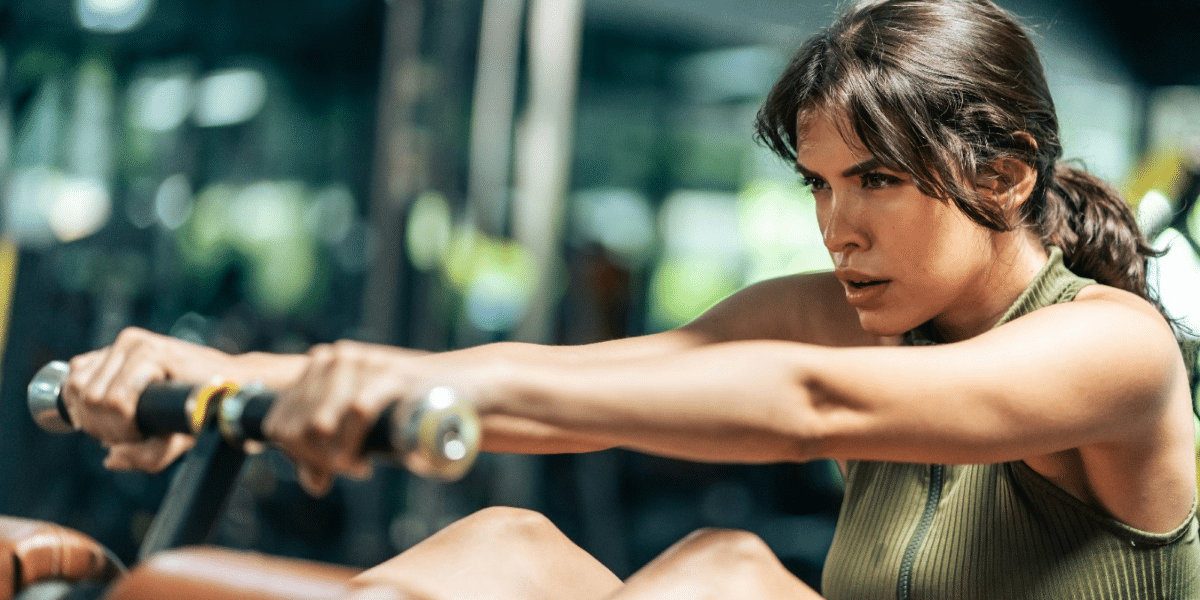
The body positivity movement has gained significant momentum in recent years, reshaping public perceptions of self-image and health. It promotes the idea that beauty should not be confined to a narrow standard, but celebrated in all its diversity. As conversations around body image become more open, the movement continues to influence how people approach wellness, confidence, and self-worth.
Body positivity encourages individuals, especially women, to challenge the idea that beauty must fit a certain mold. This growing acceptance of varied body types has moved beyond traditional media and is now thriving in social media spaces, where individuals are able to share stories and create representations that reflect a wider spectrum of bodies.
Understanding Body Positivity
At its core, body positivity is about challenging societal messages on appearance and promoting the belief that every body deserves respect, regardless of size, shape, or appearance. While its widespread popularity can be attributed to social media platforms, the concept is rooted in earlier movements that sought to end body-based discrimination and advocate for equal representation in media and advertising.
Importantly, body positivity is not about rejecting health or personal goals but about redefining what those goals mean. The movement encourages individuals to pursue physical and mental well-being while embracing their bodies as they are. It challenges the idea that beauty or worth should be tied to how someone looks and instead promotes the appreciation of what the body can do—its resilience, strength, and purpose.
The Role of Media in Shaping Body Image
For decades, media outlets, including magazines, television, and advertisements, have primarily depicted a narrow definition of beauty. This representation often excludes diverse body types, leading to feelings of inadequacy among those who do not fit these standards. These portrayals have contributed to widespread body dissatisfaction, particularly among women, and have fueled a cycle of negative self-image.
However, with the rise of social media, individuals now have the opportunity to share their stories, images, and experiences, pushing back against unrealistic portrayals of beauty. Digital platforms have become spaces for diverse body types, skin tones, and abilities to be represented, creating a more inclusive image of beauty. Campaigns and influencers emphasizing authenticity over perfection have helped shift the narrative toward greater acceptance.
Despite these positive changes, digital spaces can still exert pressure to conform to certain trends or ideals. It’s essential for individuals to recognize the difference between healthy inspiration and unhealthy comparison, as constant exposure to curated content can sometimes lead to unrealistic expectations.
The Mental Health Benefits of Body Positivity
Body positivity is not just about aesthetics—it also has significant mental health benefits. When individuals feel comfortable and confident in their own skin, they experience better emotional well-being. Studies have shown that a positive body image is linked to higher levels of self-esteem, improved mood, and reduced stress.
Conversely, negative body image can contribute to anxiety, depression, and unhealthy behaviors such as disordered eating or social withdrawal. By fostering self-compassion and focusing on functionality and resilience, body positivity helps individuals reframe their self-worth and develop healthier mental habits. Instead of harsh self-criticism, body positivity promotes acceptance and kindness, even in the face of challenges or imperfections.
Mental health professionals emphasize that body acceptance is an ongoing journey. It requires consistent practice and effort to move away from critical self-talk and to focus on what the body can do, rather than how it appears. Over time, this shift fosters resilience and a deeper connection to one’s body.
Body Positivity and Social Movements
The body positivity movement is intertwined with broader social justice efforts. It advocates for equal representation of all bodies in various sectors, including fashion, advertising, and entertainment. By pushing for greater inclusivity, the movement seeks to end body-based discrimination, creating a more equitable and diverse cultural landscape.
Organizations, influencers, and activists have been pivotal in advancing the message that beauty exists in variety. These efforts challenge industries to rethink how they portray bodies in their marketing and design, promoting the idea that beauty should not be defined by a single standard. Representation is key, as it helps individuals feel seen, valued, and respected, no matter their body type.
In addition, the movement emphasizes how body image intersects with other aspects of identity, such as race, gender, and disability. This intersectional approach brings attention to the ways in which body discrimination impacts marginalized groups, calling for greater fairness and inclusivity in public spaces.
Building Confidence Through Daily Practices
Incorporating body positivity into everyday life requires intentional effort. Simple actions—such as practicing positive self-talk, dressing in ways that make you feel confident, or setting boundaries with social media—can help build long-term confidence. It’s about embracing who you are and recognizing that your body is worthy of respect and care.
For many, taking time to engage in physical activities that promote well-being, like yoga, walking, or dancing, can deepen their connection to their body in affirming ways. These practices don’t focus on appearance but rather on feeling strong, energized, and capable. Body positivity encourages individuals to prioritize their mental and emotional health by shifting the focus from appearance to overall wellness.
Social support also plays a key role. Engaging in body-positive communities, whether online or offline, can provide encouragement, validation, and a sense of belonging. These groups help normalize diverse body types and offer a platform for people to share their stories and experiences, further breaking down the barriers of body shame.