Women's Journal

Recipes and Community: How Women’s Cooking Platforms Are Changing the Game

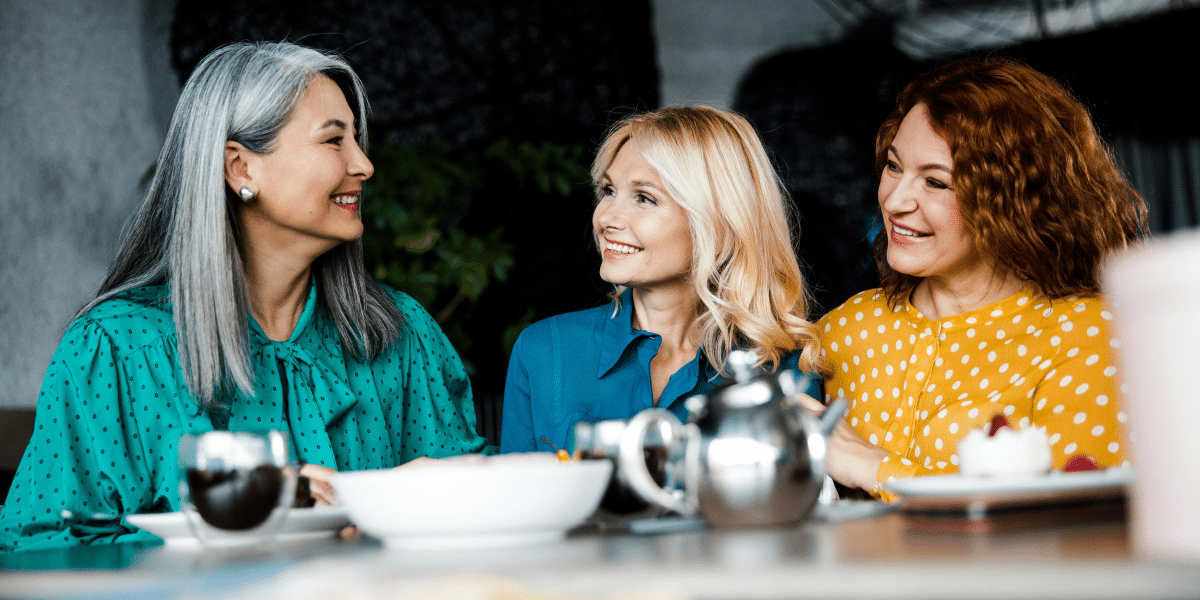
Today, many women are turning to online communities and platforms to share and discover recipes that suit their lifestyles. These digital spaces have become a vital resource for those looking to balance health-conscious eating with the demands of a busy schedule. Whether it’s quick and easy dinner ideas or specialized recipes for dietary needs like low-carb, gluten-free, or high-protein meals, these platforms offer support and inspiration. But why have these communities become so essential, and how do they cater to the unique needs of women in the kitchen?

In this article, we’ll explore the role of women’s cooking platforms, the types of recipes they share, and how these communities foster connections and provide valuable resources for women looking to make healthy and convenient meals.

Why Are Online Cooking Communities So Popular?

The rise of online cooking communities can be linked to several factors, but one of the most important is the growing desire for convenient and nutritious meal solutions. Many women juggle multiple responsibilities, from work to family, and finding time to prepare balanced meals can be challenging. These platforms provide a space for women to connect with others facing similar challenges, offering a sense of community and support while sharing quick and healthy recipes.

Women often seek out these communities because they offer a wide range of meal options that are both nutritious and easy to prepare. From 30-minute dinners to one-pot meals, the recipes shared on these platforms cater to busy lifestyles without compromising on health. What sets these communities apart is that they not only provide the recipes themselves but also include tips, hacks, and real-world experiences from other members, making it easier for users to incorporate healthy eating into their routines.

Another reason for their popularity is the inclusivity of dietary preferences and restrictions. In these communities, you can find recipes for all kinds of specialized diets—whether you’re looking for low-carb, gluten-free, or high-protein options. This makes it easier for women to meet their personal or family dietary needs without spending hours searching for specific recipes.

These platforms also foster an atmosphere of sharing and collaboration, where members can ask for advice, post questions about ingredients, or offer suggestions to improve a recipe. This sense of community is what keeps users engaged, and it makes the process of meal planning feel less isolating and more supportive.

What Types of Recipes Are Women Looking For?

The kinds of recipes shared in these online spaces are typically focused on being both healthy and convenient. Since many women are balancing full schedules, they often look for meals that don’t take hours to prepare but still provide the nutrition they need. This has led to a rise in recipes that prioritize simplicity without sacrificing flavor or health benefits.

Low-carb recipes are particularly popular in these communities, catering to those who want to reduce their intake of carbohydrates while still enjoying satisfying meals. Whether it’s zucchini noodles with pesto or a cauliflower crust pizza, these recipes offer alternatives to traditional carb-heavy dishes. For women aiming to stay fit or manage weight, low-carb options provide a solution that fits into their lifestyle while helping them meet their dietary goals.

Similarly, gluten-free recipes have gained traction, especially among women managing celiac disease or gluten sensitivities. In these communities, members share creative ways to adapt classic recipes to be gluten-free, whether through alternative flour, grains, or gluten-free pasta. Finding substitutes for gluten-filled favorites allows women with dietary restrictions to enjoy meals that are just as delicious as their traditional counterparts.

High-protein recipes are another common theme. As more women focus on maintaining a healthy, active lifestyle, high-protein meals have become a go-to for supporting muscle health, energy levels, and overall nutrition. These recipes often feature lean meats like chicken or turkey, plant-based proteins like chickpeas and lentils, or protein-packed snacks such as energy balls or smoothies. High-protein meals are especially important for women who are balancing busy days with fitness goals, as they provide sustained energy without requiring complicated ingredients or lengthy prep times.

Beyond these dietary-specific meals, quick and easy recipes are always in demand. Whether it’s a 20-minute stir-fry or an overnight oats recipe that can be prepared the night before, women are looking for ways to save time in the kitchen while still enjoying home-cooked meals. These fast recipes are essential for managing the chaos of day-to-day life, making it possible to eat well even when time is limited.

How Do Online Communities Empower Women in the Kitchen?

One of the most powerful aspects of online cooking communities is the way they empower women to take control of their health and nutrition. By providing access to a wide range of recipes and meal ideas, these platforms help women discover new ingredients, experiment with different cuisines, and tailor meals to their specific dietary preferences. The shared experiences of community members can also build confidence in the kitchen, offering practical solutions to common challenges like time management or cooking for picky eaters.

Many women find that these communities offer more than just recipes—they offer a sense of belonging. For women who are new to cooking or adjusting to a new diet, the wealth of knowledge shared in these spaces can be incredibly supportive. From tips on meal prepping to advice on the best kitchen tools, these communities act as a resource hub for anyone looking to make mealtime easier and healthier.

Additionally, the emphasis on healthy, mindful eating helps women feel good about the meals they’re preparing for themselves and their families. The focus is often on balance, encouraging a lifestyle that promotes both physical and mental well-being. Whether it’s finding a new favorite snack that fits into a specific diet or mastering a quick recipe that the whole family loves, these communities celebrate the joys of cooking and eating well.

The interactive nature of these platforms also allows for real-time feedback and improvements. Women can ask questions, get recommendations, and even share their own recipe adaptations, contributing to an ongoing dialogue about food and nutrition. This exchange of ideas and experiences makes cooking feel less like a chore and more like a shared journey toward healthier living.

Online cooking communities and platforms focused on women’s health and nutrition have created a space where women can share recipes, learn new techniques, and connect with others who have similar goals. From low-carb and gluten-free meals to high-protein options, the variety of recipes available caters to diverse dietary needs while still prioritizing quick and easy preparation.

These communities go beyond just offering meal ideas; they foster a supportive environment where women can share their culinary successes, seek advice, and build their confidence in the kitchen. As more women turn to these platforms for inspiration, the world of cooking is becoming more inclusive, empowering, and accessible to all.


Transformational Leadership: Leading Change and Driving Innovation

What is Transformational Leadership?

Transformational leadership is a dynamic approach to leadership that focuses on inspiring and motivating followers to achieve higher levels of performance and create positive change. In this article, we’ll explore what transformational leadership is, its key characteristics, and how it drives innovation and change within organizations.

Transformational leadership is a leadership style that emphasizes vision, inspiration, and empowerment. Unlike traditional forms of leadership that focus primarily on managing tasks and processes, transformational leaders inspire and motivate their followers to go above and beyond what is expected of them. They create a shared vision for the future, instill a sense of purpose and meaning in their followers, and empower them to achieve their full potential.

Key Characteristics of Transformational Leadership

Transformational leadership is characterized by several key traits and behaviors that set it apart from other forms of leadership:

1. Visionary Thinking

Transformational leaders have a clear and compelling vision for the future. They are able to articulate a bold and inspiring vision that energizes and motivates their followers to work towards a common goal.

2. Inspirational Motivation

Transformational leaders inspire and motivate their followers through their words and actions. They communicate their vision with passion and enthusiasm, instilling a sense of excitement and commitment in their followers.

3. Intellectual Stimulation

Transformational leaders encourage creativity and innovation among their followers. They challenge assumptions, encourage critical thinking, and foster an environment where new ideas are welcomed and explored.

4. Individualized Consideration

Transformational leaders are attentive to the needs and concerns of their followers. They take a personalized approach to leadership, providing support, guidance, and mentorship to help each individual reach their full potential.

Driving Innovation and Change

Transformational leadership is closely linked to innovation and change within organizations. Here’s how transformational leaders drive innovation and change:

1. Fostering a Culture of Innovation

Transformational leaders create an environment where innovation is valued and encouraged. They promote a culture of experimentation, risk-taking, and continuous improvement, inspiring their followers to think creatively and pursue new ideas.

2. Empowering Employees

Transformational leaders empower their employees to take ownership of their work and contribute to the organization’s goals. By delegating authority and providing autonomy, they create a sense of ownership and accountability that motivates employees to innovate and drive change.

3. Encouraging Collaboration

Transformational leaders foster collaboration and teamwork among their followers. They break down silos and promote cross-functional collaboration, bringing together diverse perspectives and expertise to solve complex problems and drive innovation.

4. Leading by Example

Transformational leaders lead by example, modeling the behaviors and values they want to see in their followers. They demonstrate a commitment to innovation and change through their actions, inspiring others to follow suit.

Transformational leadership is a powerful force for driving innovation and change within organizations. By inspiring and empowering their followers, transformational leaders create a culture of innovation where creativity flourishes, and new ideas are embraced. So whether you’re leading a small team or an entire organization, embrace the principles of transformational leadership and watch as your team achieves new heights of success and innovation.

Celebrating Fashion Trends for All Body Types

Embracing Diversity in Fashion:

Fashion is for everyone, and the world is embracing the beauty of diversity in women’s bodies. Let’s talk about inclusive styles that celebrate every woman’s uniqueness and make fashion a delightful experience for all.

Clothing for Real Women:

Inclusive fashion is about acknowledging that women come in all shapes and sizes. It’s a celebration of real bodies, recognizing that beauty is not confined to a particular body type.

Saying No to Stereotypes:

The days of rigid fashion norms are behind us. Inclusive styles challenge stereotypes, letting women express themselves authentically through clothing that complements their individuality.

Fashion Trends for Every Body:

1. Comfort Meets Chic:

Inclusive fashion is synonymous with comfort meeting chic. From flowing dresses to relaxed-fit jeans, the emphasis is on styles that make women feel at ease while looking fabulous.

2. Versatile Silhouettes:

The era of restrictive silhouettes is fading. Versatile styles accommodate various body shapes, allowing women to experiment with looks that suit their preferences and lifestyles.

3. Bold Colors for All:

Inclusive fashion embraces a vibrant palette. Bold colors are no longer reserved for specific sizes. Women of all sizes can confidently rock bright hues that express their personalities.

4. Celebrating Curves:

Curves are not hidden; they are celebrated. Inclusive fashion accentuates curves with styles that flatter, from well-designed dresses to jeans that hug in all the right places.

5. Inclusive Sizing:

One of the pillars of inclusive fashion is inclusive sizing. Brands are expanding their size ranges to ensure that every woman can find the perfect fit, fostering a sense of belonging in the world of fashion.

6. Adaptable Athleisure:

Athleisure is not just for a select few. Inclusive styles bring adaptable athleisure to all body types, making comfortable yet stylish activewear accessible to everyone.

The Beauty of Inclusive Fashion:

1. Boosting Confidence:

Inclusive fashion is a confidence booster. When women see styles that resonate with their bodies, it enhances their self-esteem and encourages a positive body image.

2. Fostering Self-Expression:

Fashion is a form of self-expression, and inclusive styles provide a platform for women to showcase their unique personalities through clothing that aligns with their tastes.

3. Empowering Choices:

Inclusive fashion empowers women to make choices based on what they love rather than adhering to predefined standards. It’s about choosing what makes them feel beautiful and confident.

4. Community Connection:

The rise of inclusive fashion creates a sense of community. Women from various walks of life can connect over a shared love for styles that celebrate diversity, fostering a supportive fashion community.

How to Embrace Inclusive Fashion:

1. Explore Diverse Brands:

Look for brands that champion inclusivity in their designs and sizing. Many labels are dedicated to providing a wide range of options for diverse body types.

2. Listen to Your Comfort:

Inclusive fashion is not just about looks; it’s about feeling comfortable. Listen to your body and choose styles that align with your comfort preferences.

3. Share Your Style Journey:

Embrace the power of social media to share your inclusive fashion journey. Your experiences and style choices can inspire and empower others.

4. Encourage Brands to Be Inclusive:

Support brands that prioritize inclusivity and let your voice be heard. Encourage the fashion industry to continue moving towards a more inclusive and diverse future.

Inclusive fashion is a celebration of the diverse beauty that women bring to the world. It’s about breaking free from old norms and embracing styles that honor every body. As we continue to see a shift towards inclusivity, let’s revel in the joy of fashion that truly speaks to and celebrates every woman, regardless of her shape or size. Fashion is a form of self-love, and inclusive styles are here to make every woman feel seen, valued, and beautiful.

Exploring Cultural and Historical Influences on Women’s Food Traditions

Food is much more than just sustenance; it is a reflection of culture, history, and identity. Across the world, food traditions among women are shaped by regional ingredients, unique cooking methods, and historical practices passed down through generations. These diverse culinary heritages offer not only nutritional value but also foster a sense of community and belonging. But how do cultural and historical influences shape women’s food traditions?

How Do Regional Ingredients and Cooking Methods Shape Food Traditions?

One of the most profound ways that food traditions vary across cultures is through the use of regional ingredients and distinct cooking techniques. The availability of local ingredients often defines the flavors and types of dishes that are part of a community’s cuisine. For example, women in Mediterranean countries often rely on olive oil, fresh vegetables, and seafood, while in Southeast Asia, ingredients like coconut milk, rice, and spices play a prominent role.

These ingredients not only define the flavors of a region but also carry symbolic meanings tied to culture and history. In many African countries, grains like millet or sorghum are not just staples of the diet but also represent resilience, as they can withstand harsh climates. Similarly, corn in Central and South America is more than just a food—it has cultural significance, symbolizing life and sustenance in Indigenous traditions.

Cooking methods also reflect the cultural context of a region. In South Asia, for example, women often prepare food using the tandoor oven, which imparts a distinct smoky flavor to bread and meats. In Japan, the art of sushi-making, with its emphasis on precision and balance, showcases how traditional methods can elevate simple ingredients into something culturally significant. Each of these cooking techniques is passed down from one generation of women to the next, keeping culinary traditions alive and relevant.

In many cases, women are the primary keepers of these food traditions, ensuring that the knowledge of ingredients and cooking methods continues within the family. Through cooking, women teach the younger generation not only how to prepare meals but also the cultural significance behind those dishes, reinforcing a strong sense of identity and connection to their heritage.

How Does History Influence Women’s Food Practices?

History plays a critical role in shaping food traditions, especially among women. Throughout history, food has been influenced by migration, trade, colonization, and other historical events, each leaving a lasting mark on culinary practices. For example, the introduction of spices from Asia during the colonial era drastically changed European cooking, leading to a rich tradition of spiced dishes that have become a hallmark of various European cuisines.

For women, food preparation has often been intertwined with survival and adaptation. In many cultures, women were responsible for finding ways to stretch limited resources during difficult times, such as war or economic hardship. This is reflected in traditional dishes that make the most of simple, affordable ingredients. In Italy, peasant food like polenta and pasta e fagioli (pasta and beans) originated from a need to create filling meals from basic ingredients, yet they have evolved into beloved cultural dishes that are still prepared by women today.

Moreover, historical practices such as preserving food—whether through drying, fermenting, or pickling—allowed communities to sustain themselves during periods of scarcity. Women often played a central role in these processes, ensuring their families could survive through winter months or during poor harvests. These preservation methods, while born out of necessity, have become culinary traditions that are still celebrated in modern kitchens.

Today, many women continue to honor these historical food practices, not just for their practicality but also as a way to connect with their past. For example, preparing a recipe that has been handed down from a grandmother or great-grandmother keeps family history alive. This connection to the past provides a sense of continuity and pride, as food traditions help women navigate the balance between preserving history and embracing modern influences.

Can Celebrating Culinary Heritages Build Community and Identity?

Food has always been a powerful tool for building community and identity. By preparing traditional dishes, women pass on cultural values, strengthen family ties, and celebrate their heritage with others. In many cultures, preparing and sharing food is a communal activity, bringing together families, friends, and neighbors.

In communities around the world, women often gather for shared cooking experiences, particularly during festivals or religious celebrations. These events are not only about the food itself but also about reinforcing bonds and celebrating shared cultural identity. Whether it’s making tamales for Christmas in Mexico or preparing large communal meals for Diwali in India, food traditions offer a way for women to come together and celebrate their culture through the act of cooking.

For many women, food is also a way to navigate and express their identity in multicultural settings. Immigrant women, for instance, often use their traditional food practices as a way to maintain a connection to their homeland while adapting to a new country. Preparing traditional dishes in a foreign land can provide comfort and a sense of home, while also introducing new generations to the cultural richness of their heritage.

Moreover, food has the ability to transcend borders and create cross-cultural connections. Cooking classes, food festivals, and online communities allow women from different backgrounds to share their culinary traditions with a wider audience, fostering a deeper appreciation for diverse food cultures. Through these interactions, women not only celebrate their own culinary heritage but also learn from others, broadening their understanding of global food traditions.

The cultural and historical influences on women’s food traditions are profound and varied. From the use of regional ingredients and cooking techniques to the impact of history and the role of food in building community, these culinary practices are deeply tied to identity and heritage. By celebrating and passing down these food traditions, women continue to keep their culture alive, while also embracing the power of food to bring people together. Whether through local gatherings or global platforms, food traditions remain a vital part of women’s connection to their past, present, and future.

Level Up Your Workouts: Best Fitness Tech Guide

How Are Fitness Trackers Enhancing Health Monitoring?

Fitness trackers have become popular tools for monitoring various health metrics. These devices, typically worn on the wrist, track activity levels, sleep patterns, heart rate, and even calorie intake. By providing real-time data, fitness trackers help individuals understand their health and make informed decisions about their lifestyle.

One of the primary benefits of fitness trackers is their ability to monitor daily activity levels. They count steps, measure distance traveled, and calculate calories burned. This information encourages users to stay active and achieve their daily fitness goals. Many trackers also offer reminders to move if you’ve been sedentary for too long, promoting a more active lifestyle.

Sleep tracking is another valuable feature. By analyzing sleep duration and quality, fitness trackers provide insights into sleep patterns and suggest ways to improve rest. Quality sleep is essential for overall health, and understanding sleep habits can lead to better health outcomes.

Heart rate monitoring is particularly beneficial for those with cardiovascular concerns. Fitness trackers can measure heart rate during different activities, helping users stay within their target heart rate zones for optimal exercise benefits. Some advanced models can even detect irregular heart rhythms, alerting users to potential health issues.

The integration of GPS tracking in many fitness trackers allows users to map their routes and track distances for activities like running and cycling. This feature is especially useful for those who enjoy outdoor workouts and want to measure their performance accurately.

Why Are Fitness Apps Becoming Indispensable?

Fitness apps have become indispensable for many fitness enthusiasts. These apps offer a wide range of features, including the ability to track progress, access workout routines, and connect with a fitness community. Whether you’re looking to lose weight, build muscle, or simply stay active, there’s likely a fitness app that suits your needs.

One of the primary advantages of fitness apps is the ability to track progress over time. Users can log workouts, track nutrition, and monitor improvements in strength and endurance. Many apps provide detailed analytics, allowing users to see their progress and stay motivated.

Access to a variety of workout routines is another significant benefit. Fitness apps offer routines for all fitness levels, from beginners to advanced athletes. Whether you prefer yoga, HIIT, weightlifting, or running, there are customized programs to follow. Many apps also include instructional videos and tips to ensure proper form and technique.

Fitness apps also facilitate community engagement. Users can join groups, participate in challenges, and share their achievements with friends. This sense of community provides motivation and support, making it easier to stay committed to fitness goals. Some apps even offer virtual classes and live-streamed workouts, bringing the gym experience into your home.

Nutrition tracking is an essential feature of many fitness apps. Users can log their meals, track macronutrient intake, and receive personalized diet recommendations. This holistic approach to fitness helps users achieve their health goals by combining exercise with proper nutrition.

How Is Smart Home Gym Equipment Transforming Workouts?

Smart home gym equipment is transforming the way people approach fitness. These advanced devices offer interactive and personalized workout experiences, making it easier to achieve fitness goals from the comfort of home. With the rise of smart technology, home gyms are becoming more sophisticated and accessible.

One of the key features of smart home gym equipment is real-time feedback. Devices like smart mirrors and connected weights can provide instant feedback on form and technique, helping users exercise safely and effectively. This is particularly beneficial for strength training, where proper form is crucial to prevent injury.

Personalization is another major advantage. Smart home gyms can tailor workouts to individual fitness levels and goals. By using data from fitness trackers and apps, these systems can create customized workout plans that adapt as users progress. This personalized approach ensures that workouts remain challenging and effective.

Many smart home gym devices offer interactive experiences. For example, some smart mirrors can stream live or on-demand classes, allowing users to follow along with professional trainers. These interactive sessions provide the motivation and structure of a gym class without the need to leave home.

Connectivity is a defining feature of smart home gyms. Devices can sync with fitness trackers, apps, and other smart equipment to provide a seamless fitness experience. This integration allows users to track all aspects of their fitness journey in one place, from exercise to sleep and nutrition.

Additionally, smart home gyms often come with virtual coaching. AI-driven trainers can guide users through workouts, offering personalized advice and adjustments. This technology brings the expertise of a personal trainer into the home, making high-quality fitness guidance more accessible.

The popularity of smart home gym equipment has increased, especially due to the convenience it offers. Busy schedules and the need for social distancing have made home workouts more attractive. With smart technology, users can enjoy a high-quality fitness experience without the constraints of gym hours or crowded facilities.

Understanding and Supporting Women’s Mental Health

Mental health is a crucial part of overall well-being, and for women, it comes with unique challenges and experiences. In this article, we’ll explore women’s mental health issues, how to support mental wellness for women, and where to find the best mental health support.

What Are Common Women’s Mental Health Issues?

Women experience a variety of mental health issues, some of which can be different from those faced by men. Hormonal changes, societal pressures, and unique life experiences play a significant role in shaping these challenges.

Depression and anxiety are among the most common mental health issues affecting women. They can be triggered by hormonal changes, such as those during pregnancy, menstruation, and menopause. Societal expectations and the pressure to balance multiple roles can also contribute to these conditions.

After childbirth, many women experience postpartum depression. This is more than just “baby blues.” It involves severe mood swings, exhaustion, and feelings of hopelessness. Support from family, friends, and healthcare providers is essential for recovery.

Eating disorders like anorexia, bulimia, and binge-eating disorder are more prevalent in women. These disorders often stem from body image issues and societal pressure to maintain a certain appearance. Early intervention and therapy can help in managing these conditions.

Women are more likely to experience PTSD (Post-Traumatic Stress Disorder) than men, often due to higher rates of sexual assault and domestic violence. PTSD can cause severe anxiety, flashbacks, and emotional numbness, requiring professional treatment.

How Can We Support Mental Wellness for Women?

Supporting mental wellness involves a combination of lifestyle changes, professional help, and a supportive environment. Here are some effective strategies.

Talking about mental health openly can reduce stigma and encourage women to seek help. Creating a safe space where women feel comfortable discussing their feelings is crucial.

Self-care is essential for mental wellness. Encouraging women to take time for themselves, engage in hobbies, exercise, and practice mindfulness can significantly improve their mental health. Simple activities like reading, walking, or taking a relaxing bath can make a big difference.

Access to professional mental health support is vital. This includes therapy, counseling, and sometimes medication. Encouraging women to seek professional help when needed is essential for managing mental health issues effectively.

Family and friends play a significant role in supporting women’s mental health. Being there for them, listening without judgment, and offering practical help can provide immense relief. Support groups, both in-person and online, can also offer a sense of community and understanding.

Many women juggle multiple roles, leading to stress and burnout. Encouraging a healthy work-life balance, flexible working hours, and understanding from employers can help women manage their responsibilities without compromising their mental health.

Where Can Women Find Mental Health Support?

Finding the right support is crucial for managing mental health. Here are some resources.

Therapists, counselors, and psychologists specialize in mental health issues and provide personalized care. Women can find these professionals through referrals, online directories, or community health centers.

Support groups offer a sense of community and shared experiences. These groups can be found through local organizations, hospitals, or online platforms. They provide a space to talk and share with others who understand similar struggles.

Many organizations offer hotlines and helplines for immediate support. These services are often available 24/7 and provide confidential help. Examples include the National Suicide Prevention Lifeline and local crisis centers.

There are numerous online resources, including websites, apps, and social media groups, dedicated to women’s mental health. These platforms offer information, self-help tools, and connections to professional services.

Community programs often provide mental health services, including counseling, workshops, and support groups. These programs can be found through local health departments, non-profits, and community centers.

How Can We Create Awareness About Women’s Mental Health?

Creating awareness about women’s mental health is crucial for breaking down stigma and encouraging support. Here are some ways to promote awareness.

Providing education about women’s mental health issues through workshops, seminars, and online content can help spread awareness. Knowledge about symptoms, treatments, and support options is empowering.

Participating in or supporting mental health advocacy and campaigns can bring attention to these issues. Campaigns during Mental Health Awareness Month or World Mental Health Day are great opportunities to raise awareness.

Sharing personal stories of mental health struggles and recovery can inspire others and reduce the stigma associated with mental health issues. Influencers, celebrities, and everyday people sharing their experiences can have a powerful impact.

Using social media platforms to share information, support resources, and personal stories can reach a wide audience. Hashtags, challenges, and collaborative posts can create a sense of community and support.

Partnering with mental health organizations to host events, fundraisers, and awareness campaigns can amplify the message. These partnerships can provide additional resources and support for those in need.

In conclusion, understanding and supporting women’s mental health is essential for overall well-being. By recognizing common issues, providing support, and creating awareness, we can help women lead healthier, happier lives.

The Rare Overlap of Hanukkah and Christmas Explained

Why Hanukkah and Christmas Overlap Rarely: A Calendar Deep-Dive

For many, the holiday season brings warm traditions, glowing lights, and festive gatherings. But every so often, something fascinating occurs: Hanukkah and Christmas overlap, creating a unique intersection of two major holidays. While this overlap feels like a rare occurrence, there’s a deeper reason behind it—one tied to the calendars that govern these celebrations.

Read Also: Solo Female Travel: Safe and Empowering Adventures

Hanukkah, rooted in Jewish history and tradition, follows the Hebrew lunar calendar, while Christmas adheres to the widely used Gregorian solar calendar. The differences in these systems create a complex dance of dates that rarely align perfectly. Let’s explore why these two holidays don’t often share the same week and how this reflects the intricate relationship between lunar and solar timekeeping.

What Determines Hanukkah’s Date?

Hanukkah, the Jewish Festival of Lights, is celebrated for eight nights and days starting on the 25th day of the Hebrew month of Kislev. Unlike the Gregorian calendar, which is based on the Earth’s revolution around the Sun, the Hebrew calendar combines lunar and solar cycles. Months in the Hebrew calendar are determined by the phases of the moon, making each month 29 or 30 days long.

Since the lunar year is approximately 11 days shorter than the solar year, the Hebrew calendar incorporates a leap month—called Adar II—seven times every 19 years. This adjustment ensures that Jewish holidays remain tied to their respective seasons. Without this leap month, Hanukkah could drift further back in the year, eventually landing in early autumn or even summer. The interplay of this leap month with the Gregorian calendar explains why Hanukkah’s dates shift annually, sometimes beginning in late November and other times stretching into late December.

In contrast, Christmas is celebrated on December 25 every year, according to the fixed Gregorian calendar. This fixed date means that while Christmas remains stable, Hanukkah’s shifting timeline creates the illusion of unpredictability.

Why Don’t Hanukkah and Christmas Overlap Every Year?

The rarity of Hanukkah and Christmas overlapping lies in the relationship between the two calendar systems. Because the Gregorian solar calendar operates independently of the lunar cycles, the two calendars align only periodically. Each time the Hebrew calendar’s leap month is added, it shifts Jewish holidays later in the Gregorian year, temporarily widening the gap between Hanukkah and Christmas.

For instance, Hanukkah might fall entirely in early December or even overlap with Thanksgiving during some years. When the leap month is not added, however, the holiday moves slightly earlier, increasing the chances of coinciding with Christmas. This constant adjustment is why the overlap happens only sporadically—often once every few decades.

One of the most recent overlaps occurred in 2016, when the first night of Hanukkah coincided with Christmas Eve. Before that, a similar overlap happened in 2005. However, projections show that the next overlap won’t occur until 2024. These gaps underscore the long-term cycles that dictate the relationship between these two holidays.

How Does This Overlap Impact Communities?

When Hanukkah and Christmas align, it creates a unique opportunity for interfaith families and communities to celebrate both traditions together. The shared timing fosters an environment of unity and mutual understanding, as menorahs are lit alongside Christmas trees and families blend customs from both faiths. For many, this overlap is a reminder of the richness and diversity of the holiday season, encouraging shared meals, songs, and cultural exchanges.

However, the overlap can also present logistical challenges, particularly for those who observe one holiday more strictly. Synagogues and Jewish organizations often plan their Hanukkah events independently of Christmas-related festivities, and overlapping schedules may require adjustments to ensure both holidays are honored appropriately.

Still, many communities embrace the overlap as a chance to learn from one another. For example, schools with interfaith student bodies often use the occasion to teach students about the historical and cultural significance of both holidays, fostering inclusivity and appreciation for diversity.

What Does This Say About Calendars and Culture?

The infrequent overlap of Hanukkah and Christmas is a fascinating example of how calendars shape our perception of time and culture. The Gregorian calendar, rooted in solar cycles, reflects a world organized by predictable seasons and fixed dates. In contrast, the Hebrew calendar, with its lunar rhythm, emphasizes cycles of renewal and adaptation. These differences not only highlight the diversity of timekeeping systems but also reflect broader cultural values.

Read Also: Discover the Benefits of HIIT for Women’s Health and Fitness

In many ways, the overlap reminds us that holidays, while governed by calendars, are ultimately about connection and meaning. Whether celebrated separately or together, Hanukkah and Christmas offer a moment to pause, reflect, and share joy with loved ones. The rarity of their alignment only adds to the specialness of this festive season.

How to Plan a Memorable Micro Wedding on a Budget

Micro weddings are becoming increasingly popular as couples opt for smaller, more intimate celebrations that focus on what truly matters. These scaled-down weddings offer a unique opportunity to create a meaningful and budget-friendly ceremony without sacrificing the special moments that make a wedding day unforgettable. If you’re considering a micro wedding, this guide will help you understand how to plan an event that reflects your love and style while keeping things simple and cost-effective.

What Is a Micro Wedding and Why Is It Trending?

A micro wedding is a small-scale wedding ceremony that typically includes fewer than 50 guests. Unlike traditional weddings, which can be large and elaborate, micro weddings focus on intimacy and personalization. This trend has gained popularity in recent years as more couples seek to prioritize their closest relationships and reduce the stress and expenses often associated with larger events.

One of the main reasons micro weddings are trending is the desire for a more meaningful celebration. Couples are increasingly choosing to surround themselves with only their closest family and friends, allowing for a more personal and heartfelt experience. This smaller guest list not only makes the event more manageable but also allows couples to spend quality time with each guest, something that can be challenging at larger weddings.

Another factor contributing to the rise of micro weddings is the ability to save money without compromising on the overall experience. By hosting a smaller event, couples can allocate their budget more efficiently, focusing on the aspects of the wedding that matter most to them. This could mean spending more on a beautiful venue, high-quality food, or personalized details that reflect their personalities. The flexibility of a micro wedding makes it easier to create a day that feels special and unique, even on a tighter budget.

The current global climate has also played a role in the popularity of micro weddings. With social distancing measures and travel restrictions in place, many couples have found that a smaller wedding is not only a safer option but also a more practical one. This shift has encouraged couples to think creatively about how they can celebrate their love in a way that feels authentic and memorable, even with fewer people in attendance.

How Can You Create a Meaningful Micro Wedding?

Creating a meaningful micro wedding is all about focusing on the elements that truly matter to you and your partner. With a smaller guest list, you have the freedom to personalize every aspect of your wedding, ensuring that each detail reflects your love story and values. Start by considering what is most important to you both—whether it’s the location, the vows, the decor, or the food—and build your wedding around these key elements.

Choosing a unique and meaningful venue is one way to make your micro wedding special. Since you’ll have fewer guests, you can consider locations that may not be feasible for larger events. This could be a family home, a favorite vacation spot, or a beautiful outdoor setting that holds sentimental value. The intimacy of a micro wedding allows you to select a venue that is deeply personal, creating a backdrop for your ceremony that feels both special and significant.

Personalizing your ceremony is another way to add meaning to your micro wedding. With a smaller group of guests, you can craft a ceremony that truly reflects your relationship. Consider writing your own vows, incorporating traditions that are meaningful to you, or involving your closest loved ones in the ceremony in a special way. The flexibility of a micro wedding allows you to create a ceremony that is truly yours, free from the constraints of a larger, more formal event.

When it comes to the reception, focus on quality over quantity. A micro wedding gives you the opportunity to indulge in details that might be out of reach with a larger guest list. This could mean serving a gourmet meal, offering a curated selection of wines, or providing thoughtful favors that guests will cherish. By concentrating on the details that matter most to you, you can create a reception that feels luxurious and intimate, even with a limited budget.

How Can You Plan a Budget-Friendly Micro Wedding?

One of the biggest advantages of a micro wedding is the potential to save money while still creating a beautiful and memorable event. With fewer guests to accommodate, you can allocate your budget more strategically, focusing on the elements that are most important to you and your partner. Here are some tips on how to plan a micro wedding that is both budget-friendly and full of meaningful touches.

Start by setting a clear budget and prioritizing your spending. Determine what aspects of your wedding are non-negotiable, whether it’s the venue, the food, the photographer, or the attire. Allocate a portion of your budget to these key elements, and then look for ways to save on other areas. For example, you might choose to DIY your decorations, opt for a digital invitation, or keep the floral arrangements simple yet elegant.

Consider the timing of your wedding as well. Hosting your micro wedding on a weekday or during the off-season can result in significant savings on venues and vendors. Additionally, with fewer guests, you can be more flexible with your choices, allowing you to take advantage of deals or special offers that might not be available for larger events.

Another way to save money on your micro wedding is by getting creative with your catering. Instead of a traditional sit-down dinner, consider a more casual dining experience, such as a buffet, food trucks, or a family-style meal. This approach can reduce costs while still providing a delicious and enjoyable dining experience for your guests. You can also opt for a smaller cake or even a dessert table with a variety of sweet treats, which can be a more affordable and fun option.

Finally, don’t be afraid to ask for help. With a smaller guest list, it’s easier to involve your loved ones in the planning and execution of your wedding. Whether it’s a friend who’s a talented baker, a family member with a knack for floral arrangements, or a cousin who’s great with a camera, leveraging the skills of your inner circle can help you save money while adding a personal touch to your celebration.

Micro weddings offer a unique and intimate way to celebrate your love, focusing on the moments that matter most while keeping your budget in check. By prioritizing personalization, choosing meaningful venues, and getting creative with your planning, you can create a wedding that feels special, memorable, and true to who you are as a couple. Whether you’re drawn to the idea of a smaller celebration for its cost-effectiveness, its intimacy, or its flexibility, a micro wedding allows you to craft a day that reflects your love story in the most meaningful way.

Let’s Get Moving: Simple Tips for Exercise and Feeling Good

Why Moving is Important for Women

Moving your body is like giving it a big hug. It helps you stay healthy, happy, and full of energy. In this guide, we’ll talk about easy ways to exercise that are perfect for women. No need for confusing words or fancy equipment – just simple steps to keep you moving and feeling awesome.

Moving around is like having a superhero inside you. It makes your muscles strong, keeps your heart happy, and even makes you feel better. For women, moving is extra good because it helps with strong bones, managing stress, and dealing with periods. Let’s talk about how you can make moving work for you.

The best kind of exercise is the one that makes you happy. Whether you like dancing, walking, or trying out a fun class, find what makes you smile and keep doing it. Doing a little bit regularly is better than a lot once in a while.

Get Strong: Lifting Things is Cool

Lifting heavy things is not just for super-strong people. It’s a great way for women to make muscles strong, keep bones healthy, and boost how many calories your body burns. You don’t need big weights; even using bottles of water or stretchy bands works. Start with a few tries and add more as you get stronger.

Cardio exercises make your heart strong and keep you full of energy. You don’t have to run a race – things like fast walking, riding a bike, or dancing count as cardio. Try to do at least 30 minutes a day, and remember, every bit helps.

Stretch and Feel Good: Like a Cat Waking Up

Stretching is like waking up your body. It helps you stay flexible, prevents hurting yourself, and keeps your muscles feeling nice. Try easy stretches like reaching up high or touching your toes. It’s a great way to start or finish your exercise time.

Having a strong tummy helps your whole body. It supports your back, makes you stand up straight, and makes everyday things easier. You don’t need to do hard tummy exercises – simple moves like holding yourself up or lifting your legs a little can do the trick.

Rest and Take It Easy: Your Body Needs a Break

Resting is just as important as moving. If you feel tired, it’s okay to take a break. Rest helps your muscles get strong again, stops you from getting hurt, and makes sure you have energy for the next time you move.

Moving is good for you no matter how old you are. If you’re a teenager or a grandma, there’s an exercise for you. If you’re pregnant, gentle exercises like yoga or easy walks are great. Going through menopause? Doing things to make your muscles strong is helpful.

Make It a Part of Your Day

Exercise is not just a job; it’s part of your day. Find small ways to move more – take the stairs, go for a walk after dinner, or dance in your living room. The more you make moving a part of your life, the more fun it becomes.

Every little thing you do is a win. Celebrate when you finish exercising, lift something heavier, or just feel more awake. Being happy about what you achieve keeps you excited to keep moving.

Exercising for women is not hard or scary. It’s about finding joy in moving, doing things that make you feel good, and taking care of yourself. So, put on your comfy shoes, dance to your favorite music, and remember – every little move brings you closer to feeling awesome and happy.

Why Ultra-Contemporary Art Is Shaping Culture

In recent years, a wave of ultra-contemporary artists has redefined the boundaries of creativity. These artists are reshaping the art world with innovative approaches to traditional mediums, groundbreaking concepts, and reflections of today’s social and cultural landscapes. Their work resonates deeply with a global audience, making them essential figures to watch. Understanding their contributions offers a glimpse into the future of art and its role in contemporary society.

Read Also: How to Plan a Memorable Micro Wedding on a Budget

What Defines an Ultra-Contemporary Artist?

Ultra-contemporary artists are individuals whose careers have gained momentum within the last decade. Their work often reflects the current zeitgeist, addressing themes like identity, technology, and environmental issues. They embrace a variety of mediums, from painting and sculpture to digital installations and performance art.

A defining characteristic of these artists is their ability to challenge established norms. They prioritize experimentation, pushing the boundaries of their chosen mediums to create fresh, thought-provoking works. Their pieces often spark conversations about the evolving role of art in society, serving as both a reflection and critique of the modern world.

The globalized nature of today’s art market has further amplified the reach of ultra-contemporary creators. With social media platforms like Instagram and TikTok, they connect directly with audiences, bypassing traditional gatekeepers such as galleries or museums. This accessibility not only broadens their influence but also democratizes the art world, giving rise to diverse voices that were historically underrepresented.

How Do Ultra-Contemporary Artists Innovate in Their Mediums?

One of the most exciting aspects of ultra-contemporary art is the innovative use of materials and technology. Artists like Refik Anadol have gained recognition for their immersive digital installations, blending data and artificial intelligence to create mesmerizing experiences. His works explore the intersection of technology and emotion, redefining how art can interact with its audience.

Another example is Cecilia Vicuña, whose installations incorporate natural and recycled materials. Her art highlights pressing environmental concerns, urging viewers to reconsider their relationship with nature. By transforming seemingly ordinary objects into profound statements, she demonstrates how contemporary art can inspire change.

Performance art has also seen a resurgence. Artists like Tino Sehgal challenge traditional gallery spaces by incorporating live performers into their exhibitions. His works often blur the lines between artist, performer, and audience, creating experiences that are as thought-provoking as they are ephemeral.

The rise of NFTs (Non-Fungible Tokens) has further expanded the definition of what constitutes art. Digital artists like Beeple have achieved unprecedented success by leveraging blockchain technology to sell their creations. While this medium remains polarizing, it underscores the willingness of ultra-contemporary artists to experiment with cutting-edge tools.

Why Are Ultra-Contemporary Artists Important to Cultural Conversations?

Ultra-contemporary artists often address themes that resonate with today’s social and political climate. Their work serves as a mirror to society, highlighting issues that demand attention and dialogue. For instance, Kehinde Wiley, known for his vibrant portraits of Black individuals, challenges traditional narratives of art history by reimagining classical works with modern subjects. His paintings are not just visually stunning but also deeply symbolic, shedding light on issues of representation and identity.

Similarly, Toyin Ojih Odutola uses drawing and painting to explore personal and cultural histories. Her richly textured works delve into themes of race, gender, and familial ties, inviting viewers to engage with layered narratives that challenge preconceived notions.

The focus on cultural and environmental issues has become a hallmark of ultra-contemporary art. Artists like Zaria Forman, whose hyper-realistic pastel drawings capture the effects of climate change on polar regions, use their platforms to raise awareness about urgent global challenges. These works transcend the traditional boundaries of art, functioning as tools for education and activism.

The accessibility of these artists, bolstered by social media and online exhibitions, allows them to connect with audiences on a deeper level. Their willingness to tackle difficult subjects makes their work more than just aesthetic; it becomes a vehicle for meaningful conversations that resonate globally.

How Are These Artists Redefining the Art Market?

The rise of ultra-contemporary artists has brought significant changes to the art market. Traditional galleries and auction houses are increasingly showcasing the work of emerging creators, reflecting a growing demand for fresh perspectives. The popularity of art fairs like Art Basel and platforms like Artsy has also elevated these artists, offering them exposure to collectors and institutions worldwide.

Social media plays a pivotal role in this transformation. Platforms like Instagram allow artists to build their own brands, connect with collectors, and even sell their work directly. This shift disrupts the conventional reliance on galleries and curators, giving artists greater autonomy over their careers.

The market’s interest in ultra-contemporary art is also driven by its ability to reflect the current cultural moment. Collectors and investors are drawn to works that feel relevant and timely, often prioritizing pieces that address pressing issues or incorporate innovative techniques. This demand has led to record-breaking sales for many ultra-contemporary artists, further solidifying their impact on the global art scene.

Why Should You Follow Ultra-Contemporary Artists?

Exploring the work of ultra-contemporary artists offers a window into the evolving nature of art and its role in society. These creators challenge viewers to think critically about the world around them, using their work as a platform for reflection and dialogue. Their bold experimentation with mediums and themes ensures that their contributions will influence future generations of artists.

Read Also: Practical Stress Relief Techniques for Women’s Mental Wellness

By following these artists, you not only gain insight into the cutting edge of creativity but also engage with cultural movements that shape our collective experience. Their work reminds us that art is not just a reflection of society—it is a force that can inspire change.