Women's Journal

The Ultimate Guide to Raising Healthy Children


Child health is a top priority for every parent and caregiver. Ensuring that children grow up in a healthy environment is vital not just for their physical well-being, but also for their emotional and social development. In 2024, the focus on child health continues to grow as families navigate various challenges and strive to maintain a balanced lifestyle. This article explores key aspects of child health, from nutrition to mental well-being, providing actionable tips for ensuring your child’s overall health and well-being.

What Are the Key Factors in Maintaining Optimal Child Health?

Optimal child health doesn’t only stem from regular visits to the doctor. It involves several interconnected factors that work together to support a child’s growth and development. First and foremost, nutrition plays a pivotal role. A balanced diet with the right amount of vitamins, minerals, and nutrients helps support a child’s immune system and contributes to healthy growth. Parents should aim to provide a variety of whole foods, including fruits, vegetables, whole grains, lean proteins, and healthy fats, while limiting sugary snacks and processed foods.

Beyond physical health, emotional and mental well-being is just as important for children’s overall development. In 2024, experts are emphasizing the importance of fostering a child’s emotional intelligence and creating a supportive environment at home. Encouraging positive relationships, open communication, and resilience can help children cope with stress and adapt to life’s challenges. As mental health continues to be a major focus, ensuring children have access to resources such as counseling or support groups can be invaluable.

In addition to emotional well-being, physical activity is another critical factor. Active play helps children build muscle strength, coordination, and cardiovascular health. Whether it’s outdoor activities, organized sports, or even simple activities like walking or biking, staying active is essential to a child’s health.

How Can Parents Foster Healthy Habits in Their Children?

Fostering healthy habits early on can set children up for a lifetime of well-being. One of the most effective ways to encourage healthy behaviors is by leading by example. Children tend to mimic the behaviors they see in their caregivers. If parents demonstrate healthy eating habits, regular physical activity, and a focus on mental health, children are more likely to adopt similar habits.

Creating a consistent routine is also crucial for healthy development. Having set times for meals, physical activities, and rest ensures children’s bodies and minds are nourished and rested, contributing to better overall health. Parents should ensure that their children get sufficient sleep—experts recommend that children between 6-12 years old get 9-12 hours of sleep each night. Adequate rest is essential for brain development, mood regulation, and overall well-being.

Another vital aspect of fostering healthy habits is teaching children about the importance of hygiene. From handwashing to brushing teeth regularly, these simple habits can prevent illness and contribute to better health. Engaging children in fun ways to learn about hygiene, like singing songs while washing hands, can make the process enjoyable and educational.

Why Is Mental Health an Essential Aspect of Child Health?

Mental health is one of the most important—and often overlooked—aspects of child well-being. Children are more vulnerable than ever to issues such as anxiety, depression, and stress. Studies show that mental health disorders in children have been on the rise in recent years, partly due to the pressures of social media, academic expectations, and global events. Therefore, parents must prioritize mental health alongside physical health.

Encouraging an open dialogue about emotions is a critical first step in supporting a child’s mental health. Children should feel safe expressing their feelings without fear of judgment. Mindfulness practices, such as deep breathing exercises or meditation, can also be helpful tools in managing stress and anxiety. Parents and caregivers can model these techniques and make them a part of daily life to promote mental wellness.

Access to professional support is essential for children facing mental health challenges. In many communities, school counselors, therapists, and pediatric psychologists are available to help children navigate tough emotions or developmental hurdles. Professional guidance can provide children with the coping skills needed to manage their mental well-being effectively.

How Does Technology Impact Child Health in 2024?

As technology becomes an increasingly significant part of children’s lives, it’s essential to understand its impact on both physical and mental health. In 2024, screen time continues to be a major concern for parents and health experts alike. Prolonged exposure to screens—whether for entertainment, social media, or educational purposes—can have negative effects on children’s physical and mental health.

Experts recommend that children aged 2-5 have no more than one hour of screen time per day, while children 6 years and older should be encouraged to engage in other activities that promote physical activity and social interaction. Excessive screen time can contribute to issues such as sleep disturbances, obesity, and social isolation. Balancing screen time with physical play, family activities, and outdoor exploration is key to maintaining a healthy lifestyle for children.

Technology can also offer benefits, such as educational tools that help with learning or apps that encourage physical activity. The key lies in moderation and ensuring that technology use is balanced with healthy, real-world activities.

What Are the Long-Term Benefits of Prioritizing Child Health?

When parents and caregivers prioritize child health in the early years, the benefits can last a lifetime. Children who develop healthy habits in childhood are more likely to continue these habits as they grow older. Regular physical activity, balanced nutrition, and a focus on mental well-being help to prevent chronic diseases such as obesity, diabetes, and heart disease later in life. Additionally, fostering emotional intelligence and good coping mechanisms will allow children to navigate the challenges of adulthood more successfully.

Prioritizing child health also has long-term societal benefits. Healthy children are more likely to perform well academically and socially, contributing to stronger communities and better overall health outcomes in adulthood. By focusing on prevention and supporting a child’s holistic well-being, parents and caregivers can help raise future generations that thrive both physically and emotionally.

Aging Gracefully: Embracing the Beauty of Growing Older

Embracing Change

Aging is a natural and inevitable part of life’s journey, yet it is often accompanied by fear, apprehension, and societal pressures to defy the signs of aging. However, growing older should not be viewed as a decline or loss of vitality, but rather as an opportunity for growth, wisdom, and self-discovery. In this article, we’ll explore the concept of aging gracefully and how embracing the beauty of growing older can lead to a more fulfilling and enriched life.

Embracing the beauty of aging begins with acceptance – accepting the changes that come with growing older, both externally and internally. Instead of fighting against the natural aging process, embrace the wrinkles, gray hair, and other physical signs of aging as symbols of a life well-lived and experiences accumulated over time.

Growing older offers an opportunity for self-reflection and introspection, allowing individuals to gain a deeper understanding of themselves, their values, and their priorities in life. Take the time to reflect on your accomplishments, life lessons, and the journey that has led you to where you are today, and celebrate the wisdom and resilience that come with age.

Cultivating Inner Beauty

Prioritize self-care and holistic well-being as you age, focusing on nourishing your body, mind, and spirit. Engage in activities that bring you joy, whether it’s practicing yoga, spending time in nature, or pursuing creative hobbies. Taking care of yourself from the inside out will not only enhance your physical health but also radiate a sense of inner beauty and vitality.

Cultivate a positive mindset and outlook on aging, reframing negative stereotypes and perceptions of growing older. Instead of viewing aging as a decline, embrace it as a period of growth, renewal, and transformation. Focus on the opportunities and possibilities that come with age, rather than dwelling on limitations or regrets.

Embrace the opportunity for reinvention and exploration as you age, pursuing new interests, passions, and goals that align with your values and aspirations. Whether it’s starting a new career, traveling to new destinations, or learning a new skill, embrace the freedom and autonomy that come with age to reinvent yourself and create a life that is meaningful and fulfilling.

Embracing Life’s Phases

Cultivate meaningful connections and relationships with others as you age, fostering a sense of community, belonging, and mutual support. Surround yourself with loved ones who uplift and inspire you, and cherish the moments shared with family and friends. Aging gracefully is not a solitary journey but rather a collective experience enriched by the bonds we form with others along the way.

Aging gracefully is about embracing the beauty of growing older with grace, dignity, and resilience. It’s about accepting the changes that come with age, cultivating inner beauty and well-being, and embracing life’s phases with optimism and enthusiasm. By reframing our perceptions of aging and celebrating the wisdom, experience, and vitality that come with age, we can embark on a journey of self-discovery and personal growth that leads to a more fulfilling and enriched life. So, let us embrace the beauty of growing older and embrace each day as an opportunity to thrive, evolve, and live life to the fullest.

Summer Fitness Routines: Outdoor Workouts, Home Exercises, and Yoga for Relaxation

Summer is the perfect time to refresh your fitness routine and enjoy the warmer weather. Whether you prefer working out outdoors, staying fit at home, or incorporating yoga and meditation for relaxation, there are plenty of options to keep you active and healthy. This article explores various summer fitness routines that cater to different preferences and fitness levels.

What Are Some Fun Outdoor Workout Ideas?

Embracing the great outdoors for your workouts can make exercise more enjoyable and refreshing. One popular outdoor workout is running or jogging. Many parks and trails offer scenic routes that can make your run more interesting and less monotonous. Early mornings or late evenings are ideal times to run, as the temperatures are cooler, making it more comfortable.

Cycling is another excellent outdoor workout. Whether you prefer road biking, mountain biking, or just a leisurely ride around your neighborhood, cycling can be a fun way to improve cardiovascular health and strengthen your legs. Many cities have dedicated bike lanes and trails, making it a safe and accessible option for all fitness levels.

Outdoor boot camps are a fantastic choice for those who enjoy a group setting. These classes typically involve a mix of cardio, strength training, and flexibility exercises, all conducted in an open-air environment. The social aspect of boot camps can provide motivation and make the workout feel less like a chore.

Swimming is another great option, especially during the hot summer months. Whether you have access to a pool, lake, or the ocean, swimming provides a full-body workout that is easy on the joints. It’s an excellent way to stay cool while getting some exercise.

How Can You Stay Fit with Home Workouts?

Home workouts have become increasingly popular, offering convenience and flexibility. With just a few pieces of equipment, or even none at all, you can maintain a fitness routine without stepping foot in a gym. One effective home workout option is bodyweight exercises. These exercises, such as push-ups, squats, and lunges, can be done anywhere and require no equipment. They are great for building strength and endurance.

High-intensity interval Training (HIIT) is another popular home workout. HIIT involves short bursts of intense exercise followed by brief rest periods. This type of workout is highly effective for burning calories and improving cardiovascular fitness in a short amount of time. Many online HIIT workout videos are available that cater to all fitness levels.

For those who have some basic equipment, resistance bands and dumbbells can add variety to your home workouts. Resistance bands are versatile and portable, making them ideal for a range of exercises targeting different muscle groups. Dumbbells can be used for strength training exercises such as bicep curls, tricep extensions, and shoulder presses.

Online fitness classes are also a great resource for home workouts. Many fitness instructors and gyms offer virtual classes that you can follow along with from the comfort of your home. From cardio dance classes to strength training and Pilates, there are endless options to choose from.

Why Should You Include Yoga and Meditation in Your Routine?

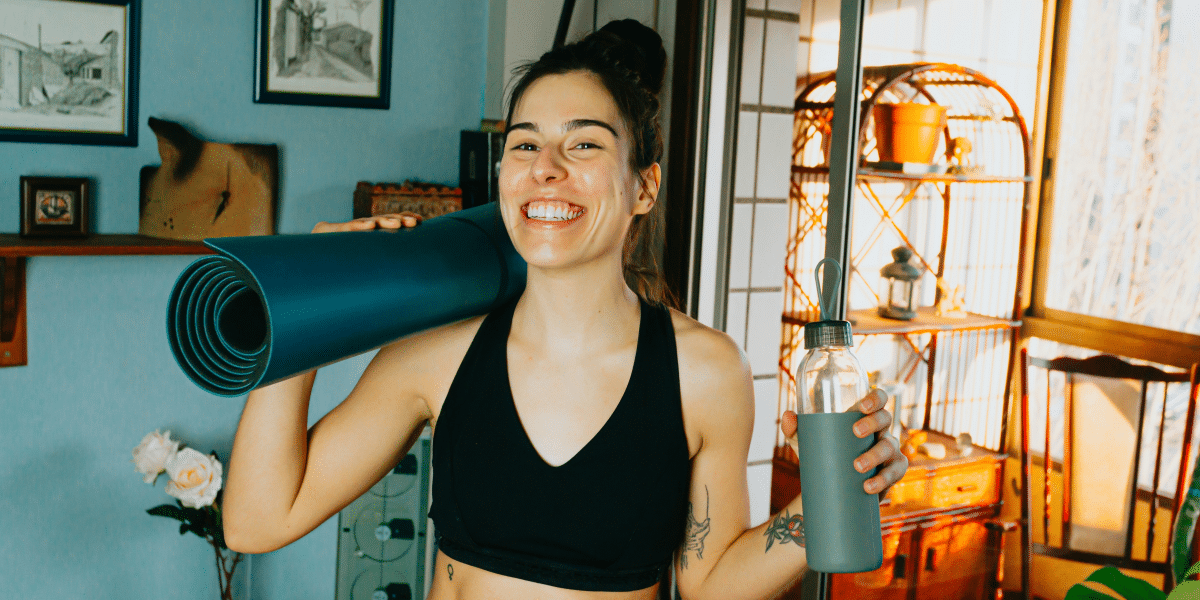
Yoga and meditation are excellent additions to any fitness routine, providing both physical and mental benefits. Practicing yoga can improve flexibility, strength, and balance. It also promotes relaxation and stress relief, making it a perfect complement to more intense workouts.

One of the benefits of yoga is its accessibility. You don’t need a lot of space or equipment—just a mat and some comfortable clothing. There are various styles of yoga to suit different needs and preferences. For a more vigorous workout, try Vinyasa or Power Yoga, which involve dynamic sequences that build strength and increase heart rate. For a more relaxing and restorative practice, Yin or Hatha Yoga can be beneficial.

Meditation, often incorporated into yoga practice, can also be done on its own. Taking a few minutes each day to meditate can help reduce stress, improve focus, and promote a sense of calm. Guided meditation apps and videos can provide structure and support, especially for beginners.

Incorporating yoga and meditation into your summer fitness routine can help balance more intense physical activities. It encourages mindfulness and body awareness, which can enhance overall well-being.

Summer offers a wonderful opportunity to diversify your fitness routine with outdoor activities, home workouts, and yoga practices. Whether you’re running through a park, lifting weights at home, or practicing yoga in your living room, there are numerous ways to stay active and healthy. Embrace the season by trying new workouts, enjoying the fresh air, and taking time to relax and rejuvenate.

Nurturing Your Well-Being: A Simple Guide to Women’s Sexual Health and Wellness

Understanding Your Body

Taking care of your sexual health is an essential part of overall well-being. In this guide, we’ll explore straightforward and practical ways for women to prioritize their sexual health and wellness. No need for complicated terms or jargon – just simple steps to help you embrace a holistic approach to your sexual well-being.\

Knowing your own body is the first step to sexual well-being. Take time to explore and understand your anatomy. This knowledge not only enhances your self-awareness but also contributes to a positive relationship with your body.

Communication is key in any relationship, especially when it comes to sexual health. Have open and honest conversations with your partner about desires, boundaries, and any concerns. A supportive and understanding dialogue fosters a healthier and more enjoyable sexual connection.

Just like any other aspect of your health, regular check-ups are crucial for your sexual well-being. Schedule routine visits to your healthcare provider for screenings, vaccinations, and general sexual health assessments. These check-ups help detect and address any potential issues early on.

Safe Practices

Practicing safe sex is essential for both your physical and emotional well-being. Whether you’re in a committed relationship or exploring new connections, using protection, such as condoms, helps prevent sexually transmitted infections (STIs) and supports a worry-free sexual experience.

Your mental and emotional state plays a significant role in your sexual health. Manage stress, anxiety, and other emotional challenges through activities like meditation, exercise, or talking to a supportive friend or professional. A healthy mind contributes to a satisfying and fulfilling sexual life.

Understanding what brings you pleasure is a key aspect of sexual wellness. Take time to explore your own desires and communicate them with your partner. Experimenting in a safe and consensual manner can lead to a more enjoyable and satisfying sexual experience.

Menstrual Health

Menstrual health is a natural part of a woman’s life. Keep track of your menstrual cycle, educate yourself on common concerns, and address any irregularities with your healthcare provider. A healthy menstrual cycle is indicative of overall reproductive health.

If you’re considering starting a family, engage in open discussions with your partner about family planning. Understand your fertility window and explore contraceptive options that align with your family goals. This proactive approach contributes to a smoother transition into parenthood.

After childbirth, prioritize postpartum care to ensure a healthy recovery. Communicate with your healthcare provider about any concerns, embrace a supportive network, and allow yourself time to heal physically and emotionally.

Aging and Sexual Wellness

As women age, sexual desires and needs may change. Embrace these changes with open communication, explore new ways to maintain intimacy, and consult with healthcare providers for guidance on navigating the different phases of sexual wellness.

Your sexual health is an integral part of your overall well-being. By embracing a holistic approach that includes self-awareness, open communication, regular check-ups, and a focus on pleasure, you can nurture a positive and satisfying sexual life. Remember, each person’s journey is unique, so listen to your body, prioritize your desires, and take proactive steps to care for your sexual health and wellness.

Eating Right for Fitness: Simple Tips for Women

A Balanced Plate

When it comes to meals, think of your plate like a colorful picture. Fill it with:

  • Proteins: Foods like chicken, beans, and tofu.
  • Carbs: Good ones include fruits, veggies, and whole grains.
  • Healthy Fats: Avocados, nuts, and olive oil are great choices.

Drink Up

Water is like a magic potion for your body. It keeps you hydrated and helps with digestion. Aim for at least 8 glasses a day, more if it’s hot or you’re moving a lot.

Starting your day with a good breakfast is like giving your body a boost. Mix in proteins, carbs, and healthy fats. Try yogurt with fruits and nuts or whole-grain toast with peanut butter.

Snacks don’t have to be guilty pleasures. Go for good stuff like fruits, veggies with hummus, or a handful of nuts. These keep you going between meals.

Pay attention to when you’re hungry and when you’re full. Eat when you need to, and stop when you’re satisfied. It’s about tuning in to what your body tells you.

Try Different Foods

Eating a mix of foods gives your body all kinds of good stuff. Don’t be afraid to try new things. It keeps your meals interesting and your body happy.

Cut back on added sugars. Check labels and go easy on sugary drinks. If you need something sweet, grab a piece of fruit.

It’s not about saying no; it’s about being aware of how much you eat. Use smaller plates, pay attention to when you’re full, and savor each bite.

Plan Your Meals

Thinking ahead about what you’ll eat can help you make healthier choices. Having good food ready to go means you’re less likely to grab something quick but not so healthy.

If you’re not sure what’s best for you, talk to a nutritionist. They can help you figure out what your body needs and create a plan that works for you.

Eating right is key to feeling good and staying fit. It’s not about being perfect – just try to make good choices most of the time. These simple tips can help you fuel your body, support your fitness goals, and enjoy a healthy and happy life.

Understanding Functional Foods and Their Health Benefits

In recent years, functional foods have gained popularity as more people seek to improve their health through their diet. These are not just ordinary foods but are enhanced with additional nutrients or compounds that offer specific health benefits. Whether it’s boosting gut health with probiotics or supporting brain function with omega-3 fatty acids, functional foods are becoming a key part of everyday wellness routines. But what exactly are functional foods, and how can they contribute to a healthier lifestyle?

What Are Functional Foods and How Do They Work?

Functional foods are defined as foods that provide health benefits beyond basic nutrition. These foods contain added ingredients or naturally occurring compounds that promote better health or reduce the risk of disease. While all foods offer some level of nourishment, functional foods go a step further by targeting specific aspects of your well-being, such as digestion, heart health, or cognitive function.

One common example of a functional food is probiotic-enriched yogurt. Probiotics are live microorganisms that, when consumed in adequate amounts, can support gut health by promoting a balanced microbiome. Many people choose probiotic-rich foods like yogurt to improve digestion or boost their immune system. Probiotics have been linked to reduced inflammation in the gut and are thought to help alleviate conditions like irritable bowel syndrome (IBS).

Another well-known example is foods fortified with omega-3 fatty acids, such as fish, chia seeds, or flaxseeds. Omega-3s are essential fats that have been shown to improve brain health and support cardiovascular function. By incorporating omega-3-rich foods into your diet, you can potentially reduce the risk of heart disease and support cognitive function as you age.

Functional foods can also include fortified products like orange juice with added calcium or bread enriched with vitamins and minerals. These foods offer a convenient way to get essential nutrients that you might not otherwise consume enough of in your regular diet. Whether it’s through naturally occurring compounds or added nutrients, functional foods are designed to help you meet your specific health goals in a simple, effective way.

How Can Functional Foods Improve Gut Health and Digestion?

One of the primary areas where functional foods have gained attention is in gut health. More people are realizing the connection between a healthy digestive system and overall well-being. Foods enhanced with probiotics or prebiotics are increasingly popular for their ability to promote a healthy balance of bacteria in the gut, which is critical for proper digestion and immune function.

Probiotics, as mentioned earlier, are live bacteria that can restore balance to the gut flora. In addition to yogurt, other fermented foods like kimchi, sauerkraut, and kefir are rich in probiotics. These foods help increase the presence of good bacteria in the gut, which can reduce digestive discomfort, improve nutrient absorption, and even boost your mood. The gut-brain connection is an area of ongoing research, and many studies suggest that a healthy gut can have positive effects on mental health.

Prebiotics, on the other hand, are non-digestible fibers that feed the good bacteria in your gut, helping them thrive. Foods like garlic, onions, bananas, and whole grains are rich in prebiotics and can complement the effects of probiotics. Including both prebiotic and probiotic foods in your diet creates a balanced environment for gut health, leading to better digestion and a stronger immune system.

Many women, in particular, are incorporating functional foods with gut-friendly benefits into their diets. Whether it’s to improve digestion, reduce bloating, or strengthen their immune response, functional foods that target gut health offer a natural and effective solution. For anyone looking to enhance their digestive wellness, including more fermented foods and fiber-rich options in your meals is a simple but impactful change.

Can Functional Foods Support Brain Function and Cognitive Health?

As people become more proactive about maintaining their health, many are turning to functional foods to support brain health and cognitive function. Omega-3 fatty acids, in particular, play a crucial role in brain development and function. Found in fatty fish like salmon, as well as in plant sources like flaxseeds and walnuts, omega-3s are essential for maintaining brain health throughout life.

The two most important types of omega-3s for brain health are DHA (docosahexaenoic acid) and EPA (eicosapentaenoic acid). These fatty acids are vital for building and maintaining brain cells. Studies have shown that regular consumption of omega-3s can help improve memory, reduce symptoms of depression, and lower the risk of neurodegenerative diseases like Alzheimer’s. For individuals looking to protect their brain health as they age, adding omega-3-rich foods to their diet is a simple but powerful strategy.

Other functional foods that support brain health include antioxidant-rich fruits like blueberries, which have been shown to improve cognitive function and protect the brain from oxidative stress. Dark chocolate, rich in flavonoids, is another food that may boost brain function by improving blood flow to the brain and enhancing mood.

Functional foods that focus on brain health are particularly appealing to people who want to maintain mental sharpness and emotional well-being. For instance, students or professionals who rely on sustained concentration throughout the day may benefit from incorporating brain-boosting foods into their diet. Additionally, for older adults concerned with cognitive decline, functional foods can serve as a preventative measure to support long-term brain health.

Functional foods provide a simple and effective way to improve specific aspects of health, from gut function to brain performance. By incorporating these enhanced foods into your diet, you can support your overall well-being while targeting key areas like digestion, heart health, or cognitive function. As the demand for foods that promote health continues to grow, the variety of functional food products available makes it easier than ever to achieve your wellness goals through nutrition. Whether you’re looking to boost your gut health with probiotics or enhance your brain function with omega-3s, functional foods offer a delicious and convenient way to nourish your body from the inside out.

Women’s Health Concerns: Addressing Access, Mental Health, and Reproductive Rights

How Are Women’s Health Concerns Evolving?

In recent years, there has been a growing focus on women’s health concerns, particularly as women across various communities increasingly voice their opinions and expectations from the healthcare system. This shift reflects a broader recognition of the unique challenges women face, from access to healthcare and mental health support to reproductive rights. As awareness of these issues grows, so does the urgency to address them, especially given the disparities that exist among different demographic groups.

One of the key areas where women’s health concerns are evolving is in access to healthcare. Access is not just about the availability of services but also about the quality and affordability of care. Many women, particularly those in minority communities, face significant barriers to accessing the healthcare they need. These barriers can include a lack of nearby facilities, financial constraints, and even cultural or language differences that make it difficult to navigate the healthcare system. As a result, women are increasingly advocating for more inclusive and equitable healthcare policies that address these gaps and ensure that everyone has the opportunity to receive the care they need.

Mental health is another critical aspect of women’s health that is receiving more attention. Historically, mental health has often been overlooked or stigmatized, but there is now a growing recognition of its importance. Women are more likely to experience certain mental health conditions, such as depression and anxiety, and these issues can be exacerbated by factors like stress, societal pressures, and trauma. The rising awareness around mental health has led to more open conversations and a push for better access to mental health services. Women are seeking comprehensive care that includes mental health support as an integral part of their overall well-being.

Reproductive rights remain a central issue in the conversation about women’s health. The ability to make decisions about one’s own body is a fundamental aspect of health and autonomy. However, reproductive rights are often at the center of political debates, and women are increasingly vocal about their needs and rights in this area. Whether it’s access to contraception, safe and legal abortion services, or maternity care, reproductive health is a crucial component of women’s overall health. The ongoing discussions about these rights highlight the need for policies that protect and support women’s health choices.

What Are the Key Challenges Facing Women in Healthcare?

Despite the progress made in raising awareness about women’s health concerns, significant challenges remain. One of the most pressing issues is the health disparities that exist among different groups of women. These disparities are often linked to factors such as race, socioeconomic status, and geographic location. For example, women from minority communities are more likely to face higher rates of chronic conditions, maternal mortality, and inadequate access to healthcare services. These disparities are a result of systemic issues within the healthcare system, including bias, discrimination, and a lack of culturally competent care.

Another challenge is the affordability of healthcare. Even when services are available, the cost can be a major barrier for many women. High out-of-pocket expenses, lack of insurance coverage, and the rising cost of prescription medications can all make it difficult for women to get the care they need. This financial burden can lead to women delaying or forgoing necessary treatments, which can have serious consequences for their health. Addressing these economic barriers is essential to ensuring that all women have access to affordable and effective healthcare.

The stigma surrounding certain health issues also poses a significant challenge. For example, conditions related to mental health or reproductive health are often stigmatized, making it difficult for women to seek help. This stigma can prevent women from discussing their concerns with healthcare providers or from accessing the services they need. Efforts to reduce stigma and increase education and awareness are crucial to breaking down these barriers and encouraging women to take control of their health.

Moreover, there is a need for more research and data on women’s health. Historically, women have been underrepresented in medical research, leading to gaps in knowledge about how certain conditions affect them differently than men. This lack of research can result in misdiagnosis, ineffective treatments, and a general lack of understanding of women’s health needs. Advocating for more inclusive research that takes into account gender differences is an important step in improving healthcare outcomes for women.

How Are Women Advocating for Better Healthcare?

Women are increasingly taking an active role in advocating for better healthcare, using their voices to push for changes that address their specific needs and concerns. This advocacy takes many forms, from grassroots movements to policy initiatives, and it is driven by a desire for a more equitable and responsive healthcare system.

One of the most powerful ways women are advocating for change is through storytelling. By sharing their personal experiences with healthcare, women are raising awareness about the challenges they face and highlighting the need for systemic reforms. These stories can be powerful tools for change, as they bring attention to issues that might otherwise go unnoticed. Social media platforms have become important spaces for this kind of advocacy, allowing women to connect, share their stories, and mobilize support for their causes.

Policy advocacy is another critical avenue through which women are seeking to influence healthcare. Women’s health organizations, advocacy groups, and individual activists are working to shape healthcare policies that reflect the needs and priorities of women. This includes advocating for policies that expand access to care, protect reproductive rights, and address health disparities. By engaging with policymakers and participating in the legislative process, women are helping to drive the changes needed to improve healthcare for all.

In addition to policy advocacy, women are also advocating for better healthcare within their own communities. This can involve organizing health education workshops, supporting local health initiatives, or working to improve healthcare access in underserved areas. These efforts are crucial for building a more inclusive healthcare system that meets the needs of all women, regardless of their background or circumstances.

Women’s health concerns are a critical part of the broader conversation about healthcare, particularly as more women speak out about their needs and expectations. From access to healthcare and mental health support to reproductive rights, the issues women face are complex and multifaceted. By advocating for better healthcare, sharing their stories, and pushing for systemic change, women are playing a vital role in shaping a healthcare system that is more responsive to their needs. As awareness of these issues continues to grow, it’s essential to keep the conversation going and work towards a more equitable and effective healthcare system for all.

Practical Stress Relief Techniques for Women’s Mental Wellness

In the fast-paced world we live in, stress has become a near-constant companion for many, especially for women. From balancing work, family, and personal life to coping with societal expectations, women face unique challenges that often lead to increased stress levels. However, managing stress is not just a luxury—it is crucial for maintaining mental and emotional well-being. With the right tools and techniques, women can learn how to reduce stress and regain balance in their lives.

What Are the Key Stressors Affecting Women’s Mental Health?

Women often experience stress differently from men due to the multiple roles they play in society. Whether they are caregivers, professionals, or students, women tend to juggle various responsibilities, which can lead to mental exhaustion. Additionally, gender-specific stressors such as body image issues, societal expectations, and the pressure to “do it all” can create emotional strain.

The workplace is another significant source of stress for many women. Studies show that women often face challenges like unequal pay, lack of career advancement opportunities, and gender-based discrimination. These external pressures, combined with family responsibilities and personal goals, can cause emotional burnout and mental fatigue. Hormonal fluctuations, especially during pregnancy, menstruation, and menopause, also play a role in emotional stress.

Recognizing these stressors is the first step in managing them. By understanding the sources of stress, women can take proactive measures to cope in healthier, more productive ways.

How Can Women Effectively Manage Stress?

Effective stress management requires a holistic approach that includes both mental and physical health. There are a variety of techniques that women can use to manage stress effectively, and what works best will depend on individual preferences and circumstances. Here are some of the most effective stress management techniques that can lead to lasting mental and emotional well-being:

Practicing Mindfulness and Meditation: Mindfulness and meditation have gained significant attention in recent years due to their proven ability to reduce stress. Both techniques involve focusing on the present moment, allowing individuals to clear their minds of clutter and emotional distractions. Research shows that mindfulness practices can significantly reduce anxiety, improve mood, and enhance overall emotional well-being.

For women with busy schedules, even brief daily sessions of mindfulness or meditation can lead to noticeable improvements in stress levels. Apps like Headspace and Calm offer guided meditation sessions specifically designed for stress relief. Whether it’s taking five minutes of deep breathing before a meeting or practicing mindful walking, these small moments can make a significant impact.

Regular Physical Activity: Exercise is one of the most effective ways to manage stress. Engaging in physical activity triggers the release of endorphins, the body’s natural stress relievers. Regular exercise not only helps reduce the emotional toll of stress but also improves sleep quality, boosts energy levels, and enhances cognitive function.

For many women, finding a form of exercise that they enjoy can be key. Whether it’s yoga, running, or even just taking a brisk walk, incorporating movement into daily life can help alleviate stress. Research also suggests that group exercise, such as joining a fitness class or participating in a recreational sport, can be especially beneficial for women, providing both social interaction and physical benefits.

Building a Strong Support System: Social support plays a crucial role in reducing stress. Having a network of supportive friends, family, or colleagues can help women manage difficult emotions and find solutions to their stressors. Talking to someone who understands and empathizes can provide a sense of relief and perspective. It’s important for women to reach out to loved ones when they are feeling overwhelmed, as isolation can exacerbate feelings of anxiety and depression.

Women can also benefit from seeking out professional help. Speaking with a therapist or counselor allows individuals to work through their stress in a safe, supportive environment. Therapy offers valuable tools for coping with stress and improving emotional resilience.

Setting Boundaries and Saying No: One of the most effective ways to manage stress is by setting boundaries. Many women tend to overcommit, taking on too many responsibilities in their personal and professional lives. Learning to say no is an important skill that helps prevent burnout. Women should recognize their limits and prioritize self-care. Saying no to tasks or obligations that don’t align with their personal values or goals can provide much-needed relief and protect their emotional well-being.

Boundaries also extend to relationships. It’s essential for women to create space for themselves and avoid being overwhelmed by the needs of others. Self-care is not selfish—it’s necessary for maintaining good mental health.

Fostering Healthy Eating and Sleep Habits: Good nutrition and quality sleep are integral to managing stress. A balanced diet with plenty of fruits, vegetables, and whole grains provides the nutrients the body needs to stay resilient against stress. Caffeine and sugar should be consumed in moderation, as they can contribute to heightened stress levels.

Sleep plays a pivotal role in emotional regulation. Sleep deprivation can exacerbate stress and lead to mood swings, irritability, and reduced ability to cope. Women should aim for 7-9 hours of restful sleep each night. Creating a bedtime routine that promotes relaxation, such as reading a book, limiting screen time, and practicing relaxation techniques, can help improve sleep quality.

How Can Women Cultivate Emotional Resilience?

Emotional resilience is the ability to adapt to stressful situations and bounce back from setbacks. It involves building inner strength and maintaining a positive outlook, even during difficult times. Women can cultivate emotional resilience by:

Practicing gratitude: Regularly acknowledging things they are grateful for can help shift focus from stressors to positive aspects of life.

Focusing on strengths: Women should remind themselves of their personal strengths and accomplishments to boost self-confidence and mental resilience.

Developing a growth mindset: Viewing challenges as opportunities for growth can change the way women approach stressful situations, making them feel more in control.

By incorporating these practices into daily life, women can strengthen their emotional resilience, making it easier to navigate stress and stay mentally well in the long run.

What’s the Future of Stress Management for Women?

As more research emerges about the impact of stress on women’s health, there will continue to be a focus on developing innovative strategies for stress management. The future of stress management for women may include personalized approaches that incorporate technology and mental health tools. For example, AI-driven mental health apps and wearable devices could help women track their stress levels and provide real-time coping mechanisms.

Incorporating mindfulness practices, physical activity, and emotional resilience-building strategies will remain integral parts of stress management. As society continues to prioritize mental health, stress management will become an essential part of overall well-being for women.

How Mushroom Gummies Are Boosting Wellness for Women

Mushroom gummies are quickly becoming a popular wellness supplement, especially among women who are looking for natural ways to support their health. These tasty and convenient gummies are infused with various medicinal mushrooms, known for their potential benefits in areas like immune support, mental clarity, and overall well-being. As more women explore these supplements, mushroom gummies are gaining attention as a simple and effective way to incorporate the benefits of mushrooms into daily life.

What Are Mushroom Gummies and Why Are They Trending?

Mushroom gummies are a type of dietary supplement that combines the health benefits of medicinal mushrooms with the convenience and ease of a gummy form. Unlike traditional capsules or powders, these gummies are designed to be taken just like any other gummy vitamin, making them a convenient option for those who are busy or prefer not to swallow pills. The appeal of mushroom gummies lies in their simplicity and taste, which makes it easier to incorporate them into a daily wellness routine.

The trend of mushroom gummies has been growing, particularly among women who are seeking natural ways to enhance their health. Medicinal mushrooms like reishi, lion’s mane, and Chaga have long been used in traditional medicine for their potential health benefits. These mushrooms are believed to support the immune system, improve mental clarity, and promote overall well-being. As awareness of these benefits spreads, more women are turning to mushroom gummies as an accessible way to experience the power of these natural ingredients.

Another reason for mushroom gummies’ popularity is their convenience. For many, the idea of adding yet another supplement to their daily routine can be daunting, especially if it involves mixing powders or taking multiple pills. Mushroom gummies simplify this process, offering a quick and enjoyable way to get the benefits of medicinal mushrooms without the hassle. This ease of use has made them a go-to option for women who want to prioritize their health without complicating their daily routine.

How Do Mushroom Gummies Support Immune Health and Mental Clarity?

Mushroom gummies are often promoted for their potential to support immune health and mental clarity, two areas that are important for overall well-being. The medicinal mushrooms used in these gummies are known for their adaptogenic properties, meaning they help the body adapt to stress and maintain balance. This can be particularly beneficial for the immune system, which is often compromised by chronic stress and other lifestyle factors.

One of the key mushrooms found in many gummies is reishi, which is celebrated for its immune-boosting properties. Reishi has been used in traditional medicine for centuries to support the body’s natural defenses. By incorporating reishi into a daily routine, women may find that their immune system is better equipped to handle the challenges of everyday life, from seasonal changes to increased stress levels.

Another popular mushroom in these gummies is the lion’s mane, which is known for its potential to enhance cognitive function. Lion’s mane is believed to support mental clarity and focus by promoting the growth of nerve cells and improving communication between them. This can be especially helpful for women who are juggling multiple responsibilities and need to stay sharp throughout the day. By including lion’s mane in their supplement routine, many women report feeling more focused and mentally clear.

Chaga, another mushroom often found in these gummies, is rich in antioxidants and has been linked to overall well-being. Antioxidants help protect the body from damage caused by free radicals, which can contribute to aging and various health issues. By supporting the body’s natural defenses, Chaga may help women feel more energized and resilient, even in the face of everyday stressors.

Why Are Women Turning to Mushroom Gummies for Overall Well-Being?

Women are increasingly exploring mushroom gummies as a way to support their overall well-being because these supplements offer a holistic approach to health. Rather than targeting just one aspect of wellness, mushroom gummies provide a range of benefits that can help women feel their best both physically and mentally. Combining immune support, cognitive enhancement, and antioxidant protection makes these gummies a versatile addition to any wellness routine.

The natural and plant-based nature of mushroom gummies also appeals to many women who are looking for clean, simple ingredients in their supplements. With growing interest in natural health solutions, mushroom gummies fit into the broader trend of choosing products that are free from artificial additives and unnecessary fillers. This aligns with a more mindful approach to health, where women are paying closer attention to what they put into their bodies.

Another factor contributing to the popularity of mushroom gummies is the emphasis on self-care and mental health. In today’s fast-paced world, many women are seeking ways to manage stress and maintain balance in their lives. Mushroom gummies, with their adaptogenic and cognitive-supporting properties, offer a simple way to promote mental clarity and resilience. This focus on mental well-being, combined with the physical benefits, makes mushroom gummies an appealing option for those who want to support their health in a holistic way.

Finally, the taste and convenience of mushroom gummies cannot be overlooked. Unlike some supplements that can be difficult to take consistently, mushroom gummies are enjoyable and easy to incorporate into a daily routine. This makes it more likely that women will stick with their supplement regimen, leading to better long-term results. The fact that these gummies are both effective and enjoyable is a big part of why they are becoming a staple in wellness routines.

Mushroom gummies are emerging as a popular wellness supplement among women, offering a convenient and enjoyable way to support immune health, mental clarity, and overall well-being. With the benefits of medicinal mushrooms like reishi, lion’s mane, and chaga packed into a tasty gummy form, these supplements are easy to incorporate into daily life. As more women discover the holistic benefits of mushroom gummies, they are becoming an increasingly popular choice for those looking to enhance their health naturally. Whether you’re new to supplements or looking to try something different, mushroom gummies offer a simple and effective way to support your wellness journey.

Co-Living: The Rise of Community for Digital Nomads

The rise of the digital nomad lifestyle has redefined work and travel for a new generation of eco-conscious, tech-savvy individuals. Combining the flexibility of remote work with the thrill of exploration, this lifestyle has spurred the growth of co-living spaces—a unique blend of accommodation, community, and collaboration. These spaces are designed not only to support productivity but also to foster connections among like-minded travelers. As eco-travel becomes more prominent, the question arises: Are co-living spaces the future of work and travel?

What Are Co-Living Spaces and Why Are They Gaining Popularity?

Co-living spaces are shared living arrangements that cater specifically to remote workers, freelancers, and entrepreneurs. Unlike traditional housing, these spaces offer fully equipped workstations, communal areas, and opportunities for networking and collaboration. Co-living hubs are strategically located in eco-friendly, travel-friendly destinations, providing digital nomads with a sustainable way to live and work while exploring the world.

The popularity of co-living spaces stems from their ability to combine convenience with a sense of community. For many digital nomads, constant relocation can feel isolating. Co-living bridges that gap by creating an environment where residents share not only a living space but also experiences, knowledge, and inspiration. This fosters both professional and personal growth, making these spaces a preferred choice for modern travelers.

Beyond convenience, co-living spaces are appealing for their eco-conscious designs. Many prioritize sustainable practices such as renewable energy, waste reduction, and locally sourced materials. This alignment with the principles of eco-travel makes them a top choice for digital nomads who want to minimize their environmental footprint.

How Do Co-Living Spaces Enhance the Digital Nomad Experience?

The digital nomad lifestyle often requires a balance between productivity and exploration. Co-living spaces are uniquely positioned to support this balance, offering features that cater to both work and leisure. High-speed internet, ergonomic workstations, and meeting rooms provide the tools for seamless productivity. Meanwhile, communal kitchens, shared lounges, and organized social events create a sense of camaraderie and belonging.

For eco-conscious travelers, co-living spaces often integrate sustainability into their operations. From offering bike rentals and electric vehicle charging stations to encouraging carpooling and public transportation, these spaces align with the values of eco-travel. Some even partner with local communities, offering workshops or volunteering opportunities to connect residents with the culture and environment.

By providing a work-life integration, co-living spaces help digital nomads maintain productivity while experiencing new cultures. This holistic approach not only enriches their travel experience but also supports their professional goals.

Are Co-Living Spaces the Future of Eco-Travel?

The growth of co-living spaces points to a shift in how people approach travel and work. As more professionals embrace remote work, the demand for flexible, community-oriented housing is expected to rise. Co-living spaces address this need by offering an all-in-one solution that combines accommodation, coworking, and social interaction.

For eco-travel enthusiasts, co-living spaces represent a sustainable alternative to traditional tourism. These hubs often encourage responsible travel, promoting activities that respect local cultures and environments. By reducing the need for individual housing and leveraging shared resources, co-living spaces also help lower the carbon footprint associated with frequent travel.

The benefits of co-living extend beyond practicality. They allow digital nomads to form connections with people from diverse backgrounds, fostering a sense of global citizenship. As the world becomes more interconnected, the co-living model aligns with the growing desire for meaningful, environmentally conscious travel experiences.

What Does the Future Hold for Co-Living Spaces?

Co-living spaces are evolving rapidly to meet the demands of digital nomads. Innovations such as smart home technology, renewable energy integration, and virtual coworking networks are already being implemented in many locations. These features not only enhance convenience but also reinforce the sustainable ethos that many travelers seek.

As remote work becomes a permanent fixture in the professional world, co-living spaces may become the standard for long-term travel. They provide an adaptable solution for a lifestyle that values freedom, community, and sustainability. While not every traveler may choose this path, the growing popularity of co-living indicates its potential to reshape how people work and explore.

For digital nomads seeking a balance between productivity and adventure, co-living spaces offer the perfect blend. With their emphasis on eco-conscious living, community engagement, and seamless work-life integration, these spaces may well represent the future of eco-travel.