Women's Journal

Women’s Journals: A Powerful Tool for Self-Expression

Empowering Voices: Exploring the Landscape of Women’s Journals

Women’s journals have long served as powerful platforms for self-expression, reflection, and social commentary. From personal diaries hidden away in drawers to published works that have influenced history, these journals provide women with a space to document their lives, express their emotions, and challenge societal norms. As the landscape of women’s journals continues to evolve, they remain essential tools for empowerment, healing, and storytelling.

Read Also: Real Estate Guide: 5 Quick Ways to Raise Property Value

What Is the Historical Significance of Women’s Journals?

Journaling has played a crucial role in documenting women’s personal experiences, struggles, and triumphs throughout history. In past centuries, many women were discouraged from publicly expressing their thoughts, leading them to record their inner lives in personal diaries. These journals became historical artifacts, offering valuable insight into women’s perspectives and societal challenges.

During the women’s suffrage movement, journals became platforms for political expression and advocacy, helping women share their voices in a time when they had limited rights. Figures like Anne Frank, Virginia Woolf, and Zora Neale Hurston used their journals not only for personal reflection but also as tools to document history, challenge oppression, and inspire change.

As the publishing industry evolved, women’s journals transitioned from private reflections to published memoirs, feminist essays, and activism-driven works. Today, journaling remains a powerful form of self-expression, allowing women to share their thoughts with future generations.

What Are the Different Types of Women’s Journals?

Women’s journals exist in many forms, each serving a unique purpose. Some of the most common types include:

1. Personal Diaries

A private space where women document their daily lives, thoughts, and emotions. These journals allow for self-reflection and emotional processing.

2. Travel Journals

Used to record experiences, observations, and cultural insights while exploring new places. These journals often include photographs, sketches, and reflections on personal growth during travel.

3. Creative Writing Journals

A space for poetry, short stories, and literary experiments. Many women use creative writing journals to explore their artistic voice and develop storytelling skills.

4. Gratitude Journals

Designed to promote positivity and mental well-being, gratitude journals help women reflect on daily blessings and shift their focus toward appreciation.

5. Professional Journals

Focused on career goals, industry insights, and professional growth, these journals help women track business ideas, project progress, and leadership strategies.

Each type of journal serves as an outlet for self-expression and development, allowing women to navigate their thoughts in different ways.

How Does Journaling Benefit Women’s Well-Being?

The benefits of journaling extend beyond self-expression—it has profound effects on mental, emotional, and psychological health. Writing regularly can:

1. Reduce Stress and Anxiety

Expressive writing helps women release pent-up emotions, process difficult experiences, and manage anxiety. Research suggests that journaling can lower cortisol levels, the hormone associated with stress.

2. Enhance Emotional Processing

Writing about personal experiences helps women make sense of complex emotions, allowing them to confront challenges with clarity and perspective.

3. Encourage Self-Discovery and Growth

Journaling fosters self-awareness by helping women track their thoughts, habits, and personal growth over time. It encourages introspection and clarifies goals and values.

4. Improve Mental Resilience

For women facing trauma, grief, or major life transitions, journaling serves as a therapeutic tool to process emotions and build emotional resilience.

5. Strengthen Memory and Cognitive Function

Writing stimulates the brain’s cognitive processes, improving memory retention, organization skills, and problem-solving abilities.

Through regular journaling, women can cultivate a deeper connection with themselves, leading to increased confidence and empowerment.

How Does Journaling Empower Women?

Journaling is more than just a personal practice—it is a tool for empowerment and activism. Women have used journals to:

1. Create a Safe Space for Self-Expression

Many women find that journaling provides a safe, judgment-free space to express their thoughts, fears, and ambitions. This sense of freedom is essential for emotional well-being.

2. Amplify Their Voices in Feminist Movements

Historically, women’s journals have been at the forefront of feminist activism, documenting social injustices, gender inequalities, and personal experiences that contribute to broader movements.

3. Inspire Change and Influence Society

By sharing journal entries, women have been able to challenge societal expectations and encourage dialogue on issues such as equal rights, body autonomy, and gender representation.

4. Reclaim Their Narratives

For many women, journaling is an act of taking ownership of their stories, particularly for those whose voices have been historically silenced or misrepresented.

Women’s journals are not just reflections of personal thoughts; they are powerful records of struggle, resilience, and transformation.

Should Women Share or Publish Their Journals?

For many women, deciding whether to share their personal writings is a deeply personal choice. Some choose to keep their journals private, while others feel compelled to share their insights and experiences with the world.

Common reasons for sharing personal journals include:

  • Connecting with Others – Public journaling through blogging or memoirs allows women to resonate with like-minded individuals and build supportive communities.
  • Inspiring Change – Published journals can encourage social movements, policy changes, and discussions on important issues.
  • Healing Through Storytelling – Many women find catharsis in sharing their journeys, helping others navigate similar experiences.

While publishing personal journals can be rewarding, it’s essential to consider privacy concerns, emotional readiness, and audience reception before making personal entries public.

What Is the Future of Women’s Journals?

With the rise of digital platforms, women’s journaling has expanded beyond traditional notebooks. Today’s landscape includes:

1. Online Journaling Platforms

Websites and apps provide digital spaces for women to record their thoughts, track their goals, and organize personal reflections.

2. Social Media and Micro-Journaling

Many women now use platforms like Instagram, Twitter, and TikTok to share snippets of their journal entries, fostering community engagement.

3. Audio and Video Journaling

Vlogging and podcast-style journaling allow for verbal self-expression, offering new formats for storytelling and personal reflection.

4. AI and Digital Writing Assistance

Artificial intelligence-powered journaling apps provide prompts, mood tracking, and personalized reflections, making journaling more interactive and accessible.

Read Also: Game Changers: Women in Sports, Breaking Barriers and Achieving Equality

Despite these technological advancements, traditional handwritten journaling remains popular, offering a tactile and deeply personal experience that many women cherish.

Women’s journals have long been powerful tools for self-expression, empowerment, and social change. Whether kept private or shared with the world, they offer a space for women to reflect, heal, and amplify their voices. As technology continues to evolve, journaling remains a timeless practice, helping women navigate their inner worlds while influencing society.


Instruments: A Guide to the Most Popular Choices

Why Are Instruments an Essential Part of Music?

Music has always been a universal language, and instruments play a vital role in shaping sound and expression. Whether used in orchestras, bands, or solo performances, instruments allow musicians to bring melodies to life. Their versatility spans across genres, cultures, and skill levels, making them accessible to beginners and professionals alike.

Read Also: Blossoming Influence: How Women Propel the Floral Industry Forward

Many people choose to learn an instrument to express creativity, relieve stress, and improve cognitive abilities. With so many options available, understanding the most popular choices helps in selecting the right one based on personal interests and musical goals.

What Are the Most Popular Instruments?

Some instruments remain timeless favorites due to their accessibility, versatility, and unique sounds. These instruments have shaped music across generations and continue to be widely played today.

Piano

The piano is one of the most widely recognized and played instruments. Its broad range and ability to produce both melody and harmony make it essential in classical, jazz, and contemporary music. Many beginners start with the piano due to its clear musical structure and straightforward learning process. Digital pianos and keyboards provide affordable alternatives for those without space for a traditional grand or upright piano.

Guitar

A guitar is a go-to instrument for solo artists, bands, and casual players. Its portability and ability to adapt to multiple genres, from rock and pop to folk and blues, make it one of the most versatile instruments. Acoustic and electric guitars offer distinct sounds, with acoustic versions being ideal for beginners and electric guitars favored by performers seeking amplified tones.

Violin

The violin is a cornerstone of orchestras and classical music. Known for its expressive and rich sound, it requires precision and technique, making it an exciting challenge for dedicated musicians. Many students begin learning the violin at a young age, but its beauty makes it a lifelong instrument for many.

Drums

Drums create the heartbeat of music, providing rhythm and energy. Drum sets are central to rock, jazz, and pop bands, while hand percussion instruments like bongos and djembes are used in various traditional and world music settings. Electronic drum kits offer a quieter alternative for practice, making them suitable for home musicians.

Flute

The flute is a lightweight and melodious instrument that plays a significant role in classical, folk, and jazz music. Its portability and straightforward design make it a popular choice among students and professionals alike. The ability to produce delicate, soaring notes makes it an instrument known for elegance and emotion.

Saxophone

The saxophone is widely recognized in jazz, blues, and rock music. It produces a smooth, rich tone that can be soft and mellow or bold and energetic. Many musicians are drawn to the saxophone due to its expressiveness and versatility.

How Do You Choose the Right Instrument?

Selecting the right instrument depends on several factors, including personal interest, physical comfort, and musical style.

Interest and Genre

Each instrument is suited for specific genres. The guitar and piano are great for pop and contemporary music, while the violin and flute shine in classical compositions. Understanding which genre resonates most helps narrow down choices.

Physical Considerations

Some instruments require more physical effort or dexterity than others. The drums demand coordination and endurance, while wind instruments like the saxophone and flute rely on breath control. Choosing an instrument that matches physical comfort can make learning more enjoyable.

Space and Noise Level

Larger instruments like the piano or drum set require dedicated space, while smaller options like the violin or flute are more portable. Additionally, electronic versions of some instruments allow for quieter practice with headphones.

Learning Curve

Some instruments are easier for beginners. The piano and guitar offer straightforward learning paths with many beginner-friendly resources. The violin and saxophone, on the other hand, require greater technique and practice to master.

What Are the Benefits of Learning an Instrument?

Playing an instrument has far-reaching benefits beyond musical enjoyment.

Cognitive Development

Studies show that learning an instrument enhances memory, concentration, and problem-solving skills. Musicians develop better hand-eye coordination and multitasking abilities.

Emotional Expression

Music serves as an outlet for creativity and emotion. Playing an instrument allows individuals to express themselves in a unique and personal way.

Stress Reduction

Many people find that playing an instrument provides relaxation and stress relief. The rhythmic and repetitive nature of practice can be meditative and calming.

Social Opportunities

Playing an instrument opens doors to joining bands, orchestras, and music groups, creating opportunities for social connection and collaboration.

Is It Too Late to Learn an Instrument?

Many assume that musical training is best started in childhood, but learning an instrument is possible at any age. Adult learners can develop musical skills with dedication and consistent practice. With access to online tutorials, virtual lessons, and digital instruments, learning has never been more convenient.

Starting with a beginner-friendly instrument like the piano or guitar can make the process smoother. The key to success is enjoying the learning journey rather than focusing solely on mastering the instrument quickly.

Read Also: Exploring Cultural and Historical Influences on Women’s Food Traditions

Why Are Instruments More Accessible Than Ever?

Advancements in technology have made musical instruments more accessible. Digital pianos, smart guitars, and online music apps allow beginners to learn at their own pace. Music streaming services provide unlimited access to tutorials and inspiration, making it easier than ever to pick up an instrument.

Many schools, community centers, and online platforms offer affordable or free resources to help aspiring musicians get started. With the right motivation and tools, anyone can experience the joy of playing an instrument.

Published by Drake M.

Achieving Youthful Skin: The Science of Rejuvenation

Unlocking the Secrets of Skin Rejuvenation: Products and Treatments That Work

The journey to radiant, youthful skin often feels like chasing an elusive dream. As we age, our skin naturally loses elasticity, hydration, and its vibrant glow. But thanks to advancements in skincare, skin rejuvenation is no longer just a concept—it’s an achievable reality. With the right combination of products and treatments, you can restore your skin’s vitality and confidence.

Skin rejuvenation focuses on renewing and revitalizing the skin, targeting common concerns like fine lines, dullness, hyperpigmentation, and uneven texture. From innovative treatments to effective at-home products, understanding your options is the first step to glowing, healthy skin.

Why Does Skin Lose Its Radiance Over Time?

As we grow older, the natural processes that keep our skin healthy and youthful begin to slow down. Collagen production decreases, leading to sagging skin and fine lines. Cellular turnover also declines, causing dullness and rough texture. Environmental factors like sun exposure, pollution, and stress only accelerate these changes, leaving skin looking tired and aged.

Skin rejuvenation treatments aim to counteract these effects by stimulating the skin’s natural repair processes. Whether it’s through exfoliation, hydration, or boosting collagen, the goal is to restore the skin’s ability to regenerate and repair itself.

Which Treatments Are Most Effective for Skin Renewal?

Modern skincare offers a wide range of professional treatments designed to rejuvenate and refresh the skin. Choosing the right one depends on your unique concerns and goals. Below are some of the most popular and effective options:

Chemical Peels

Chemical peels use a combination of acids to exfoliate the outermost layer of skin, revealing smoother, brighter skin underneath. These treatments can target a variety of issues, including acne scars, fine lines, and uneven tone. Options range from light peels for subtle improvements to deeper peels for more dramatic results. Regular sessions can improve skin texture and promote cellular turnover.

Microneedling

Microneedling involves using tiny needles to create micro-injuries on the skin’s surface, stimulating collagen and elastin production. This treatment is highly effective for reducing acne scars, wrinkles, and large pores. With minimal downtime, microneedling has become a go-to option for those seeking a natural approach to skin rejuvenation.

Laser Therapy

Laser treatments target specific skin concerns, from redness and pigmentation to sagging and wrinkles. Technologies like fractional lasers and IPL (intense pulsed light) work by stimulating collagen production while improving skin tone and texture. While these treatments often require a series of sessions, the results can be long-lasting and transformative.

HydraFacials

For a gentler yet effective approach, HydraFacials offer deep hydration and exfoliation. This treatment combines cleansing, extraction, and infusion of serums to leave the skin looking refreshed and radiant. HydraFacials are suitable for all skin types and provide an instant glow, making them a favorite before special events.

What Role Do Skincare Products Play in Skin Rejuvenation?

While professional treatments provide significant results, skincare products are essential for maintaining and enhancing those effects. A well-curated routine can address daily skin needs while preventing future damage. Here are the key products to consider:

Retinoids

Retinoids, derived from vitamin A, are a powerhouse ingredient for skin renewal. They increase cell turnover, reduce fine lines, and fade pigmentation. Whether in the form of prescription retinoids or over-the-counter retinol, incorporating this ingredient into your routine can yield visible improvements over time.

Antioxidants

Antioxidants like vitamin C protect the skin from free radicals, which can cause premature aging. They also brighten the skin and promote collagen production. Serums with stabilized forms of vitamin C are particularly effective for boosting overall skin health.

Hydrating Ingredients

Hydration is a cornerstone of youthful skin. Look for products with hyaluronic acid, glycerin, or ceramides to keep your skin plump and moisturized. These ingredients work by drawing water into the skin and strengthening the moisture barrier.

Sunscreen

No skin rejuvenation plan is complete without daily sunscreen. UV damage is a primary contributor to skin aging, and protecting your skin from the sun prevents new signs of damage from appearing. Broad-spectrum sunscreens with SPF 30 or higher are ideal for daily use.

Exfoliators

Gentle exfoliation removes dead skin cells, allowing other products to penetrate more effectively. Alpha-hydroxy acids (AHAs) like glycolic acid are particularly useful for promoting skin renewal and improving texture.

How Can You Customize Your Skin Rejuvenation Journey?

Every individual’s skin is unique, so it’s crucial to tailor your approach to your specific needs. Consulting with a dermatologist or skincare professional can provide personalized recommendations. For example, someone with sensitive skin may benefit more from gentle peels and hydrating products, while someone with deep wrinkles might explore laser therapy or retinoids.

It’s also important to adopt a holistic approach to skin health. A balanced diet, adequate hydration, and stress management play a significant role in maintaining radiant skin. When combined with effective treatments and products, these lifestyle factors can amplify your results.

Why Is Skin Rejuvenation More Than Just Aesthetic?

Beyond the visible benefits, skin rejuvenation contributes to overall well-being. Feeling confident in your skin can enhance your self-esteem and positively impact other areas of your life. For many, investing in skin rejuvenation is a form of self-care, a way to nurture and celebrate oneself.

As science and innovation continue to advance, the possibilities for skin renewal are expanding. From time-tested treatments to cutting-edge technologies, the journey to rejuvenated skin is now more accessible than ever. By understanding your options and crafting a strategy that works for you, you can achieve the radiant, youthful skin you’ve always desired.

Women in Leadership: Breaking Barriers and Rising Strong

Amplifying Voices, Breaking Barriers: Empowering Women in Leadership

Women have been breaking barriers in leadership across industries, yet significant challenges remain. Gender diversity in leadership is not just a matter of equity; it is a driver of innovation, improved decision-making, and stronger organizational performance. Despite undeniable progress, women continue to face systemic obstacles that limit their representation in executive roles.

Read Also: Women’s Fitness and Exercise: Tailoring Physical Well-being to Unique Health Needs

Exploring the benefits of diverse leadership, the challenges women encounter, and the strategies to foster a more inclusive leadership landscape highlights the critical need for change. Women in leadership contribute to a more balanced, equitable, and successful society.

Why Is Diverse Leadership Essential?

Organizations with diverse leadership structures benefit from broader perspectives, stronger problem-solving capabilities, and improved business performance. Studies have shown that companies with greater gender diversity in executive roles experience higher financial returns, increased innovation, and better decision-making.

Women leaders bring unique leadership styles that emphasize collaboration, inclusivity, and resilience. Their ability to foster strong team dynamics leads to improved employee engagement and productivity. Diversity at the top also encourages younger generations of women to aspire to leadership roles, creating a cycle of empowerment.

What Systemic Barriers Do Women in Leadership Face?

Despite the advantages of diverse leadership, women continue to be underrepresented in executive positions due to deeply rooted systemic barriers.

Gender Bias and Stereotypes

Unconscious bias plays a significant role in leadership disparities. Women are often judged more harshly than their male counterparts, facing skepticism about their abilities, decision-making skills, and leadership styles. Assertiveness in women is frequently perceived as aggressiveness, whereas the same trait in men is viewed as confidence.

Lack of Mentorship and Sponsorship

While mentorship is crucial in career advancement, women often struggle to find mentors and sponsors who can advocate for their professional growth. Many leadership networks remain male-dominated, making it harder for women to access key opportunities. Without strong support systems, women face additional hurdles in climbing the corporate ladder.

The Glass Ceiling and Limited Advancement Opportunities

The glass ceiling remains a significant barrier, limiting women’s advancement beyond middle management. Despite equal qualifications and performance, women are less likely to be promoted to top leadership positions. This lack of upward mobility discourages talented professionals from pursuing executive roles.

Work-Life Balance Challenges

Societal expectations often place a greater burden on women to balance work and family responsibilities. Many organizations still lack the necessary policies to support working mothers, making it difficult for women to pursue leadership roles without sacrificing personal priorities. Without structural changes, work-life balance remains a challenge for many aspiring female leaders.

How Can We Celebrate and Elevate Women Leaders?

Recognizing and amplifying the achievements of women in leadership across various sectors is key to inspiring future generations and changing societal perceptions.

Highlighting Accomplishments Across Industries

Women have made groundbreaking contributions in business, politics, science, technology, and the arts. From CEOs of Fortune 500 companies to trailblazing politicians, female leaders have shattered long-standing barriers. Showcasing their success stories reinforces the notion that leadership is not defined by gender but by talent and vision.

Encouraging Representation in Leadership Narratives

The media plays a vital role in shaping perceptions of leadership. Promoting stories of successful women in leadership positions provides role models for young girls and professionals. Ensuring that women’s leadership contributions receive equal recognition helps normalize female leadership as a standard rather than an exception.

What Strategies Can Help Develop Women Leaders?

To increase the number of women in leadership roles, organizations must invest in mentorship, professional development, and leadership training.

Mentorship and Sponsorship Programs

Encouraging structured mentorship programs connects aspiring women leaders with experienced professionals who can guide, support, and advocate for their growth. Sponsorship—where senior executives actively promote high-potential women for leadership roles—is essential in ensuring career advancement.

Confidence and Leadership Training

Women often face confidence gaps that stem from societal conditioning and workplace experiences. Leadership programs that focus on skill development, strategic decision-making, and self-confidence help women navigate complex work environments and position themselves for leadership success.

Networking and Community Building

Expanding professional networks allows women to connect with industry leaders, exchange knowledge, and access new opportunities. Conferences, forums, and networking events tailored for women in leadership foster support systems that empower women to advance in their careers.

How Can Workplaces Promote Gender Equality?

Creating a fair and inclusive work environment requires policy changes and a commitment to addressing gender disparities.

Equal Pay and Transparent Promotion Criteria

Organizations must implement equal pay policies to ensure fair compensation for equal work. Transparent promotion criteria help eliminate bias and provide equal advancement opportunities for women and men.

Flexible Work Arrangements

Workplace flexibility benefits both women and men, allowing them to balance personal and professional responsibilities. Remote work options, paid parental leave, and flexible schedules enable more women to pursue leadership roles without compromising family commitments.

Inclusive Recruitment and Leadership Pipelines

Companies should actively seek diverse candidates for leadership positions by reviewing hiring practices and addressing biases. Building diverse leadership pipelines ensures that organizations tap into the full potential of female talent.

Why Is Building a Culture of Inclusion Essential?

A true culture of inclusion goes beyond policy changes—it requires a mindset shift that values diversity as a core strength.

Addressing Unconscious Bias

Workplaces must educate employees on unconscious bias to ensure fair decision-making in hiring, promotions, and leadership appointments. Training programs and inclusive leadership workshops create awareness and foster behavioral changes.

Encouraging Allyship and Advocacy

Male allies play a crucial role in supporting gender equality efforts. Advocating for equal opportunities, challenging workplace biases, and fostering a culture of respect contribute to a more inclusive and empowering work environment.

What Does the Future of Women’s Leadership Look Like?

The landscape of women in leadership is evolving, driven by technological advancements, globalization, and shifting social norms.

Technology as an Equalizer

The digital age offers new opportunities for women to lead in industries like technology, artificial intelligence, and entrepreneurship. The rise of remote leadership roles and digital networks enables more women to access leadership positions beyond traditional office environments.

A Shift in Societal Expectations

Cultural shifts are redefining leadership norms, with greater emphasis on emotional intelligence, adaptability, and inclusivity—qualities that many women excel in. As workplaces recognize the value of diverse leadership styles, women will continue to reshape leadership across all sectors.

Read Also: Balletcore: The Rise of the Romantic Aesthetic in Fashion

Final Thoughts

Empowering women in leadership is not just about fairness—it is about creating a more innovative, inclusive, and high-performing society. By addressing systemic barriers, investing in leadership development, and fostering inclusive work environments, we can amplify women’s voices and break down barriers that have long hindered progress.

As organizations, communities, and individuals, the responsibility to support and uplift women in leadership belongs to all of us. The future of leadership is diverse, and women must be at the forefront of that transformation.

Dubai in December: The Ultimate Travel Experience

Why Is December the Best Time to Visit Dubai?

Dubai is a city that transforms into a traveler’s paradise in December. The scorching heat of summer fades, making way for pleasant temperatures, festive celebrations, and endless outdoor activities. Whether strolling through luxury malls, exploring traditional markets, or indulging in adventure sports, Dubai in December is an experience like no other.

Read Also: How Gardening Can Transform Your Space and Well-Being

With cool breezes and clear skies, visitors can enjoy everything the city has to offer without the discomfort of extreme heat. Many travelers prefer this time of year for its holiday atmosphere, shopping festivals, and cultural events.

What Makes Dubai’s Malls a Shopping Haven?

Dubai is home to some of the world’s most extravagant malls, offering more than just shopping. These indoor spaces are architectural wonders, filled with entertainment, fine dining, and luxury brands.

The Dubai Mall

One of the largest shopping centers in the world, The Dubai Mall is an attraction in itself. It features over 1,200 retail stores, an indoor ice rink, an aquarium, and even a dinosaur skeleton. Whether looking for high-end fashion or local souvenirs, this mall is a must-visit in December.

Mall of the Emirates

Known for Ski Dubai, an indoor ski resort, this mall offers a unique winter experience in the middle of the desert. Shoppers can explore global brands, dine in world-class restaurants, and even enjoy a snowy escape.

City Walk

For those who prefer an open-air shopping experience, City Walk blends modern architecture with European-style streets. The atmosphere is lively, stylish, and filled with boutique stores, trendy cafes, and artistic installations.

Why Are Dubai’s Markets a Must-Visit in December?

Dubai’s traditional markets, or souks, come alive during December. These bustling marketplaces offer a glimpse into the city’s rich culture and heritage.

Gold Souk

This market is a paradise for jewelry lovers. With over 300 shops selling gold, diamonds, and precious gems, visitors can find stunning pieces at competitive prices. The sight of gold-lined streets is a spectacle on its own.

Spice Souk

The aroma of saffron, cinnamon, and dried flowers fills the air in this market. Located in Deira, the Spice Souk offers an authentic Middle Eastern shopping experience, with vendors showcasing a variety of exotic spices, herbs, and fragrances.

Textile Souk

A dream for fabric lovers, the Textile Souk is filled with vibrant silks, embroidered materials, and pashminas. Shoppers can customize outfits or purchase high-quality textiles as souvenirs.

What Outdoor Adventures Await in Dubai’s December Weather?

With temperatures averaging between 20 to 25 degrees Celsius, December is perfect for outdoor activities that are too intense during the summer.

Desert Safari

A visit to Dubai is incomplete without a thrilling desert safari. Travelers can ride across golden dunes in a 4×4, try sandboarding, and experience traditional Bedouin culture. Evening safaris often include live entertainment, fire shows, and Arabian-style dining under the stars.

Dubai Marina and Yacht Cruises

December’s cool breeze makes it ideal for a sunset cruise along the Dubai Marina. Visitors can charter luxury yachts, enjoy waterfront dining, or simply take in the city skyline from the water.

Global Village

This seasonal attraction combines culture, entertainment, and shopping, bringing together pavilions from different countries. Visitors can experience diverse cuisines, watch live performances, and explore handcrafted products from around the world.

Kite Beach

With soft white sand and clear waters, Kite Beach is a favorite for outdoor enthusiasts. Whether it’s kite surfing, paddleboarding, or simply relaxing by the sea, this beach offers a fun and active escape.

How Does Dubai Celebrate the Festive Season?

Dubai embraces the holiday spirit in grand style. With twinkling lights, themed displays, and special events, December is one of the most festive months in the city.

Winter Wonderland at Ski Dubai

This indoor winter park transforms into a holiday-themed paradise, complete with artificial snow, Santa’s grotto, and festive activities. Families can enjoy snowball fights, meet Santa, and sip hot chocolate in an alpine setting.

New Year’s Eve Fireworks

Dubai is famous for its extravagant New Year’s Eve celebrations. Iconic landmarks like Burj Khalifa, Burj Al Arab, and Atlantis The Palm put on breathtaking fireworks displays, attracting visitors from all over the world.

Festive Markets and Pop-Up Events

December brings special holiday markets and themed attractions across the city. From gourmet food festivals to exclusive fashion pop-ups, Dubai turns into a hub of excitement and celebration.

Read More: How Mindfulness and Creativity Reduce Stress

What Makes Dubai in December an Unforgettable Experience?

Dubai in December offers a perfect blend of shopping, adventure, and festive celebrations. Whether exploring luxury malls, experiencing the energy of traditional markets, or embarking on outdoor adventures, every moment feels special.

With ideal weather and a vibrant atmosphere, this is the best time to experience the city at its finest. From cultural explorations to modern extravagance, Dubai in December is a journey filled with wonder, excitement, and unforgettable memories.

Published by Drake M.

Instant Replay: Fixing Errors or Ruining Momentum?

Modern sports rely on instant replay technology to ensure accurate officiating, but debates persist over its impact. While some argue it enhances fairness and minimizes human error, others believe it disrupts game flow and reduces excitement. Whether it truly improves sports integrity or slows momentum remains a pressing question for athletes, officials, and fans alike.

Read Also: Summer Fitness Routines: Outdoor Workouts, Home Exercises, and Yoga for Relaxation

Does Instant Replay Technology Make Sports Fairer?

Athletes train tirelessly to compete at the highest level, and one incorrect call can change everything. Instant replay aims to correct officiating errors, ensuring that crucial moments are decided based on facts rather than human misjudgment.

Several major sports leagues, including the NFL, FIFA, NBA, and tennis associations, rely on replay technology to verify decisions in key moments. Whether confirming a touchdown, offside, foul, or home run, this technology reduces controversy and helps maintain sporting integrity.

Advancements such as Hawk-Eye tracking in tennis and VAR (Video Assistant Referee) in soccer provide real-time data and multiple camera angles, giving officials a clearer view of contested plays. These systems improve accuracy and reduce bias, making competition more just.

Does Instant Replay Disrupt Game Flow?

While fairness is crucial, extended delays can frustrate players and spectators alike. A sudden pause in momentum forces athletes to cool down, sometimes affecting performance. Fans, especially in fast-paced sports like basketball, soccer, and hockey, often express frustration when replays interrupt thrilling moments.

Critics argue that excessive reliance on video reviews removes the spontaneity of live competition. Games that once flowed naturally and dynamically now face multiple stoppages, potentially diminishing excitement. The Super Bowl, World Cup matches, and NBA Finals have all experienced controversial replay decisions that delayed outcomes and heightened tensions.

Officials, too, face challenges. Multiple angles and slow-motion footage can sometimes make plays look different than they did in real time, leading to overanalysis and subjective rulings. Should every minor detail be scrutinized, or should sports embrace imperfection as part of the game?

Are There Solutions to Balance Fairness and Speed?

To prevent unnecessary delays, some leagues have implemented time limits on replay reviews. The NBA’s replay center, for example, aims to resolve decisions within 30 to 60 seconds to avoid excessive interruptions. MLB’s challenge system limits teams to two challenges per game, preventing constant disputes.

Automated officiating technology is also emerging. Systems like Goal-Line Technology in soccer and Hawk-Eye in cricket provide instant, definitive answers without human intervention. These innovations reduce reliance on lengthy reviews while maintaining accuracy.

What Lies Ahead for Instant Replay Technology?

As technology advances, AI-driven decision-making and automated officiating may reshape sports entirely. AI-powered cameras can track movement, detect fouls, and assess ball trajectories with unmatched precision. While this could eliminate human error, it also raises concerns about removing the human element from sports.

Read Also: How Women Experience Dementia and Parkinson’s Differently

Striking a balance between accuracy and spontaneity remains the key challenge. Fans want fairness, but they also crave emotion, unpredictability, and uninterrupted action. The future of instant replay will likely involve faster, more seamless integration to keep the spirit of competition alive.

Published by Drake M.

Game Changers: Women in Sports, Breaking Barriers and Achieving Equality

The Rise of Women in Sports:

In the world of sports, women have been rewriting the rules, shattering stereotypes, and achieving milestones that were once thought impossible. Let’s dive into the inspiring journey of women in sports, exploring how they’ve overcome barriers and worked towards achieving equality on the playing field.

Women athletes are challenging old beliefs that sports are only for men. They’re proving that strength, skill, and determination have nothing to do with gender.

Female athletes serve as role models for young girls, showing them that they can dream big and pursue their passion for sports. The impact of these trailblazers goes beyond the field; it’s about empowering future generations

Fighting for Recognition:

Historically, women’s sports faced challenges in gaining the same recognition as men’s sports. Athletes and advocates have been pushing for equal opportunities, coverage, and respect.

Wage gaps between male and female athletes have been a significant issue. Women athletes have been advocating for fair compensation, emphasizing that their hard work and dedication deserve equal pay.

Women athletes often face unfair criticism and gender bias. The narrative is changing as more people recognize the skill and athleticism of female sports stars, demanding fair representation in media coverage and public perception.

Dominating in Competitions:

Women athletes have been dominating various sports at the highest levels, from soccer and basketball to gymnastics and tennis. Their achievements in international competitions showcase the prowess and talent of women in sports.

The breaking of barriers has led to historic moments, such as the first female NFL coach, the first woman to officiate in the NBA, and women competing in traditionally male-dominated sports. These milestones are reshaping the landscape of sports.

Women in sports are actively advocating for inclusivity, urging organizations to provide equal opportunities and resources for female athletes. Inclusivity means not only equal access but also fair treatment and support.

Representation matters, and women in sports are pushing for increased visibility in media coverage, sponsorship deals, and leadership roles within sports organizations. The goal is to create an environment where female athletes are celebrated on par with their male counterparts.

Embracing Diversity:

The call for diversity and inclusion extends beyond gender. Women of various backgrounds, ethnicities, and abilities are making their mark in sports, celebrating the richness of diversity within the athletic community.

Highlighting individual success stories, from Serena Williams in tennis to Simone Biles in gymnastics, showcases the extraordinary achievements of women in sports. These stories inspire and motivate others to pursue their athletic dreams.

Women’s sports teams have been achieving remarkable success, from the U.S. Women’s National Soccer Team securing World Cup victories to women’s basketball teams dominating on the global stage. Team accomplishments amplify the impact of women in sports.

The narrative around women in sports is evolving, thanks to the tireless efforts of athletes, advocates, and supporters. As more stories of triumph and equality emerge, the perception of women’s sports is shifting towards appreciation and acknowledgment.

Continued Advocacy:

The journey towards equality in sports is ongoing. Advocacy efforts, policy changes, and societal shifts are necessary to ensure a future where women in sports are not just celebrated but are an integral and unquestioned part of the sports landscape.

Women in sports are not just athletes; they are pioneers, advocates, and inspirations. The journey involves breaking barriers, overcoming challenges, and achieving milestones that contribute to a more inclusive and equal world of sports. As we celebrate their triumphs, let’s continue to support and advocate for a future where every woman has the opportunity to thrive in the world of sports, free from gender-based limitations.

Women’s Guide to the Latest Fitness Trends

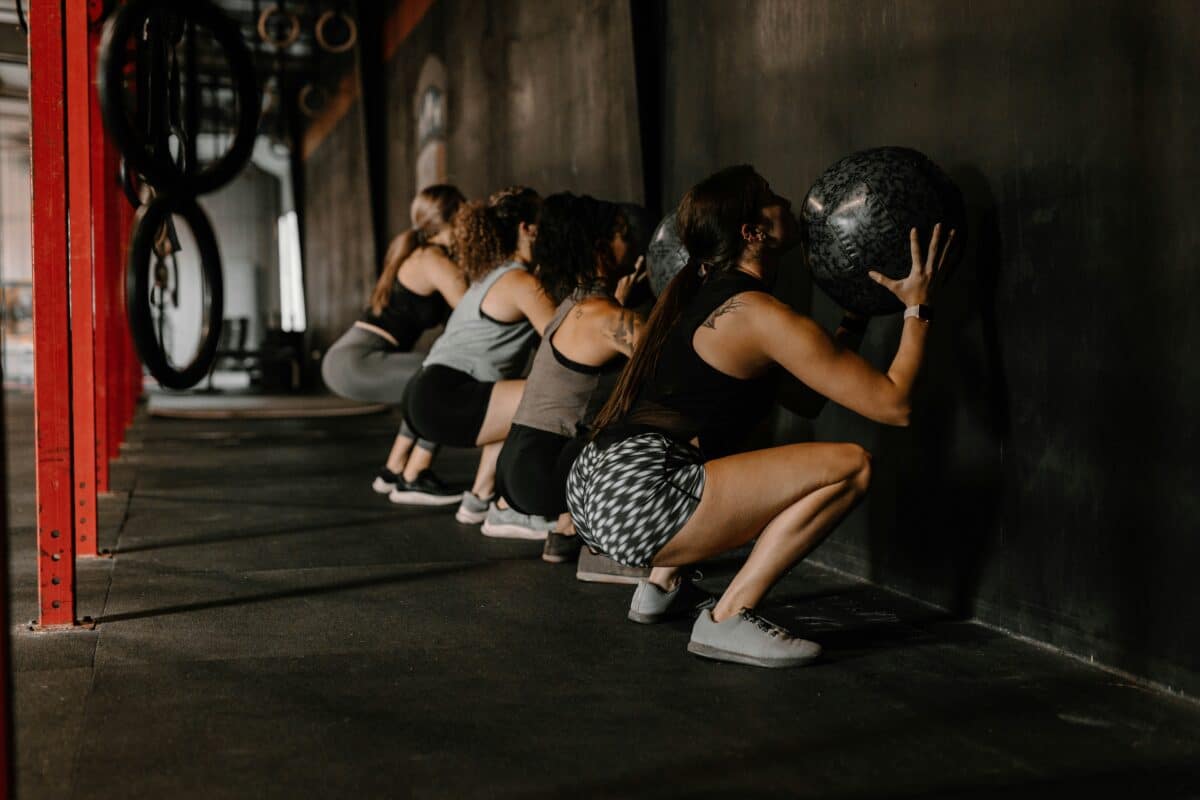
The fitness world is constantly evolving, offering new ways to stay active and engaged. For readers of Women’s Journal, staying informed about fitness trends means finding routines that are not only effective but also enjoyable. From innovative workout formats to tech-enhanced fitness tools, these trends are reshaping how we think about exercise. Here’s how you can embrace these movements to keep your workouts fresh and exciting.

Why Fitness Trends Matter

Following the latest fitness trends can help break the monotony of traditional routines. Whether you’re seeking a challenge, looking for a fun group activity, or simply wanting to try something new, these trends offer a chance to reconnect with your fitness goals.

More importantly, staying current with trends allows you to tap into workouts that are designed with the latest research in mind. Many of today’s trends focus on functional fitness, which emphasizes movements that mimic everyday activities to improve overall strength and mobility. This approach ensures that your workouts not only help you stay in shape but also make daily tasks easier and reduce injury risk.

The Rise of Hybrid Workouts

One of the biggest shifts in the fitness world is the popularity of hybrid workouts. Combining elements from different exercise styles, these routines deliver variety and versatility. For example, Pilates-infused strength training or yoga combined with high-intensity interval training (HIIT) allows participants to enjoy both the mental and physical benefits of different disciplines.

Hybrid workouts are particularly appealing for busy individuals who want to maximize results in a limited amount of time. By blending cardio, strength, and flexibility in a single session, these routines ensure a full-body workout that doesn’t feel repetitive.

The Role of Technology in Fitness

Technology has transformed the fitness landscape, making it easier than ever to stay motivated and track progress. Wearable fitness devices like smartwatches and fitness trackers provide real-time data on steps, heart rate, calories burned, and even sleep patterns. This information helps users customize their routines for optimal performance.

Virtual fitness platforms have also surged in popularity. Apps and streaming services offer on-demand classes in everything from spin to barre, allowing you to work out anytime and anywhere. Many of these platforms also provide interactive features, such as leaderboards or live sessions, fostering a sense of community even in a virtual space.

Another exciting trend is the use of AI-powered personal trainers, which create tailored fitness plans based on individual goals and progress. These tools make personalized coaching accessible to everyone, regardless of budget or location.

Group Fitness Reimagined

Group fitness classes have long been a cornerstone of the fitness industry, but recent trends are breathing new life into the concept. Boutique fitness studios offering specialized classes, such as dance cardio or indoor cycling, are growing in popularity. These studios provide a more intimate and immersive experience, often with energetic instructors and curated playlists that make each class feel like a party.

Outdoor group workouts are another trend gaining traction, blending exercise with nature for a refreshing change of scenery. Activities like boot camps, yoga in the park, or group runs offer a social and invigorating way to stay active.

The community aspect of group fitness plays a significant role in its appeal. Exercising with others fosters accountability, motivation, and a sense of belonging, which can make it easier to stick to a routine.

Mind-Body Wellness

In recent years, fitness has expanded to include a greater emphasis on mental health and overall well-being. Mind-body practices, such as yoga, tai chi, and meditation, are becoming integral parts of fitness routines. These activities promote relaxation, reduce stress, and improve focus while also enhancing physical fitness.

Restorative fitness is another emerging trend, focusing on recovery and mobility. Classes centered around stretching, foam rolling, or light movement help alleviate tension and improve flexibility, making them an excellent complement to high-intensity workouts.

Additionally, breathwork exercises, often included in yoga or Pilates classes, are gaining attention for their ability to boost mental clarity and physical performance. This holistic approach to fitness ensures that you’re taking care of both your body and mind.

Sustainable Fitness Practices

Sustainability is influencing every aspect of modern life, including fitness. Eco-friendly gyms and fitness brands are becoming more prominent, focusing on reducing their environmental footprint. From energy-efficient equipment to reusable water bottles, these initiatives align with the growing demand for environmentally conscious practices.

Home workouts are also contributing to sustainability. By cutting down on commutes and using minimal equipment, home fitness routines reduce environmental impact while offering convenience. Virtual classes and bodyweight exercises allow individuals to stay fit without needing an elaborate setup.

How to Stay Motivated

With so many options available, finding a trend that resonates with you can make fitness more enjoyable and sustainable. Start by identifying your goals—whether it’s building strength, improving flexibility, or reducing stress—and look for workouts that align with those objectives.

Experimenting with different styles is key. Trying new formats, such as dance-inspired workouts, virtual challenges, or hybrid routines, can rekindle your excitement for exercise. Remember, fitness should be fun and rewarding, not a chore.

Building a routine that includes variety keeps things interesting while ensuring balanced results. For example, alternating between strength training, yoga, and outdoor activities can provide both physical and mental benefits.

Staying motivated also means celebrating small wins along the way. Whether it’s mastering a new pose or increasing your endurance, acknowledging progress can boost confidence and reinforce positive habits.

Exploring fitness trends is a fantastic way to keep your workouts fresh, exciting, and effective. From hybrid routines to tech-enhanced workouts and mind-body practices, there’s something for everyone. By staying open to new ideas and finding what works best for your lifestyle, you can make fitness an enjoyable and enduring part of your routine.

Digital Detox for Women’s Mental Health: The Benefits of Unplugging for Self-Care

In today’s world, it’s hard to escape from technology. With notifications, emails, and social media constantly vying for our attention, it’s no wonder many women feel overwhelmed. But what if taking a step back from the digital noise could improve your mental health? The idea of a digital detox has gained popularity as more women realize the impact technology has on their well-being. Unplugging, even for short periods, can bring numerous mental health benefits, from reducing stress to improving focus. In this article, we’ll explore how a digital detox can enhance self-care.

What Is a Digital Detox and Why Does It Matter?

A digital detox simply means taking a break from using electronic devices like smartphones, computers, and tablets. It’s about disconnecting from the online world to focus on the present moment. While technology can be helpful, it can also be addictive. Many of us have the habit of checking our phones every few minutes, whether we’re looking at emails, social media, or just scrolling out of boredom.

For women juggling multiple roles—whether it’s work, family, or personal commitments—the constant connection to technology can add to daily stress. Digital burnout is real, and it often sneaks up on you. Without even realizing it, you can feel drained by the flood of information, the pressure to respond quickly, and the endless comparison to others online. That’s where a digital detox comes in.

Taking time away from screens allows you to recharge mentally. It gives your brain the space to breathe, reflect, and relax. Just like our bodies need rest from physical activity, our minds need breaks from the constant stimulation of the digital world.

Can a Digital Detox Really Improve Mental Health?

One of the most significant benefits of unplugging is the positive impact on mental health. When you’re constantly connected, it’s easy to feel stressed or anxious. Notifications buzzing, social media updates, and never-ending work emails can all contribute to a feeling of being overwhelmed. A digital detox helps to break this cycle.

For many women, social media is both a blessing and a curse. While it can be a place for inspiration and connection, it can also become a source of comparison and self-doubt. Taking a step back from platforms like Instagram or Facebook can help you regain perspective. You might notice that you feel more content and less anxious when you’re not constantly comparing your life to others.

In addition to reducing anxiety, unplugging can also improve your focus. Studies have shown that multitasking with technology reduces our ability to concentrate. When you’re switching between apps, emails, and messages, your brain has to work harder to keep up, leading to mental fatigue. By unplugging, you give your brain the opportunity to focus on one thing at a time, making you more present and engaged in your activities.

How Can You Start a Digital Detox?

Starting a digital detox doesn’t mean you have to completely abandon your devices for days. It can be as simple as setting boundaries around how and when you use technology. One of the easiest ways to begin is by establishing tech-free times during your day. For example, you might decide not to check your phone during meals or for an hour before bed. These small changes can help you become more mindful of how much time you’re spending online.

Another approach is to designate one day a week as a “digital detox day.” On this day, you avoid using technology as much as possible. You can fill your time with activities that help you relax and recharge, like reading a book, going for a walk, or practicing yoga. These moments of calm without digital distractions can be incredibly restorative.

If a full day without technology feels overwhelming, start by taking mini-detoxes. These could be short breaks from your devices, such as leaving your phone behind while you go for a walk or setting a timer for 30 minutes to focus on a non-digital task. You may find that these moments of disconnection add up, leaving you feeling less stressed and more balanced.

Incorporating a digital detox into your self-care routine doesn’t have to be rigid. The goal is to find what works best for you. Whether it’s a few minutes a day or a full weekend unplugged, every little bit helps when it comes to caring for your mental health.

In a world that constantly pushes us to be online, taking time to unplug is more important than ever. For women, especially those managing multiple responsibilities, a digital detox can provide much-needed relief from the pressures of daily life. By disconnecting from technology, even for a short while, you allow your mind to relax, your stress levels to decrease, and your focus to sharpen.

Whether you’re taking small steps to reduce screen time or committing to regular digital detoxes, the benefits to your mental health are clear. Unplugging from technology is not just a luxury; it’s a form of self-care that can help you stay grounded, balanced, and mentally refreshed in our tech-driven world. So, the next time you feel overwhelmed by notifications, take a deep breath and consider stepping away from the screen for a while. Your mind will thank you.

The Role of AR and VR in Shaping the Future

How Are Augmented Reality and Virtual Reality Transforming Entertainment?

Augmented Reality (AR) and Virtual Reality (VR) are reshaping the entertainment industry by immersing audiences in entirely new ways. Unlike traditional media, which merely tells a story, AR and VR allow users to become part of the narrative. This shift opens up a realm of possibilities, from interactive gaming experiences to live concerts where participants feel like they’re in the front row, even from their living rooms.

AR, which overlays digital elements onto the real world, enhances experiences without removing users from their environment. Think of apps like Pokémon Go, where the lines between the physical and digital worlds blur seamlessly. On the other hand, VR creates fully immersive environments, transporting users to entirely different realms. Whether exploring a fantasy world or diving into historical reenactments, VR provides an unparalleled depth of engagement.

The entertainment industry is leveraging this technology to create personalized and interactive experiences. Movies are no longer confined to the screen; they can become immersive journeys. Gaming, in particular, has benefited immensely, with VR systems like the Oculus Quest delivering lifelike adventures that push the boundaries of creativity. These technologies don’t just entertain—they inspire users to engage more deeply with the content.

Can AR and VR Revolutionize How We Learn?

In education, AR and VR are transforming the way knowledge is delivered and absorbed. Traditional teaching methods often rely on textbooks and lectures, but these technologies make learning more interactive and engaging. Imagine biology students exploring the human body in 3D with AR overlays or history students walking through ancient cities using VR simulations.

AR, in particular, shines in classroom settings. By overlaying information on real-world objects, it provides contextual learning opportunities. For example, pointing a device at a globe might display detailed information about a country, including its history, culture, and economy. This interactive approach makes complex concepts easier to understand and retain.

Meanwhile, VR excels in immersive experiences. It allows learners to practice skills in simulated environments, making it invaluable for vocational training. From medical students practicing surgeries in a risk-free setting to pilots mastering flight controls in a virtual cockpit, VR ensures hands-on learning without real-world consequences.

These technologies also foster inclusivity. For students with disabilities, AR and VR can provide tailored solutions, ensuring equal access to quality education. Whether through voice-activated controls or tactile feedback, these tools adapt to individual needs, breaking down barriers to learning.

What Does the Future Hold for AR and VR in Daily Life?

As AR and VR continue to evolve, their integration into everyday life becomes increasingly apparent. These technologies are no longer limited to entertainment and education—they’re making their way into healthcare, retail, and even social interactions.

In healthcare, AR-assisted surgeries provide doctors with detailed visuals of a patient’s anatomy, improving precision and outcomes. VR, on the other hand, is being used for mental health therapy, offering calming virtual environments for stress relief or exposure therapy for phobias.

Retail is also experiencing a transformation. Imagine trying on clothes virtually or visualizing furniture in your home before making a purchase. AR-enhanced shopping experiences are already being adopted by major brands, providing convenience and reducing buyer hesitation.

Socially, AR and VR are redefining how we connect. Virtual meetings, once constrained by 2D screens, are becoming immersive gatherings where participants feel present in shared spaces. These advancements are particularly promising for remote work, as they foster collaboration and a sense of proximity despite physical distances.

While these technologies hold immense promise, they also raise important questions about accessibility and ethics. Ensuring that AR and VR are affordable and inclusive will be key to their widespread adoption. Additionally, protecting user data and addressing concerns about over-immersion are challenges that developers and policymakers must tackle.