Women's Journal

Mental Health and Wellness in Entertainment

Why Is Entertainment Addressing Mental Health and Wellness?

The focus on mental health and wellness has grown significantly in entertainment, reflecting a broader cultural shift. Content creators are recognizing the need for storytelling and experiences that address emotional well-being, helping audiences feel seen and supported.

One reason for this shift is the increasing openness around mental health. Conversations about anxiety, depression, and burnout are no longer confined to private spaces. Social media and public figures have played a major role in normalizing these discussions, prompting entertainment industries to join the conversation.

Movies, TV shows, and even music are exploring themes of self-care and emotional resilience. Storylines now highlight characters navigating therapy, coping with trauma, and embracing mindfulness. For example, shows like “Ted Lasso” focus on the importance of vulnerability and support systems, resonating deeply with viewers.

Beyond storytelling, the entertainment industry is also incorporating wellness into experiences. Meditation apps like Calm and Headspace collaborate with celebrities to produce audio guides, blending relaxation techniques with familiar voices. Even gaming is evolving, with platforms designing immersive worlds that promote mindfulness rather than stress.

This growing emphasis on mental health isn’t just timely—it’s transformative, helping individuals see their struggles reflected in ways that encourage healing and growth.

How Is Entertainment Supporting Mental Health Conversations?

Entertainment is breaking barriers by offering mental health-focused content, sparking conversations and encouraging people to prioritize their well-being. This approach is both empowering and educational, helping audiences navigate emotional challenges in relatable ways.

Television has become a powerful medium for these discussions. Shows like “Euphoria” and “This Is Us” tackle complex issues such as addiction, grief, and self-discovery. By portraying these struggles honestly, they validate viewers’ experiences and encourage empathy. Characters facing mental health challenges show that healing is a journey, not a destination.

Documentaries and podcasts are also providing safe spaces for dialogue. Productions like “The Me You Can’t See” feature real-life stories about mental health, fostering awareness and reducing stigma. These platforms allow experts, advocates, and everyday people to share insights, bridging the gap between professional help and personal growth.

Music, too, is offering solace. Artists like Lizzo and Kendrick Lamar use their lyrics to address self-love, anxiety, and overcoming obstacles. Fans connect deeply with these messages, finding comfort in knowing they’re not alone in their struggles.

The rise of online communities has amplified these efforts. Platforms like YouTube and TikTok host creators who share personal stories, coping strategies, and mental health resources. This accessibility makes it easier for people to seek guidance or feel supported during difficult times.

Entertainment’s embrace of mental health is fostering a culture of understanding and care, where seeking help is no longer seen as a weakness.

What Does the Future Hold for Mental Health in Entertainment?

The future of mental health and wellness in entertainment is full of potential, shaped by evolving perspectives and creative innovation. As the industry continues to embrace emotional well-being, audiences can expect even more transformative content and experiences.

Technology will play a pivotal role. Virtual reality (VR) and augmented reality (AR) are already being used to create immersive wellness experiences. From VR meditation apps to AR-enhanced therapy sessions, these tools offer unique ways to manage stress and improve mental health.

Inclusivity will also take center stage. Future content will likely highlight diverse experiences, addressing how culture, gender, and socioeconomic factors impact mental health. By telling stories that resonate with broader audiences, entertainment can further reduce stigma and foster global empathy.

Collaborations between entertainment and mental health professionals will deepen. Writers and producers are consulting psychologists to ensure their portrayals are accurate and constructive. These partnerships create meaningful content that not only entertains but also informs and inspires action.

Interactive media will continue to grow, offering personalized wellness journeys. Streaming services may integrate features like guided mindfulness breaks or curated playlists for relaxation, seamlessly blending entertainment with self-care.

As the boundaries between entertainment and wellness blur, the industry’s commitment to mental health will become an essential part of its evolution. By addressing emotional well-being in thoughtful and innovative ways, entertainment has the power to shape healthier, more connected communities.

Romantic Wedding and Honeymoon Locations You’ll Love

Wedding and honeymoon travel is an exciting and increasingly popular way for couples to combine their celebrations with unforgettable experiences. Whether you’re dreaming of a destination wedding on a sun-soaked beach or an intimate honeymoon getaway in a romantic, secluded location, your choice of destination can set the tone for the entire journey. In this guide, we’ll explore some of the best options for couples seeking a romantic escape, as well as tips for planning the perfect wedding or honeymoon travel experience.

Why Choose a Destination Wedding?

Destination weddings have become an enticing option for couples who want to exchange vows in a unique and memorable setting. Instead of hosting a traditional ceremony at home, many couples are opting for breathtaking wedding destinations around the world.

A destination wedding offers several advantages. First, it simplifies the guest list, as couples typically invite fewer people to travel with them. This can make the event more intimate and personal. Furthermore, a destination wedding allows couples to create memories in beautiful locations that they may not otherwise visit, like tropical islands, historic cities, or picturesque countryside retreats. From beachfront resorts to charming castles or romantic vineyards, the world is full of stunning venues.

In addition to the picturesque settings, destination weddings often provide exclusive packages, which include everything from the ceremony to reception dinners, photography, and even activities for guests to enjoy during their stay. These all-inclusive packages make planning stress-free and offer incredible value.

For those planning a wedding with special themes or a smaller guest list, destination weddings are an excellent option. Many popular wedding spots also offer options for elopements, which allow couples to say “I do” in a more private and personal way, before heading straight into their honeymoon.

Top Wedding Destinations for Couples

When it comes to choosing a wedding destination, the possibilities are endless. Some stunning locations have become popular among couples seeking the perfect wedding backdrop.

Bora Bora, French Polynesia is known for its crystal-clear waters and overwater bungalows, offering a serene and idyllic setting for a beachfront wedding. The luxury resorts here provide exceptional service and romantic settings.

Santorini, Greece is famous for its whitewashed buildings and breathtaking sunsets. Many couples choose to marry in an intimate cliffside ceremony, overlooking the Aegean Sea.

Tuscany, Italy offers rolling hills, vineyards, and charming villas for an old-world, romantic wedding. A destination wedding in Tuscany means saying “I do” in a rustic yet elegant setting, surrounded by spectacular views.

Maui, Hawaii is known for its lush landscapes, beautiful beaches, and dramatic cliffs. Whether you’re saying your vows on a private beach or at a scenic resort, Maui has it all.

Paris, France, the city of love, is always an ideal choice for couples. Its iconic landmarks, such as the Eiffel Tower, serve as a stunning backdrop for an elegant city wedding or a private elopement.

Planning the Perfect Honeymoon Getaway

Your honeymoon is an essential part of your wedding experience, giving you the opportunity to relax, enjoy each other’s company, and unwind after the wedding festivities. When choosing a honeymoon destination, it’s important to select a location that suits both partners’ preferences and interests. Whether you prefer a quiet beach getaway, an adventurous mountain retreat, or a cultural city tour, there’s a perfect destination for every couple.

Some of the most popular honeymoon spots are known for their stunning landscapes, luxury resorts, and unique experiences. Couples can opt for an all-inclusive resort where everything is taken care of, or explore more intimate, off-the-beaten-path locations for a private experience.

Maldives, with its overwater bungalows and clear turquoise waters, offers the ultimate honeymoon experience. Couples can indulge in spa treatments, private dinners on the beach, and snorkeling among vibrant coral reefs.

Kyoto, Japan offers a beautiful blend of tradition and serenity. Couples can stroll through ancient temples, relax in traditional ryokan inns, and explore lush gardens.

Amalfi Coast, Italy is a favorite among couples seeking romance. With its dramatic cliffs, charming villages, and stunning coastal views, this area of southern Italy offers unforgettable experiences, from boat rides to cooking classes.

Bali, Indonesia provides a mix of adventure and luxury, with serene beaches, lush jungles, and fascinating cultural landmarks. Couples can enjoy everything from private beachfront villas to exciting excursions, such as visiting temples or hiking to waterfalls.

Queenstown, New Zealand, known as the adventure capital of the world, is ideal for couples who enjoy excitement. From skydiving and bungee jumping to wine tasting and scenic hikes, there’s something for every couple.

Combining Wedding and Honeymoon Travel: The Best of Both Worlds

For couples looking to make the most of their travel experience, combining the wedding and honeymoon into a single trip can be an excellent option. Destination weddings often offer a seamless transition from the ceremony to the honeymoon. After the wedding celebrations, couples can enjoy a romantic getaway without having to worry about additional travel planning.

Many couples opt for destinations that offer both wedding and honeymoon packages, making the entire experience hassle-free. Whether it’s a private island resort or a scenic coastal city, you can find places that offer special amenities and services for newlyweds, ensuring that your post-wedding experience is just as magical.

Tips for a Stress-Free Wedding and Honeymoon Travel Experience

Planning a wedding and honeymoon is a big task, but with the right approach, it can be an enjoyable and rewarding experience. Here are a few tips to make sure your travel plans are smooth and stress-free:

Start planning early by researching wedding and honeymoon destinations well in advance to ensure availability and the best deals.

Consider working with a travel agent who specializes in destination weddings and honeymoon packages to help coordinate logistics and find the best deals.

Many resorts offer all-inclusive packages, which can simplify your planning by covering everything from flights to meals and activities.

Choose a destination that suits your timeline. If you only have a few days for your honeymoon, opt for locations that are closer to home.

By taking the time to carefully select the right wedding or honeymoon destination, you can create memories that will last a lifetime. Whether you’re planning a destination wedding in a tropical paradise or a quiet honeymoon getaway, your chosen destination will serve as a reminder of the special time you shared together.

Protective Hairstyles: More Than Meets the Eye

When it comes to natural hair, protective hairstyles are a game-changer. Think braids, twists, locs – and countless variations within these styles. They’re not just about looking fabulous, but about offering protection from everyday wear and tear, the elements, and promoting healthy hair growth. But protective hairstyles offer more than practical benefits; they’re deeply rooted in culture, history, and self-expression.

The Benefits of Protective Hairstyles

When it comes to embracing the beauty of natural hair, minimizing manipulation is key. Protective styles offer a welcome break from the constant detangling, styling, and re-styling that can take a toll on our strands. By shielding your hair within braids, twists, or similar styles, you give it time to simply grow and thrive, free from excessive manipulation. Less brushing and combing translates to reduced breakage and fewer of those frustrating single-strand knots, leading to thicker, healthier hair overall.

Protective styles are your hair’s hydration hero. The ends of your hair, the oldest and often most vulnerable part, are tucked safely within the style. This helps prevent the moisture loss that’s so common when hair is exposed to the elements and constant styling. Keeping the ends protected promotes stronger hair that’s less prone to dryness and breakage.

For anyone dreaming of longer, fuller hair, protective styles can be your best friend. By minimizing breakage and creating a healthy environment for your hair, consistent use of protective styles can significantly boost your hair growth goals. Imagine stepping out of braids after a few weeks to discover noticeably longer, and importantly, healthier hair – an incredibly motivating outcome!

The world of protective hairstyles is a treasure trove of versatility, and braids are the crown jewels! Think of classics like box braids, where your hair is divided into neat squares. Or opt for a softer, more bohemian style with goddess braids that often incorporate curly extensions. Knotless braids are a popular choice for those desiring a gentler, tension-free alternative. Fulani braids, with their intricate patterns and iconic beads, weave cultural pride and artistic flair into your look.

If you crave textured styles, twists are the way to go. Senegalese twists offer sleek, rope-like strands that can be styled in countless ways. Havana twists boast a chunkier, more textured look, while passion twists combine the beauty of twists with springy curls. And if you love the twist aesthetic but aren’t ready to take the plunge into locs, there’s always twist-outs, a temporary but equally gorgeous option achieved by unraveling twists after they’ve set.

Locs (or dreadlocks) represent the ultimate protective style commitment, steeped in history and symbolism. Whether you choose traditional locs cultivated over time, the instant gratification of faux locs, or the ethereal beauty of goddess locs, this style is an investment with a long-lasting payoff. “Locs are a journey, not just a hairstyle,” notes a natural hair blogger, “They symbolize patience, growth, and embracing the unique beauty of your hair’s natural texture.”

Protective Hairstyle Maintenance

Protective styles aren’t “set it and forget it.” Here’s how to keep them looking their best:

  • Protect Your Edges: Avoid excessively tight styles, and use gentle tension when putting your hair up in ponytails or buns to avoid stressing your delicate hairline.

  • Cleanse Your Scalp: Keeping your scalp clean is vital! Use a diluted shampoo mixture specifically designed for protective styles to cleanse without disrupting the style itself.

  • Moisturize: Don’t neglect moisturizing your scalp and roots! Lightweight oils and leave-in conditioners applied to your scalp and the length of your hair (where accessible) provide necessary hydration.

  • Protective Nighttime Routine: Use satin scarves or pillowcases to reduce friction while you sleep, helping to prevent frizz and preserve your style.

Protective hairstyles have a deep-rooted history, particularly within the African diaspora. “Braids and other protective styles carry generational knowledge and connection to heritage across cultures,” explains a natural hair specialist. They represent artistry, community, and a celebration of the beauty and versatility of natural hair.

During times of slavery, braids served a practical and profound purpose. Maps for escape routes were woven intricately into cornrows, and seeds were hidden inside the braids, ensuring sustenance for those escaping to freedom. Today, protective hairstyles continue to be a powerful symbol of resilience, strength, and cultural pride.

Ultimately, protective hairstyles offer a combination of practicality, self-expression, and connection to a powerful legacy. Whether you choose braids adorned with beads, elegantly simple twists, or a crown of beautiful locs, there’s a protective hairstyle to suit your style and celebrate the beauty of your natural hair.

Women’s Health: Addressing Mental and Physical Well-being

Why is Mental Health Awareness Important for Women?

Mental health is a crucial aspect of overall well-being, and awareness around it is particularly important for women. Women are often more susceptible to mental health issues like anxiety, depression, and stress due to various biological, social, and psychological factors. Hormonal changes related to menstruation, pregnancy, postpartum, and menopause can significantly impact mental health. Additionally, societal pressures and gender-based discrimination can exacerbate these issues.

According to the American Psychological Association, women are twice as likely as men to experience major depression and anxiety disorders. Mental health awareness helps in early identification and management of these conditions, reducing the stigma associated with seeking help. Women should be encouraged to speak openly about their mental health struggles and access resources such as therapy, support groups, and mental health hotlines.

How is Reproductive Health Essential for Women?

Reproductive health is a key component of women’s health, encompassing a range of issues from menstrual health to pregnancy and menopause. Regular gynecological check-ups, including Pap smears and mammograms, are vital for early detection of potential issues like cervical and breast cancer. Contraceptive access and education also play a significant role in allowing women to make informed choices about their reproductive health.

Current trends in reproductive health include advancements in fertility treatments and greater awareness and support for conditions such as polycystic ovary syndrome (PCOS) and endometriosis. Research published in the Journal of Women’s Health highlights the importance of personalized healthcare approaches to effectively manage these conditions. Moreover, the increasing use of telehealth services provides women with more convenient access to reproductive health consultations and care.

What Role Does Preventive Care Play in Women’s Health?

Preventive care is essential for maintaining overall health and well-being. This includes regular health screenings, vaccinations, and lifestyle modifications to prevent chronic diseases such as heart disease, diabetes, and osteoporosis. The Centers for Disease Control and Prevention (CDC) emphasizes the importance of annual wellness exams, which help detect health issues early when they are most treatable.

Exercise, a balanced diet, and sufficient sleep are foundational elements of preventive care. Regular physical activity helps manage weight, reduces the risk of chronic diseases, and improves mental health. A diet rich in fruits, vegetables, lean proteins, and whole grains supports overall health and can prevent conditions like obesity and heart disease. Adequate sleep is crucial for cognitive function and emotional regulation.

Current Trends and Research in Women’s Health

Recent research and trends in women’s health are focusing on personalized medicine, which tailors healthcare based on individual genetic, environmental, and lifestyle factors. This approach aims to provide more effective and targeted treatments for women’s health issues. Additionally, there is a growing emphasis on holistic health, integrating physical, mental, and emotional well-being into healthcare practices.

Studies in the field of women’s health are exploring the impact of social determinants on health outcomes. Factors such as socioeconomic status, education, and access to healthcare significantly influence women’s health. Efforts to address these disparities are crucial for ensuring that all women have the opportunity to achieve optimal health.

In conclusion, addressing both mental and physical well-being is critical for women’s health. Raising mental health awareness, ensuring comprehensive reproductive health care, and emphasizing preventive measures are key to promoting overall well-being. Staying informed about current trends and research can help women make better health choices and advocate for their needs. By adopting a holistic approach to health, women can lead healthier, more fulfilling lives.

Social Inclusion and Gender Equality: Key to a Thriving World

In recent years, social inclusion and gender equality have emerged as central themes in global discussions, especially in the context of economic development, human rights, and sustainable growth. The World Economic Forum (WEF) has taken significant strides in advocating for these crucial issues, focusing on their global commitment to fostering equality in all aspects of society. Through various initiatives, collaborations, and advocacy, the WEF is helping to ensure that marginalized communities and women receive the recognition, resources, and opportunities they deserve. This article explores the role of the WEF in promoting gender equality and social inclusion worldwide, emphasizing the importance of these efforts for both women and the broader global community.

How Does the WEF Promote Gender Equality on a Global Scale?

The World Economic Forum has long recognized that gender inequality is not just a social issue but also an economic one. In its annual Global Gender Gap Report, the WEF tracks progress in closing the gender gap across different countries and sectors. The report serves as an essential tool in highlighting areas where progress is being made and where more work is needed.

The WEF’s commitment to gender equality is evident through its various initiatives and partnerships. One notable program is the Centre for the New Economy and Society, which works on policy advocacy and supports projects aimed at creating more inclusive work environments. The forum also facilitates conversations between global leaders, businesses, and organizations to ensure that gender equality becomes a fundamental aspect of decision-making processes worldwide.

The WEF has been instrumental in highlighting gender diversity in leadership. Through campaigns such as the Gender Parity Initiative, the forum pushes for increased female representation in boardrooms and political offices, recognizing that having more women in decision-making roles not only benefits society but also enhances business performance. These efforts align with the WEF’s overarching goal to achieve a gender-equal world, where opportunities are not determined by gender but by merit and potential.

Why Is Social Inclusion Essential for Global Progress?

Social inclusion goes hand-in-hand with gender equality, as both are foundational to building more just, equitable societies. The WEF acknowledges that without inclusive growth, economic development will remain limited, and millions will continue to face discrimination and marginalization. Social inclusion ensures that people from all walks of life—regardless of their gender, race, ethnicity, or socioeconomic status—have the opportunity to contribute to and benefit from economic prosperity.

In this regard, the WEF has spearheaded initiatives to bring marginalized groups into the fold of global economic development. Through programs that focus on education, workforce development, and access to finance, the WEF aims to provide opportunities for individuals who have historically been left out of mainstream economic systems. By advocating for inclusive policies, the forum works toward eliminating barriers to equal participation in society, ensuring that everyone has the chance to succeed.

The Social Inclusion Initiative works with governments, businesses, and NGOs to help integrate marginalized communities into national and global economies. By providing platforms for underrepresented groups, especially women and minorities, the WEF is helping to build a more inclusive world that embraces diversity as an asset rather than a hindrance.

How Can Gender Equality and Social Inclusion Impact Economic Growth?

The connection between gender equality, social inclusion, and economic growth is profound. Research consistently shows that when both women and marginalized communities are empowered and included in the economy, the results are better for everyone. According to various studies, closing the gender gap could add trillions of dollars to the global economy, significantly boosting productivity and GDP.

The WEF has underscored this economic argument through its support for policies that promote gender-inclusive economies. By ensuring equal access to education, healthcare, and job opportunities, the forum is advocating for an economic environment where everyone has a fair chance to succeed. In particular, the WEF’s efforts to support women entrepreneurs are crucial for driving innovation, as studies have shown that when women thrive in the economy, the entire community benefits.

When marginalized groups are included in the workforce, economies are more likely to experience long-term growth and stability. The WEF’s advocacy for inclusive hiring practices, the elimination of gender-based pay gaps, and the provision of equal opportunities across industries supports the idea that gender equality and social inclusion are not just moral imperatives—they are essential for the overall health of the global economy.

What Are the Challenges to Achieving Global Gender Equality and Social Inclusion?

Despite the progress made in recent years, significant barriers remain to achieving true gender equality and social inclusion. The WEF continues to highlight the fact that many countries still lag behind in addressing gender disparities in education, healthcare, and employment. The gender pay gap remains a persistent issue, as does the underrepresentation of women in leadership roles and decision-making bodies.

Cultural norms and legal barriers often hinder social inclusion efforts, particularly in countries with entrenched patriarchal systems. The WEF works closely with governments to advocate for policies that challenge these norms and push for reforms that support marginalized communities.

One major challenge is the persistence of gender-based violence and discrimination, which disproportionately affects women and girls, particularly in developing regions. To address this, the WEF collaborates with organizations focused on providing support for survivors, implementing legal reforms, and raising awareness about the importance of a safe and inclusive environment for all individuals.

What Can Individuals and Organizations Do to Support Gender Equality and Social Inclusion?

While the WEF plays a pivotal role in advocating for gender equality and social inclusion at a global level, there are numerous ways that individuals and organizations can contribute to these efforts on a more localized scale. Businesses can implement gender-inclusive hiring practices, ensure equal pay for equal work, and foster workplace environments that support the advancement of women in leadership roles.

On an individual level, people can challenge gender stereotypes, support women and marginalized groups in their communities, and advocate for policies that promote equal rights and access to opportunities. Whether through activism, education, or simply speaking out against injustice, everyone can contribute to the movement for gender equality and social inclusion.

The Power of Scent: Fragrance for Mental Health

Fragrance has long been cherished for its ability to evoke emotions and memories. The connection between scent and emotions, however, is evolving beyond simple pleasure. Increasingly, fragrances are being formulated with the intent to address specific psychological needs, offering a potential pathway to improving mental well-being. As the relationship between scent and mental health grows, more attention is being given to how certain fragrances can help alleviate symptoms of stress, anxiety, and even depression.

How Can Scent Influence Mood and Emotions?

The idea that fragrance can impact mental health is grounded in science. The sense of smell is directly linked to the limbic system, which is the part of the brain responsible for emotions and memory. This connection allows fragrances to influence mood, evoke feelings of comfort, or even trigger memories tied to particular scents. Different fragrances can have varying effects on the brain, affecting everything from stress levels to concentration and energy.

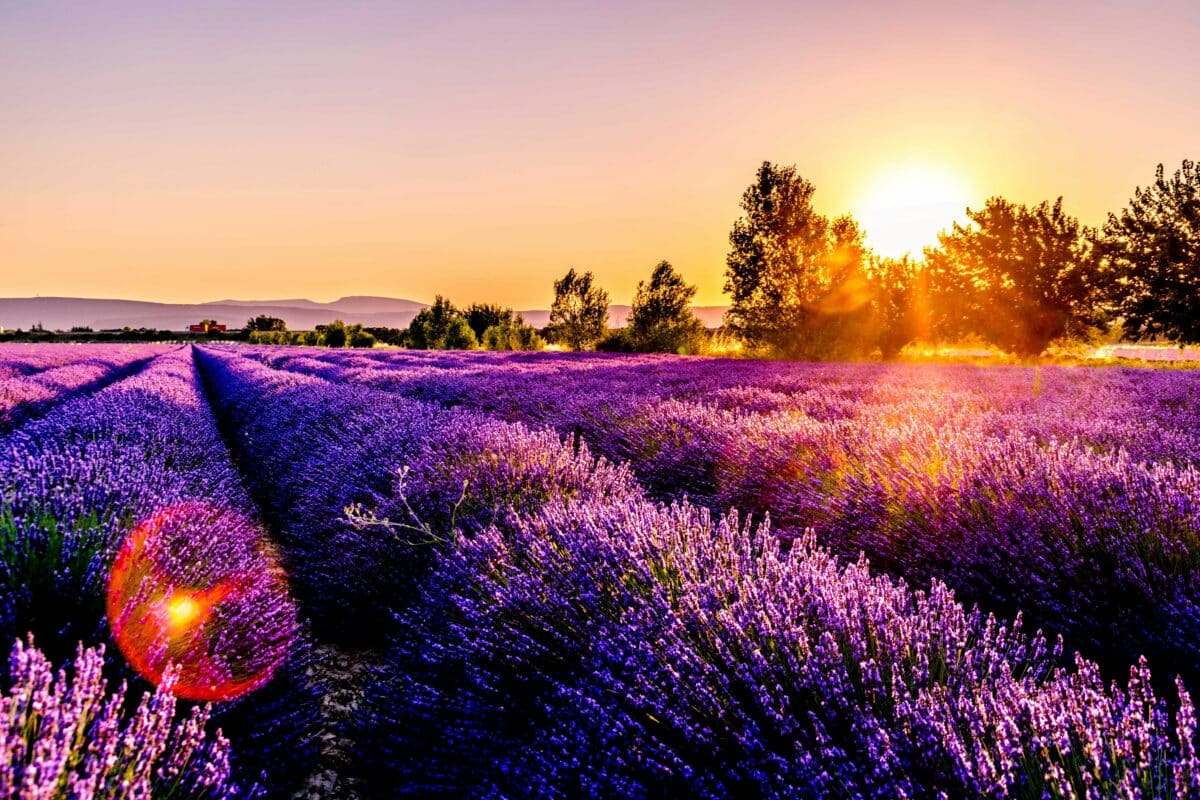
For example, lavender, commonly known for its relaxing properties, has been shown to help reduce stress and anxiety. Research suggests that the scent of lavender can help lower heart rate and blood pressure, promoting a sense of calm and relaxation. On the other hand, citrus scents, such as lemon or orange, are often used to uplift mood and boost energy. These fragrances can stimulate the mind and improve focus, making them ideal for combating mental fatigue.

Fragrance as Part of Holistic Wellness Practices

Incorporating fragrance into daily routines has become a part of many holistic wellness practices. Essential oils, candles, and room sprays are just a few ways people are using fragrance to improve their mental health. Many find that introducing calming scents into their environment enhances relaxation, reduces anxiety, and helps them feel more centered.

The act of scent layering, which involves combining multiple fragrances, is another practice gaining popularity. For example, pairing a soothing lavender scent with an energizing citrus fragrance can create a balanced environment that promotes both relaxation and alertness. This customized approach to fragrance allows individuals to tailor their surroundings to suit their emotional needs throughout the day.

Perfumes Designed to Address Psychological Needs

Recently, there has been a rise in perfumes and fragrances specifically designed to support mental well-being. These products are formulated with ingredients believed to have a therapeutic effect on the mind and emotions. The goal of these fragrances is not only to smell good but also to provide tangible psychological benefits.

Perfume brands have started to collaborate with experts in aromatherapy and psychology to create scents that can target specific mental health challenges. For instance, perfumes for stress relief might include calming lavender, chamomile, or sandalwood notes, while fragrances designed to fight fatigue or boost mood might feature uplifting ingredients like citrus or mint.

These specially crafted perfumes aim to help individuals manage their emotions and mental health through scent. The idea is that by applying these perfumes or wearing them throughout the day, individuals can experience emotional regulation or relief from stress. Whether it’s a spritz of calming lavender or an energizing citrus blend, these perfumes are intended to be more than just a fragrant accessory; they are tools for improving mental health.

How Fragrance Can Be Integrated into Mental Health Routines

As people seek alternative ways to manage mental health, fragrance is becoming an accessible and enjoyable tool. Incorporating fragrance into daily wellness routines can complement other self-care practices, such as mindfulness, meditation, or yoga. Whether it’s lighting a candle infused with soothing scents, applying a therapeutic perfume, or using an essential oil diffuser, scent can play a significant role in shaping an environment conducive to mental well-being.

For those struggling with anxiety or stress, setting aside time for scent-based rituals, such as taking a calming bath with lavender oil or applying a mood-enhancing fragrance before bed, can help create a peaceful and restorative space. These practices not only provide emotional support but also encourage individuals to focus on their mental well-being.

The Potential of Fragrance for Mental Health

While the science behind fragrance and mental health is still evolving, the potential for scent to positively influence psychological health is promising. As more studies are conducted on how fragrance can affect emotions and brain chemistry, there is growing hope that scented products can offer a safe and natural way to support mental well-being. From promoting relaxation to boosting mood, fragrance has the power to enhance everyday life and help individuals manage their emotional health in a more holistic way.

As the fragrance industry continues to innovate and expand, it’s likely that perfumes and other scented products specifically designed for mental health will become increasingly popular. As more people discover the benefits of fragrance for their psychological needs, this connection between scent and mental well-being may become a cornerstone of wellness practices worldwide.

Embracing Holistic Fitness for Women

Why Is Holistic Fitness Important for Women?

The approach to women’s fitness is evolving, moving away from traditional aesthetics-focused goals toward a more holistic perspective. This shift reflects a growing recognition of the importance of mental health, emotional well-being, and sustainable practices alongside physical fitness.

For years, fitness was often associated with achieving a certain look, but many women now prioritize feeling good over looking a specific way. Holistic fitness incorporates physical activity, mindfulness, and nutrition to promote overall health. Instead of chasing short-term results, women are embracing sustainable routines that empower them to lead balanced lives.

Mental health plays a central role in this transformation. Exercise is no longer just about burning calories—it’s seen as a tool to reduce stress, improve mood, and foster resilience. Yoga, pilates, and other low-impact workouts are gaining popularity for their ability to nurture the mind and body simultaneously.

Holistic fitness also recognizes that every woman’s journey is unique. It encourages practices that align with individual goals, lifestyles, and values. Whether it’s weightlifting, walking, or meditation, the focus is on finding joy in movement rather than adhering to rigid standards.

By addressing health in a comprehensive way, holistic fitness empowers women to embrace their full potential, supporting both their physical and emotional well-being.

How Are Women Integrating Wellness Into Fitness?

Wellness has become an integral part of holistic fitness for women, blending self-care practices with physical activity to create balanced lifestyles. This approach prioritizes the mind-body connection, making wellness as important as workouts.

One way women are integrating wellness into fitness is by adopting mindful movement. Practices like yoga and tai chi emphasize being present during exercise, fostering a sense of calm and focus. These activities encourage women to listen to their bodies, helping them avoid overexertion and reduce the risk of injury.

Nutrition is another key element. Women are moving away from restrictive diets and embracing intuitive eating, which focuses on nourishing the body without guilt. This shift reflects a desire to build sustainable habits that support long-term health and energy.

Self-care routines are also gaining prominence. Recovery activities like stretching, foam rolling, and guided relaxation are becoming staples of fitness plans. By prioritizing recovery, women can enhance performance, reduce burnout, and improve overall well-being.

Fitness technology is playing a significant role as well. Apps and wearable devices now offer personalized insights into health metrics, helping women track progress and maintain balance. From stress management tools to sleep monitoring features, these technologies make it easier to integrate wellness into daily routines.

Through these practices, women are redefining fitness to include not just physical strength but also emotional resilience and self-care.

What Does the Future of Holistic Fitness for Women Look Like?

The future of holistic fitness and wellness for women is bright, with growing trends emphasizing inclusivity, sustainability, and personalized approaches. As the industry evolves, it’s becoming more aligned with the diverse needs and goals of women everywhere.

Inclusivity will play a significant role. Fitness spaces and programs are increasingly catering to women of all ages, abilities, and backgrounds. This shift ensures that everyone feels welcomed and supported, creating a more empowering fitness culture.

Sustainability is another emerging focus. Women are seeking eco-friendly fitness options, from reusable water bottles to sustainable activewear. Studios and gyms are also adopting green practices, reducing waste and encouraging mindfulness about environmental impact. Technology will continue to transform holistic fitness. Wearable devices and apps are expected to become more intuitive, offering real-time feedback on mental and physical health. These tools will enable women to create tailored fitness plans that adapt to their changing needs.

Collaborative wellness communities are likely to grow. Online platforms and in-person groups will provide spaces for women to share experiences, celebrate progress, and support one another. These communities foster connection and motivation, making fitness journeys more fulfilling.

By embracing these trends, the future of holistic fitness will empower women to thrive, prioritizing health and happiness in every aspect of their lives. Women will have more access to fitness programs that address their unique needs, from prenatal health to managing menopause. This evolution ensures that wellness becomes a lifelong journey, rather than a short-term goal. Holistic fitness will also promote mental health awareness, integrating mindfulness practices like meditation into mainstream workout routines. As a result, women will feel more balanced, supported, and confident in their fitness choices. The emphasis on community and shared experiences will strengthen connections, creating a culture where women uplift one another through their health journeys.

Discover the Benefits of HIIT for Women’s Health and Fitness

Why HIIT Workouts Are Gaining Popularity Among Fitness Enthusiasts

HIIT (High-Intensity Interval Training) has become one of the most popular fitness trends worldwide. The reason is simple: it delivers fast results in a short amount of time. Women are increasingly turning to HIIT because it efficiently combines strength and cardio, allowing them to burn fat, build muscle, and improve cardiovascular health—all in one session.

Unlike traditional, steady-state workouts, HIIT focuses on short bursts of intense exercise followed by brief recovery periods. This structure pushes the body to its limits, maximizing fat burn and improving stamina quickly. For busy women, HIIT is the perfect workout because it can fit into a hectic schedule while providing optimal benefits in just 20 to 30 minutes.

Studies consistently show that HIIT can boost metabolism, enhance fat loss, and improve heart health. Whether performed at the gym or at home, HIIT allows flexibility and variety, making it a sustainable choice for anyone looking to achieve their fitness goals without spending hours working out.

What Are the Key Benefits of HIIT for Women?

HIIT workouts provide a multitude of benefits, making them a go-to fitness option for many women. One of the primary advantages of HIIT is its efficiency. You can achieve the same, or even better, results in a fraction of the time compared to traditional exercise routines. Women often have busy lives, juggling work, family, and personal time. HIIT gives them a way to get a powerful workout in a short time, helping them maintain their fitness without taking up too much of their day.

Another significant benefit of HIIT is fat loss. Studies show that this form of exercise helps burn fat even after the workout ends. This is due to the phenomenon known as EPOC (Excess Post-Exercise Oxygen Consumption), where the body continues to burn calories as it recovers from intense exercise. The afterburn effect helps women maintain a leaner physique, which is why many choose HIIT to target stubborn fat areas.

HIIT also plays a crucial role in improving cardiovascular health. It challenges the heart and lungs, improving endurance and overall cardiovascular function. Regular HIIT sessions can lower the risk of heart disease, stroke, and other chronic conditions. Additionally, it can boost muscle strength and aerobic fitness, making everyday activities easier to perform.

How Does HIIT Compare to Other Workout Styles?

HIIT differs from traditional steady-state workouts like jogging, cycling, or swimming, which maintain a consistent level of intensity over time. The key difference with HIIT is the variation in intensity. In HIIT, participants alternate between intense bursts of activity and low-intensity rest periods. This combination forces the body to adapt quickly, leading to faster improvements in stamina, strength, and overall fitness.

While steady-state exercises have their place in a well-rounded fitness routine, HIIT offers more versatility. For example, you can use bodyweight exercises, free weights, or machines in a HIIT workout. This means the workout can be customized to individual preferences, fitness levels, and goals. It also keeps things fresh by offering constant variety, reducing the monotony that often accompanies traditional workouts.

One of the most attractive aspects of HIIT is the time efficiency. Traditional cardio workouts like running or swimming require longer sessions to achieve similar benefits. In contrast, HIIT enables women to work at a higher intensity, targeting multiple aspects of fitness in less time. As a result, many women find HIIT to be the most effective and convenient workout for their needs.

What Types of HIIT Workouts Are Best for Women?

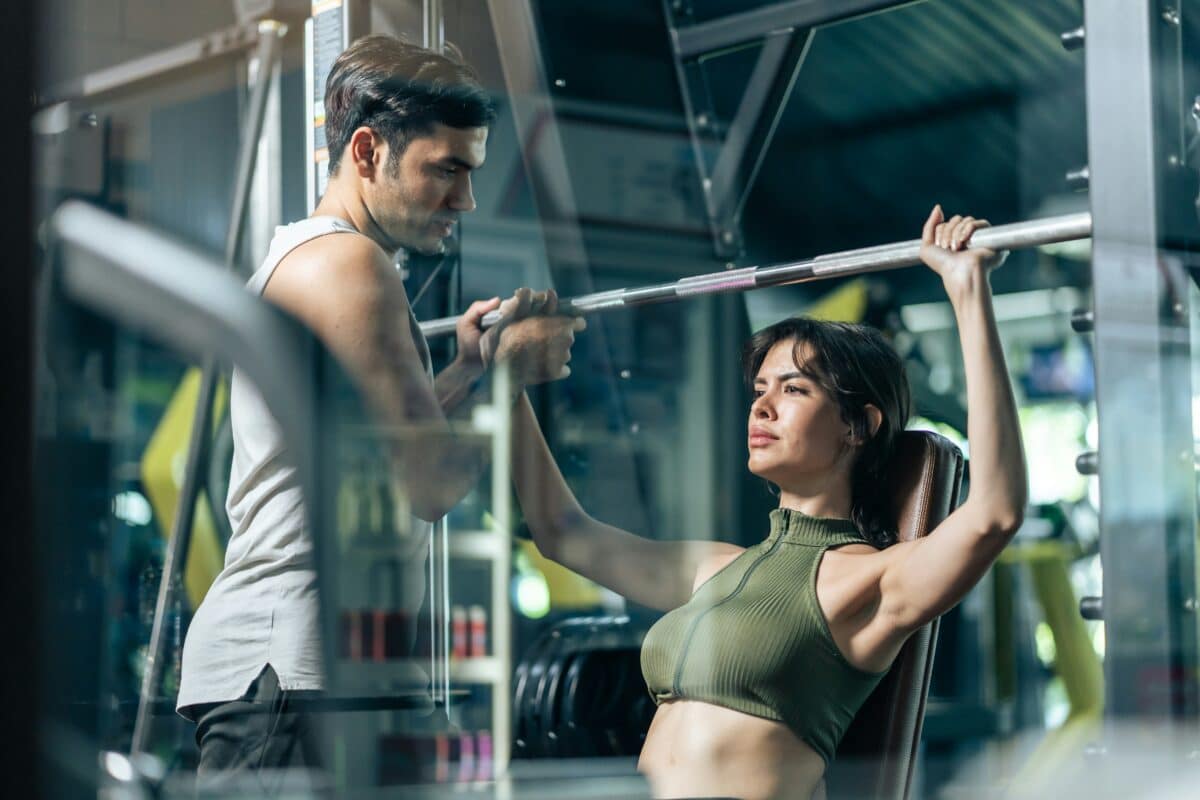
HIIT offers a range of workout styles that cater to different preferences and fitness levels. For women who prefer bodyweight exercises, a simple HIIT routine could include squats, push-ups, jumping jacks, and burpees. These exercises are easy to perform anywhere, making them perfect for at-home workouts.

For those looking to incorporate strength training, HIIT can be combined with dumbbells or kettlebells. Exercises such as kettlebell swings, lunges with weights, and dumbbell squats can be added into the circuit for an added challenge. This hybrid form of HIIT is effective for building muscle while burning fat simultaneously.

Another popular style of HIIT is the Tabata workout, which consists of 20 seconds of high-intensity work followed by 10 seconds of rest, repeated for a total of four minutes. Tabata workouts are great for those who want to push their limits with short bursts of intense activity.

Can HIIT Help with Weight Loss?

Many women turn to HIIT as a primary method for weight loss. Because HIIT is so effective at burning fat, it helps women shed unwanted pounds while maintaining lean muscle mass. One of the key factors in weight loss is creating a calorie deficit, and HIIT is known for its ability to burn calories both during and after the workout.

In addition to calorie burn, HIIT workouts boost metabolism, making it easier to sustain weight loss. The afterburn effect, or EPOC, continues to work even after the workout ends, meaning women continue burning calories long after they finish their exercise.

When combined with a balanced diet, HIIT can lead to significant and sustainable weight loss. It’s important to remember that no workout alone will result to weight loss; consistency, alongside proper nutrition, is essential. Many women have found HIIT to be an effective strategy in achieving their fitness goals and shedding extra pounds.

Is HIIT Suitable for Women of All Fitness Levels?

One of the great advantages of HIIT is its adaptability. It can be tailored to suit all fitness levels, from beginners to seasoned athletes. For beginners, HIIT can start with basic movements at a slower pace, with longer rest periods between intense bursts of activity. As the body adapts, the intensity can be increased to challenge endurance and strength.

For more advanced participants, HIIT can incorporate complex movements, heavier weights, and shorter recovery times. The beauty of HIIT lies in its scalability—whether you’re just starting out or are an experienced fitness enthusiast, there’s a way to make it work for your needs.

What Are the Common Mistakes to Avoid When Doing HIIT?

While HIIT can be highly effective, it’s important to approach it with proper technique to avoid injury. One common mistake is overtraining. Because HIIT is intense, it’s crucial to give the body enough time to recover. Women should aim for two to three HIIT sessions per week, with rest days in between, to allow muscles to recover and rebuild.

Another mistake is improper form. HIIT exercises are often performed at high speeds, which can lead to compromised form if not executed carefully. It’s essential to focus on proper technique, especially during the more challenging exercises, to prevent injuries.

Some may underestimate the importance of warming up and cooling down. These steps help prepare the body for intense activity and allow muscles to recover post-workout. Skipping these can increase the risk of injury and hinder overall progress.

Easy Ways to Boost Your Well-Being Every Day

General health has become a focal point for many people striving to live longer, healthier lives. As the world continues to evolve, the importance of maintaining good health cannot be overstated. Today, more individuals are becoming aware of the significant role their lifestyle choices play in improving overall wellness. Whether it’s through better diet habits, incorporating physical activity into daily routines, or focusing on mental well-being, small, consistent changes can lead to substantial improvements in quality of life.

Why Is Taking Care of Your Health So Important?

Our health is the foundation upon which everything else is built. When we prioritize health, we improve not just our physical bodies but also our emotional and mental well-being. Healthy living leads to better energy levels, improved mood, and a more robust immune system. Additionally, living a healthier life can reduce the risk of developing chronic conditions such as heart disease, diabetes, and obesity.

Good health also directly impacts longevity. Research shows that individuals who lead healthy lives, whether through exercise, diet, or reducing stress, often live longer, more vibrant lives. By making positive changes today, we set the stage for a future of vitality and strength.

What Are the Most Effective Ways to Improve Health?

When it comes to improving general health, the approach should be holistic. A single change might make a difference, but a combination of healthy habits can transform how a person feels. One of the most powerful tools for improving well-being is regular physical activity. Whether through walking, jogging, yoga, or cycling, staying active boosts cardiovascular health, strengthens muscles, and helps maintain a healthy weight.

Equally important is nutrition. The food we eat plays a crucial role in our health. Eating a balanced diet, rich in fruits, vegetables, lean proteins, and whole grains, is essential for fueling the body with necessary nutrients. Avoiding processed foods and reducing sugar intake can help regulate energy levels and contribute to overall well-being.

Mental health is often overlooked in the pursuit of physical wellness, but it’s just as critical. Taking time to focus on relaxation techniques such as meditation, mindfulness, or deep breathing exercises can help reduce stress, improve focus, and promote emotional health. Prioritizing sleep also plays a crucial role. Ensuring a sufficient amount of quality rest supports the body’s natural healing processes, strengthens the immune system, and increases cognitive function.

How Can Small Changes Make a Big Difference?

Improving your health doesn’t require drastic, overnight changes. Often, it’s the small, incremental shifts that lead to the most significant benefits. Starting your day with a glass of water, taking the stairs instead of the elevator, or swapping sugary snacks for healthier options can make a noticeable difference over time. These little habits, when practiced consistently, can have a compounding effect, leading to improved overall health.

Consistency is key. When people try to overhaul their entire lifestyle all at once, it can be overwhelming and difficult to maintain. A more sustainable approach is to set realistic goals, and gradually build up healthy habits. By focusing on one change at a time—whether it’s improving diet, increasing activity levels, or enhancing sleep quality—people can achieve lasting results.

Social connections also contribute to well-being. Staying connected with friends, family, or a community group provides emotional support and helps to combat feelings of loneliness or isolation. The more we engage with others in positive and meaningful ways, the more likely we are to feel mentally healthy.

What Impact Does Mental Well-Being Have on Overall Health?

Mental health is foundational to overall well-being. Stress, anxiety, and depression can have serious effects on physical health. Prolonged mental strain can weaken the immune system, increase the risk of chronic conditions, and lower overall energy levels. On the flip side, managing stress effectively can strengthen your body’s resilience.

Practicing mental wellness techniques, such as mindfulness and self-compassion, can lead to a significant improvement in how we handle life’s challenges. Stress-management strategies like journaling, engaging in creative hobbies, or simply taking breaks from work can reduce mental pressure and enhance emotional stability.

Socializing, pursuing hobbies, or volunteering for causes you care about can also increase feelings of purpose and fulfillment, boosting your overall mental well-being. Mental clarity, a sense of contentment, and the ability to manage stress play critical roles in a person’s ability to maintain good health.

What Are the Benefits of Healthy Living?

The benefits of maintaining a healthy lifestyle are far-reaching. Not only does it help you feel good today, but it also sets you up for a brighter future. By committing to regular exercise, proper nutrition, and mental health care, you build the foundation for a strong immune system and reduced risk of chronic diseases.

Another benefit of healthy living is the improvement in quality of life. With better physical health, you can enjoy your favorite activities without feeling fatigued. A healthy lifestyle can lead to better sleep patterns, increased energy, and a more positive outlook on life.

When we make our health a priority, it positively impacts not just our lives but the lives of those around us. A healthier, happier you can inspire others to take charge of their health, creating a ripple effect that can improve the well-being of entire communities.

The journey to better health doesn’t have to be complicated. By implementing small, sustainable changes, anyone can improve their physical and mental well-being. Focusing on gradual improvement, consistency, and a balanced lifestyle will lead to long-lasting benefits for both mind and body.

Inspiring Family-Friendly Home Décor Ideas

When it comes to home décor, creating a space that reflects your personal style while being functional for your family can be a delicate balance. Home decoration is not just about making a place look good; it’s about creating a space that promotes comfort, creativity, and well-being for everyone in the family. Whether you’re decorating a new home or refreshing your current space, there are countless ways to enhance your home environment without compromising on practicality. This provides inspirational home décor ideas that cater to families, blending aesthetic appeal with family-friendly functionality.

How Can You Design a Family-Friendly Living Room?

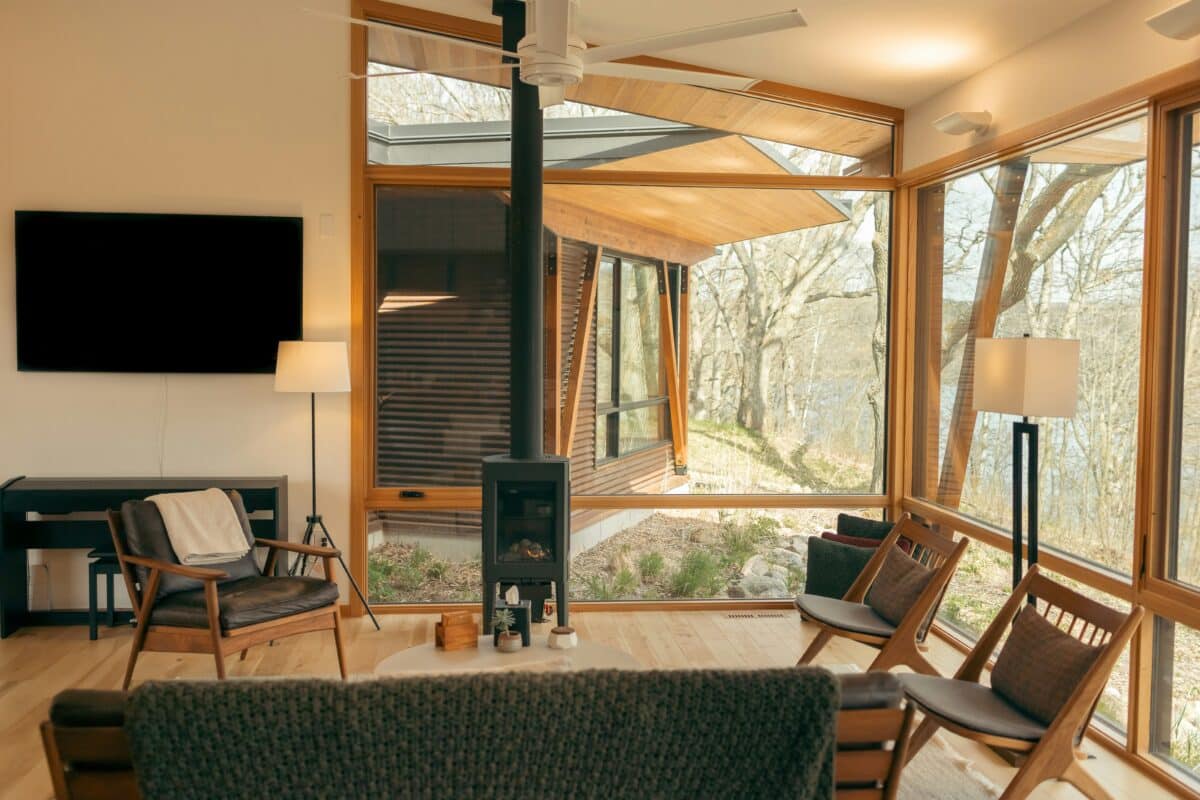
The living room is often the heart of a home—a place where families gather to relax, play, and enjoy each other’s company. Designing a family-friendly living room means choosing furniture and décor that are both durable and inviting. For families with young children, opting for stain-resistant fabrics, slipcovers, and easy-to-clean surfaces is a must. Choose sofas and chairs that are comfortable but sturdy, such as sectional couches with removable covers, which can be washed easily.

Incorporating soft textures, like plush rugs or throws, can make the space feel warm and welcoming. For those with pets or small children, consider materials that can withstand wear and tear while maintaining a cozy atmosphere. A neutral color palette is often ideal for families since it provides versatility and serves as a calming backdrop. You can easily add pops of color with decorative cushions, wall art, or throw blankets that can be swapped out as trends change.

Storage is another critical element of family-friendly living rooms. Use stylish storage solutions, like baskets, shelves, and ottomans, to keep toys, remote controls, and books organized. This ensures the living room remains a tidy and inviting space, even when it doubles as a play area.

What Are the Best Home Décor Tips for Family Bedrooms?

Creating a peaceful and functional family bedroom starts with understanding the needs of each family member. A great family bedroom is one that provides enough space for everyone while also fostering a restful environment. If you have young children sharing a room, consider bunk beds or lofted beds to maximize floor space. For older children or teens, twin or full-sized beds with built-in storage drawers are great choices for keeping their room organized.

For decorating children’s rooms, opt for bold and cheerful colors, but try not to overwhelm the space. A feature wall with a unique design—such as geometric patterns or soft murals—can be a creative way to add personality to the room without making it feel too busy. Use functional furniture that can grow with your child, such as adjustable beds, desks, and chairs. Multi-purpose furniture is also key in family bedrooms, as it saves space while offering practical solutions.

Don’t forget to create a cozy reading nook or a place for quiet time in the bedroom. Adding comfortable cushions or bean bags next to a bookshelf gives kids a special spot to unwind, read, or dream up their next adventure.

How Can You Make Your Kitchen and Dining Area More Family-Oriented?

The kitchen and dining area are often the central gathering places of the home, and making these spaces both beautiful and practical is essential for family life. Family kitchens should prioritize both functionality and style. For families with young children, look for safety-conscious designs, such as rounded counters, childproof drawers, and non-slip flooring. Choose durable, easy-to-clean surfaces like quartz countertops or tile backsplashes that can withstand spills, scratches, and heavy use.

Incorporating ample storage solutions, such as pull-out shelves or custom cabinetry, will make organizing kitchen tools, food, and small appliances much easier. If your kitchen opens into a dining area, consider an open-concept layout that encourages interaction while cooking. A large family dining table is ideal for shared meals, and a comfortable chair for each family member helps create a sense of togetherness.

Color schemes in the kitchen and dining areas should feel warm and inviting. Shades of soft blue, earthy tones, or warm neutrals can help create a relaxed atmosphere where the family can gather comfortably. Adding elements like pendant lighting over the dining table or a statement rug underfoot can enhance the aesthetic appeal without overwhelming the space.

What Are Some Practical Décor Ideas for Family-Friendly Entryways?

The entryway is the first impression of your home, and it should be welcoming yet functional for the whole family. Since entryways are often high-traffic areas, incorporating easy-to-maintain and practical décor is essential. A wall-mounted coat rack or hooks is perfect for hanging coats, backpacks, and hats, keeping the space clutter-free. If you have space, adding a bench near the entryway can provide a place for children and adults to put on shoes or store bags.

In terms of flooring, choose materials that are durable and easy to clean, such as ceramic tile or wood laminate. You can add personality to the entryway by using a statement rug that complements the rest of your home décor while being durable enough to handle daily foot traffic. Incorporate some greenery or small decorative touches to make the entry feel inviting and personal.

How Do You Create a Family-Friendly Outdoor Space?

Outdoor spaces offer valuable opportunities for families to relax and engage with nature. To create an inviting and functional outdoor space, focus on comfortable seating and versatile furniture. A patio set with a large table can provide plenty of space for family meals outdoors, while a comfortable lounge area with soft seating can offer a place for relaxation.

Adding outdoor lighting not only enhances the ambiance in the evenings but also helps to ensure safety for family activities at night. Whether you’re hosting barbecues, gardening, or enjoying a quiet evening under the stars, creating an outdoor space that accommodates the needs of all family members will foster quality time in a beautiful environment.

When it comes to home décor for families, it’s important to strike a balance between style and practicality. The goal should always be to create spaces that are not only aesthetically pleasing but also conducive to family activities, relaxation, and bonding. By incorporating functional furniture, thoughtful storage solutions, and spaces designed for quality time, you can ensure that your home is a place where both you and your family can thrive.