Women's Journal

The Benefits of Plant-Based Diets for Women


What Is a Plant-Based Diet?

A plant-based diet focuses on foods primarily from plants. This includes not only fruits and vegetables, but also nuts, seeds, oils, whole grains, legumes, and beans. Plant-based diets can vary in strictness from including some animal products to being entirely vegan. The key is that a majority of the diet comes from plant sources.

How Does a Plant-Based Diet Improve Women’s Health?

Adopting a plant-based diet can offer numerous health benefits for women. Here’s how:

  1. Heart Health: Plant-based diets are rich in fiber, antioxidants, and healthy fats, all of which are beneficial for heart health. Studies have shown that women who follow plant-based diets have lower cholesterol levels and blood pressure, reducing the risk of heart disease.
  2. Weight Management: Plant-based diets tend to be lower in calories and higher in nutrients, helping women maintain a healthy weight. The high fiber content in plant foods keeps you feeling full longer, which can prevent overeating.
  3. Hormonal Balance: Many plant foods contain phytoestrogens, which are natural compounds that can help balance hormone levels. This can be particularly beneficial for women experiencing symptoms of menopause or hormonal imbalances.
  4. Bone Health: Contrary to common belief, a well-planned plant-based diet can provide all the necessary nutrients for bone health, including calcium, vitamin D, and magnesium. Green leafy vegetables, fortified plant milks, and nuts are excellent sources of these nutrients.

What Are the Nutritional Benefits?

Plant-based diets offer a wealth of nutritional benefits. Here’s a closer look at some key nutrients and their benefits for women:

  1. Fiber: High fiber intake aids in digestion and helps prevent constipation. It also supports healthy blood sugar levels and lowers cholesterol.
  2. Vitamins and Minerals: Plant-based diets are rich in vitamins and minerals such as vitamin C, vitamin E, magnesium, and potassium, which support overall health and vitality.
  3. Antioxidants: Plant foods are loaded with antioxidants, which protect the body from oxidative stress and reduce the risk of chronic diseases, including certain cancers.
  4. Healthy Fats: Nuts, seeds, avocados, and olives provide healthy fats that are essential for brain health and reducing inflammation.

How Can a Plant-Based Diet Affect Women’s Energy Levels?

Switching to a plant-based diet can lead to increased energy levels. Here’s why:

  1. Improved Digestion: The high fiber content in plant-based foods aids in smoother digestion, preventing sluggishness and bloating.
  2. Stable Blood Sugar: Plant-based diets help maintain stable blood sugar levels, providing sustained energy throughout the day and preventing energy crashes.
  3. Nutrient-Dense Foods: Whole plant foods are nutrient-dense, providing essential vitamins and minerals that boost energy and overall well-being.

What Are the Environmental Benefits?

Beyond personal health, plant-based diets offer significant environmental benefits. Here’s how:

  1. Reduced Carbon Footprint: Plant-based diets contribute to lower greenhouse gas emissions compared to diets heavy in animal products.
  2. Conservation of Water: Plant foods typically require less water to produce than animal products, conserving this vital resource.
  3. Sustainable Farming: Growing plants for food is generally more sustainable and less taxing on the environment than raising livestock.

How to Transition to a Plant-Based Diet?

Transitioning to a plant-based diet can be smooth and enjoyable with these tips:

  1. Start Gradually: Begin by incorporating more plant-based meals into your diet. Try “Meatless Mondays” or plant-based breakfasts.
  2. Explore New Foods: Experiment with a variety of fruits, vegetables, grains, and legumes. Discover new recipes and cuisines that emphasize plant-based ingredients.
  3. Plan Your Meals: Plan your meals to ensure you’re getting a balanced intake of nutrients. Include a mix of protein sources, healthy fats, and fiber-rich foods.
  4. Stay Informed: Educate yourself about plant-based nutrition. Consider consulting with a nutritionist to ensure you’re meeting all your nutritional needs.

What Are Some Common Myths About Plant-Based Diets?

There are several myths about plant-based diets that might discourage people from trying them. Here are a few debunked:

  1. Lack of Protein: Many people believe that plant-based diets lack protein. However, there are plenty of plant-based protein sources such as beans, lentils, tofu, and quinoa.
  2. Nutritional Deficiencies: While it’s true that some nutrients like vitamin B12 and iron are more readily found in animal products, these can be obtained through fortified foods or supplements.
  3. Limited Food Choices: Some think plant-based diets are boring or restrictive. On the contrary, there is a vast variety of delicious and diverse plant-based foods to explore.

Adopting a plant-based diet can bring numerous health benefits for women, from improving heart health and balancing hormones to boosting energy levels and aiding weight management. Moreover, it supports environmental sustainability. By starting gradually and exploring a variety of plant-based foods, women can enjoy these benefits while maintaining a balanced and enjoyable diet. Embrace the power of plants and transform your health and well-being.


Nailing Style: Dive into Nail Art and Manicure Ideas – Unveiling Trendy Designs, DIY Tips, and At-Home Nail Care Wisdom

Your Nail, Your Canvas

When it comes to expressing your style, your nails play a crucial role. Nail art and manicures are not just about pretty polish – they’re an art form, a personal statement, and a way to showcase creativity. In this guide, we’ll explore the latest trends, share some amazing nail art designs, and provide tips for mastering the art of at-home nail care.

1. Trendy Nail Art Designs to Flaunt

Say goodbye to plain, one-color nails. Nail art is all about expressing yourself, and the trends are ever-evolving. From minimalist geometric patterns to vibrant floral designs, there’s something for every taste. Explore the latest trends, get inspired, and let your nails become a canvas for your unique style.

2. DIY Nail Art: Your Creative Playground

You don’t need to be a professional nail artist to create stunning designs. DIY nail art is all about experimenting and having fun. Learn simple techniques like ombre nails, polka dots, or even easy floral patterns. Armed with a few basic tools and your favorite nail polish colors, you can unleash your inner artist right at home.

3. The Magic of Manicures: Tips for Healthy Nails

Beautiful nails start with a healthy foundation. Discover the secrets of a perfect manicure – from proper nail care routines to shaping and buffing. Learn how to keep your nails strong and healthy, preventing common issues like breakage and split ends. A little self-care can go a long way in maintaining gorgeous nails.

4. Embrace Your Nail Shape

Did you know that different nail shapes can complement your hands in unique ways? Whether you prefer a classic square shape or trendy almond nails, understanding what suits you best can enhance the overall look. We’ll guide you through the popular nail shapes and help you choose the one that fits your style.

5. Nail Care at Home: A Simple Guide

Maintaining your nails doesn’t require frequent salon visits. With a few simple steps, you can keep your nails looking fabulous at home. We’ll cover the basics of trimming, filing, and moisturizing, ensuring your nails stay healthy between salon appointments.

6. Sustainable and Creative Nail Trends

Join the eco-friendly wave with sustainable nail care options. Discover nail polish brands that prioritize eco-conscious practices and explore creative ways to make your nail routine more sustainable. Being stylish can also mean being kind to the planet.

7. Seasonal Nail Trends: Adapting to the Time of Year

Nail trends often change with the seasons. Explore how to adapt your nail art to match the mood of each season. From vibrant summer colors to cozy winter vibes, your nails can be a reflection of the world outside your window.

8. Express Yourself: Nails as a Form of Artistic Expression

Your nails are a unique canvas waiting to tell your story. Dive into the world of expressive nail art and discover how to use your nails as a form of artistic expression. Whether it’s showing support for a cause or celebrating your favorite hobbies, your nails can be a powerful and personal statement.

Nail art and manicures are more than just beauty routines – they’re a form of self-expression and creativity. From trendy designs to DIY adventures at home, your nails can be a reflection of your style and personality. So, grab your favorite nail polish, embrace the trends, and let your nails be the masterpiece they were meant to be. Nailing style has never been so much fun!

How Mindfulness and Creativity Reduce Stress

Stress is an inevitable part of daily life, and its effects can be far-reaching, influencing mood, energy, and overall health. While everyone experiences stress differently, its impact on mental and physical well-being is undeniable. Left unchecked, it can take a toll on both emotional balance and long-term health.

Fortunately, there are proven techniques and activities that can help reduce stress and foster a sense of calm. These strategies go beyond addressing immediate anxiety; they also strengthen resilience, equipping individuals to handle future challenges more effectively. By integrating these practices into daily routines, it is possible to not only manage stress but also improve overall quality of life.

How Can Physical Activity Reduce Stress?

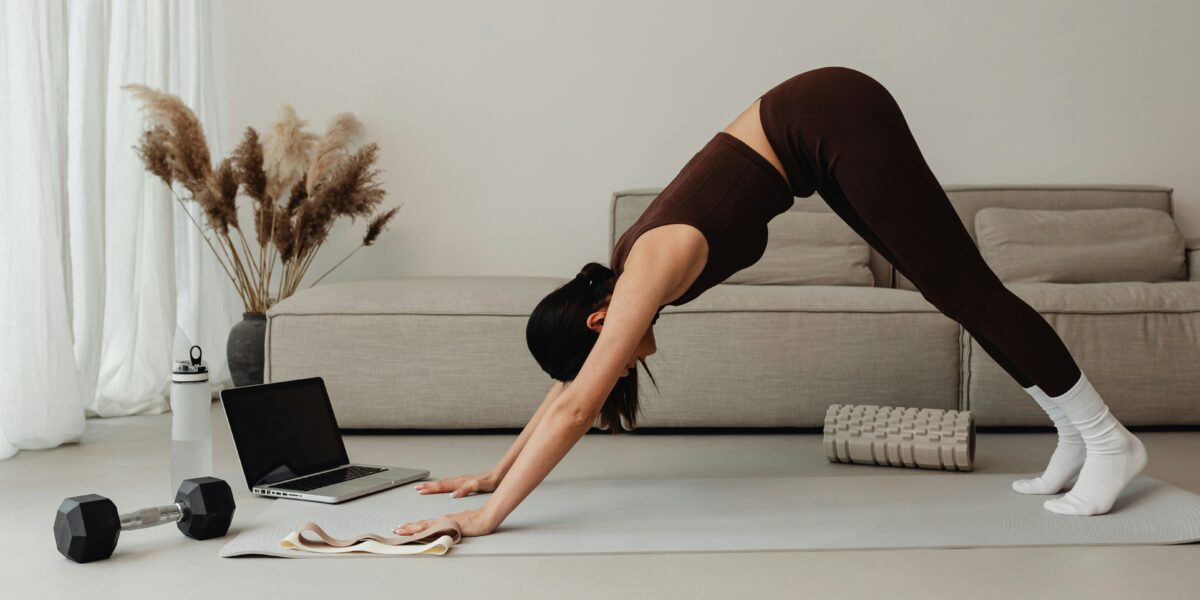
Engaging in physical activity is one of the most effective ways to relieve stress. When you move your body, it triggers the release of endorphins, often referred to as “feel-good hormones.” These natural chemicals improve mood and create a sense of relaxation. Activities like walking, yoga, or swimming combine physical movement with mindfulness, offering double the benefits.

Yoga, for example, emphasizes both physical postures and controlled breathing, making it an excellent choice for stress relief. Research shows that yoga can lower cortisol levels, a key stress hormone, while also enhancing mental focus and clarity. Even gentle activities, such as stretching or taking a stroll in nature, can have a calming effect. Incorporating regular physical movement into your day doesn’t just reduce stress in the moment—it builds long-term mental and physical resilience.

Can Mindfulness Practices Help Alleviate Stress?

Mindfulness, or the practice of staying present in the moment, is a powerful tool for reducing stress. Techniques such as meditation, deep breathing, and journaling allow you to shift your focus away from worries and into the present. These activities help calm the nervous system, which is often overstimulated during periods of stress.

Deep breathing, for instance, is a simple yet highly effective technique. By taking slow, deliberate breaths, you signal to your body that it is safe to relax. This reduces the “fight or flight” response triggered by stress and helps restore a sense of balance. Similarly, meditation encourages you to let go of racing thoughts, replacing them with a sense of inner peace. Regular mindfulness practices can enhance your overall emotional well-being, making it easier to navigate stressful situations with clarity and calm.

Why Do Creative Outlets Reduce Stress?

Creative activities are not only enjoyable but also therapeutic, offering a productive way to channel stress. Engaging in art, music, writing, or crafting provides an outlet to express emotions and shift your focus from stressful thoughts. Creative tasks stimulate the brain, encouraging positive emotions and reducing anxiety.

Journaling, for example, allows you to put your feelings into words, helping you process and understand your emotions better. Music, whether listening or playing an instrument, can have an immediate calming effect, lowering heart rate and blood pressure. Even simple activities like coloring or gardening can bring a sense of accomplishment and tranquility. Making time for creativity is more than a hobby—it’s a stress-relief strategy that enhances mental clarity and emotional health.

The Power of Connection in Relieving Stress

Human connection plays a critical role in managing stress. Spending time with loved ones, talking with friends, or joining a supportive community can provide comfort and a sense of belonging. Social interactions help release oxytocin, a hormone that counters the effects of stress and promotes feelings of trust and closeness.

For women especially, creating a network of support can be a powerful tool for handling life’s challenges. Whether it’s sharing experiences, seeking advice, or simply enjoying each other’s company, connection reduces feelings of isolation and helps build emotional resilience. Even brief moments of connection, like a phone call or a shared activity, can make a significant difference in your stress levels.

By combining physical activity, mindfulness, creativity, and connection, you can create a holistic approach to stress relief. These techniques are not just about managing stress but embracing a lifestyle that prioritizes mental and emotional well-being.

How Social Media is Shaping Modern Digital Marketing

Social media and digital marketing are no longer just buzzwords; they have become integral to how businesses connect with their audiences and shape their online presence. As platforms evolve and new technologies emerge, the digital world is undergoing rapid transformations that continue to shape how brands interact with consumers. Today, social media is more than just a place to share updates—it’s a powerful tool for communication, brand building, and community engagement.

The rapid pace of change in these spaces has both businesses and individuals staying on their toes, adapting to new trends and features to maintain relevance. From the rise of TikTok to the growing focus on privacy, understanding these shifts is essential for staying competitive in an ever-changing digital landscape. Let’s explore the key trends that are making waves in social media and digital marketing, shaping the way we interact with technology.

How Are Social Media Platforms Adapting to User Preferences?

As the digital landscape continues to evolve, social media platforms have become increasingly focused on providing users with more personalized experiences. Platforms like Instagram and Facebook have embraced AI-driven algorithms that curate content based on individual preferences. This shift has made it easier for users to discover content that resonates with them, while brands are increasingly finding new ways to connect with their audiences through more targeted strategies.

For businesses, this means adapting their marketing efforts to be more aligned with user behavior and interests. Content creators and influencers are now leveraging these personalized feeds to reach more specific audiences, increasing the effectiveness of their campaigns. Brands are increasingly tapping into these trends by working with influencers who align with their values, ensuring their messaging feels authentic and engaging.

Another notable change is the push for short-form content. Platforms like TikTok have popularized quick, engaging videos that cater to short attention spans. This format has been quickly adopted by other platforms, such as Instagram Reels and YouTube Shorts, as businesses strive to capture the fleeting attention of their audiences. The success of short-form content has also influenced how brands craft their marketing messages, often prioritizing entertainment and creativity over traditional, long-form advertisements.

In response to users’ desires for more privacy and control over their data, social media platforms are also enhancing security features. With data privacy concerns on the rise, platforms like Apple and Google have introduced more stringent measures to protect user information, making it necessary for marketers to adjust how they collect and use consumer data.

How Are Digital Marketing Strategies Evolving?

The rise of social media has significantly shifted the dynamics of digital marketing, introducing new strategies and tools to engage with consumers. Paid social advertising, which was once an afterthought, has now become a cornerstone of many marketing campaigns. Brands are increasingly allocating larger portions of their budgets to paid social media ads, especially on platforms like Facebook and Instagram, where audience targeting capabilities allow for greater precision.

Video marketing has emerged as a powerful tool, with live-streaming becoming a core feature on many platforms. Whether it’s a product launch, a Q&A session, or behind-the-scenes content, brands are finding that live-streaming offers a unique way to connect with audiences in real-time. Live-streaming creates a sense of urgency and exclusivity, which drives engagement and builds stronger connections with followers.

E-commerce integration has also taken center stage, with platforms like Instagram and TikTok allowing users to shop directly through their apps. Social commerce is rapidly changing the way consumers discover and purchase products. For businesses, this offers a seamless shopping experience that is integrated into the social media browsing process, reducing friction and making it easier for users to buy what they see.

Another significant trend is user-generated content (UGC). Brands are increasingly utilizing content created by their customers to foster a sense of community and trust. UGC provides a more authentic and relatable form of marketing, allowing brands to build connections with their audience through shared experiences. Consumers today are more inclined to trust real people over traditional advertising, making UGC a valuable tool for increasing engagement and building credibility.

How Is Digital Marketing Shaping Consumer Behavior?

The way consumers behave online is rapidly changing, and digital marketing is at the heart of this shift. Social media and digital platforms are not just places to share information—they are now central to decision-making processes. With the rise of influencers and authentic brand collaborations, consumers are looking for more personalized and relatable content that resonates with their values and interests.

Social proof has become a powerful factor in influencing purchasing decisions. Customer reviews, testimonials, and influencer recommendations are now essential in shaping how products and services are perceived. Consumers trust real-world experiences over traditional advertising, which has prompted brands to embrace a more authentic, transparent approach in their marketing efforts.

The role of visual content in shaping purchasing decisions cannot be overstated. Images, videos, and interactive content play a key role in consumer decision-making. The more visually appealing and engaging content is, the more likely consumers are to take action, whether it’s liking a post, sharing it, or making a purchase.

As the digital world grows more interconnected, the concept of omnichannel marketing is also gaining ground. Consumers expect a seamless experience across all touchpoints—whether on social media, a brand’s website, or in-store. Brands must ensure consistency and convenience across these various channels to meet the expectations of the modern consumer.

What Trends Are Influencing the Future of Digital Marketing?

The landscape of digital marketing is continuously evolving, with new trends constantly emerging. Augmented Reality (AR) and Virtual Reality (VR) are two technologies gaining traction in the marketing space, allowing businesses to create interactive, immersive experiences for their customers. These technologies offer exciting opportunities for brands to engage consumers in new and innovative ways, whether through virtual try-ons for clothing or immersive brand experiences.

Voice search is also playing a growing role in how consumers interact with digital content. As smart speakers and voice assistants become more ubiquitous, businesses are optimizing their content for voice search. This shift is changing how marketers think about SEO, focusing more on conversational language and question-based queries.

The focus on sustainability and social responsibility is another factor influencing the future of digital marketing. Consumers today are increasingly mindful of the values that companies stand for, and brands are being held to higher standards when it comes to environmental and social issues. Digital marketing campaigns that reflect a company’s commitment to sustainability and social good resonate deeply with conscious consumers.

Another important trend is the rise of artificial intelligence (AI) and machine learning in digital marketing. These technologies are transforming the way marketers approach data analysis, customer service, and personalization. AI-powered tools can help brands predict consumer behavior, automate tasks, and provide personalized experiences, making it easier for businesses to deliver more effective campaigns.

The digital world continues to change rapidly, with each new development presenting opportunities for businesses to connect with consumers in fresh and innovative ways. As social media and digital marketing continue to evolve, staying ahead of the latest trends is crucial for businesses looking to maintain a strong online presence and effectively engage with their audiences.

Mental Health Check-ins: How Women Can Prioritize Their Well-being

In a world that moves quickly, finding time to care for your mental health can often fall by the wayside. However, regular mental health check-ins are essential, especially for women who juggle multiple responsibilities. From work and family to personal obligations, the constant demands of life can leave little room for self-reflection. But learning to assess your emotional health regularly can help maintain balance and improve overall well-being. Here’s why it matters and how you can start prioritizing your mental health today.

Why Are Mental Health Check-ins Important?

Mental health check-ins are crucial for recognizing how you’re really feeling beneath the surface. Many women may focus on external obligations, putting their emotional needs aside to “get things done.” Over time, this can lead to burnout, anxiety, and even depression. Regularly checking in with yourself helps prevent emotional strain from building up unnoticed​.

Emotional well-being is not just about avoiding negative feelings—it’s about creating space for balance, peace, and fulfillment. By assessing your mental health regularly, you become more aware of patterns that might need addressing, whether it’s chronic stress, overwhelming feelings, or even moments of joy that need to be acknowledged. Mental health check-ins give you the opportunity to pause, reflect, and make changes before things escalate.

Women, in particular, can benefit from this practice due to the unique pressures they often face in balancing multiple roles. Taking time to ask yourself simple but meaningful questions like “How am I feeling today?” or “What do I need right now?” can make a significant difference in understanding and managing your emotions​.

How Can Women Check in on Their Mental Health?

Starting a mental health check-in routine doesn’t have to be complicated. It’s about creating small, intentional moments to pause and reflect. One of the easiest ways to begin is by practicing mindfulness. Mindfulness encourages you to stay in the present moment and acknowledge your feelings without judgment. Setting aside five to ten minutes a day to sit quietly and assess how you’re feeling mentally and physically can give you insight into your emotional state.

Another effective way to conduct a check-in is through journaling. Writing down your thoughts can help you track patterns over time. If you’re feeling anxious or stressed, journaling provides a way to release those feelings and process them. Many women find that documenting both the highs and lows of their emotional experiences allows them to identify triggers or areas that need more attention. Even if writing isn’t your thing, simply asking yourself key questions, like “What has been draining my energy lately?” or “Am I feeling connected to the people around me?” can be revealing.

Social support is another important aspect of mental health. Check-ins aren’t just something you have to do alone. Talk to a trusted friend, family member, or counselor about your feelings. Sometimes, verbalizing what you’re going through helps you understand it more clearly. This kind of interaction also offers validation and can help reduce feelings of isolation, which is critical for maintaining mental health.

What Are Practical Tips for Prioritizing Emotional Well-being?

Once you begin regular mental health check-ins, the next step is making your well-being a priority. Self-care doesn’t have to mean grand gestures—it can be as simple as ensuring you take time each day for activities that nurture your mind and soul. Physical movement, for example, has been shown to reduce stress and improve mood. Whether it’s going for a walk, practicing yoga, or dancing to your favorite song, finding a physical outlet can boost emotional health​.

Setting boundaries is another key practice in prioritizing mental well-being. It’s important to recognize when to say no or step back from obligations that drain your energy. This can be particularly difficult for women who are often expected to take on multiple roles, but setting clear limits can prevent burnout and allow for greater emotional balance​.

Sleep and nutrition also play a vital role in mental health. Poor sleep and eating habits can exacerbate feelings of stress and anxiety. Regularly assessing your sleep quality and ensuring you’re fueling your body with nutritious foods are two basic yet powerful ways to improve emotional resilience.

Lastly, consider seeking professional help when needed. Mental health professionals provide valuable support and can guide you in exploring underlying issues or concerns that may not be immediately obvious. Therapy is not just for those in crisis; it’s a tool that can help you gain deeper insight into your emotional patterns and build strategies to maintain mental health.

Mental health check-ins are an essential practice for maintaining balance and emotional well-being. For women, taking time to pause, reflect, and assess how they’re feeling can prevent burnout and improve overall mental health. By incorporating small habits like mindfulness, journaling, or talking with a trusted friend, you can gain better insight into your emotions and begin to prioritize your needs more effectively. Remember, emotional well-being is not a luxury; it’s a necessity. Making it a priority not only enhances your quality of life but also helps you show up more fully for the people and things you care about most.

How to Achieve Visible Abs with the Right Diet

When it comes to achieving visible abs, most people think of crunches, planks, and endless hours at the gym. While exercise is certainly important, it’s your diet that plays a critical role in revealing those abs. In fact, a strong, toned core starts in the kitchen. By focusing on low-carb, high-protein meals and avoiding excess sugars and fats, you can optimize your body’s fat-burning potential, helping your abdominal muscles become more defined and visible. This article explores the dietary adjustments that can help you achieve that flat stomach and sculpted midsection.

Why Does Diet Play Such a Crucial Role in Getting Abs?

Achieving visible abs requires reducing body fat to a level where the muscles underneath can be seen. No matter how many crunches or leg raises you do, if you have a layer of fat covering your abdominal muscles, those efforts won’t show results. Diet is crucial because it directly affects body fat levels, metabolism, and overall energy balance.

A low-carb, high-protein diet can be an effective way to lose excess fat while preserving muscle mass. By cutting back on carbohydrates, especially refined ones, and focusing on lean proteins, your body shifts its fuel source from sugar to fat. This encourages fat loss, helping to uncover the muscles you’ve worked hard to develop. Research suggests that reducing carbohydrates can help regulate insulin levels, a key hormone involved in fat storage, while increasing protein intake helps maintain muscle during a fat loss phase.

What Should You Include in Your Diet for Visible Abs?

For those aiming to achieve a toned core, choosing the right foods is crucial. A balanced, nutrient-rich diet will support muscle repair, fat loss, and overall well-being, enabling you to reach your goal efficiently.

Lean proteins such as chicken, turkey, fish, and plant-based sources like tofu and lentils should be staples in your meals. Protein is essential for muscle repair and growth and helps keep you feeling full longer, which can prevent overeating. Eggs are another excellent source of protein, offering healthy fats and vital nutrients like vitamin B12, which supports energy production.

Healthy fats should also be a part of your diet. Unlike the unhealthy fats found in processed foods, omega-3-rich fats from sources like avocados, olive oil, and nuts are essential for metabolic function and inflammation reduction. Omega-3s are particularly beneficial for reducing belly fat and promoting overall heart health.

As for carbohydrates, the key is to focus on the right types. Whole grains like quinoa, brown rice, and sweet potatoes provide a steady source of energy without causing insulin spikes. These complex carbs are packed with fiber, which aids in digestion and helps you feel satisfied longer. On the other hand, simple carbs, such as sugary drinks and processed snacks, should be avoided, as they contribute to fat storage and can spike your blood sugar levels.

Fruits and vegetables are essential for any healthy diet, but they’re particularly helpful for fat loss and visible abs. Leafy greens, berries, and cruciferous vegetables like broccoli and cauliflower are low in calories and high in antioxidants, vitamins, and minerals. These foods help your body burn fat, reduce inflammation, and keep your metabolism running efficiently.

What Foods Should You Avoid for Better Abs?

While focusing on lean proteins, healthy fats, and fiber-rich carbs is essential for achieving visible abs, it’s equally important to avoid foods that can hinder your progress. Excess sugars and trans fats are the biggest culprits when it comes to stubborn belly fat.

Sugary foods—including candies, pastries, and sweetened beverages like sodas and fruit juices—are high in empty calories that contribute to fat storage rather than providing the energy your body needs for workouts and recovery. High sugar intake spikes insulin levels, encouraging your body to store fat, particularly around the midsection.

Processed trans fats, often found in fried foods, margarine, and packaged snacks, are another obstacle in the path to visible abs. These fats are not only unhealthy for your heart but also increase abdominal fat. Research shows that a diet high in trans fats can lead to fat accumulation in the belly area, even if you’re otherwise slim.

It’s important to limit your intake of alcohol, especially sugary cocktails and beer, as these drinks are packed with empty calories and can contribute to fat gain around the waistline. Alcohol also affects metabolism, making it harder for your body to burn fat effectively.

How Does Hydration Support Abs and Fat Loss?

While diet plays a critical role in achieving visible abs, hydration is another factor that should not be overlooked. Drinking plenty of water helps your body flush out toxins, regulate digestion, and keep your metabolism working efficiently. Sometimes, your body can mistake thirst for hunger, leading to unnecessary snacking or overeating. Staying hydrated also reduces bloating, giving you a flatter stomach appearance, which makes your abs look more defined.

To enhance fat-burning, consider drinking green tea or black coffee in moderation. These beverages are known to contain caffeine and antioxidants, both of which can increase your metabolism and aid in fat loss.

Achieving Your Abs: The Long-Term Approach

The journey to visible abs isn’t just about following a quick diet plan or hitting the gym for a few weeks. Achieving long-term success requires consistency and patience. It’s not just about restricting certain foods but making healthier choices a regular part of your lifestyle.

By focusing on a low-carb, high-protein diet, cutting out excess sugars and unhealthy fats, and staying hydrated, you can effectively reduce body fat and reveal the abs underneath. Pair this approach with a well-rounded fitness routine that includes both strength training and cardio, and you’ll be well on your way to a toned, sculpted midsection. Remember, visible abs are a result of the right balance of diet, exercise, and consistency.

Why Fashion Is Turning to Sustainability for the Future

The fashion industry has long been associated with trends, glamour, and innovation. However, a new and powerful trend is reshaping the way fashion operates: sustainability. From eco-friendly materials to ethical production practices, sustainability is now becoming a central pillar for brands across the world. This transformation is not just a passing fad but a fundamental shift towards creating a fashion industry that aligns with the growing concern over climate change, resource depletion, and ethical consumerism.

Why Sustainability is Now Crucial for the Fashion Industry

The fashion industry is one of the largest contributors to environmental degradation. It is responsible for a significant portion of global carbon emissions, water consumption, and waste generation. However, the growing demand for ethical fashion has led to a notable shift, where sustainability is no longer seen as a niche concern but a core value in the industry. Brands and designers are realizing that sustainable fashion isn’t just about reducing environmental harm, but also about creating a positive impact.

Industry experts highlight that adopting sustainable practices is now essential for survival. With consumers becoming more conscious of their environmental impact, brands that fail to embrace sustainability risk losing relevance. In fact, research suggests that over 60% of consumers are willing to pay more for products that come from companies with ethical and sustainable practices. This trend has sparked a major shift in the way brands approach design, manufacturing, and retail.

The Key Changes Driving Sustainability in Fashion

Several key changes are driving sustainability in the fashion industry. The first is the shift towards sustainable materials. Traditional fabrics like cotton, polyester, and leather often require significant amounts of water, energy, and chemicals to produce. Eco-friendly alternatives, such as organic cotton, hemp, recycled polyester, and vegan leather, are becoming more widely used. These materials are not only less harmful to the environment but also help reduce the fashion industry’s reliance on natural resources.

Another critical change is the growing emphasis on ethical production. Fashion brands are increasingly focusing on improving their supply chains, ensuring fair wages, safe working conditions, and environmental protection for their workers. Transparency has become a key buzzword, with consumers demanding to know where their clothes come from, how they’re made, and what impact they have on the planet. This is pushing brands to adopt ethical sourcing practices and invest in sustainable production methods.

Fashion’s Circular Future: The Rise of the ‘Closed-Loop’ System

One of the most significant steps towards sustainability in fashion is the development of the circular fashion model. Traditionally, fashion has operated on a linear model, where clothes are made, sold, worn, and eventually discarded. This system has led to an overwhelming amount of textile waste, contributing to landfills and environmental pollution.

The circular economy, however, is changing the game. This model focuses on designing clothes that are durable, recyclable, and repairable. Brands are now creating clothes with materials that can be easily reused or repurposed, reducing waste and encouraging longer product life cycles. Additionally, many companies are embracing take-back schemes, where customers can return their old clothing for recycling or refurbishment, allowing the materials to be used in the production of new garments.

The shift towards a circular economy is also promoting the use of upcycled materials. Designers are increasingly working with old garments and discarded fabrics, transforming them into new, fashionable pieces. This reduces the demand for virgin materials and prevents valuable resources from ending up in landfills. Sustainable fashion is not just about creating new clothes; it’s about rethinking how we interact with what we already own.

Technological Innovations Shaping Sustainable Fashion

Technology is playing a crucial role in advancing sustainability within the fashion industry. From 3D printing to smart textiles, innovations are enabling designers to create clothes with minimal waste and energy consumption. For example, 3D knitting technologies allow garments to be produced with little to no waste material, while smart fabrics can regulate temperature or change color, reducing the need for multiple items of clothing.

The rise of sustainable production technologies is enabling brands to minimize their carbon footprint. Waterless dyeing technologies and laser cutting are revolutionizing the manufacturing process, reducing water usage and chemical waste. Brands that implement these cutting-edge technologies are able to drastically reduce their environmental impact while producing high-quality garments.

Digital fashion is becoming more prominent, where clothes are created and sold in virtual spaces. This trend, which is gaining popularity among fashion-forward millennials and Gen Z, has the potential to drastically reduce the need for physical garments, lowering the fashion industry’s resource consumption.

Challenges Ahead: Can Fashion Truly Go Green?

While the progress made in the fashion industry towards sustainability is commendable, there are still significant challenges ahead. For one, many sustainable materials remain more expensive than their conventional counterparts, making eco-friendly clothing less accessible to a broader range of consumers. Additionally, greenwashing, where companies claim to be sustainable without making significant changes, remains a problem. Consumers must be vigilant and educated to ensure they are supporting brands that genuinely prioritize sustainability.

The widespread adoption of sustainable fashion practices is complicated by the fast-paced nature of the fashion industry. The trend cycle, which encourages rapid production and consumption, can be at odds with sustainability, which emphasizes slow, mindful consumption and durable goods.

Despite these challenges, the fashion industry is moving toward a more sustainable future. As innovations in technology continue to advance and consumer awareness grows, the transition to a fully sustainable fashion system becomes increasingly possible. The future of fashion will likely involve a balance between style and sustainability, where brands consider the environmental and social implications of their designs while still appealing to consumers’ desires for beauty, functionality, and individuality.

Discover the Benefits of Health and Wellness Centers

How Health and Wellness Centers Are Redefining Holistic Health

As the world becomes more health-conscious, many individuals are seeking alternative approaches to well-being. Health and wellness centers, which focus on holistic health, have seen a surge in popularity. These centers offer a comprehensive range of services designed to support the mind, body, and spirit, allowing individuals to take a more proactive role in their health. With the growing interest in natural therapies and preventive care, wellness centers are becoming a cornerstone for those looking to achieve a balanced and healthy lifestyle.

The emphasis at health and wellness centers is on treating the person as a whole, rather than just addressing individual symptoms. By offering services like acupuncture, yoga, nutritional counseling, and stress management techniques, these centers provide a one-stop destination for those seeking a more comprehensive approach to wellness. As stress and burnout continue to be significant concerns, many are turning to these centers to recharge and restore their health.

Why Are More People Turning to Wellness Centers?

Health and wellness centers are attracting more people due to the changing approach to healthcare. Traditional medicine often focuses on treating illness after it occurs, but wellness centers are geared toward prevention and holistic healing. This shift reflects a broader cultural change where people are increasingly aware of the benefits of living a lifestyle that promotes well-being from within.

A big factor in the rising demand is the personalization of services. Wellness centers understand that each individual’s health journey is unique. Whether it’s through tailored nutrition plans, personalized fitness regimens, or mental health support, these centers cater to the specific needs of their clients. In doing so, they empower individuals to take charge of their health in a way that feels relevant and sustainable.

The rise of chronic conditions like anxiety, depression, and stress has made people more aware of the importance of mental health. Many wellness centers offer therapies like meditation, mindfulness practices, and counseling to help individuals manage mental health concerns. By addressing both physical and mental health needs, wellness centers ensure a more balanced and integrated approach to overall wellness.

What Services Can You Expect at Health and Wellness Centers?

Health and wellness centers provide a variety of services that work in harmony to promote total well-being. These services often blend traditional health practices with alternative therapies, ensuring that individuals can receive a comprehensive care plan that suits their lifestyle and needs.

One of the most popular offerings is nutrition counseling. Wellness centers typically provide consultations with dietitians or nutritionists who help clients develop meal plans that support their personal health goals. Whether it’s weight management, improving gut health, or boosting energy levels, nutrition is a key component of the wellness approach.

Massage therapy and spa treatments are other common offerings at wellness centers. These services not only help with relaxation but also alleviate muscle tension, improve circulation, and reduce stress. Regular massage therapy, for example, can help enhance flexibility and promote faster recovery from physical activities.

Another key service offered by many wellness centers is yoga and meditation. These practices are excellent for improving mental clarity, reducing anxiety, and improving physical flexibility. Yoga can also help manage chronic pain and is often recommended as a complementary treatment for conditions like arthritis and fibromyalgia. Meditation, on the other hand, helps manage stress, improve sleep quality, and foster a sense of inner peace.

For those looking to improve their fitness levels, personalized fitness programs are another feature commonly found in wellness centers. These programs are designed to meet the specific needs and goals of the individual, whether they’re working on improving cardiovascular health, building strength, or rehabilitating an injury.

How Do Wellness Centers Promote Preventive Health?

Health and wellness centers are often at the forefront of the preventive health movement. Unlike traditional medical facilities that primarily treat symptoms of illness, wellness centers focus on proactive strategies to prevent health issues before they develop. The concept of prevention is increasingly popular, as it empowers individuals to maintain their health in the long term, reducing the risk of chronic diseases and improving overall quality of life.

One preventive approach that is commonly emphasized at wellness centers is stress management. Chronic stress has been linked to numerous health conditions, including heart disease, obesity, and depression. By offering tools like mindfulness practices, guided relaxation, and stress-relieving therapies, wellness centers equip clients with the skills they need to reduce stress and protect their health.

Another area of focus is immunology and detoxification. Many wellness centers offer treatments aimed at strengthening the immune system and clearing toxins from the body. Programs like colon hydrotherapy, lymphatic drainage massage, and detox diets are designed to cleanse the body and support its natural healing processes. This preventive approach can help individuals maintain high energy levels and avoid illness.

Wellness centers also encourage clients to adopt healthier lifestyle habits by providing resources on nutrition, sleep hygiene, and physical activity. By creating a comprehensive wellness plan that combines proper diet, exercise, and mental health practices, wellness centers help individuals stay ahead of potential health concerns.

Why Are Wellness Centers Becoming More Popular Among Women?

Women, in particular, are turning to health and wellness centers as they seek balance in their busy lives. Juggling careers, family responsibilities, and social obligations can often lead to stress, burnout, and a lack of self-care. Wellness centers provide a sanctuary where women can focus on their health and find balance between physical, emotional, and mental well-being.

Many wellness centers cater specifically to the needs of women, offering services like prenatal and postnatal care, hormone balancing, and fertility treatments. These specialized services address the unique challenges women face at different stages of life, from pregnancy to menopause. Wellness centers also provide a safe space for women to connect with others and foster a sense of community, which is essential for emotional well-being.

Wellness centers are also increasingly integrating self-care practices, such as skincare treatments, body wraps, and self-massage techniques, which are incredibly popular among women looking for a little indulgence and relaxation. These services not only improve physical appearance but also provide a sense of well-being and rejuvenation.

Breaking Barriers: Girls’ Growing Influence in Youth Sports

Youth sports have long been recognized for their physical, emotional, and social benefits. However, historically, girls have faced significant barriers to entry in these activities. From limited access to programs to societal expectations, many factors have hindered girls from fully participating in sports. In recent years, there has been a concerted effort to change this dynamic. With the rise of initiatives aimed at increasing opportunities and visibility for girls in youth sports, the landscape is shifting. This article explores the ongoing efforts to encourage more girls to participate in sports, focusing on the importance of inclusion and the impact of various initiatives.

Why Are Girls Underrepresented in Youth Sports?

The underrepresentation of girls in youth sports has been a well-documented issue. A key reason lies in societal expectations and the reinforcement of traditional gender roles. For many years, certain sports were seen as “male-dominated” or not suitable for girls. This perspective has resulted in fewer girls being encouraged to try different sports or pursue athletic goals. In addition, the lack of female role models in sports has contributed to the perception that sports are not a space for girls to thrive. Many girls, especially in their early teens, also face a lack of female coaches or mentors who can offer guidance and inspiration.

Despite these challenges, there is an undeniable push to change the narrative. The rise of female athletes excelling in traditionally male-dominated sports has sparked conversations about the importance of representation. When young girls see athletes like Serena Williams, Megan Rapinoe, and Simone Biles dominating their respective sports, they are inspired to dream bigger and challenge the status quo.

Key Initiatives to Increase Girls’ Participation in Sports

In response to these challenges, a number of initiatives have been launched to promote gender equity in youth sports. These efforts focus on both improving accessibility and changing perceptions about girls in sports. National organizations like the Women’s Sports Foundation have long championed the need for girls to have equal opportunities to participate in sports from a young age. Their programs have pushed for policy changes that demand equal resources, including funding for girls’ sports teams and better access to sports facilities.

Another major initiative is the growing emphasis on sports education programs that are specifically designed for girls. These programs not only offer a space for girls to develop athletic skills but also emphasize the importance of self-esteem, teamwork, and leadership. One such program is Girls on the Run, which combines running with a curriculum that focuses on developing emotional well-being and life skills. Programs like these help girls build confidence, both on and off the field.

The rise of social media platforms has provided a space for female athletes to amplify their voices and connect with younger generations. Social media allows athletes to show the world that success in sports is not limited by gender. This increased visibility is encouraging many young girls to see themselves as athletes, breaking down outdated stereotypes.

Creating More Opportunities for Girls in Sports

While initiatives and programs are making significant strides, there is still much work to be done. Access to sports programs remains a barrier in many communities, especially for low-income families. Research shows that girls are less likely to have access to organized sports programs than their male counterparts, particularly in underserved areas. Efforts to offer scholarships and financial aid for girls in sports are essential in ensuring that cost does not stand in the way of their participation.

One of the most effective ways to combat this issue is by creating more all-girls teams in traditionally co-ed sports. Girls often feel more comfortable in environments where they are not competing with boys for playing time or attention. These programs are growing in popularity, and schools and youth leagues are beginning to prioritize offering girls the same opportunities as boys. Furthermore, encouraging female coaching staff is another important change. Girls benefit greatly from seeing coaches who understand their needs and can serve as positive role models.

Making sports inclusive and safe for all girls, including those from marginalized communities, is critical. Organizations need to ensure that their programs accommodate diverse backgrounds, ensuring that every girl, regardless of race, ethnicity, or ability, has access to sports. Ensuring that girls feel empowered in sports spaces will help build a more inclusive athletic community that nurtures their growth.

The Impact of Girls in Sports

As girls continue to break barriers in youth sports, their impact is felt far beyond the field. Participation in sports helps girls build confidence, teaches them valuable leadership skills, and fosters a sense of teamwork and discipline. The lessons learned in sports—such as resilience, goal setting, and overcoming setbacks—often translate into other areas of life, including academics and career success.

When girls are given the opportunity to thrive in sports, they not only gain physical strength but also mental toughness. Studies show that athletic girls are more likely to develop a positive body image and have lower rates of anxiety and depression. The social skills they develop while working with teammates help them build lasting relationships and better communication abilities.

The visibility of girls excelling in sports has a societal impact. As more girls are encouraged to pursue sports, they become role models for future generations. This cycle of inspiration continues to propel the global movement toward gender equality, proving that the world of sports is for everyone, regardless of gender.

Girls in Youth Sports: A Bright Future Ahead

The future of girls in youth sports is undoubtedly bright, thanks to a growing recognition of the importance of equal opportunities. From groundbreaking programs to increasing visibility of female athletes, the barriers that once held girls back from fully participating in sports are slowly eroding. More and more girls are finding a place in the world of youth sports and proving that their strength, determination, and potential are limitless. With continued effort and support, we can look forward to a future where girls’ sports participation is the norm, not the exception.

Why Do Women Need Specific Nutrients in Their Diets?

Women’s bodies go through various changes throughout life, and their nutritional needs shift accordingly. From menstruation to pregnancy, and eventually menopause, these changes require specific nutrients to support overall health and well-being. While a balanced diet is essential for everyone, women, in particular, benefit from paying attention to key nutrients like iron, calcium, and folic acid.

Iron is one nutrient women need to be especially mindful of. During menstruation, women lose iron, which is essential for making hemoglobin—a protein in red blood cells that carries oxygen throughout the body. Women who don’t get enough iron may feel fatigued, weak, or even develop anemia. Foods like spinach, lentils, and lean meats are great sources of iron and can help maintain healthy levels, especially during those times of the month when your body needs it most.

Calcium is another vital nutrient, especially as women age. Calcium plays a key role in bone health, and women are more prone to bone density loss as they get older, particularly after menopause. This is because lower estrogen levels can accelerate bone loss, leading to conditions like osteoporosis. Getting enough calcium from sources like dairy products, leafy greens, or fortified foods can help maintain bone strength and reduce the risk of fractures.

Folic acid, also known as folate, is important for all women, but especially for those who are pregnant or planning to become pregnant. Folate supports fetal development, particularly in forming the neural tube, which later becomes the brain and spinal cord. It’s recommended that women of childbearing age ensure they’re getting enough folic acid from sources like leafy vegetables, legumes, or fortified cereals. Even if you’re not pregnant, folate is still essential for supporting cell growth and proper bodily functions.

How Do Nutritional Needs Change During Pregnancy and Menopause?

Both pregnancy and menopause are significant life stages for women, and the body’s nutritional needs shift during these times. Pregnancy requires a more focused approach to nutrition, as the body needs to support both the mother and the developing baby. This is where nutrients like folic acid, calcium, and iron play critical roles.

During pregnancy, iron needs to increase because the body produces more blood to support the growing fetus. However, many women struggle with getting enough iron, and this can lead to feelings of exhaustion and complications like anemia. Pregnant women are often encouraged to consume iron-rich foods or take supplements to meet these increased demands. But it’s not just iron—protein intake also becomes more important, as it helps in building the baby’s tissues. Lean meats, eggs, and beans are excellent sources of protein that can be easily incorporated into everyday meals.

Menopause brings its own set of nutritional challenges. As the body transitions, estrogen levels drop, which can weaken bones and affect heart health. This is where calcium and vitamin D come into play. These nutrients help to keep bones strong and reduce the risk of osteoporosis, a condition that disproportionately affects women. Foods like salmon, yogurt, and almonds are rich in calcium and vitamin D and can support the body through this stage of life. Additionally, maintaining a diet rich in fiber can help manage some of the weight gain that is often associated with menopause, as well as promote overall digestive health.

Even beyond these life stages, nutritional needs evolve as women age. Maintaining a balanced diet that includes these key nutrients can help women stay healthy and active well into their later years.

What Role Does Nutrition Play in Hormonal Balance?

Hormones are powerful chemical messengers that influence nearly every function in the body, and nutrition can play a big role in keeping them in check. For women, hormonal changes throughout life can have a major impact on how they feel, both physically and emotionally. Fortunately, a diet rich in the right nutrients can help support hormonal balance and ease some of the symptoms associated with hormonal fluctuations.

For example, during menstruation, many women experience symptoms like bloating, irritability, and fatigue. Incorporating foods rich in magnesium, like nuts, seeds, and whole grains, can help ease these symptoms by relaxing muscles and improving mood. Omega-3 fatty acids, found in fish like salmon or in flaxseeds, are also beneficial for hormonal health, as they reduce inflammation and help regulate hormones like estrogen and progesterone.

During menopause, many women experience hot flashes and night sweats, which can disrupt sleep and daily life. Eating a balanced diet rich in phytoestrogens—plant compounds that mimic estrogen—may help alleviate some of these symptoms. Foods like soy, flaxseeds, and tofu contain phytoestrogens and can provide some relief. At the same time, it’s important to focus on whole, unprocessed foods and reduce intake of sugary snacks or refined carbs, which can trigger more intense hormonal imbalances.

Maintaining stable blood sugar levels is also crucial for hormonal balance. Foods rich in fiber, such as fruits, vegetables, and whole grains, help to keep blood sugar levels steady, which can in turn support more balanced hormone levels. Fluctuations in blood sugar can lead to mood swings and fatigue, so eating balanced meals throughout the day helps keep both energy and emotions in check.

Understanding the role of specific nutrients in women’s health can lead to better overall wellness. By focusing on key nutrients like iron, calcium, folic acid, and others during important life stages, women can support their health in the best way possible. Whether it’s adjusting your diet to manage hormonal changes or ensuring you’re meeting your nutritional needs during pregnancy or menopause, the right food choices can make a lasting impact on well-being.