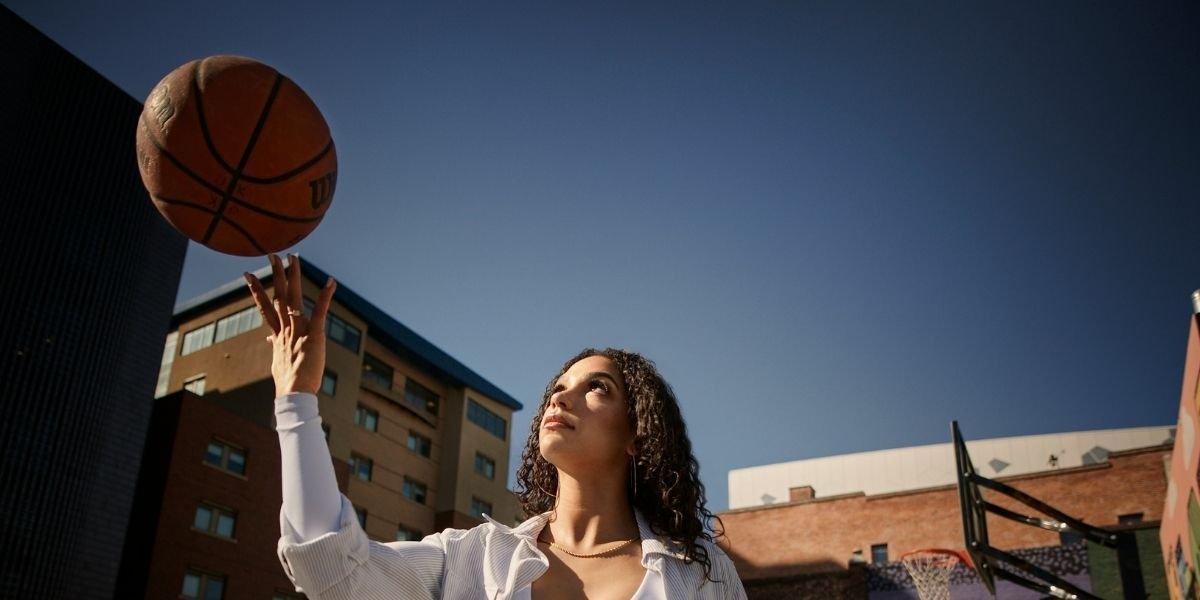
The WNBA, marking its 30th season in 2026, is experiencing a shift as its players gain recognition beyond their athletic achievements. Today, the league’s most well-known athletes are not only admired for their scoring averages but also for their expanding roles in high-fashion campaigns, media ventures, and luxury brand partnerships.
These changes have been made possible by a transformative labor deal, which has elevated the financial standing of the players. With a rise in salary caps and more time off the court, players are using their platform to build personal brands that extend their influence beyond basketball.
Skims and the Rise of Athlete-Driven Fashion
A significant moment in the WNBA’s growing influence within the fashion industry is its partnership with Skims, the apparel brand co-founded by Kim Kardashian. In 2026, top WNBA players such as Skylar Diggins-Smith, Kelsey Plum, and DiJonai Carrington have been featured in Skims’ “Fits Everybody” campaign. The partnership emphasizes a solutions-based approach to fashion that highlights the athleticism and diverse body types of professional basketball players.
For Diggins-Smith, the collaboration goes beyond just style. As a mother of two who returned to play after maternity leave, her participation in the campaign underscores the importance of representation in fashion. “It’s essential for me to feel comfortable in every facet of my life,” she said. “Skims provides solutions that are seamless and stylish, but more importantly, it’s about showcasing the essence of women in sports.”
Through its partnership with Skims, the WNBA is further cementing its position as an influencer in the fashion world, showing that athletes can transcend their sports and influence the global conversation on style.
Signature Sneakers and Footwear Innovation
The trend of athlete-driven merchandise continues to grow within the WNBA, particularly in the footwear sector. Caitlin Clark, one of the league’s rising stars, has signed a deal with Nike to produce her signature sneaker, making her one of the first WNBA players to have a dedicated line. Clark’s sneaker includes innovative features designed to accommodate her playing style and enhance performance on the court.
This trend is not unique to Clark. Athletes such as A’ja Wilson and Breanna Stewart have also developed signature sneakers, expanding the reach of their personal brands and offering performance-based designs that blend athletic functionality with streetwear appeal. These shoes not only offer a glimpse into the players’ style but also demonstrate how women’s sports figures are becoming central to the sneaker culture.
La Crema Wine and the WNBA’s Lifestyle Expansion
The WNBA’s expansion into the lifestyle and consumer goods sector is evident in its collaboration with La Crema for the launch of a co-branded WNBA White Wine. Released on April 9, 2026, this limited-edition wine celebrates the league’s history while giving fans a new way to engage with the brand. Available through the official WNBA store, the wine is part of the league’s broader effort to position itself as a lifestyle brand.
This move aligns with the growing trend of sports leagues embracing consumer products that reflect their culture. The introduction of high-end items such as the WNBA wine allows fans to engage with the league in a more personal, everyday manner, further integrating the sport into the larger cultural conversation.
The 2026 CBA: Financial Empowerment for Players
The 2026 Collective Bargaining Agreement (CBA) has played a crucial role in the WNBA’s growth by significantly increasing player salaries. The new agreement raises the salary cap to $7 million, with the maximum salary for superstars now reaching $1.4 million. This financial empowerment allows players more time to focus on personal brand-building and media opportunities, reducing their need to play overseas during the off-season.
The CBA also introduces a revenue-sharing model, linking player compensation directly to the financial success of the league. With the WNBA expanding into new markets like Portland and Toronto, players are increasingly seen as integral stakeholders in the league’s business model, not just its athletic talent. This shift allows them to secure more high-profile endorsement deals, positioning athletes like Angel Reese — recently traded to the Atlanta Dream — as key players in the commercial landscape.
The Rise of the Creator-Athlete Model
As the WNBA continues to grow, the concept of the “creator-athlete” has emerged, blending athletic excellence with digital-first content creation. Players like Sophie Cunningham, who recently announced a career in broadcasting alongside her duties with the Indiana Fever, are exemplifying this model. By utilizing platforms like Instagram, YouTube, and TikTok, athletes are engaging with audiences far beyond the basketball court, ensuring their presence remains strong long after their playing days are over.
This shift represents a broader trend in the sports world, where athletes are no longer just competing on the field but are building brands and crafting stories across multiple platforms. Through these efforts, the WNBA is positioning its players as both athletes and media personalities, creating lasting legacies that go beyond the game.