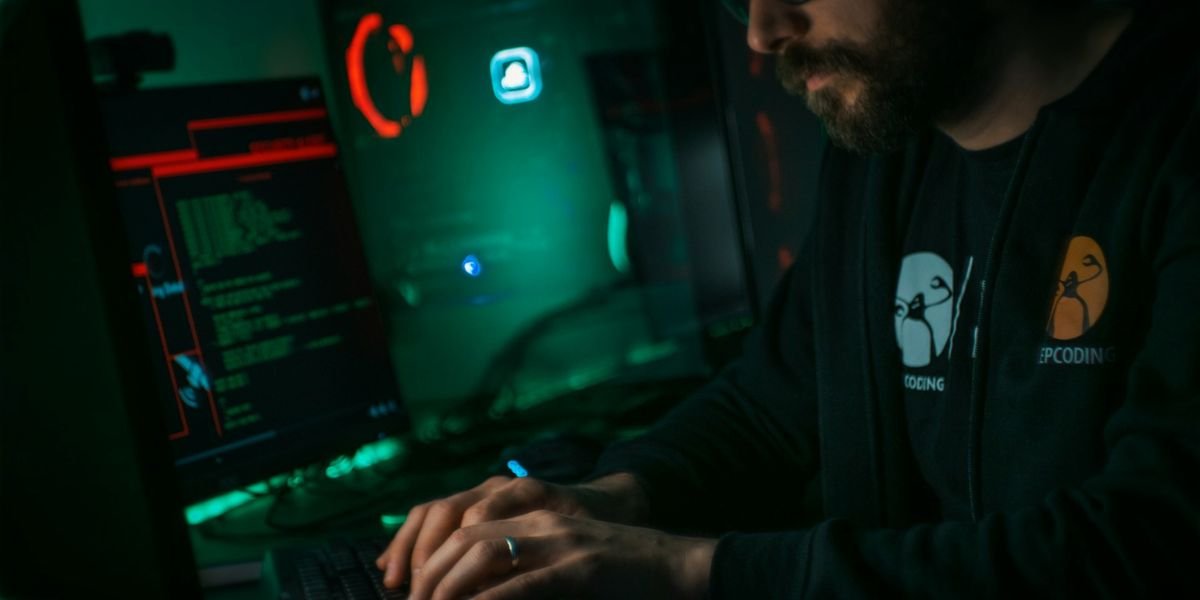
When the biggest football game of the year arrives, millions of people get ready for a day of fun. You probably have your snacks ready, your friends invited, and your large TV waiting to show every play. However, while you are focusing on the score, digital criminals are focusing on your home. When we ask if hackers are using the big game to enter your house, we aren’t talking about them walking through the front door. Instead, they are looking for digital doors left open in your smart home and your devices.
The Digital Backdoor: Your Smart Home
Most modern homes are filled with “smart” technology. We have speakers that listen for our voice, TVs connected to the internet, and even light bulbs we control with an app. These devices make life easy, but they are also targets. During a major sporting event, homeowners are often distracted. You might be loud, cheering, or busy talking to guests, which is exactly when a hacker might try to slip into your network.
Learning how to secure smart home devices before hosting a large sports party is a vital step for any modern host. One simple trick is to create a “guest network” on your Wi-Fi router. This is a separate connection just for your friends. If a guest’s phone has a virus or if a hacker tries to jump from a guest’s device to yours, the guest network keeps them away from your main home system. You should also take a moment to update the software on your smart TV and speakers. Companies often send out updates specifically to fix security holes that hackers like to use.
The Trap of the “Too Good to be True” App
The big game brings out a lot of excitement, especially for people who like to predict the winner. This has led to a massive increase in sports apps. While many of these apps are legal and safe, scammers create fake versions to trick people. They know that during the heat of the game, you might be looking for a quick way to place a stake or find better odds.
You need to know how to tell if a “too good to be true” sports app is a backdoor for hackers. A major red flag is if the app is not in the official Google Play Store or Apple App Store. If a website asks you to download a file directly to your phone to install the app, stop immediately. These files often contain “malware,” which is software designed to steal your passwords or watch what you do on your phone. Another sign is the offer itself. If an app promises you hundreds of dollars in “free” money without any catch, it is likely a trap designed to get your banking information.
Fake Tickets and Hidden Viruses
Even if you aren’t playing, you might be looking for a way to see the game in person or get into an exclusive after-party. Scammers love to prey on fans who are desperate for a last-minute deal. They often send emails or post on social media with links to “discounted” or “VIP” tickets.
It is important to learn how to spot fake ticket scams that install malware on your phone. These scams usually start with a sense of urgency. The message might say “Only 2 tickets left!” or “Deal ends in 10 minutes!” When you click the link to see the tickets, the website might look very professional, but it is actually a front. Instead of giving you a ticket, the site might ask you to “verify” your device by clicking a button. That single click can install a hidden program on your phone that gives a hacker full access to your photos, messages, and even your home security app. Always buy tickets from official sources and never click on links in unsolicited emails.
Hosting Safely: A Simple Checklist
To make sure your home stays a fortress during the game, follow these simple habits:
- Silence the Assistants: If you have smart speakers like Alexa or Google Home, consider muting their microphones during the party. Loud TV commercials or even your guests’ shouting can accidentally trigger these devices to record audio or even make unauthorized purchases.
- Check Your Camera Settings: If you have indoor security cameras, make sure they are not pointing at your keypad or where you type in passwords. A hacker who gets into a camera feed can use it to see your private codes.
- Password Protection: Ensure your Wi-Fi password isn’t something easy to guess, like “Football2026.” Use a mix of letters and numbers that a stranger couldn’t figure out.
Enjoy the Game Without the Risk
Technology is a great way to enjoy sports, but it requires us to be a little bit more careful. Hackers don’t need a physical key to enter your house when they can simply use a weak password or a fake app to get inside. By taking a few minutes to secure your devices and staying skeptical of “special deals,” you can focus on the players on the field instead of the criminals on the web. Stay alert, keep your software updated, and enjoy the game with peace of mind.