Gender rules under review: a turning point for women’s sports
The International Olympic Committee (IOC) is reviewing gender rules for women’s sports, a move that could reshape competition at the highest levels. With Kirsty Coventry elected as the IOC’s first female president in March 2025, the organization has shifted from leaving eligibility decisions to individual federations toward considering universal rules for women’s categories.
Coventry’s leadership has already sparked debate. Early scientific reviews presented to IOC members suggest that physical advantages may remain for athletes born male even after testosterone suppression. But no final decision has been made, and IOC officials stress that discussions are ongoing.
This moment is historic. For decades, women athletes have fought for recognition and fairness, often while navigating policies that were inconsistent or unclear. The IOC’s review is not just about eligibility, it is about redefining what fairness means in the modern era of sport.
Why gender rules matter for women’s sports
Gender rules are not just technical regulations, they are cultural signals that shape the very identity of women’s sports. For athletes, the debate is about fairness, recognition, and opportunity. Supporters of stricter rules argue that protecting the female category ensures a level playing field, while advocates for inclusion emphasize that sport should reflect diversity and respect identity.
The stakes are enormous. Women’s sports have historically been underfunded, under‑promoted, and undervalued compared to men’s competitions. Every rule that defines who can compete in women’s categories directly impacts sponsorships, visibility, and legitimacy. If the rules are unclear, women athletes risk being overshadowed or questioned, even when they achieve extraordinary success.
History shows how deeply gender rules have shaped women’s sports. In the 1960s and 1970s, the IOC required invasive sex‑verification tests, often humiliating female athletes and undermining their dignity. By the 2000s, policies shifted to testosterone thresholds, but these rules were criticized for being arbitrary and inconsistent. Today, the debate has evolved into one of science, ethics, and identity, but the underlying issue remains: how to protect fairness while respecting inclusion.

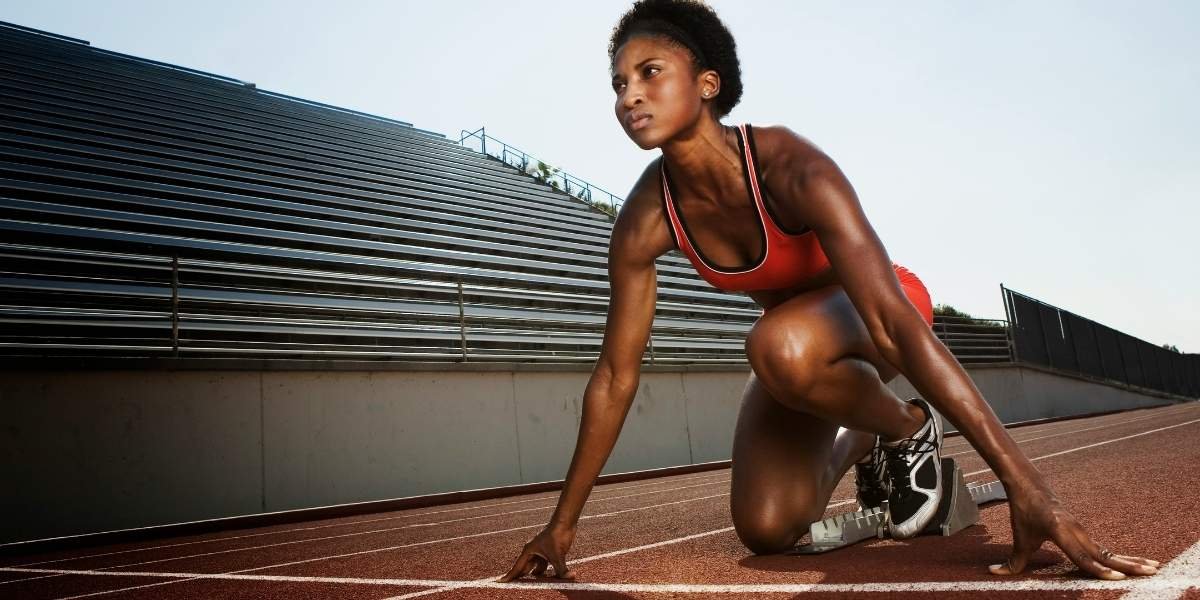
Photo Credit: Unsplash.com
Globally, federations have taken different approaches. World Athletics and World Aquatics ban transgender women from elite female competition, citing physical advantages. The NCAA in the United States allows participation under certain hormone‑suppression conditions. FIFA has yet to finalize a universal policy, leaving football federations to decide individually. This patchwork of rules creates confusion for athletes, fans, and sponsors, and underscores why the IOC’s review matters so much, it could set a global standard.
For women athletes, the implications are personal. Eligibility rules determine who they compete against, how their achievements are judged, and whether their victories are seen as legitimate. For communities, the debate reflects values: fairness, inclusion, and empowerment. For sponsors and media, clarity in gender rules affects investment and coverage.
The curiosity gap is clear: will new gender rules empower women’s sports by ensuring fairness, or will they risk deepening divides by excluding athletes? The IOC’s decisions will not only shape competition but also influence how society views women’s sports in the 21st century.
Gender rules and the Olympic stage
The stakes are high because the Olympics are more than competitions, they are cultural touchstones. A universal IOC policy on gender rules would ripple across federations, national committees, and grassroots programs. Reports suggest a ban could be introduced in time for the 2028 Los Angeles Olympics, though officials emphasize that no decisions have been finalized.
For women athletes, the curiosity gap is whether new gender rules will empower women’s sports or deepen divides. Will the IOC’s decisions create clarity, or will they spark new controversies? These questions ensure that the debate will remain front‑page news well beyond the Olympic movement.
The Olympic stage magnifies every decision. Rules set here influence not only elite athletes but also youth programs, sponsorships, and media coverage. For women’s sports, the IOC’s review is therefore not just about competition, it is about visibility, investment, and legitimacy.
Gender rules as cultural framing
The IOC’s review of gender rules is also a cultural moment. Women’s sports have long fought for recognition, investment, and respect. The debate over gender rules intersects with broader conversations about equality, identity, and representation.
For women athletes, eligibility rules determine who they compete against, how they are judged, and whether their achievements are seen as legitimate. For communities, the debate reflects values: fairness, inclusion, and empowerment. The IOC’s decisions will therefore resonate far beyond stadiums, shaping how society views women’s sports in the 21st century.
This cultural framing matters because sport is never just about competition. It is about identity, belonging, and pride. The IOC’s review of gender rules is therefore not only a technical exercise, it is a cultural signal about how women’s sports are valued.
Gender rules and women’s voices
Women athletes and advocates are demanding that their voices be central to the IOC’s review. Many argue that past debates have sidelined women, treating them as subjects rather than participants. Coventry’s leadership as the IOC’s first female president is seen as a chance to change that dynamic.
The IOC has promised that its working group will consult widely, though the names of experts remain confidential to protect integrity. For women’s sports, the curiosity gap is whether this consultation will translate into meaningful influence. Will women athletes shape the rules that define their categories, or will decisions be made without their input?
Athletes like Martina Navratilova and Paula Radcliffe have spoken publicly about the importance of protecting women’s categories, while others emphasize the need for inclusion and respect for transgender athletes. These voices highlight the diversity of perspectives within women’s sports, underscoring the complexity of the debate.
What gender rules mean for women’s sports in 2025
The IOC’s review of gender rules is not just about eligibility, it is about identity, fairness, and the future of women’s sports. No final decision has been made, but the direction is clear: the IOC is moving toward universal rules for female categories, with a focus on protecting fairness.
For women athletes, the implications are profound. Gender rules will determine not only who competes but also how women’s sports are valued. The bigger picture is clear: gender rules are not just technical, they are cultural affirmations of what women’s sports represent.
The curiosity gap remains: will new gender rules empower women’s sports, or will they create new divides? For now, women athletes and communities are watching closely, knowing that the IOC’s decisions will shape the future of sport for generations.