



By: Roveen Icasas
Imagine this: You just spent your hard-earned cash on a fabulous serum everyone has been raving about, and lo and behold, your skin breaks out in a full-scale revolt just a few short hours later, leading to redness, burning, and possibly textural issues.
Congratulations, you just gained membership in “Sensitive Skin Club,” which has way too many members, in my opinion.
The thing about sensitive skin, however, is that it’s not always about the big reaction you might think of. Yeah, I mean, of course, when people think about sensitive skin, they think about the hives, the red skin, that sort of thing. But the truth about sensitive skin, however, is that it can be much more subtle than that. A constant itching sensation that never subsides, for one thing. A burning that occurs when you put something like lotion on your skin, for instance. Skin that scales in such a way that your makeup never looks right.
What’s Actually Triggering Your Skin
While it is generally assumed that people either have sensitive skin or they don’t, environmental factors play a significant role in the development of irritation. Trouble often lies right before your eyes: your favorite sweater, your scented laundry detergent, even the soap you’ve been using for years.
According to dermatology sources such as the Cleveland Clinic, sensitive skin is a reaction triggered by products or environmental changes that, in regular circumstances, would not cause irritation but instead result in dryness, itching, or skin discoloration. This is particularly caused by products with scents or chemicals that can be too harsh on the skin, especially when it is a bit compromised.
As observed in many instances in her own practice at Iki Skincare, Dr. Urbani says: “I have witnessed many clients who have come to our brand after trying other harsh approaches to skincare, and they often don’t realize how their skin barrier can be overwhelmed even further by layering actives, fragrance, and texture.”
And then there are the more sneaky irritants. Stress (which, face it, who doesn’t have that? It’s like the common cold—inevitable.)—hormonal changes. The side effects from medications that no one bothered to tell you about might happen. These underlying causes simply aren’t as apparent as a new facial cream.
The Sensitive Skincare Approach
But what does “sensitive skincare” actually translate to beyond the buzzword? We’re discussing products created with a short ingredient list, fragrance-free, with gentler actives that won’t put your skin into emergency mode. It’s very straightforward, offering the same benefits as other products without the inflammation.
Iki Skincare, developed by Dr. Maria Urbani, established the brand’s philosophy by incorporating calm, simple routines to preserve the integrity of the facial barrier rather than opposing it. The skincare line features a calming foam cleanser that does not strip the facial surface of its natural oils, an antioxidant serum that supports the facial structure without irritating the senses, and a moisturizing emulsion gel.
Others think that gentle equals ineffective. But according to interviews with Dr. Joshua Zeichner, the Director of Cosmetic and Clinical Research in Dermatology at Mount Sinai Hospital, gentle products can be as effective as stronger products “if they are formulated wisely, because they work with your skin, not against it.” This is precisely the philosophy of skin care companies, aiming to achieve results while parting with the rest.
Beyond the Products
Use of sensitive skin care products is helpful. That’s a fact. But that’s not all. Lifestyle changes go a long way.
Think about your shower. While taking hot showers is incredibly satisfying, especially in winter, it can be super-drying for your skin. In fact, most guidelines for dermatologists recommend taking shorter showers, using warmer rather than hot water, and using gentle cleansers to help the skin’s barrier. And here’s the thing they don’t tell you: pat yourself dry rather than rubbing yourself with the towel. It’s the friction, and your delicate skin doesn’t like it one bit.
Another factor that contributes to this is hydration. It’s not just about moisturizing your skin with creams; it’s also about drinking water. Your skin, like any other part of your body, will work better in a hydrated condition, especially if you are attempting to promote your skin’s barrier repair mechanisms.
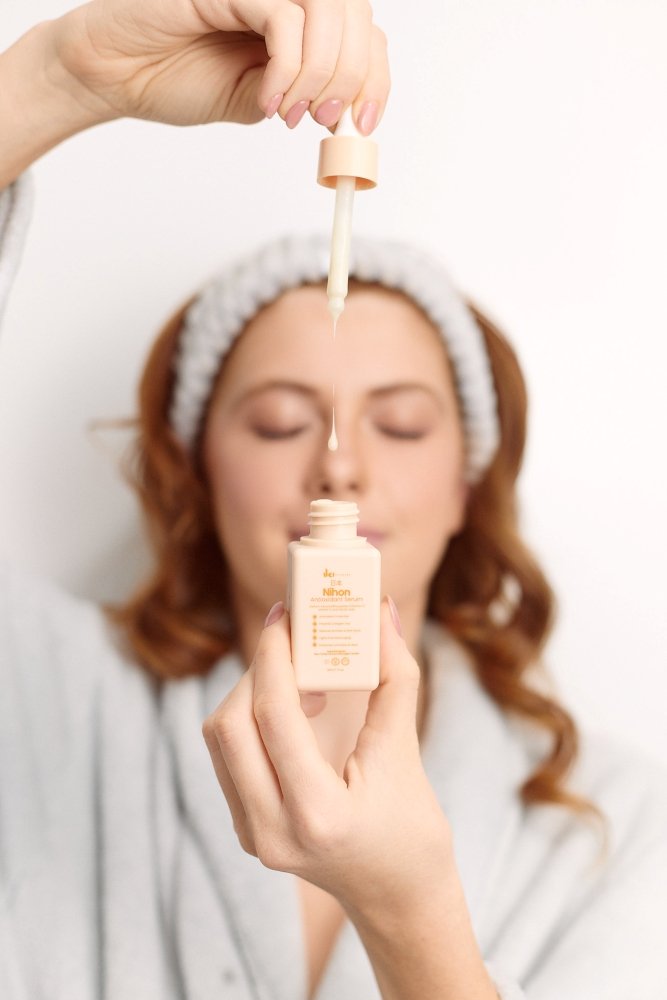
Photo Courtesy: Jairo Toro
Finding What Works for You. However, the frustrating thing about sensitive skin is that caring for it requires patience. It’s not something you can do by replacing products right away. It’s almost like being a detective, tracing back the beginning of your symptoms, the product you were using at the time, and so on.
According to the Cleveland Clinic, it’s helpful to pay attention to when your symptoms start and make a list of everything that came into contact with your skin, from your skincare routine to the fabrics and cleaning agents. If, after ditching all the obvious suspects, you’re no closer, that’s where it’s helpful to call in the experts; they’ll be able to help rule out any underlying conditions. Dr. Urbani regularly recommends just starting simple and working your way back up: one gentle cleanser, one soothing product, one moisturizer, and patience. It may be boring in a world of viral how-tos, but it’s the only way to distinguish between having skin that’s always perpetually irritated and having skin that feels like your own again.
The reality is that dealing with sensitive skin doesn’t have to be difficult. Browse the shelves of most pharmacies today, and you’ll see that sensitive skin care has improved significantly. And while it’s not so much about changing the old rules as about understanding the skin barrier better, you can absolutely get your skin to a better place with a bit of help.
Disclaimer: The products discussed in this article are marketed as cosmetics and have not been evaluated by the Food and Drug Administration (FDA). These products are not intended to diagnose, treat, cure, or prevent any disease. The information provided is for educational purposes only and should not be considered a substitute for professional medical advice, diagnosis, or treatment. Always consult with your physician or a qualified healthcare provider before making changes to your skincare routine or addressing any medical concerns.


